Connect with us

Interview

DNV: Maritime in APAC undergoes ‘transformative change’ towards growth, sustainability

Newly appointed Senior Vice President & Regional Manager, South East Asia, Pacific & India, Maritime at DNV, Antony DSouza shares the firm’s role in shaping the future of maritime of APAC.

Admin

Published

on

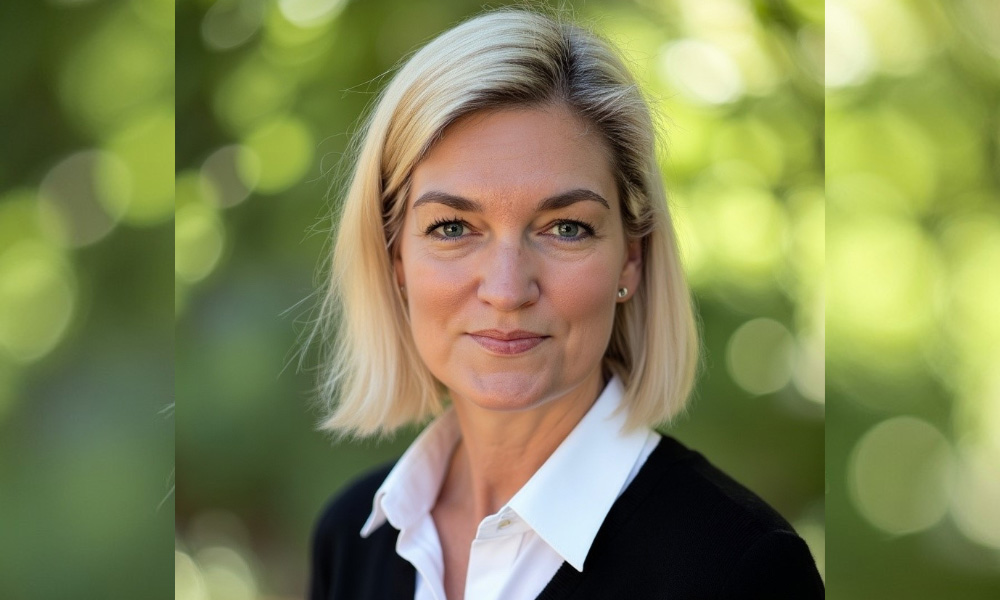
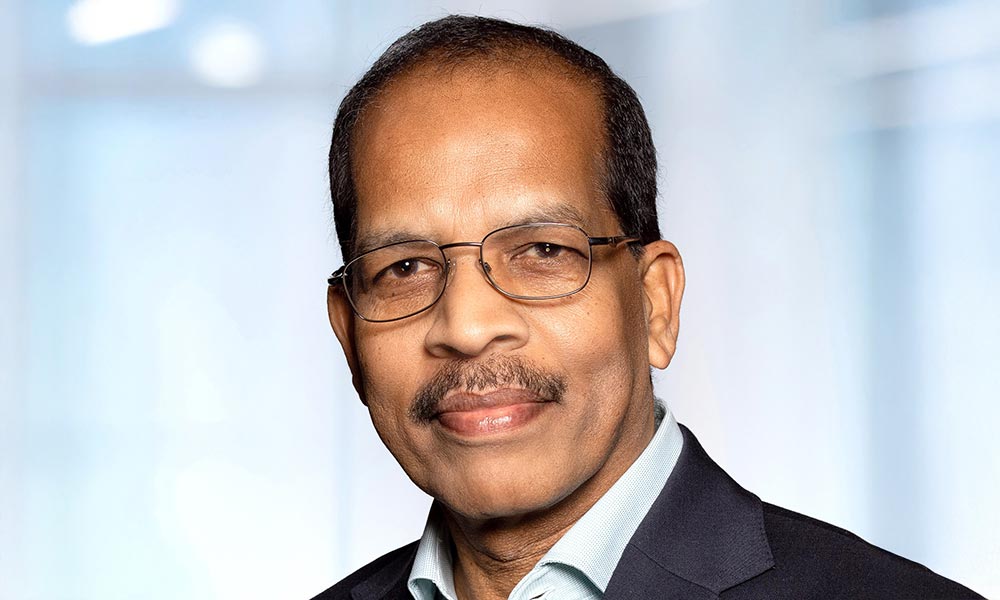
Newly appointed Regional President & Director of DNV for Southeast Asia, Pacific and Indian Subcontinent Antony DSouza

DNV SVP & Regional Manager, Antony M Dsouza who recently moved to Singapore takes time to speak with bunkering publication Manifold Times to share his thoughts on maritime decarbonisation trends for the APAC region:

MT: How has your first few months as the newly appointed Regional Manager been?

It’s been an exciting and rewarding start. While the maritime business is global in nature, each region brings its own unique dynamics, opportunities, and challenges. Over the past few months, I’ve focused on immersing myself in the region—meeting with clients, engaging with industry stakeholders, and participating in key conferences and forums. These interactions have been invaluable in helping me understand the specific needs and priorities of the Southeast Asia, Pacific, and Indian Subcontinent markets. My goal is to ensure that DNV continues to deliver high-impact, value-adding services tailored to our clients’ realities, while also playing a meaningful role in shaping a safer, smarter, and more sustainable maritime industry in the region.

MT: The maritime industry is going through a lot of change lately. What’s the most exciting trend or development you are seeing within Asia?

The maritime industry across Asia is indeed undergoing transformative change, driven by decarbonization, digitalization, and evolving trade dynamics.

One of the most exciting trends I see emerging in the region is the accelerating momentum towards green shipping and clean energy transition. Governments, ports, and shipowners across Asia are increasingly committing to net-zero targets, investing in alternative fuels like ammonia, methanol, and LNG, and exploring electrification and hybrid solutions for short-sea shipping. This is not just a response to global regulatory pressure but a reflection of the region’s proactive stance in shaping the future of sustainable maritime transport.

Recent outcomes from MEPC 83 have further reinforced this direction. The adoption of new measures, including a greenhouse gas (GHG) fuel-intensity standard coupled with a global pricing and reward mechanism, marks a critical step toward regulatory clarity and accelerating innovation and adoption of low-carbon technologies across Asia.

At the same time, digital transformation is gaining pace. From smart port infrastructure to the adoption of advanced analytics, AI, and remote surveys, digitalization is improving efficiency, safety, and transparency across the value chain. Asia is uniquely positioned to lead in this space due to its strong manufacturing base, tech innovation hubs, and rapidly growing digital ecosystems.

What excites me most is how these trends are converging. The shift towards greener operations is being enabled and accelerated by digital tools, while regional collaboration—such as green shipping corridors and harmonized standards—is becoming more prominent. At DNV, we are actively working with stakeholders across the maritime value chain to navigate these changes, build confidence in new technologies, and support the industry’s transition towards a more sustainable and resilient future.

MT: Sustainability is a big topic in maritime — what’s one small but impactful step you think Asia can do to contribute?

Sustainability is indeed front and centre in the maritime sector, and while large-scale initiatives often dominate the conversation, I believe small, consistent steps can be just as powerful.

One impactful step Asia can take is to focus on greater regional collaboration around data transparency and emissions reporting. By encouraging ports, operators, and logistics partners to share standardized emissions data and operational efficiency metrics, we can build a stronger foundation for decision-making and accelerate the shift to cleaner practices.

This doesn’t require massive investment, but rather a shared commitment to transparency and collaboration. It empowers stakeholders, especially smaller players who may not have access to advanced decarbonization technologies, to benchmark, learn, and improve incrementally. Over time, this collective effort can create a ripple effect across the region, driving behavioural change, supporting regulatory alignment, and ultimately contributing meaningfully to global sustainability goals.

At DNV, we’re supporting this through our work in digital assurance, data validation, and advisory services, helping clients in Asia take practical, data-driven steps towards a more sustainable future.

MT: How is DNV assisting the decarbonization journey of Asian shipowners?

DNV plays a pivotal role in supporting Asian shipowners on their decarbonization journey by combining deep technical expertise, independent assurance, and a strong regional presence. We understand that decarbonization is not a one-size-fits-all process—each owner has different starting points, operating profiles, and investment horizons. That’s why we take a tailored, step-by-step approach to help our clients identify the most viable pathways toward compliance and competitiveness.

We established the Centre of Excellence for Maritime Decarbonization & Smart Shipping back in 2021, to strengthen our support for regional stakeholders. With expert teams based in Singapore, Australia, and India, the Centre serves as a regional hub for strategic advisory and technical support. We assist shipowners in navigating complex regulatory frameworks—including the IMO’s carbon intensity targets, the EU ETS, and FuelEU Maritime—while assessing fleet readiness and identifying optimal decarbonization pathways. The Centre has led key studies on topics such as ammonia bunkering safety, the future of seafarers, and green coastal shipping. It also provides tailored decarbonization plans and guidance on the adoption of alternative fuels and emerging technologies. Supported by digital tools like DNV’s ‘Pathway to Zero’ and the Veracity platform, we help shipowners model fuel scenarios, evaluate technology options, and make confident, data-driven investment decisions.

DNV is also actively working on joint industry projects and pilots involving alternative fuels like ammonia, methanol, and LNG, as well as energy efficiency solutions such as wind-assisted propulsion and shore power integration. Our classification and certification services support the safe uptake of these technologies.

Finally, capacity building is key. We actively engage with regional stakeholders, including shipowners, ports, regulators, and academia through training, technical seminars, and knowledge-sharing forums to help build the ecosystem needed for a successful maritime transition to net zero.

By combining local insight with global best practices, DNV is committed to being a trusted partner in helping Asia’s maritime sector navigate the complex but necessary path toward decarbonization.

MT: Looking ahead, what is your one hope/ wish that you have for the APAC region?

My hope for the APAC region is that it continues to lead with ambition and collaboration in shaping a sustainable maritime future. Achieving decarbonization in the maritime industry requires the commitment of all stakeholders—not just shipowners and operators, but also private companies, industry experts, and policymakers. It is crucial for these groups to work together to address specific challenges such as technology development, financing models, and the regulatory framework needed to advance the sector.

With its diversity, scale, and innovation capacity, APAC has the potential to be a global catalyst for greener, safer, and smarter shipping—and DNV is committed to supporting that journey every step of the way.


Photo credit: DNV
Published: 7 July 2025

Continue Reading

Interview

Interview: Alkagesta navigates risk from bunkering ops during turbulent times

As the industry navigates this period of uncertainty, the key question is no longer ‘what will fuel cost?’ but rather ‘will fuel be available?’, highlights Mithat Çiftçioğlu.
Admin

Published

on

By

Mithat MT

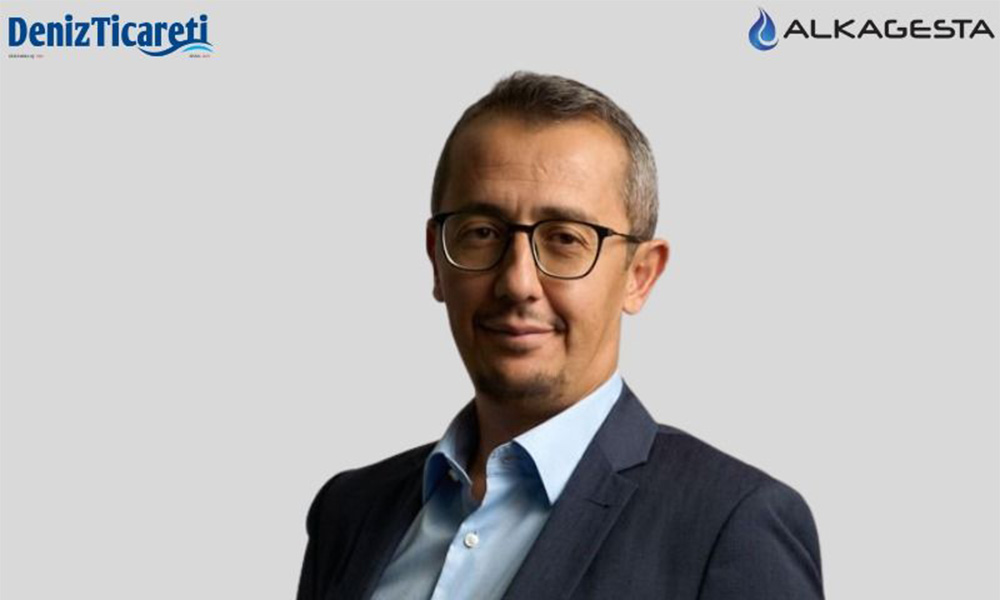
Mithat Çiftçioğlu, Marine Fuels Director at Alkagesta, shared his opinion on risk management for bunkering operations under current geopolitical tensions through the April edition of shipping magazine Deniz Ticaret.

The maritime publication, part of the Turkish Chamber of Shipping (İMEAK Deniz Ticaret Odası), has given Manifold Times permission to republish the article:

Fueling Ships in Turbulent Times

From Oil Shock to Fuel Access Crisis: A New Risk Map for Maritime 2026

The final weeks of the first quarter of 2026 mark one of the most complex periods in recent years for global energy and maritime markets. The sharp rise in oil and refined product prices since February 28 may look like a classic energy shock at first glance, but developments in the maritime sector point to a far deeper structural rupture.

What is being debated in the market today is no longer just oil prices. For traders and shipowners operating in the maritime sector and bunker market, the real issue is not the price of fuel — it is access to fuel. The fundamental question in the market has shifted: not what will the price of fuel be, but will fuel even be available?

In light of the Force Majeure cancellations at Asian ports over the past two weeks, another question must also be considered: Will pre-agreed bunker supply contracts actually be delivered?

From Oil Prices to Logistical Reality

Tensions in the Middle East have created a strong geopolitical risk premium in the oil market. Brent crude briefly surpassed the $100 per barrel mark, triggering a search for a new equilibrium across markets. This will inevitably bring inflation and recession back onto the global agenda in the months ahead.

But the rise in oil prices does not only reflect the risk of supply disruption — it also signals the return of one of the most fragile chokepoints in global energy trade:

The Strait of Hormuz

Approximately one-third of the world’s oil trade passes through this narrow waterway. Around 20 million barrels of oil and petroleum products transit Hormuz daily. Any disruption here would therefore affect not only oil prices, but also global refined product flows and the bunker market directly.

Why Strategic Oil Reserves Are Not the Solution

A commonly proposed solution in energy crises is the release of strategic petroleum reserves. However, releasing these reserves does not directly resolve a bunker crisis. Strategic reserves consist of crude oil. To produce bunker fuel, the following chain must be completed:

Crude oil → Refinery → Product logistics → Bunker port

This process takes time. Strategic reserves can temporarily stabilize oil prices, but they cannot solve the access problem in the bunker market in the short term.

Furthermore, the announced reserve release of 400 million barrels, to be drawn down at a rate of 2.5–3 million barrels per day, can only cover a small fraction of the estimated daily loss from the Middle East — optimistically 8–10 million barrels, pessimistically 18–20 million barrels per day.

A Historic Surge in Bunker Fuel Prices

The per-ton price of VLSFO (0.5% sulfur) bunker fuel has surpassed $1,000, reaching approximately double pre-war levels. This also represents some of the highest prices seen since July 2022.

While prices at bunker hubs such as Singapore and Fujairah are approaching $1,100 per ton, European markets have remained comparatively lower.

The Real Problem Is Not Price — It Is Fuel Access

Obtaining bunker quotes for April has become increasingly difficult, particularly at Asian ports. Even where shipowners and traders can secure quotes, the absence of supply guarantees makes pricing extremely challenging.

A senior executive at Oldendorff Carriers summarized the situation in these words:

“We cannot price cargo because we cannot calculate fuel costs; we cannot calculate fuel costs because there is no supply guarantee.”

The CEO of Maersk has compared the current situation to the pandemic era, stating that companies are attempting to source fuel through methods they have never tried before in order to keep global shipping networks supplied.

While supply is tight and prices are near their peak in Singapore and Fujairah, Rotterdam appears relatively more balanced. However, as the conflict drags on, risk perception in European markets is also rising.

The surge in bunker prices will not only increase costs — it will also affect global maritime transport capacity. Ships are expected to reduce their speeds to conserve fuel. This could lead to a reduction in effective carrying capacity, creating new logistical bottlenecks in global trade.

The importance of working with reliable, long-term partners has never been more apparent than during a crisis such as this.

The Widening Price Spread Between Fuel Types

A notable development in the bunker market in recent weeks is the rapid widening of price differentials between different fuel types. Two spreads in particular have expanded significantly:

  • Marine Gas Oil (MGO) – VLSFO
  • VLSFO – HSFO

Rising demand for distillate products, refinery production balances, and regional supply tightness are all contributing to this widening. As a result, bunker purchases have become not merely a matter of price level, but a strategic decision tied to product type and port selection.

An Unexpected Development: Biofuels Becoming Competitive

Another noteworthy development in the bunker market is that biofuels have remained at relatively competitive price levels. This creates two important opportunities for shipowners.

On one hand, biofuels remain competitively priced in certain markets. On the other, they offer a means of compliance with new regulations entering into force in Europe — particularly the FuelEU Maritime and EU ETS frameworks, which require reductions in carbon intensity. In this context, biofuels have become a strategic option for many shipowners.

Conclusion: Active Bunker Management Is The New Normal

The 2026 bunker market presents one of the most complex energy trading environments in recent years. The rise in oil prices, geopolitical risk at the Strait of Hormuz, tightness in physical fuel supply, and widening price spreads between fuel types have made bunker fuel management more critical than ever.

The prevailing view in energy markets is that as long as the risk at the Strait of Hormuz persists, turbulence in the bunker market will persist with it. As time passes, the depletion of commercial stocks may deepen the existing supply tightness further.

For this reason, the current situation is viewed not merely as an energy crisis, but as a new stress scenario testing the logistical infrastructure of global trade.

The view increasingly heard across energy markets is this:

“As long as Hormuz remains closed, it will not be oil prices but fuel access that constitutes the defining risk for global shipping.”

Finally, for shipowners and operators, bunker strategies are shifting away from a passive purchasing approach toward a model grounded in active risk management.


Photo and article credit: Deniz Ticaret
Published: 7 May 2026

Continue Reading

Interview

Interview: Cargill Ocean Transportation shares digital and decarbonisation roadmap

Ying Ying Lim, Vice President of Cargill Ocean Transportation APAC, shares how data, AI and partnerships are driving digitalisation and decarbonisation for Cargill.

Admin

Published

on

By

Interview: Cargill Ocean Transportation shares digital and decarbonisation roadmap

In this Manifold Times interview, Ying Ying Lim, Vice President of Cargill Ocean Transportation APAC, discusses how Cargill is using digitalisation—grounded in data, analytics and AI—to improve freight execution and strengthen bunker procurement decisions.

She also shares why a fuel- and technology-agnostic approach, including real-world trials such as green methanol bunkering in Singapore, and collaboration across the maritime value chain are key to scaling decarbonisation while maintaining operational performance.

MT: What is the state of Cargill’s digital transformation for its maritime segment?

Digitalization, data and AI are core enablers of how we run and evolve our ocean transportation business.

We have made deliberate investments to build strong digital foundations, starting with data and analytics that directly improve decision-making, operational efficiency and decarbonization outcomes. This includes our early involvement in ZeroNorth, which applies AI to optimize freight routing and reduce fuel consumption and emissions.

That foundation supports more efficient freight execution, better commercial decisions and a more consistent customer experience, complemented by partnerships with leading maritime technology providers such as Veson.

More recently, we developed a Data Cloud for Cargill Ocean Transportation as a shared data backbone across our shipping activities, and we have begun scaling the use of generative AI across selected processes. We see this as a long-term capability build that requires discipline and sustained commitment, but one that is essential to managing complexity and delivering value at scale.

MT: How has Cargill benefitted from digitalization of its shipping operations?

Digitalization has helped us improve efficiency and cost discipline across our shipping operations, with the level of impact varying depending on the initial situation and objectives of each process.

In freight execution, we use digital tools to support route optimization, vessel vetting, ship chartering, freight handling and market forecast. Depending on the process and starting point, we have been able to partially or fully automate activities, always with a clear focus on delivering a positive return on investment.

While parts of the dry cargo market still rely on semi‑automated processes and inconsistent standards, advances in generative AI are giving us greater flexibility. For example, AI can help structure and make usable unstandardized inputs such as emails and documents, reducing manual effort and dependence on traditional technology vendors. This allows us to lower costs, improve efficiency and instill resilience in our operations.

MT: Has Cargill incorporated digitalization into its bunkering and marine fuel procurement operations? Were there challenges to overcome and what were the solutions?

Cargill executes its marine fuel procurement through Seascale Energy, a Cargill and Hafnia joint venture. By leveraging combined purchasing power and market influence, Seascale brings greater transparency, reliability and efficiency to bunker procurement, supporting improved commercial outcomes.

Data and digital decision making tools play an important role in this process. As with many parts of the maritime value chain, bunker procurement has historically relied on fragmented data and manual processes. Digital tools help bring greater transparency and comparability to purchasing decisions, supporting more consistent outcomes while maintaining the flexibility needed to operate across different markets and suppliers.

One challenge is limited transparency around delivered quantity and fuel quality. This can make like-for-like comparisons more difficult and increase the risk of disputes. Cargill is one of the founding participants in the Bunkering Services Initiative, which commenced operations in the Amsterdam–Rotterdam–Antwerp (ARA) region. The initiative combines certified hardware, real-time data capture and independent assurance across bunker deliveries to improve transparency, traceability and accountability.

Another challenge is that bunker procurement has often been assessed primarily on price, even though outcomes can be materially affected by factors such as claims performance, counterparty reliability, quantity discrepancies and more. Through Seascale, we’re supporting the continued development and commercial rollout of Studio 30 50’s Fuelsure platform to evaluate procurement decisions based on total commercial outcomes, not just nominal cost.

MT: What is Cargill’s view on the use of electronic bunker delivery notes (e-BDN) in Singapore? Does the company have plans to introduce e-BDN operations for its vessels around the world? 

Singapore has become the first port globally to mandate electronic bunker delivery notes as the default for all bunker suppliers, setting an important precedent for the industry.

One of the key advantages of e‑BDNs is the use of a standardized and consistent format, which makes it easier for stakeholders to verify information and reduces the risk of discrepancies or errors in the bunkering process.

More broadly, the adoption of e‑BDNs is largely driven by regulation. Where electronic bunker delivery notes are mandated by governments or governing bodies, Cargill will support their implementation accordingly.

MT: Does Cargill have a preferred type of alternative marine fuel which it wants to use for its vessels?

At Cargill, we are deliberately fuel and technology agnostic as we navigate the energy transition. What matters most is using the solution that is best suited to the vessel, the trade and the operating environment at any given time.

We anticipate a multifuel future. Some vessels will continue to operate on conventional fuels, others will use drop-in biofuels, and over time we anticipate more advanced fuels to play a role as availability and infrastructure develop. At Seascale we are exploring LNG and Bio-LNG procurement, and for our own fleet we’re experimenting with green methanol and exploring the possibility of other green fuels, such as ethanol.

Today, the strongest business cases we see are around fuel efficiency and biofuels. At the same time, we are investing in optionality. The methanol vessels are designed to perform efficiently on conventional fuel now, while giving us the flexibility to transition to lower-carbon fuels as their supply chain becomes viable. This approach allows us to make progress today while remaining adaptable for the future.

MT: What is Cargill’s decarbonization strategy and how can Singapore as a multi-fuel bunkering hub help fulfil this ambition?

To complement our fuel and technology-agnostic approach, we continue to explore more ambitious ways to reduce carbon intensity over time. You have seen this through initiatives such as wind assisted propulsion and the introduction of multifuel vessels.

A recent example was Cargill’s first ever bunkering of green methanol in Singapore. This was an important technical experiment, carried out jointly with Singapore based partners and the Maritime Port Authority of Singapore, and it was a positive learning experience.

Technologies such as green methanol or wind assisted propulsion still come with uncertainty. However, as an industry leader, we believe it is important to test these innovations in real operating conditions, share what we learn, and help support the systems and standards needed for wider adoption.

By operating a fleet of multi-fuel and fuel-ready vessels, we are able to experiment with new fuels today and ensure we are ready to progress as these solutions become more viable. Singapore’s role as a multifuel bunkering hub is an important enabler of this approach.

MT: Does digitalization and decarbonization complement each other?

Absolutely! Digitalization can be used to support better fuel efficiency. If we have a clearer understanding of how a vessel performs under different conditions, we can optimize its operations to reduce fuel consumption.

The savings on a per vessel basis may not be dramatic, but these improvements can be applied across fleets of different ages and market segments. When scaled, they add up. For that reason, it is worth doing.

MT: What are your predictions around the demands of maritime shipping in 2030?

Looking ahead to 2030, it is helpful to distinguish between what is most likely to be deployed at scale and what remains more aspirational.

From a practical perspective, we expect biofuels and LNG to account for a significant share of fuel use, as these options are already available today and can be applied across a wide range of vessels and trades. Methanol and ethanol are also expected to play a growing role, but their uptake will depend on fuel availability, infrastructure development and effective regulation.

From an ambition standpoint, our focus at Cargill is on continuing to reduce the carbon intensity of ocean transport for our customers. Within Cargill Ocean Transportation, we have a 2030 ambition to reduce Scope 3 emissions by 30 percent per ton of product sold, compared to a 2017 baseline, measured through improvements in our Energy Efficiency Operational Indicator. As of 2024, we have reported progress of 12 percent toward that target.

Achieving further reductions by 2030 will depend not only on fuel choices, but also on efficiency improvements, vessel design, digital optimization and a regulatory environment that supports the scaling of lower-carbon solutions. Digitalization, and AI in particular, will be essential in managing the added complexity that decarbonization brings, from emissions reporting and regulation to multiple propulsion technologies.

Related: Cargill’s first green methanol dual-fuel dry bulk vessel to bunker in Singapore


Photo credit: Cargill
Published: 30 April 2026

Continue Reading

Bunker Fuel

Interview: Maharani Energy Gateway – Forging a new energy nexus in the Straits of Malacca

Dato’ Dr. Daing A Malek Bin Daing A Rahaman explains to Manifold Times the beginnings of Maharani Freeport and its value proposition to the oil, bunkering, and shipping sectors.

Admin

Published

on

By

Interview: Maharani Energy Gateway – Forging a new energy nexus in the Straits of Malacca

The maritime energy sector, particularly in Southeast Asia, operates at the confluence of immense demand, strategic geography, and evolving global trade dynamics.

Against this backdrop, Maharani Energy Gateway (MEG), the Master Developer of Maharani Freeport, emerges not merely as an infrastructure development but is advancing a project supporting Malaysia’s role in regional and global energy flows.

Born from a clear recognition of industry needs and a visionary response to the future of oil, energy, bunkering, and shipping in one of the world’s busiest waterways – the Straits of Malacca – MEG seeks to position Maharani Freeport as a strategic nexus for global shipment, storage, and trading operations.

The Inception: A Demand-Driven Vision

“The origins of MEG and Maharani Freeport are rooted in clear industrial demand,” Dato’ Dr. Daing A Malek Bin Daing A Rahaman, Executive Chairman of MEG, tells bunkering publication Manifold Times.

“For decades, the Straits of Malacca has served as a critical ‘choke point’ for global energy trade, with vast quantities of energy products transiting through its waters annually.

“As Asia’s economies continue their robust growth trajectory, the demand for energy has escalated, creating an urgent need for a more sophisticated and integrated energy infrastructure to support these flows.”

Additionally, Dato’ Dr. Daing was quick to point out a comprehensive whole ecosystem is also needed to ensure the project’s success.

“Our understanding is clear: if the project didn’t encompass a full suite of services and integrate seamlessly into the broader energy supply chain, it simply won’t happen,” he explains.

“This holistic approach is deemed essential to enable the Straits of Malacca to leverage on its position as a strategic location in the face of ever-increasing energy flows.

“Maharani Freeport, therefore, has been conceived as a demand-driven energy hub, as a next-generation integrated freeport platform, designed to provide the necessary services and facilities to cope with future energy demands.”

Navigating Challenges: From Environmental Compliance to Stakeholder Buy-in

Developing a project of Maharani Freeport’s scale and strategic importance requires careful planning and close coordination across multiple fronts, notes Dato’ Dr. Daing.

“The developers addressed the inherent challenges of a mega-project by prioritising rigorous environmental and social compliance from the outset, treating EIA, SIA, and continuous monitoring as non-negotiable foundations,” he said.

“Beyond regulations, they focused on patiently building trust and alignment across government, investors, and the public, recognising that coordination across stakeholders is essential.”

“This approach culminated in the project’s endorsement by the federal government on 29 November 2025 as a free port, free commercial zone, and free industrial zone marking a pivotal moment signalling official recognition and paving the way for accelerated development.”

Current Momentum and Future Trajectory for Oil, Bunkering, and Shipping

Currently, business activities within Maharani Freeport are already taking place and is heavily focused on marine activities including ship-to-ship (STS), bunkering and related supporting activities. “Business is already ongoing in the sea. This includes transshipment operations and other activities vital for the energy industries, even as shore-based infrastructure is being developed for Maharani Freeport Industrial Park (MFIP),” Dato’ Dr. Daing stated.

The Freeport is also designed to accommodate floating operations such as Floating Storage Units (FSU), enabling storage and transfer activities directly at sea.

Maharani Freeport operates within a designated freeport framework, supported by the Maharani Freeport Authority, providing a structured and governed environment for marine and energy-related operations.

This strategic sequencing ensures immediate business opportunities are capitalised upon while long-term infrastructure is meticulously built.

“The project follows a phased development approach, providing flexibility in timeline execution and enabling scalable deployment for industry players as infrastructure is progressively built out,” Dato’ Dr. Daing said. “International interest in Maharani Freeport is already significant, with many countries initiating conversations and showing interest, even before the project reaches full operational readiness. This early engagement underscores the global recognition of Maharani Freeport’s potential.”

Industry players seeking to participate in STS, bunkering and related marine operations at Maharani Freeport may engage via MEG’s One-Stop Centre (OSC), which facilitates coordination across regulatory, operational and commercial requirements.

Looking ahead, MEG envisions Maharani Freeport as a next-generation, integrated freeport ecosystem, with the aim of becoming a major oil and commodities transit port for Malaysia. Serving as a strategic and demand-driven nexus for shipment, storage, and trading.

The Maharani Freeport, developed by MEG, is positioned to support evolving energy logistics in the region if not globally, by offering a flexible, and comprehensive platform for the oil, bunkering, and shipping industries for decades to come.

Related: New Johor bunkering hub: Maharani debuts as Malaysia’s first duty-exempted energy freeport


Photo credit: Maharani Energy Gateway
Published: 8 April 2026

Continue Reading

Trending