
Association
IBIA Board Elections 2024: Call for Nominations
There will be two vacancies and these elections are an opportunity for IBIA members to seek election to the board and take part in the running of the Association, says IBIA.

LNG Bunkering
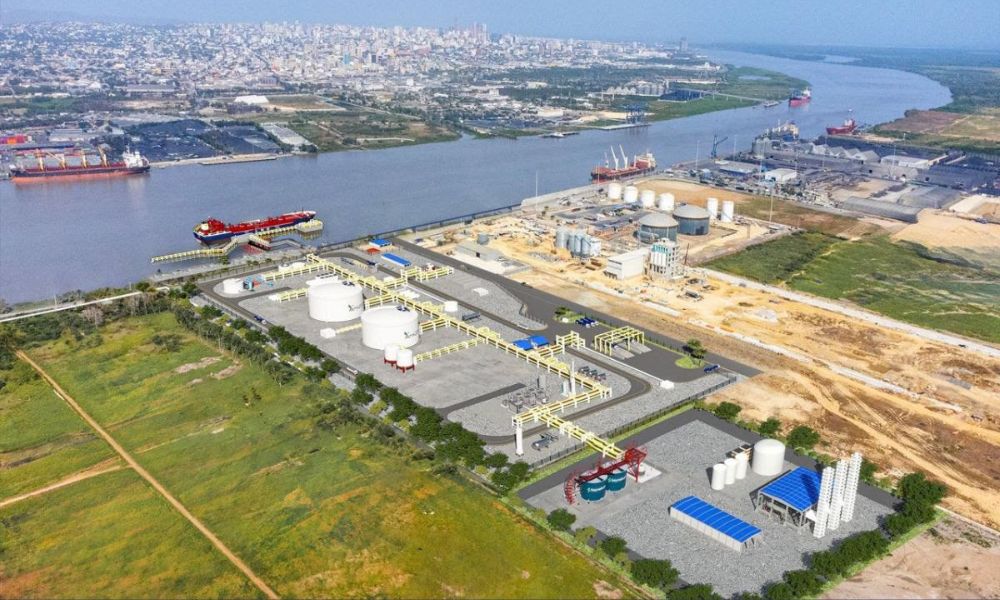
Amazónica LNG joins SEA-LNG as coalition expands into South America
SEA-LNG announces the membership of Amazónica LNG, a Colombian LNG import, storage and regasification company developing bunkering-ready infrastructure on the country’s Caribbean coast.
Interview
Exclusive: Caroline Yang takes helm on future of IBIA Asia
The newly appointed Chair of IBIA’s Regional Board – Asia, shares her plans to strengthen bunkering standards while promoting transparency and industry collaboration across key Asian maritime hubs.

Business
Asian Shipowners Association among groups to raise concerns on Hormuz tolls
Eight shipping organisations wrote an open letter to the UN and IMO to raise concerns regarding the potential imposition of tolls or service fees in the Strait of Hormuz.

OUR INDUSTRY PARTNERS

Yang Ming orders six LNG dual-fuel, ammonia-ready containerships from Hanwha Ocean

LR, China’s MARIC unveil tanker concept ready for three future bunker fuels

DNV: Alternative-fuelled vessel orders hit highest monthly level since October 2024

TFG Marine advances global MFM rollout with two US Gulf bunker barges

GENA Solutions: Total renewable and low-carbon methanol project pipeline increases from 61.8 to 62.2 Mt by 2032

Baltic Exchange: Bunker Report (3 September 2026)

ENGINE: Americas Fuel Availability Outlook (3 September 2026)

Singapore-flagged tugboat “Kim Heng 3203” placed under Sheriff’s arrest

US targets five bunker companies in latest sanctions campaign against Iran

Singapore bunkering community supports Living Hope Evangelism’s 7th anniversary outreach for residents in need

China’s bunker market reshaped by tax rebates, trade flows and refining changes, says economist

Hengli Petrochemical’s ex-Singapore trading arm faces winding up application

Rajah & Tann: Bunker disputes are won in the first 48 hours

Report: GCMD outlines practical approach to quantity assurance in marine biofuel supply chains
-
 Vessel Arrest2 weeks ago
Singapore-flagged tugboat “Kim Heng 3203” placed under Sheriff’s arrest
-
 Sanctions2 weeks ago
US targets five bunker companies in latest sanctions campaign against Iran
-
 Events2 weeks ago
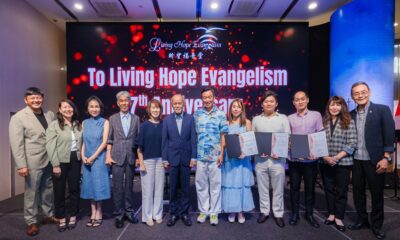
Singapore bunkering community supports Living Hope Evangelism’s 7th anniversary outreach for residents in need
-
 Interview1 week ago
China’s bunker market reshaped by tax rebates, trade flows and refining changes, says economist
-
 Winding up2 weeks ago
Hengli Petrochemical’s ex-Singapore trading arm faces winding up application
-
 Bunker Claim5 days ago
Rajah & Tann: Bunker disputes are won in the first 48 hours
-
 Biofuel2 weeks ago
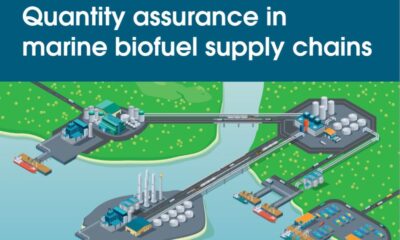
Report: GCMD outlines practical approach to quantity assurance in marine biofuel supply chains
-

 Winding up1 week ago
Singapore: Notices of annual meeting issued for Vroon Shipping Asia and related firms