
Milestone
Yang Ming and KPI OceanConnect complete B30 HSFO biofuel bunkering in Busan
“YM Together”, a 11,000-TEU container ship currently serving the Trans-Pacific route PN3, recently became the first foreign-flagged vessel in South Korea to bunker biofuel, says Yang Ming.

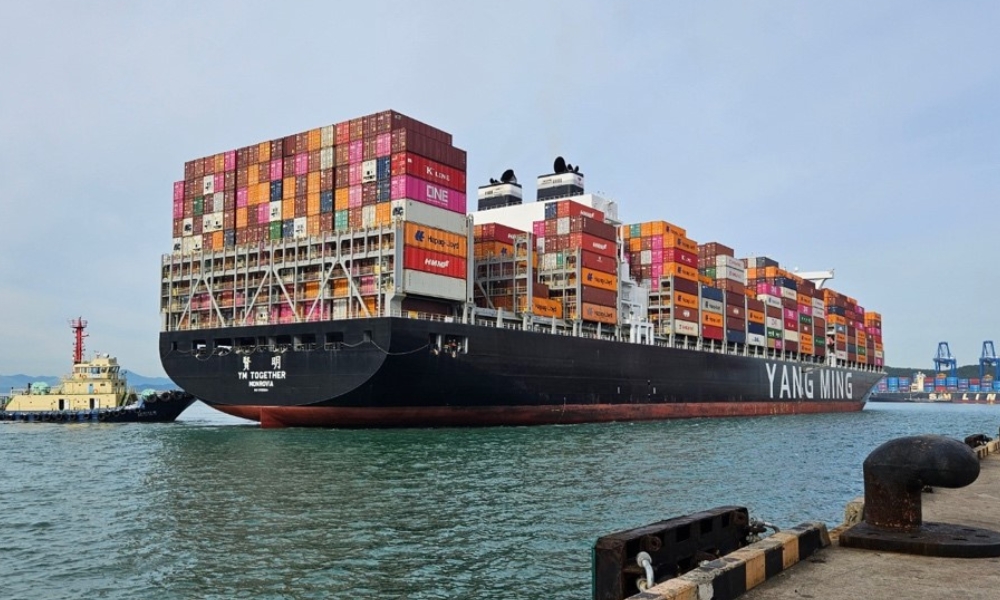
Yang Ming Marine Transport Corporation (Yang Ming) on Friday (5 July) said it is beginning to fuel its fleet with sustainable biofuel bunkers.
YM Together, the 11,000-TEU container ship, recently became the first foreign-flagged vessel in South Korea to bunker biofuel, marking the company’s steady progress in sustainable development and energy transition.
In collaboration with KPI OceanConnect, a marine energy supplier, YM Together, currently serving the Trans-Pacific route PN3, bunkered the B30 HSFO biofuel at Busan Port in South Korea on 26 June.
This type of biofuel is a blend comprising used cooking oil (UCO) made of native plants, which complies with ISO 8217 and meets International Sustainability & Carbon Certification (ISCC) standards. This biofuel also meets the green fuel standards of the FuelEU Maritime Initiative, reducing up to 25% of GHG emissions than do conventional marine fuels.

Apart from the biofuel, onboard facilities such as scrubbers and shore power systems (AMP) enable YM Together to effectively cut GHG emissions and offer customers with transport services that are sustainable and environmentally-friendly.
The addition of Busan port as a biofuel bunkering port in Asia increases flexibility in bunkering options for different routes, which in turn helps Yang Ming to expand the use of biofuel.
In the meantime, the company is providing biofuel usage data requested by a publicly-owned local research institute in South Korea, hoping to accelerate the sustainable goal of energy transition in the industry by sharing practical experiences and contributing to academic research.
In response to the impact of global climate change, Yang Ming is carrying out various energy-saving measures in its operations to improve the fleet’s energy efficiency.
These measures include retrofitting existing ships for energy efficiency, adopting smart technology to enhance onboard energy monitoring, using weather routing system to optimize routes and reduce fuel consumption, and fitting vessels with AMP systems for shore power.
In 2023, Yang Ming’s fleet reduced carbon intensity by 61.86% compared to the baseline year of 2008, achieving the IMO’s goal of a 40% reduction by 2030 ahead of time.
Looking forward, Yang Ming said it will continue using ISCC-certified biofuel to cap its total yearly GHG emissions and reduce the pressure of carbon emissions on customers and the entire supply chains.
Photo credit: Yang Ming
Published: 8 July, 2024
Methanol
Ningbo-Zhoushan Port completes Zhejiang’s largest single-ship green methanol bunkering op
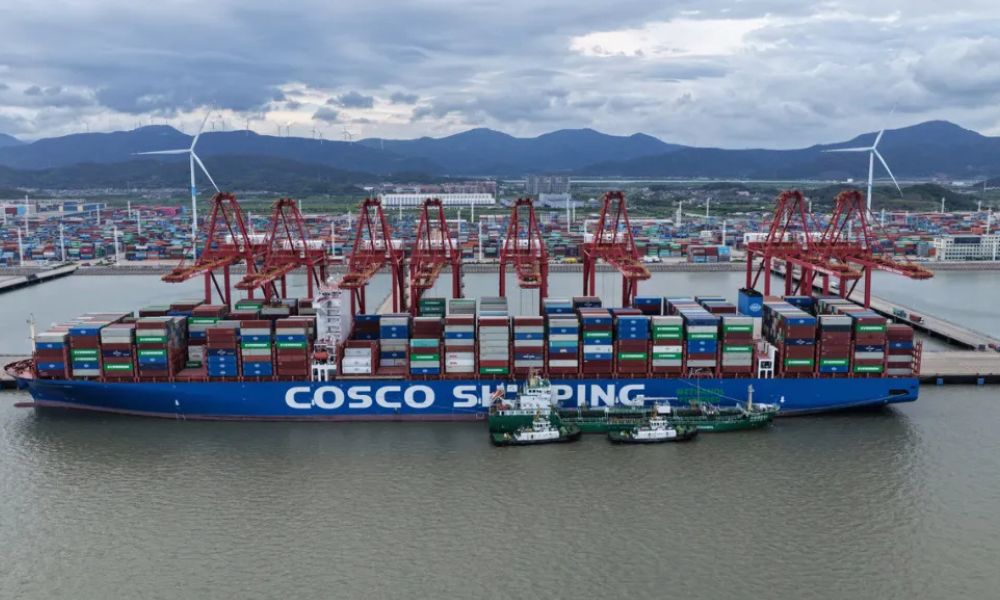
“COSCO SHIPPING Libra” received around 5,500 mt of green methanol at Ningbo-Zhoushan Port, setting a new provincial record for a single international vessel.
Bunker Fuel
PO/Marine supplies nearly 913,154 mt of bunker fuels in 2025
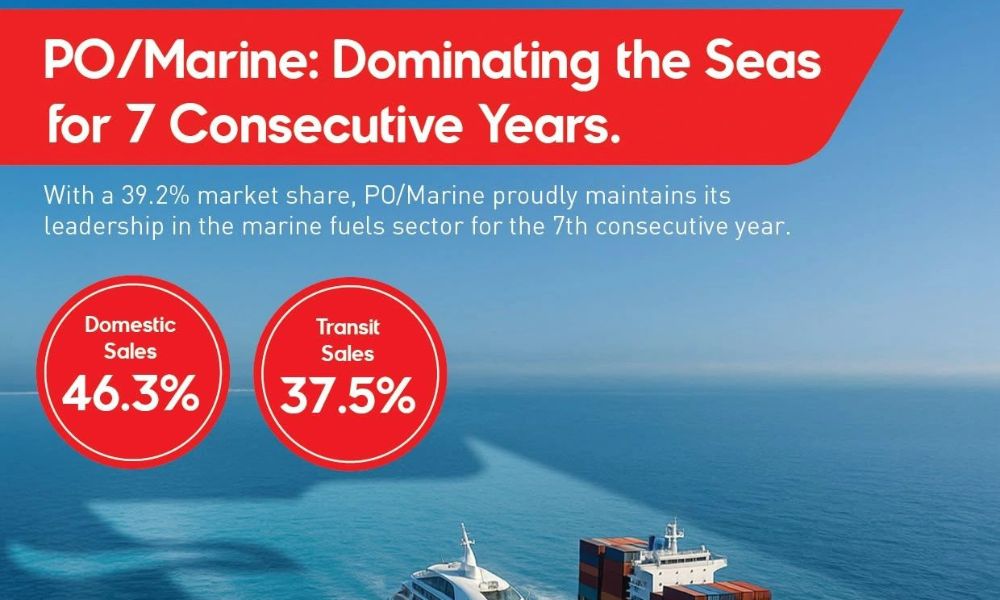
‘With a market share of 39.2%, PO/Marine has proudly maintained our leadership in the marine fuels sector for seven consecutive years,’ the company said.
Alternative Fuels
Olam Agri, Vitol Bunkers wrap up co-processed VLSFO bio-bunkering operation in Singapore
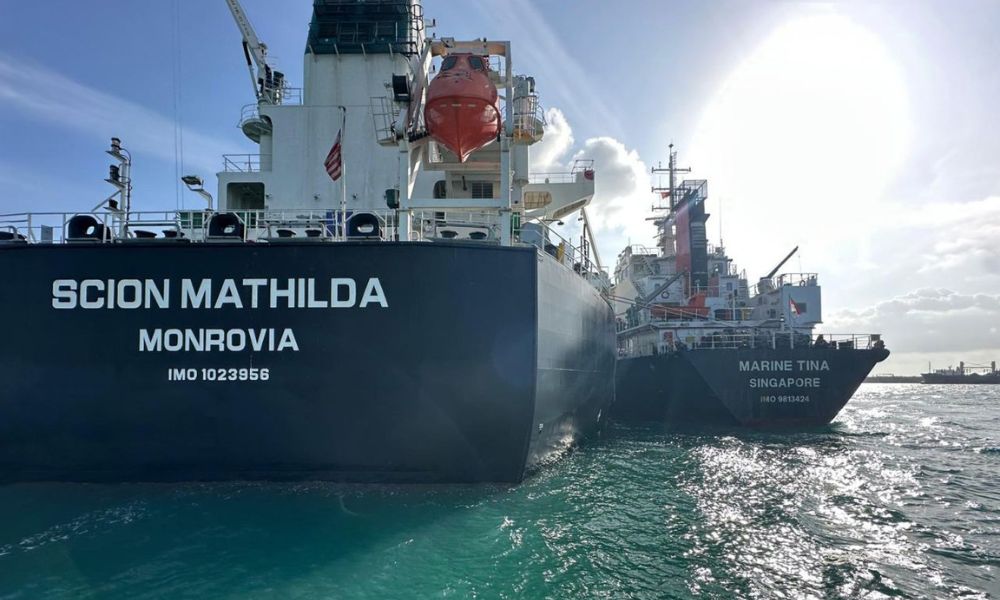
“MV Scion Mathilda” was supplied with 246.5 mt of co-processed VLSFO at the Port of Singapore, comprising 212 mt of conventional VLSFO and 34.5 mt of co-processed CNSL VLSFO.

OUR INDUSTRY PARTNERS

Yang Ming orders six LNG dual-fuel, ammonia-ready containerships from Hanwha Ocean

LR, China’s MARIC unveil tanker concept ready for three future bunker fuels

DNV: Alternative-fuelled vessel orders hit highest monthly level since October 2024

TFG Marine advances global MFM rollout with two US Gulf bunker barges

GENA Solutions: Total renewable and low-carbon methanol project pipeline increases from 61.8 to 62.2 Mt by 2032

Baltic Exchange: Bunker Report (3 September 2026)

ENGINE: Americas Fuel Availability Outlook (3 September 2026)

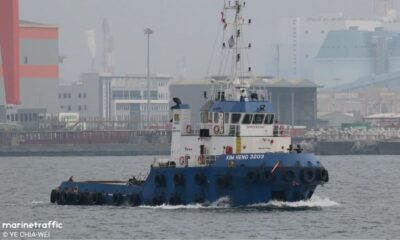
Singapore-flagged tugboat “Kim Heng 3203” placed under Sheriff’s arrest

US targets five bunker companies in latest sanctions campaign against Iran

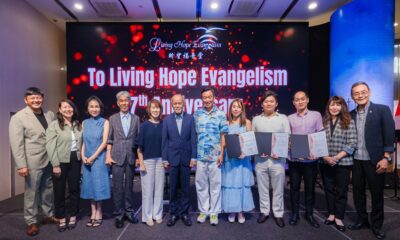
Singapore bunkering community supports Living Hope Evangelism’s 7th anniversary outreach for residents in need

China’s bunker market reshaped by tax rebates, trade flows and refining changes, says economist

Hengli Petrochemical’s ex-Singapore trading arm faces winding up application

Rajah & Tann: Bunker disputes are won in the first 48 hours

Report: GCMD outlines practical approach to quantity assurance in marine biofuel supply chains
-
 Vessel Arrest1 week ago
Singapore-flagged tugboat “Kim Heng 3203” placed under Sheriff’s arrest
-
 Sanctions2 weeks ago
US targets five bunker companies in latest sanctions campaign against Iran
-
 Events2 weeks ago
Singapore bunkering community supports Living Hope Evangelism’s 7th anniversary outreach for residents in need
-
 Interview1 week ago
China’s bunker market reshaped by tax rebates, trade flows and refining changes, says economist
-
 Winding up2 weeks ago
Hengli Petrochemical’s ex-Singapore trading arm faces winding up application
-
 Bunker Claim4 days ago
Rajah & Tann: Bunker disputes are won in the first 48 hours
-
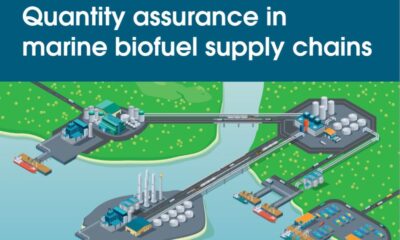 Biofuel1 week ago
Report: GCMD outlines practical approach to quantity assurance in marine biofuel supply chains
-
 Winding up2 weeks ago
Singapore: Notices of intended dividend issued for Ocean Bunkering Services, Hin Leong Marine