Connect with us

Environment

WFW: MI and SI proposed Carbon Tax – contractual considerations

While the solution to shipping’s decarbonisation challenges are varied, a common question is — “Who is going to pay the bill?” A carbon tax is one option, says the law firm.

Admin

Published

on

Screen Shot 2021 04 01 at 3.27.46 PM

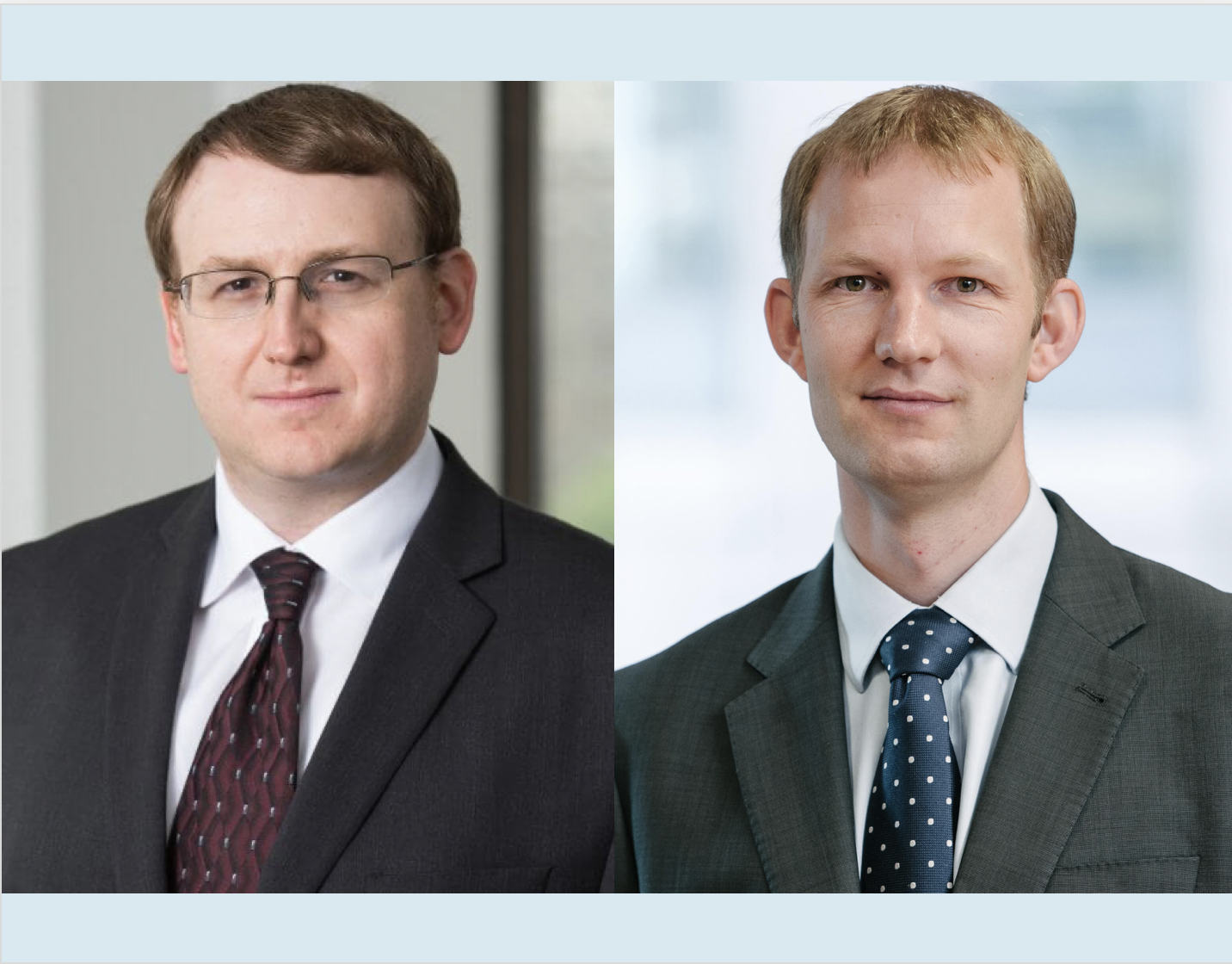
Daniel Pilarski and Richard Stephens Partner at International law firm Watson Farley & Williams, on Tuesday, 23 March published an article analysing the implications of a proposed carbon tax on ships by the Marshall Islands (MI) and Solomon Islands (SI):

The Marshall Islands and the Solomon Islands have proposed that the International Maritime Organization (“IMO”) impose a levy on carbon emissions by ships. The proposed levy would be imposed at a rate of US$100 per ton of carbon dioxide emitted, and would come into effect by 2025, with a potential increased rate over time. Although other carbon tax proposals have been made in the past (including a proposal by the IMO itself), the Marshall Islands and Solomon Islands proposal is notable in that it is a “country-led” carbon tax plan explicitly addressing shipping.

BACKGROUND: WHY A CARBON TAX?

In the past few years, the global shipping industry has been focused on transitioning to a more environmentally conscious model of fueling ships by reducing greenhouse gas emissions such as carbon dioxide, methane and nitrous oxide. As evidenced by our Environmental, Social and Governance (“ESG”) Survey: The Sustainability Imperative, reducing shipping’s carbon footprint is a top priority for the maritime industry. This follows on from the Poseidon Principles, which established a global framework for assessing and disclosing greenhouse gas emissions by ships.

The Marshall Islands and the Solomon Islands are low-lying island nations, particularly vulnerable to the rising of the ocean caused by global warming, and therefore have a strong vested interest in moves to limit greenhouse gases. The Marshall Islands’ participation is noteworthy, in that they are also home to the world’s third-largest shipping registry.

While the solution to the industry’s decarbonisation challenges are widespread and varied, a common question emerges — “Who is going to pay the bill?” A carbon tax is one option.

The IMO would be charged with collecting and disbursing the tax. The Marshall Islands and Solomon Islands have suggested that at least 51% of the tax revenue raised go toward climate change adaptation and mitigation costs, with the remainder going towards decarbonization research & development and administrative costs. How exactly the tax revenues would be disbursed will also remain to be seen.

It is also possible that the tax proposal could be tweaked in various ways. For example, the tax could be assessed not on all carbon emissions, but on all carbon emissions above a set standard, with a subsidy paid on ships whose emissions fall below the standard. The revenue effects could be made up by raising the rate of the tax above the target standard. Such a proposal would more sharply punish the worst polluting ships, while rewarding the cleanest. Taxes could also be imposed on other greenhouse gases, not just carbon. Nevertheless, the Marshall Islands and Solomon Islands proposal has effectively set a benchmark (US$100 per ton of carbon dioxide, implemented by the IMO, beginning in 2025) against which other proposals can be judged.

CONTRACTUAL CONSIDERATIONS 

The IMO would be charged with collecting and disbursing the tax. The Marshall Islands and Solomon Islands have suggested that at least 51% of the tax revenue raised go toward climate change adaptation and mitigation costs, with the remainder going towards decarbonization research & development and administrative costs. How exactly the tax revenues would be disbursed will also remain to be seen.

It is also possible that the tax proposal could be tweaked in various ways. For example, the tax could be assessed not on all carbon emissions, but on all carbon emissions above a set standard, with a subsidy paid on ships whose emissions fall below the standard. The revenue effects could be made up by raising the rate of the tax above the target standard. Such a proposal would more sharply punish the worst polluting ships, while rewarding the cleanest. Taxes could also be imposed on other greenhouse gases, not just carbon. Nevertheless, the Marshall Islands and Solomon Islands proposal has effectively set a benchmark (US$100 per ton of carbon dioxide, implemented by the IMO, beginning in 2025) against which other proposals can be judged.

It is arguable whether any new carbon tax would qualify as a “tax” for contractual purposes, unless a deliberately wide definition is included in the contract. A “tax” is traditionally defined as any mandatory contribution imposed by a governmental authority. It is not at all clear whether the IMO (which is a specialized agency of the United Nations) is a governmental authority for this purpose.

It is certainly possible that a standard tax provision in a charterparty could cover a future “carbon tax”, but if the parties wish to reduce ambiguity, it may be helpful to make clear in the agreement that any carbon tax (whatever that may be) is borne by the agreed party. It also may be important to balance specific language with enough broad qualifiers to cover alternatives to the current proposals. For example, if the agreement refers only to a “carbon” tax, but the tax is assessed on other greenhouse gases, a party may argue on technical grounds that the agreement does not cover such other taxes. These issues of expected but uncertain future rule changes have greater significance for long term contracts. That the charges are intended to drive behavioral change means they must have the potential to change significantly the economics of a charter agreement, and so cost allocation is a key issue. Additional questions involve the timing of the tax. For example, assuming the charterer has agreed to be responsible for the tax, if the tax is levied only after the time charter has terminated, should the expected tax be collected as part of charterhire (with a potential rebate for over-collection), or should it be collected only once it is assessed? Another question is which party should collect any subsidy for beating target emissions (if there is one).

CONCLUSION

The proposal by the Marshall Islands and Solomon Islands is potentially groundbreaking in its attempt to tax greenhouse gas emissions by the shipping industry. Although much uncertainty remains regarding the rollout of the tax, parties should consider carefully their current and future contracts to determine how a potential carbon tax may be dealt with.


Photo credit and source:
WFW
Published: 1 April, 2021


Continue Reading

Biofuel

China conducts first dedicated marine biofuel spill response drill in Tangshan

Exercise simulated a leak of 10 metric tonnes of biodiesel from a vessel experiencing a spill during cargo operations at a terminal.
Admin

Published

on

By

China conducts first dedicated marine biofuel spill response drill in Tangshan

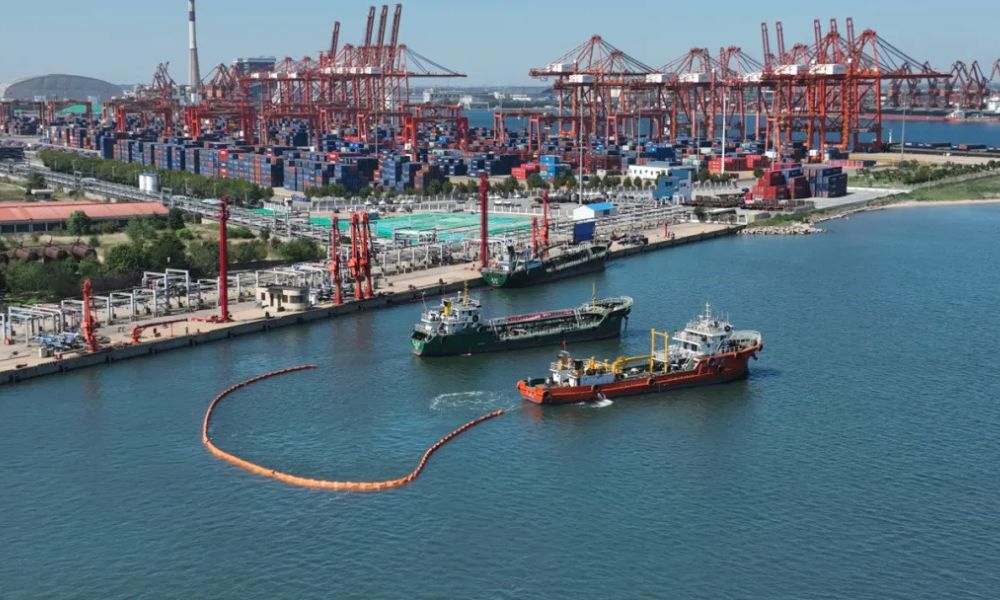
China’s Tangshan Maritime Safety Administration (MSA) on Thursday (10 September) conducted the country’s first dedicated emergency response exercise for a marine biofuel spill at Jingtang Port in Tangshan, Bohai Sea.

The “2026 Green Power Mission” exercise simulated a leak of 10 metric tonnes of biodiesel from a vessel experiencing a spill during cargo operations at a terminal. 

Following the incident report, the Tangshan MSA’s vessel traffic management centre activated its emergency response procedures, issued a navigation warning and established a traffic control area.

The maritime patrol vessel Haixun 04501 arrived at the scene to coordinate the response, involving a drone unit, an oil spill response vessel and terminal emergency personnel.

A drone equipped with fluorescence detection equipment was deployed to identify the contaminated area. Terminal personnel used oil recovery equipment, while response vessels deployed containment booms to limit the spread of the spill and spraying equipment to remove the surface oil film.

The exercise also trialled the use of 355-nanometre ultraviolet light combined with drone-mounted fluorescence detection equipment to locate biodiesel contamination.

The Tangshan MSA said unlike conventional fuel oil, biodiesel spill traces can be difficult to identify by eye under natural light. The fluorescence detection system can identify biodiesel’s characteristic fluorescence signal, enabling responders to determine the spill boundary and support subsequent containment and recovery operations.

While biodiesel is biodegradable and has a lower sulphur content than conventional fuel oil, its behaviour following a spill and the methods required to detect it differ from those used for conventional oil spills, the MSA said.

The exercise tested response procedures covering incident reporting, aerial monitoring, surface containment, spill recovery and residual pollution removal.

The Tangshan MSA said it will use the exercise to improve biofuel spill emergency response plans, specialist training and equipment development as part of its “Green Bohai Sea” initiative.

The authority will also strengthen pollution risk prevention and accident response capabilities for vessels using new and clean energy fuels, it said.


Photo credit: Tangshan Maritime Safety Administration
Published: 16 September, 2026

Continue Reading

Alternative Fuels

APPEC 2026: Panellists navigate maritime decarbonisation and alternative marine fuel strategies

Experts discuss maritime decarbonisation, emphasising global regulatory clarity, crew training, and collaborative strategies for adopting sustainable alternative marine fuels.
Admin

Published

on

By

IMG 9319 MT

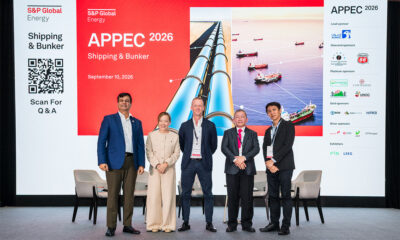
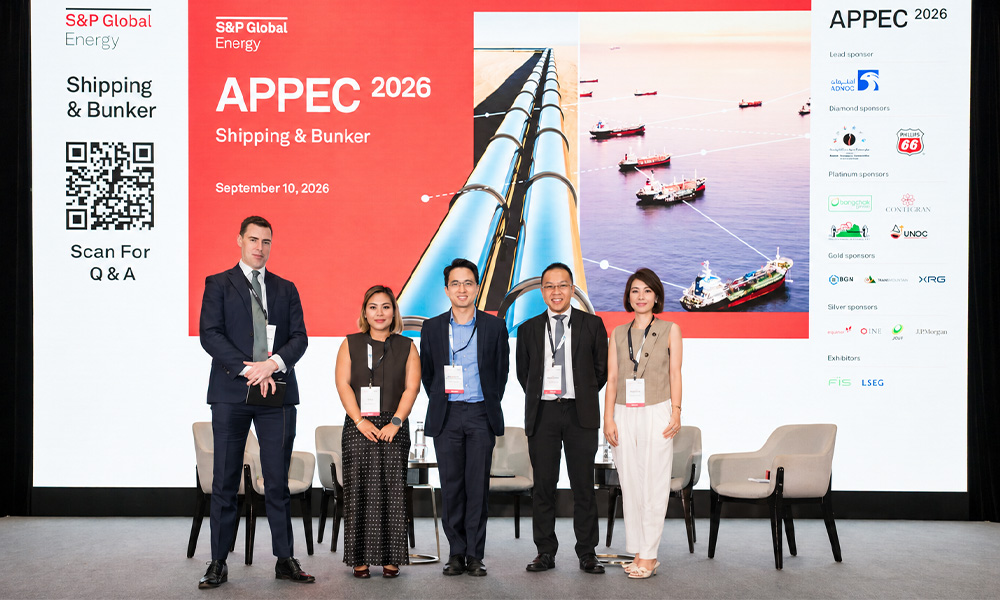
Panel members consisting of Singapore’s maritime and port regulator Maritime and Port Authority of Singapore (MPA), legal firm Rajah & Tann, bunker trading firm Sing Fuels, and the International Bunker Industry Association (IBIA) discussed the complexities of maritime decarbonisation at APPEC 2026 on Thursday (10 September).

The panel Balancing the Bunker Fuel Mix on the Path to Decarbonization moderated by John Morley, Global Director, Crude and Fuel Oil Markets, S&P Global Energy explored the complex landscape of maritime decarbonisation, sanctions fragmentation, and the transition to alternative marine fuels in Singapore.

Panellists broadly agree regulatory clarity – particularly from the International Maritime Organization (IMO) – is the single most critical enabler for large-scale investment, whilst highlighting regional fragmentation, crew competency gaps, and trade finance constraints pose significant near-term challenges.

Biofuels were seen as the most immediately scalable alternative marine fuel, with methanol and ammonia as longer-term prospects.

The following points were raised by panel members during discussion:

New Wei Siang, Director, Maritime Decarbonisation & Net-Zero Pathways, MPA, advocated for a global, IMO-led regulatory framework to guide shipping’s decarbonisation.

He believed regional patchwork regulations create unhelpful uncertainty, whereas a unified approach would be more helpful for long-term investment.

While acknowledging progress at recent IMO inter-sessional meetings held in September has been “slow but deliberate,” he remains focused on the upcoming MEPC 85 scheduled from November 30 to December 3, 2026.

To address the technical and safety challenges of new bunker fuels, he pointed out the MPA has established the Maritime Energy Training Facility (METF) to upskill crews on handling future marine fuels including methanol.

Furthermore, the MPA has launched ten green and digital shipping corridor partnerships to trial alternative fuels, exchange knowledge, and raise safety standards.

Mr New emphasised Singapore’s goal is to serve as a comprehensive maritime hub, balancing global regulatory engagement with practical, collaborative efforts to build competency for the future.

Nathanael Lin, Partner, Shipping & International Trade, Rajah & Tann Singapore, highlighted the significant legal and commercial challenges posed by regulatory fragmentation.

He argued regional environmental rules, such as those in the EU, force shipowners to make high-stakes gambles on trade routes and infrastructure until the IMO codifies standards into MARPOL Annex VI.

He also noted sanctions compliance has become dramatically more complex, with competing unilateral regimes replacing the previous era of UN consensus, creating immense operational risk for industry participants.

Furthermore, Mr Lin warned trade finance frameworks are currently ill-equipped to handle the complexities of blended alternative bunker fuels; he recommended banks to actively upskill their compliance functions to support the maritime energy transition.

Finally, he observed while claims regarding alternative marine fuels remained low due to the sophistication of early adopters, they will likely rise as adoption broadens. He also flagged the future migration of residual fuel demand as a critical, under-examined industry issue.

Juwita Setiawan, Trading Manager & New Fuels Lead, Sing Fuels, emphasised the energy transition has been making bunkering increasingly complex due to overlapping regulations.

She advocated for holistic voyage planning, where shipowners consider total emissions, costs, and marine fuel flexibility rather than evaluating port calls in isolation. She highlighted the critical role of high-quality data, fuel flexibility, including dual-fuel capabilities and fuel optimisation as essential tools for navigating the increasingly complex energy transition and supporting a practical pathway towards decarbonisation.

Regarding market structure, Ms Setiawan believed a symbiotic partnership between large integrated energy companies – which provide necessary capital and infrastructure – and agile, specialist suppliers is vital for success.

She identified biofuels and LNG as the most viable near-term maritime decarbonisation solutions, with methanol emerging as a mid-term option.

Ultimately, even though government incentives remain essential to help shipowners manage the high costs associated with adopting greener bunker fuels, regulatory clarity is the single most important factor to simplify market trading.

Looking ahead, she believes three things need to happen over the next three years:

  1. Clear and stable regulation – Shipowners and fuel suppliers need regulatory certainty and confidence to make long-term investments.
  2. Scale in supply and infrastructure – The industry needs to move beyond pilot projects towards reliable volumes, competitive pricing and stronger infrastructure across major bunkering hubs.
  3. Greater confidence in the fuels themselves – Common standards, proven technologies and reliable fuel performance will be essential to building trust and accelerating adoption.

“At Sing Fuels, we believe the transition is not about choosing one fuel for every vessel. It is about optimising the right fuel, at the right place, at the right cost, with the right emissions outcome – while keeping operational realities at the centre of the decision.

Siti Noraini Zaini, Regional Manager, Asia, IBIA, identified energy security and decarbonisation as objectives that need not be competing, noting that when energy security is under pressure, the immediate focus naturally shifts towards availability, reliability and affordability.

Over the longer term, however, a diversified marine fuel mix ultimately enhances industry resilience.

She stressed low carbon fuels alone is insufficient; shipowners need confidence that fuels will be available to meet the demand, where they are needed and at commercially manageable prices.

A critical focus for Ms Siti is the parallel development of standards. She warned the industry could not wait for the market to mature before establishing protocols. Standards for fuel quality measurement, green bunkering procedures, safety, and crew competency must be developed alongside the fuels themselves.

Looking ahead, she identified the upcoming MEPC 85 meeting as the industry’s primary regulatory watchpoint. Achieving clarity at the meeting is essential to enable the safe, financed, and commercially viable bunkering of new marine fuels, ensuring shipping’s decarbonisation transition remains both practical and sustainable.


Photo credit: S&P Global
Published: 14 September 2026

Continue Reading

Methanol

GENA Solutions: Total renewable and low-carbon methanol project pipeline increases from 61.8 to 62.2 Mt by 2032

Information shared by MI – the Global Methanol Alliance meant to assist the maritime industry in the adoption of methanol as a mainstream marine fuel heading into IMO 2030/2050.
Admin

Published

on

By

28 1

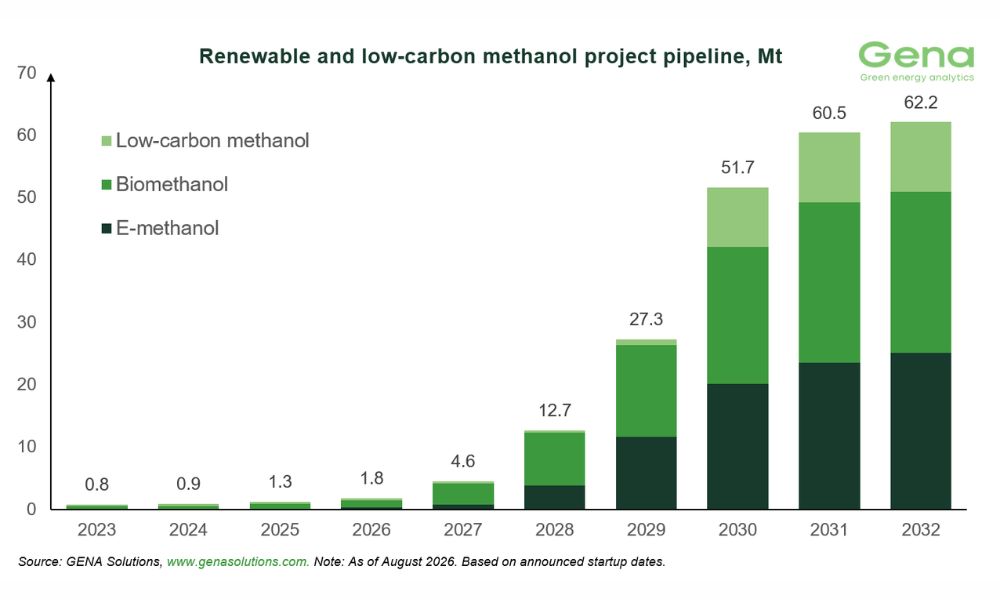
MI – the Global Methanol Alliance recently shared with Manifold Times the renewable and low-carbon methanol project pipeline August 2026 release produced by GENA Solutions Oy.

Information from the release is meant to provide the bunkering publication’s readers with insight on renewable methanol availability, and to assist the maritime industry in the adoption of methanol as a mainstream marine fuel heading into IMO 2030/2050.

Key takeaways from GENA’s August 2026 Methanol release are as follows:

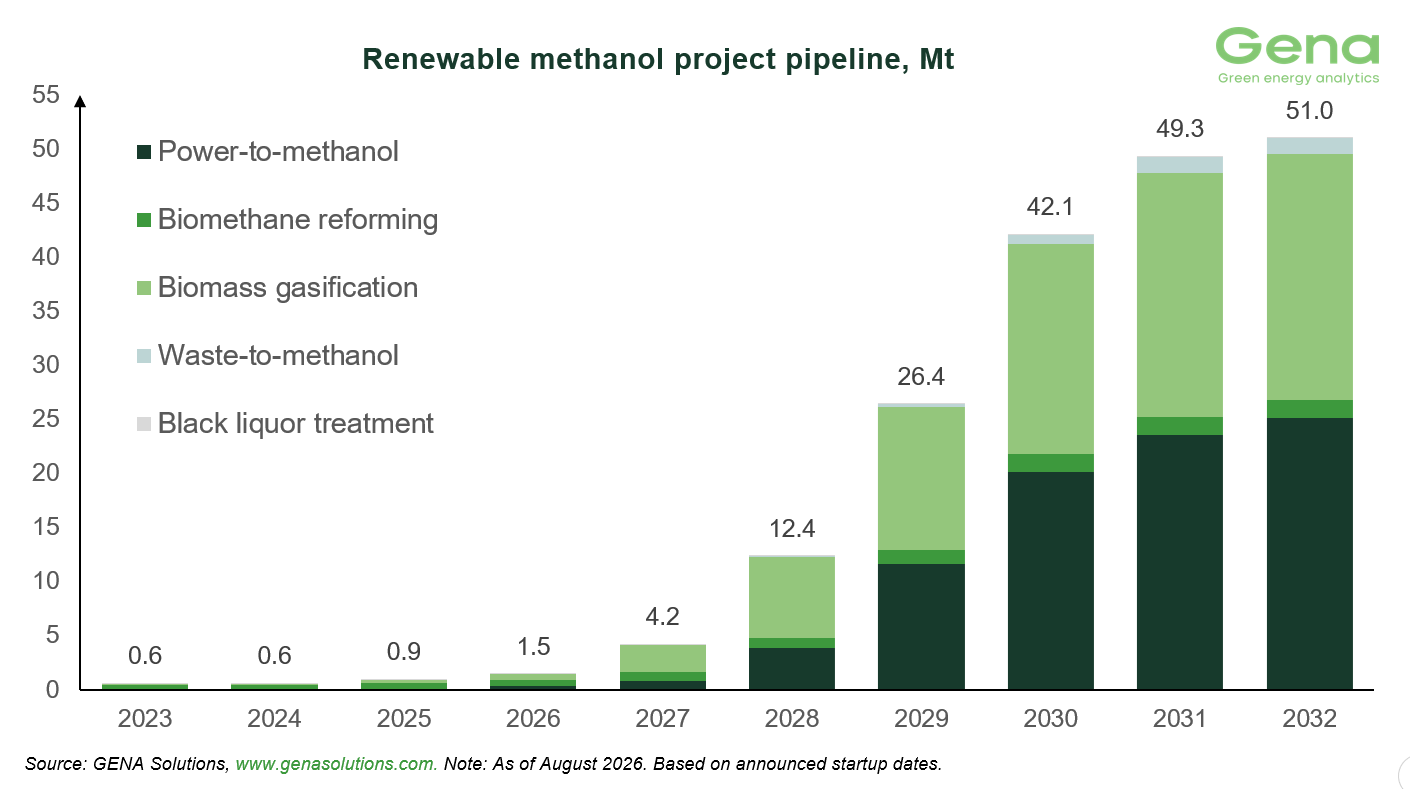
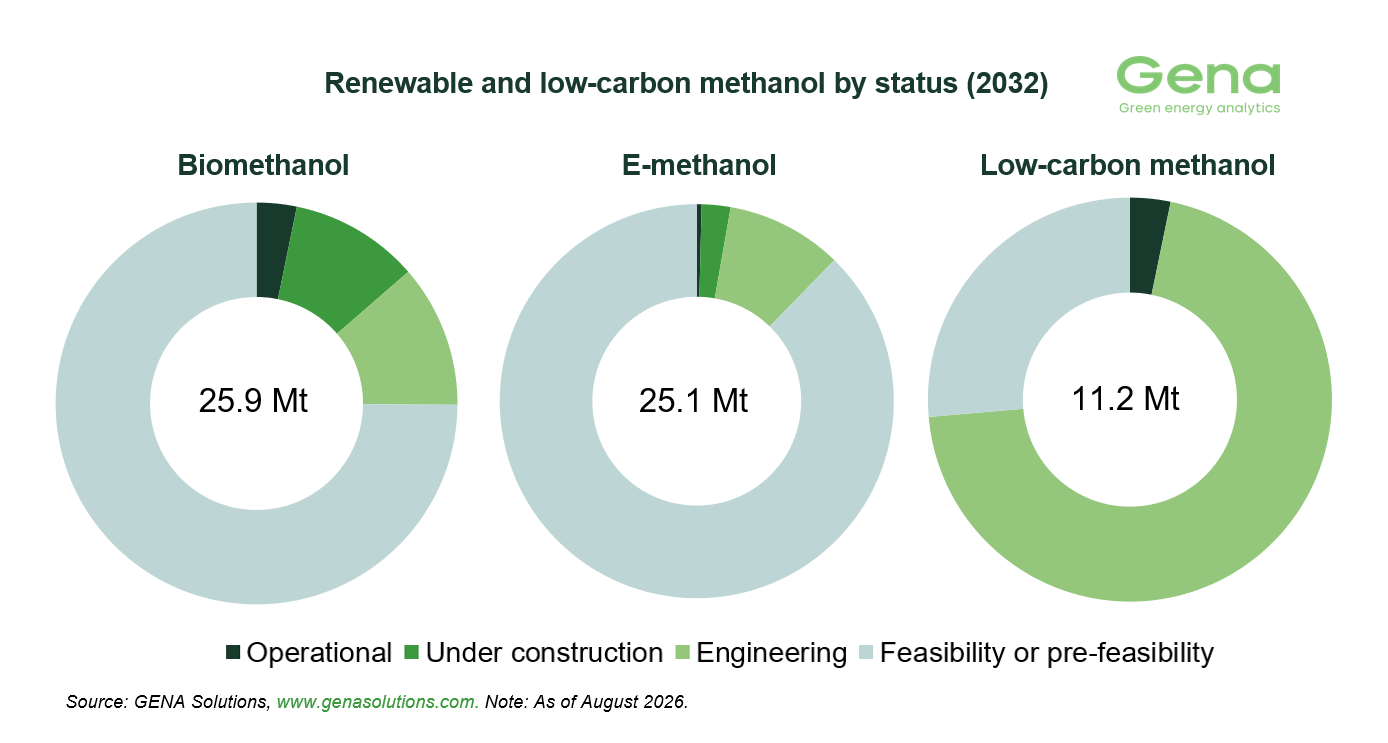
  • As of the end of August 2026, GENA tracks 286 renewable and low carbon methanol projects, representing 62.2 Mt of capacity by 2032. This includes 25.1 Mt of e-methanol, 25.9 Mt of biomethanol, and 11.2 Mt of low carbon methanol capacity.
  • Two new projects were added to Project Navigator last month, while one frozen project was excluded. The project pipeline increased by 0.4 Mt month on month.
  • Four new offtake agreements were registered during August, including two biomethanol and two e-methanol agreements.
  • About 8% of the cumulative renewable methanol project pipeline capacity has reached FID so far, with another 11% at the FEED stage.
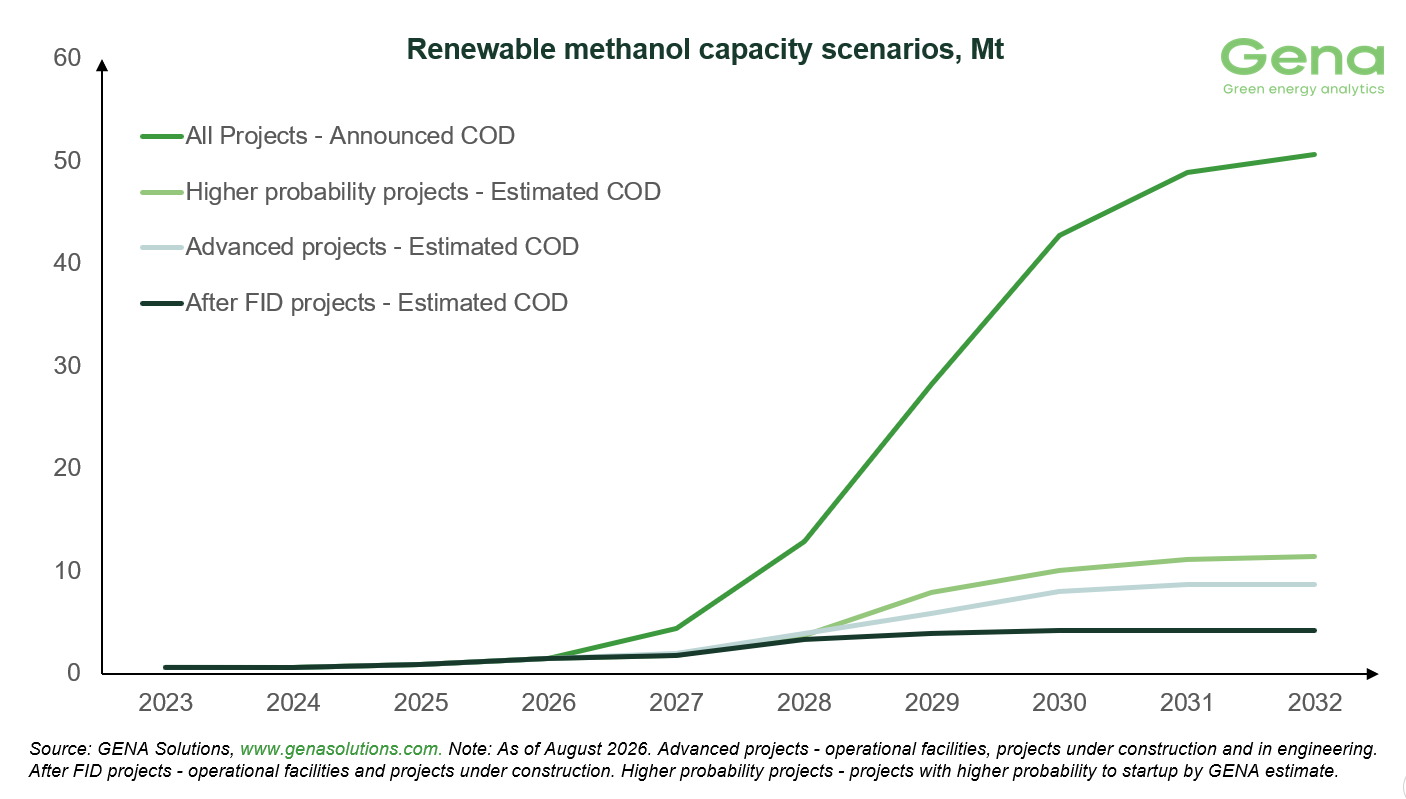
  • Considering the current uncertainty around regulatory developments and demand growth, GENA projects that renewable methanol capacity could reach 6 Mt to 12 Mt by 2031.

Note: The full article can be viewed here.
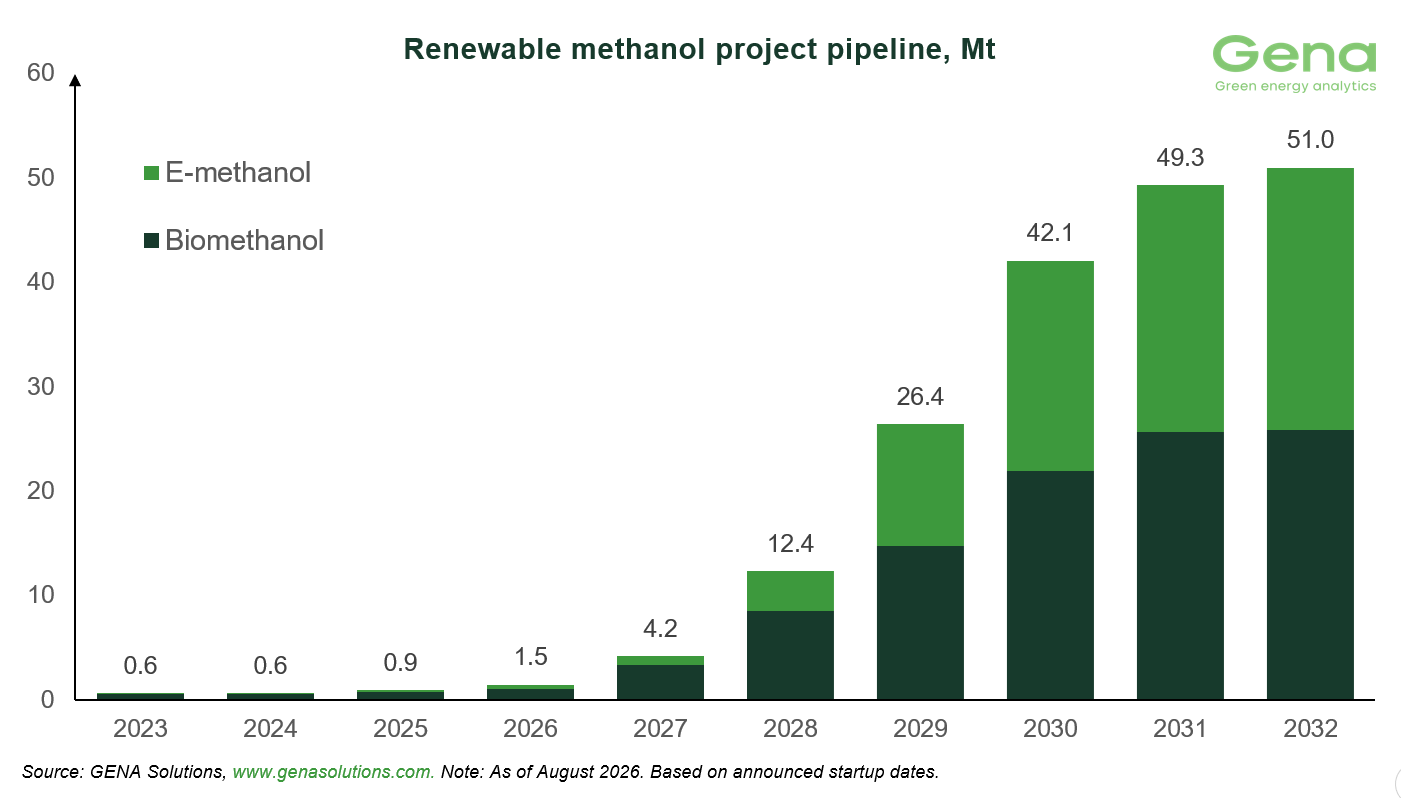
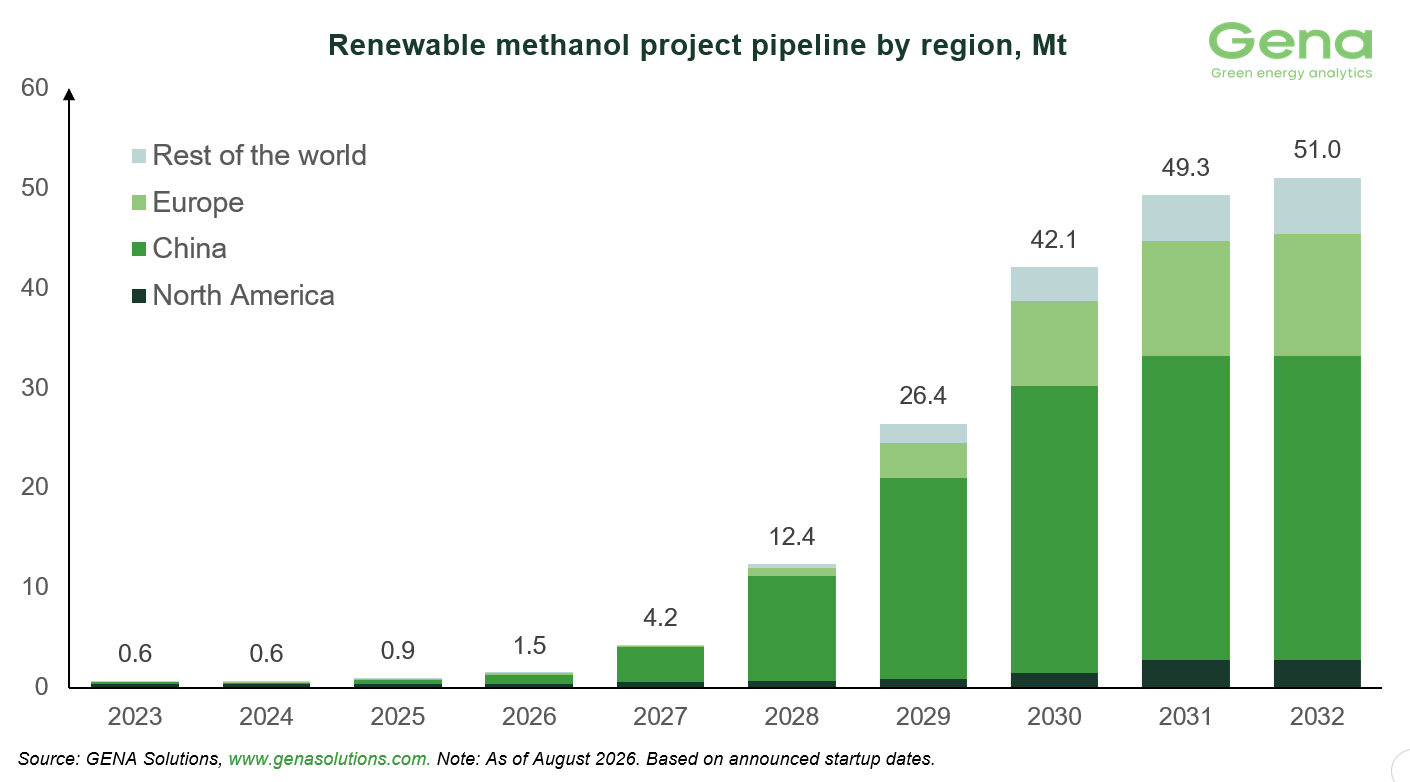
Renewable methanol project pipeline 4 Renewable methanol by feedstock 8 Renewable methanol by region 7 Project pipeline by status Methanol capacity scenarios


Photo credit: GENA Solutions
Published: 4 September, 2026

Continue Reading

Trending