
Alternative Fuels
Tufton and GoodFuels complete marine biofuel voyage from North Europe to Canada
Sustainable biofuel acquired from feedstocks such as used cooking oil and waste animal fats, was used on board the 20,762 dwt chemical tanker Monax.

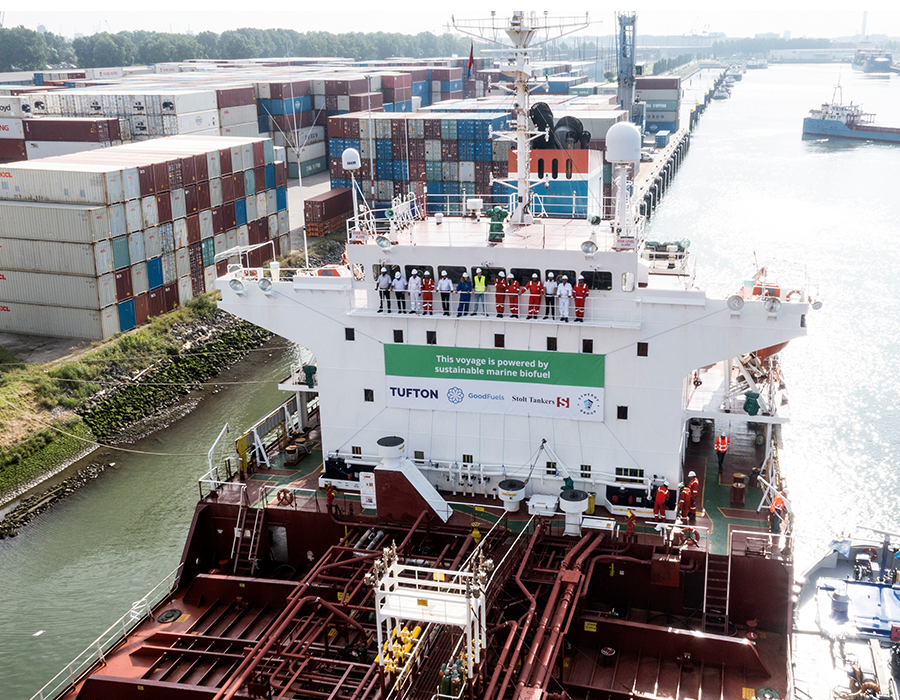
Marine biofuels supplier GoodFuels on Tuesday (21 September) said it has completed a voyage using 100% sustainable marine biofuel in partnership with shipping investment firm Tufton, together with Stolt Tankers and the technical managers Synergy Group.
The sustainable biofuel, derived from feedstocks such as used cooking oil and waste animal fats, was used on board the 20,762 DWT chemical tanker Monax on its voyage from North Europe to Canada.
Delivering a well-to-exhaust CO2 reduction of between 80% and 90% compared to fossil fuel equivalents, without requiring modifications to the engine or the fuel infrastructure, it says.
Monax is one of the seven Tufton vessels that operate under the Stolt Tankers Joint Service (STJS) Deep-Sea Fleet pool.
The use of this biofuel is in line with both Tufton’s and Stolt Tankers’ ambition to significantly reduce the carbon emissions from their combined fleets. As part of the pooling arrangement, both organisations have also agreed to partner on sustainability and environmental projects, including this biofuel testing programme.
Andrew Hampson, Chief Executive Officer at Tufton, said: “I am pleased to see the positive results of the biofuel powered voyage. Tufton is committed to increasing the use of zero emission fuels in commercial operation over time as a step towards transitioning the portfolio fully to zero-carbon energy sources by 2050.”
Bart Hellings, Chief Operating Officer at GoodFuels, comments: “As a market leader and pioneer, supplying a credible sustainable solution to Tufton demonstrates how our sustainable marine biofuels can unlock an immediate decarbonisation impact, while also supporting the wider shipping industry to meet its environmental regulatory targets. The time for action on shipping’s carbon emissions is now, and Tufton is joining the ranks of our marine biofuel pioneers committed to sustainability.”
Lucas Vos, President, Stolt Tankers notes: “It’s great to see the positive results of the biofuel trial and I am pleased that Stolt Tankers and Tufton have taken the first step in our mutual commitment to protecting the environment.”
“We are committed to working with our partners to explore new technologies as the industry moves towards a carbon-neutral future while continuing to provide customers with the highest levels of quality and safety that they expect from us.”
Monax is managed by Synergy Group, managing team and onboard crew ensured continuous operational safety and optimal performance during the trial.
Captain Rajesh Unni, Founder & CEO of Synergy Group, one of the world’s leading ship managers, explains: “This project enabled us to deploy our full range of technical expertise and also demonstrated that a cleaner shipping industry is both feasible and achievable, even in the short-term. Biofuels have a vital role to play in decarbonising shipping as we establish ourselves as a truly sustainable industry.”

Photo credit: GoodFuels
Published: 22 September, 2021
Alternative Fuels
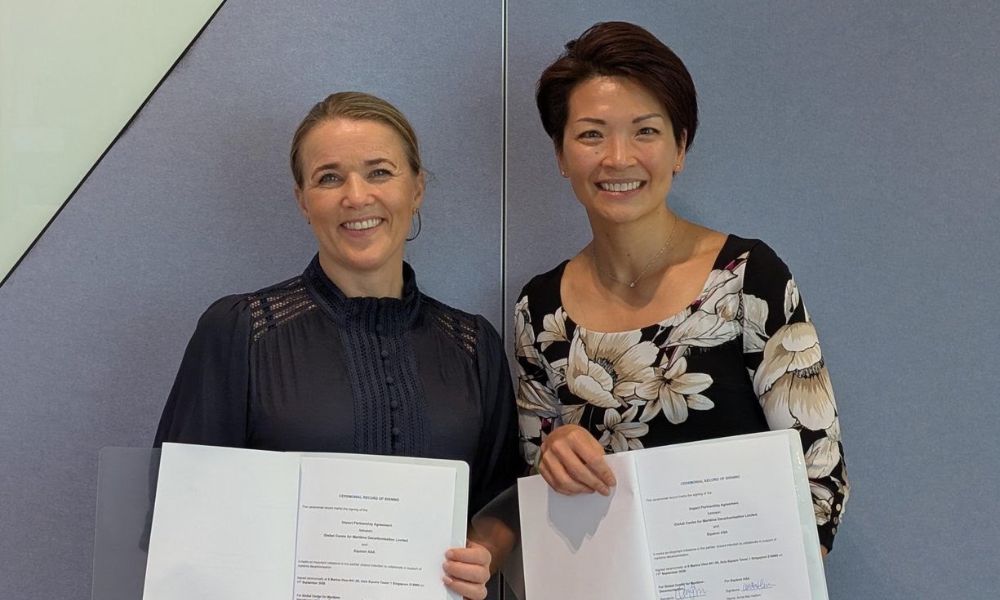
GCMD, Equinor to combine expertise on alternative bunker fuels, decarbonisation solutions
Equinor brings extensive experience to partnership as a vessel charterer and marine fuel supplier, including chartering dual-fuel LNG and methanol tankers, testing biofuels and supplying methanol.
Decarbonisation
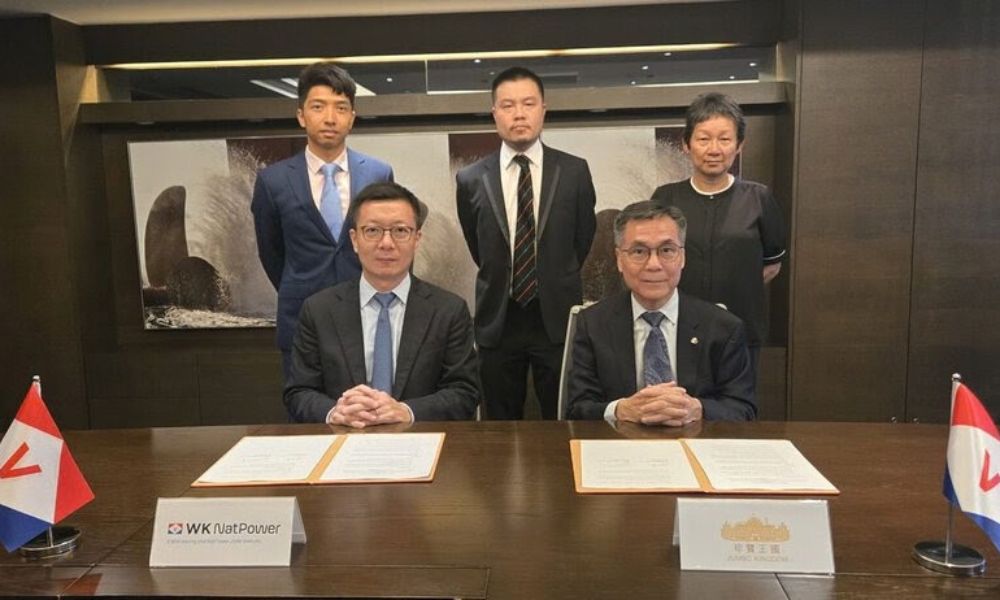
Wah Kwong NatPower, AREL partner on maritime electrification in Hong Kong
Collaboration will examine opportunities to deploy shore power facilities, vessel charging infrastructure and battery energy storage solutions, alongside the development of electric vessels.
Ammonia
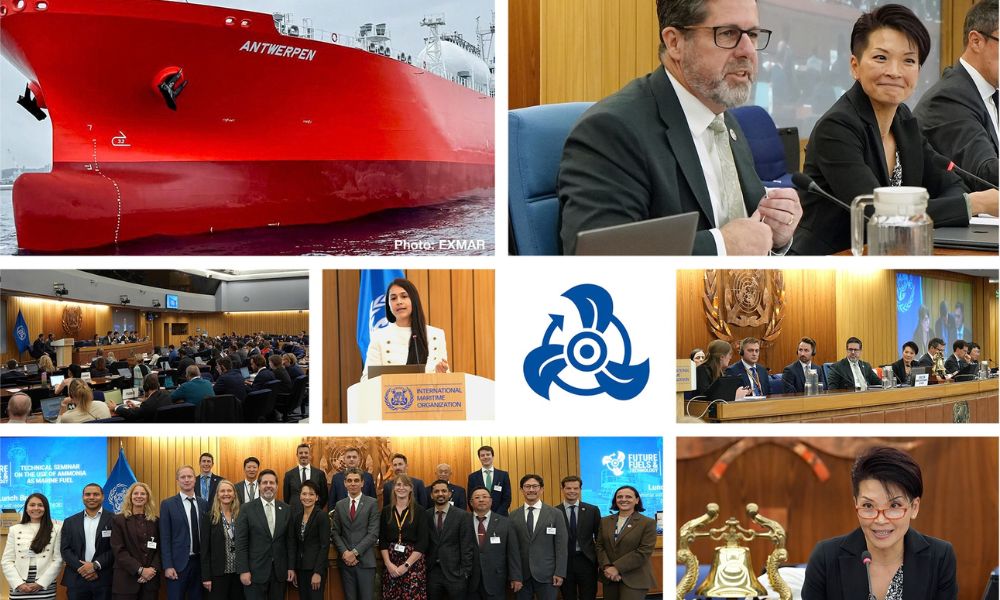
IMO technical seminar examines ammonia bunkering and infrastructure
Around 800 participants exchanged technical information and experiences on the potential use of ammonia as a marine fuel, including developments in production and bunkering and infrastructure.

OUR INDUSTRY PARTNERS

MPA: 25 crew rescued after abandoning “MSC HERMES III” east of Vietnam

GCMD, Equinor to combine expertise on alternative bunker fuels, decarbonisation solutions

Wah Kwong NatPower, AREL partner on maritime electrification in Hong Kong

IMO technical seminar examines ammonia bunkering and infrastructure

Spring Marine to expand use of Sulnox Eco with four-year supply agreement

PortXchange: Rotterdam bunker volume shift offers warning as Spain adopts fuel law

ENGINE: East of Suez Fuel Availability Outlook (22 Sep 2026)

Singapore: Marine fuel testing firm CCIC Singapore faces winding up application

Peninsula confirms one fatality, crew member missing from bunker tanker “Hercules Star”

Singapore: MPA working with industry on next phase of digital bunkering, says Deputy CE

Amogy and LOTTE Fine Chemical to explore ammonia bunkering in South Korea

High Court of Singapore issues winding up order against Hengli Petrochemical International

APPEC 2026: Digitalisation in bunkering not merely a ‘paper-to-screen’ swap, states panellists

Polaris Shipping orders WinGD engines capable of running on methanol, ethanol
-
 Winding up1 week ago
Singapore: Marine fuel testing firm CCIC Singapore faces winding up application
-
 Incident2 weeks ago
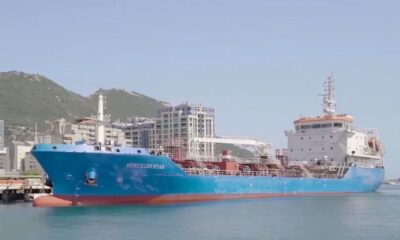
Peninsula confirms one fatality, crew member missing from bunker tanker “Hercules Star”
-
 Technology2 weeks ago
Singapore: MPA working with industry on next phase of digital bunkering, says Deputy CE
-
 Ammonia2 weeks ago
Amogy and LOTTE Fine Chemical to explore ammonia bunkering in South Korea
-
 Winding up1 week ago
High Court of Singapore issues winding up order against Hengli Petrochemical International
-
 Technology1 week ago
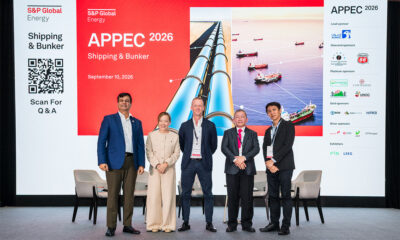
APPEC 2026: Digitalisation in bunkering not merely a ‘paper-to-screen’ swap, states panellists
-
 Engine2 weeks ago
Polaris Shipping orders WinGD engines capable of running on methanol, ethanol
-
 Financial Result2 weeks ago
Singapore-based Uni-Fuels H1 2026 net income jumps 1,415% to USD 1.4 million