
Technology
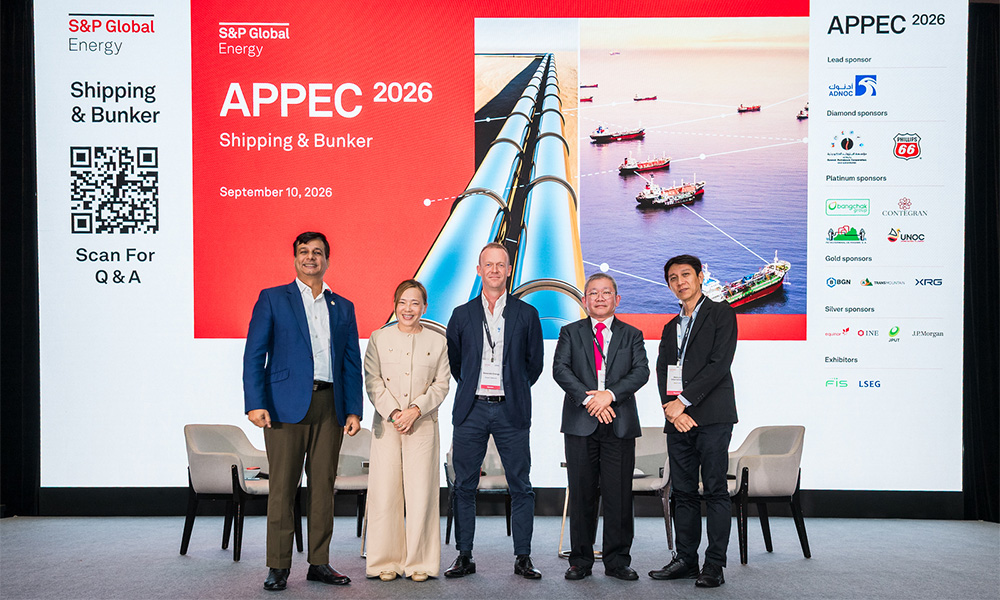
APPEC 2026: Digitalisation in bunkering not merely a ‘paper-to-screen’ swap, states panellists
Panel members discuss how digitalising bunkering enhances transparency and trust, though human relationships and data governance remain essential for success.

Wind-assisted
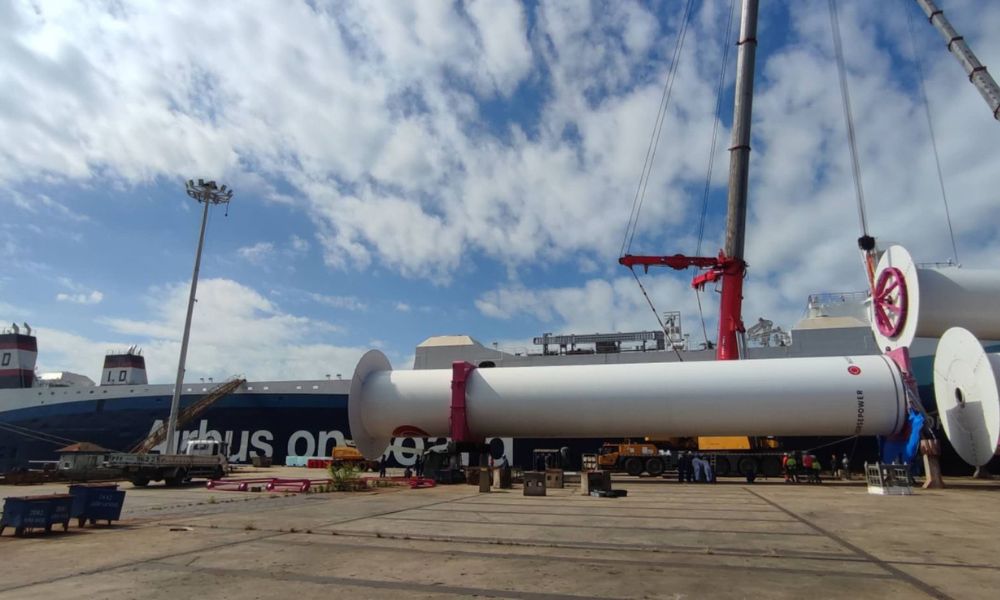
LDA’s methanol-powered “Spirit of Toulouse” gets Norsepower rotor sail in Shanghai
Now in Shanghai, the installation of the vessel’s innovative wind-assisted propulsion system has begun with the fitting of the first of its six 35-metre-high rotors.
Ammonia
Amogy and LOTTE Fine Chemical to explore ammonia bunkering in South Korea
Under a MoU, both will explore supplying ammonia to vessels equipped with Amogy’s Ammonia-to-Power technology, leveraging LFC’s ammonia terminal at Ulsan Port and ship-bunkering capabilities.

Engine
Polaris Shipping orders WinGD engines capable of running on methanol, ethanol
Ability to operate on either fuel gives Polaris Shipping greater flexibility to respond to changes in fuel availability, pricing and regulatory requirements over the vessels’ operating lives.


OUR INDUSTRY PARTNERS

APPEC 2026: Digitalisation in bunkering not merely a ‘paper-to-screen’ swap, states panellists

APPEC 2026: Panellists navigate maritime decarbonisation and alternative marine fuel strategies

High Court of Singapore issues winding up order against Hengli Petrochemical International

Goldwind green methanol facility completes trial production, ships first 500 mt

LDA’s methanol-powered “Spirit of Toulouse” gets Norsepower rotor sail in Shanghai

Tenerife achieves first truck-to-ship LNG bunkering operation

IMO technical seminar to focus on ammonia production, bunkering and safety

Rajah & Tann: Bunker disputes are won in the first 48 hours

Malaysia: MMEA detains two vessels over suspected illegal ship-to-ship transfer off Johor

Singapore strengthens LNG bunkering framework with new SS 727 standard

Yang Ming orders six LNG dual-fuel, ammonia-ready containerships from Hanwha Ocean

Ahti Climate and DNV connect verified emissions data to FuelEU pooling platform

TFG Marine advances global MFM rollout with two US Gulf bunker barges

Auramarine: Marine fuel flexibility will be key to shipping’s energy transition
-
 Bunker Claim2 weeks ago
Rajah & Tann: Bunker disputes are won in the first 48 hours
-
 Vessel Arrest2 weeks ago
Malaysia: MMEA detains two vessels over suspected illegal ship-to-ship transfer off Johor
-
 LNG Bunkering2 weeks ago
Singapore strengthens LNG bunkering framework with new SS 727 standard
-
 Alternative Fuels1 week ago
Yang Ming orders six LNG dual-fuel, ammonia-ready containerships from Hanwha Ocean
-
 FuelEU2 weeks ago
Ahti Climate and DNV connect verified emissions data to FuelEU pooling platform
-
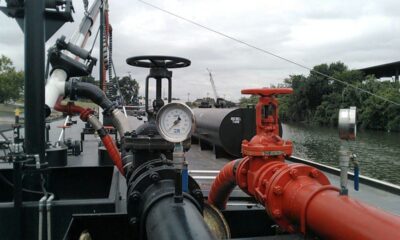 Mass Flowmeter1 week ago
TFG Marine advances global MFM rollout with two US Gulf bunker barges
-
 Alternative Fuels1 week ago
Auramarine: Marine fuel flexibility will be key to shipping’s energy transition
-

 Bunker Fuel Availability2 weeks ago
ENGINE: Europe & Africa Fuel Availability Outlook (2 Sep 2026)