
Port & Regulatory
DNV on IMO MEPC 84: Revisiting Net‑Zero Framework
Highlights of IMO’s MEPC 84 include extensive discussions on framework, and agreement to further consider adjustments to ensure consensus as well as adopted amendments to MARPOL Annex VI.

Biofuel
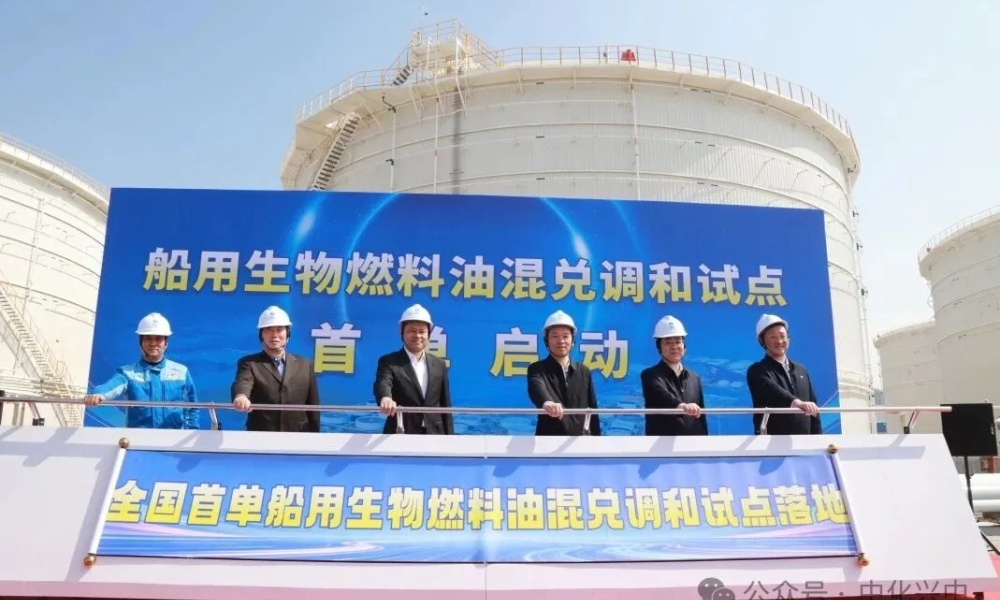
Petrochina International blends over 30,000 mt of marine biofuel since March
Company has been developing marine biofuel blending operations at China (Zhejiang) Pilot Free Trade Zone, leveraging storage and logistics facilities at its Aoshan base.
Ammonia
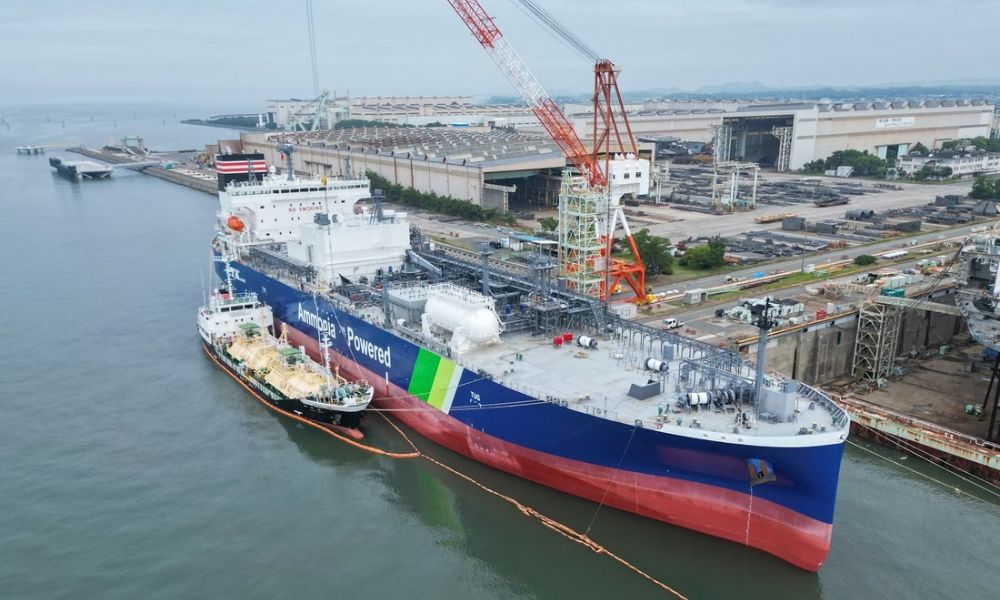
NYK wraps up first STS ammonia bunkering operation in Japan
Ammonia fuel was transferred from the ammonia carrier “Shoei Maru” via the STS method to an ammonia-fuelled medium gas carrier, scheduled for delivery in November 2026.
Ammonia
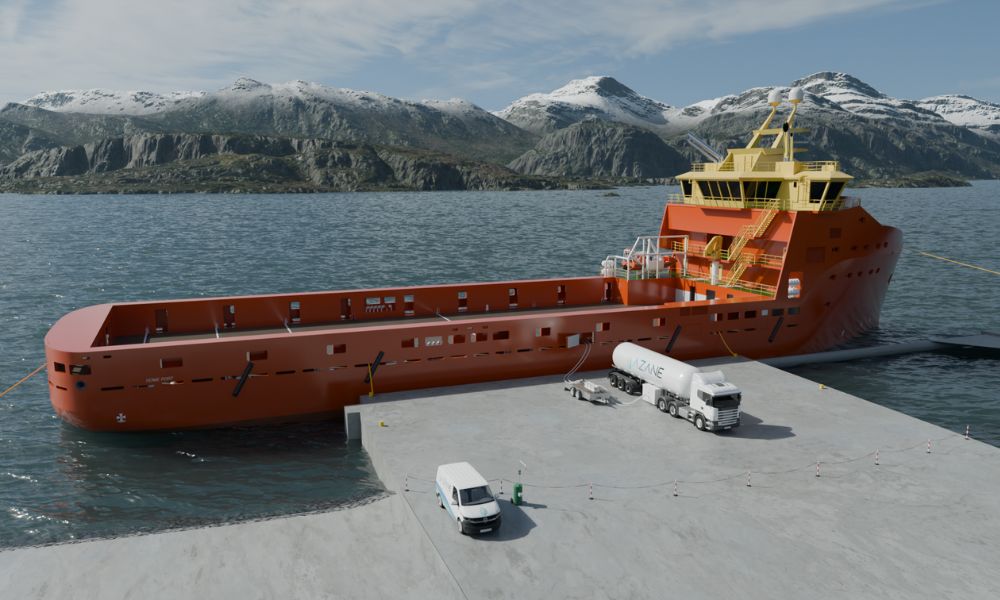
Azane secures ammonia bunker fuel supply from Yara
Yara will supply ammonia to Azane through its established production and logistics network, and Azane will sell the ammonia to end clients in the maritime fuel market.

OUR INDUSTRY PARTNERS

Petrochina International blends over 30,000 mt of marine biofuel since March

Singapore: Final general meetings scheduled for Dromond Shipping, related firms

NYK wraps up first STS ammonia bunkering operation in Japan

Azane secures ammonia bunker fuel supply from Yara

Moeve launches construction of green hydrogen project to support marine fuels

DNV: How ethanol is expanding shipping’s fuel choices

World Fuel founder Michael J. Kasbar to step down as Executive Chairman

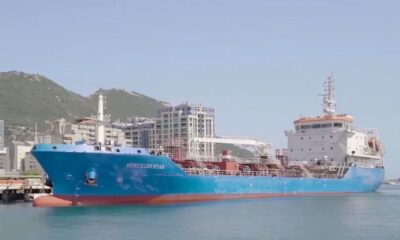
Peninsula confirms one fatality, crew member missing from bunker tanker “Hercules Star”

Singapore: Marine fuel testing firm CCIC Singapore faces winding up application

Singapore: MPA working with industry on next phase of digital bunkering, says Deputy CE

Amogy and LOTTE Fine Chemical to explore ammonia bunkering in South Korea

Kongsberg Maritime to buy Finnish marine propulsion designer Steerprop

High Court of Singapore issues winding up order against Hengli Petrochemical International

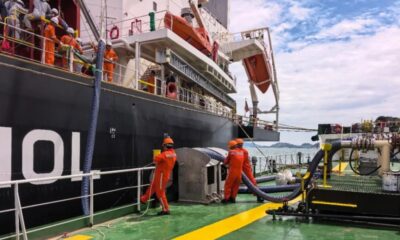
China: Guangzhou completes first bio-methanol STS bunkering operation
-
 Incident2 weeks ago
Peninsula confirms one fatality, crew member missing from bunker tanker “Hercules Star”
-
 Winding up6 days ago
Singapore: Marine fuel testing firm CCIC Singapore faces winding up application
-
 Technology2 weeks ago
Singapore: MPA working with industry on next phase of digital bunkering, says Deputy CE
-
 Ammonia1 week ago
Amogy and LOTTE Fine Chemical to explore ammonia bunkering in South Korea
-
 Business2 weeks ago
Kongsberg Maritime to buy Finnish marine propulsion designer Steerprop
-
 Winding up1 week ago
High Court of Singapore issues winding up order against Hengli Petrochemical International
-
 Alternative Fuels2 weeks ago
China: Guangzhou completes first bio-methanol STS bunkering operation
-

 Engine1 week ago
Polaris Shipping orders WinGD engines capable of running on methanol, ethanol