
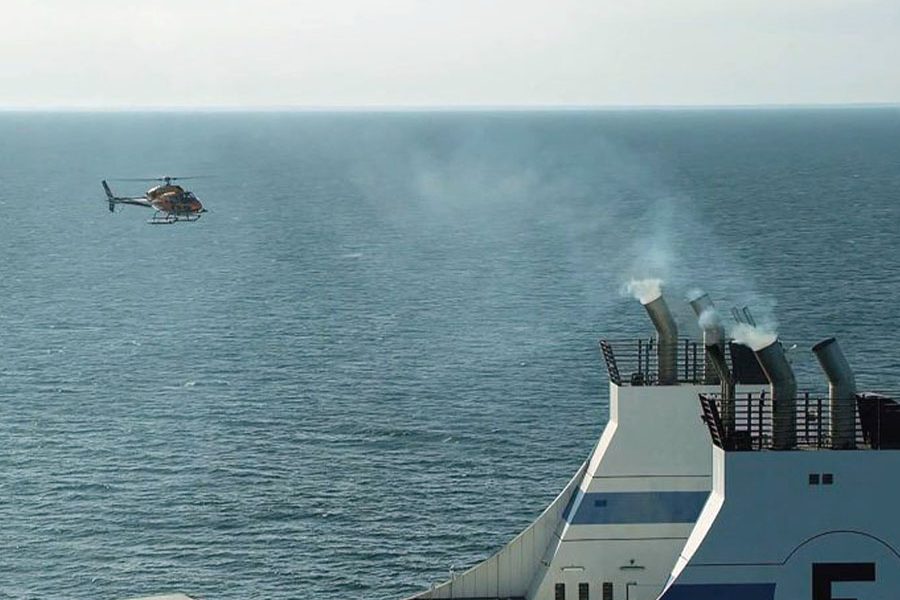

Project will examine and quantify methane emissions from ships fuelled by LNG under a variety of real-world operating conditions at a scale never before achieved.
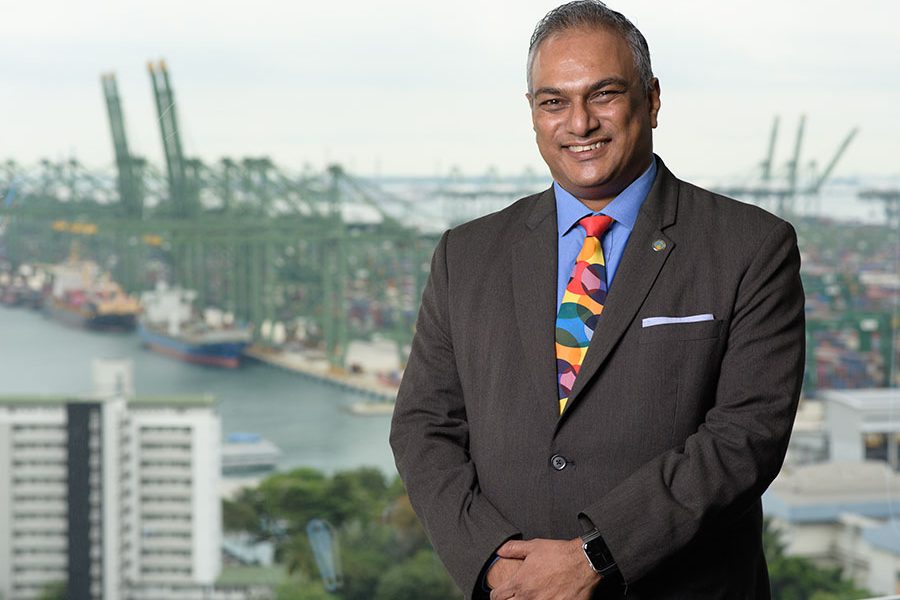

‘It makes absolute sense for Singapore to secure an early seat within the green economy in order to ready itself as a node for the green...



Progress made on developing draft lifecycle GHG and carbon intensity guidelines for marine fuels and assessment of impacts of GHG measures, says IMO.
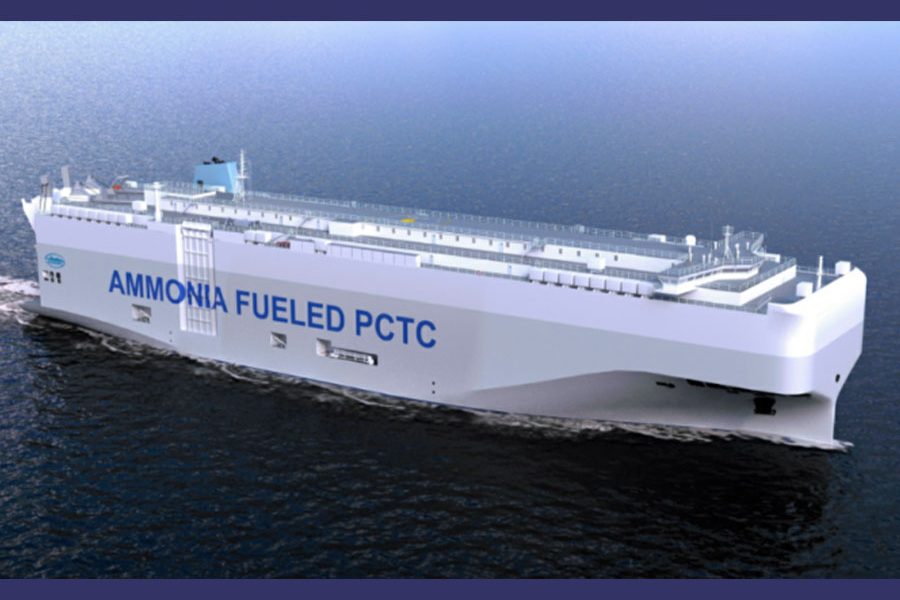

‘Urgent need’ for low- and zero-carbon alternative bunker fuels in shipping and shipbuilding sectors, observes China State Shipbuilding Corporation.
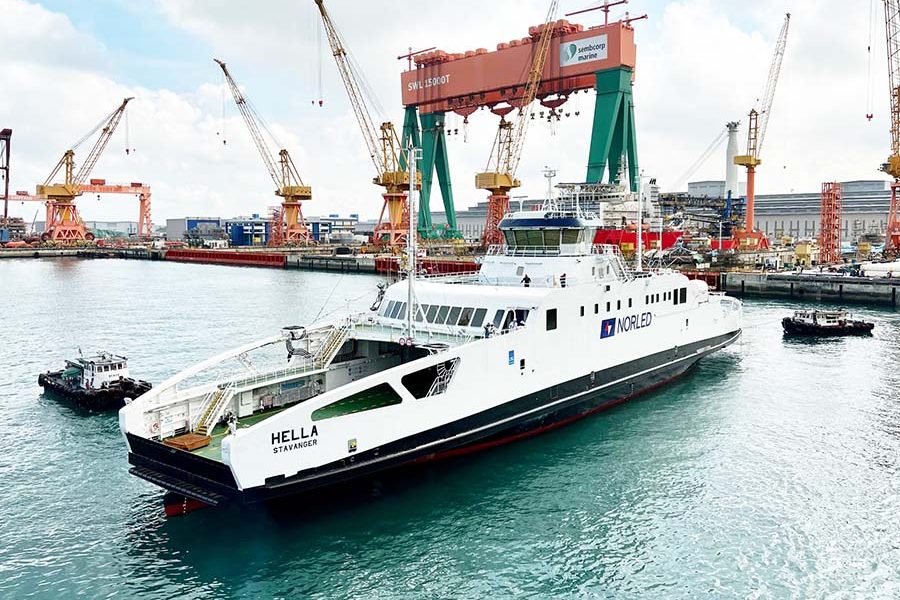

Proprietary design and construction of zero-emission Ropax ferries marks Sembcorp Marine’s entry into the Ropax niche market, it says.
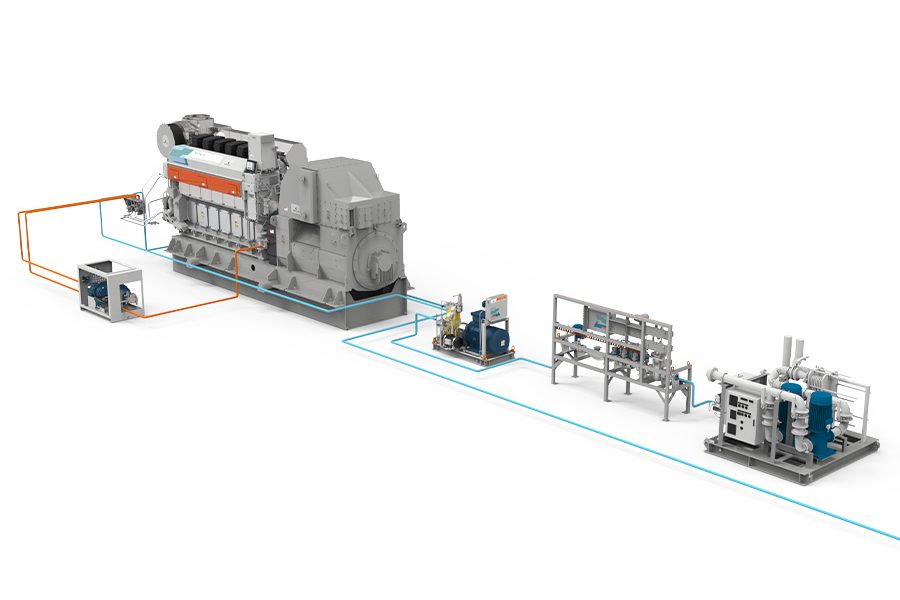

MethanolPac will gain first reference alongside debut installation of the Wärtsilä 32 Methanol engine, on a Van Oord wind turbine installation vessel.
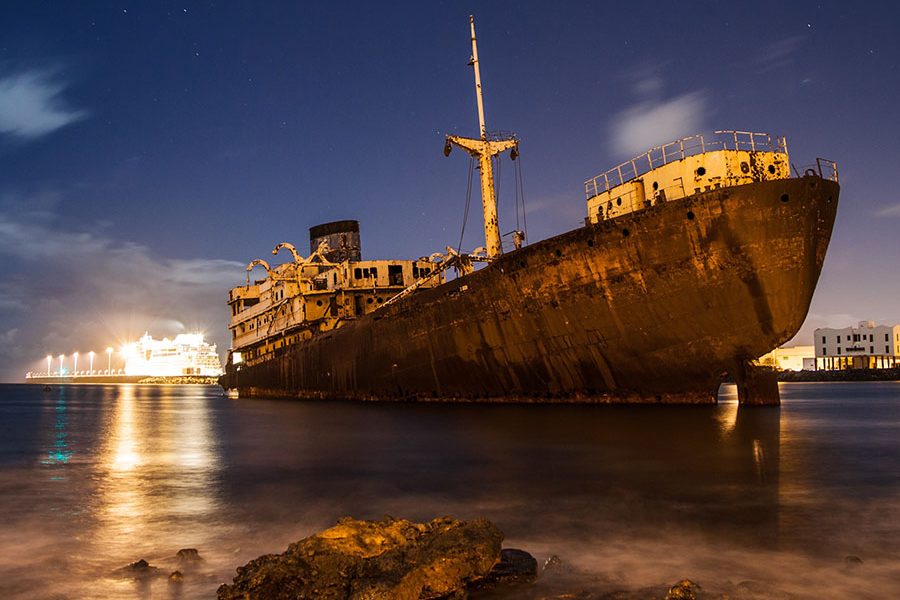

100% biodiesel can hold 15 to 25 times more water compared with 100% diesel fuel, according to Pierre Poitras, Technical Consultant at Conidia Bioscience.
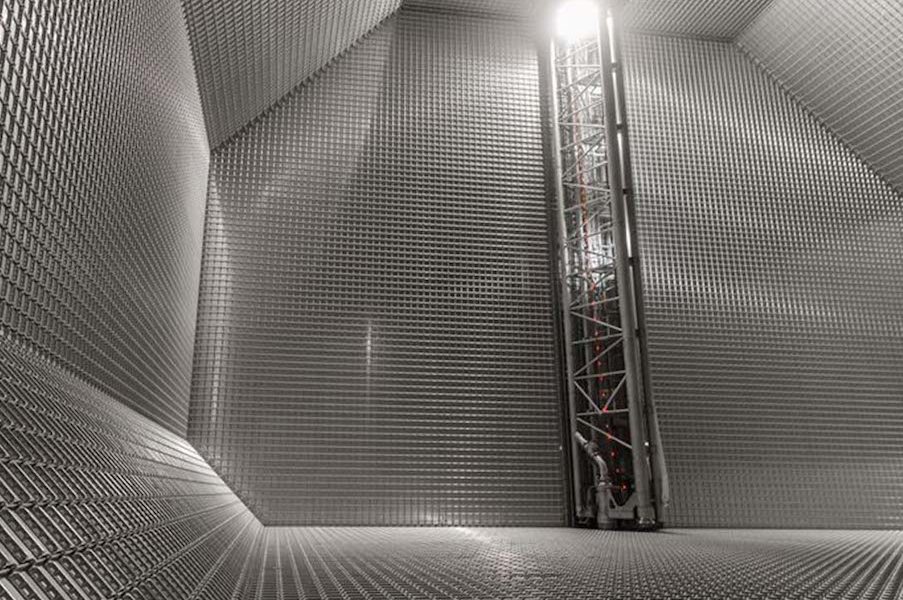

LNG bunker fuel tanks will include unique features to facilitate a potential conversion of these vessels to use ammonia as a marine fuel.
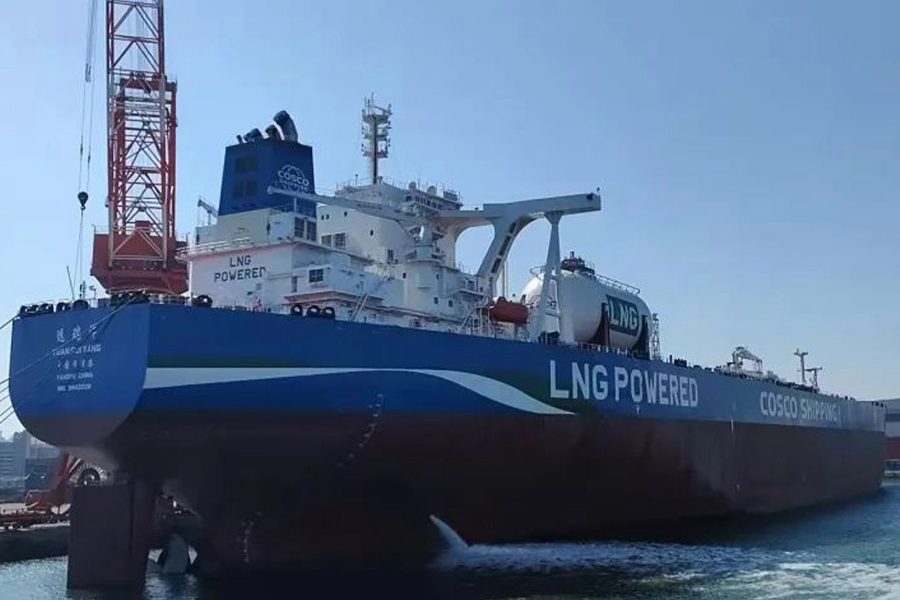

Delivery of LNG DF VLCC marks COSCO SHIPPING being at the forefront in the application of green, environmental protection and energy-saving technologies, says firm.



Maersk, Keppel O&M, Sumitomo, Yara, Maersk Mc-Kinney Moller Center for Zero Carbon Shipping, starts feasibility study for green ammonia bunkering.


