
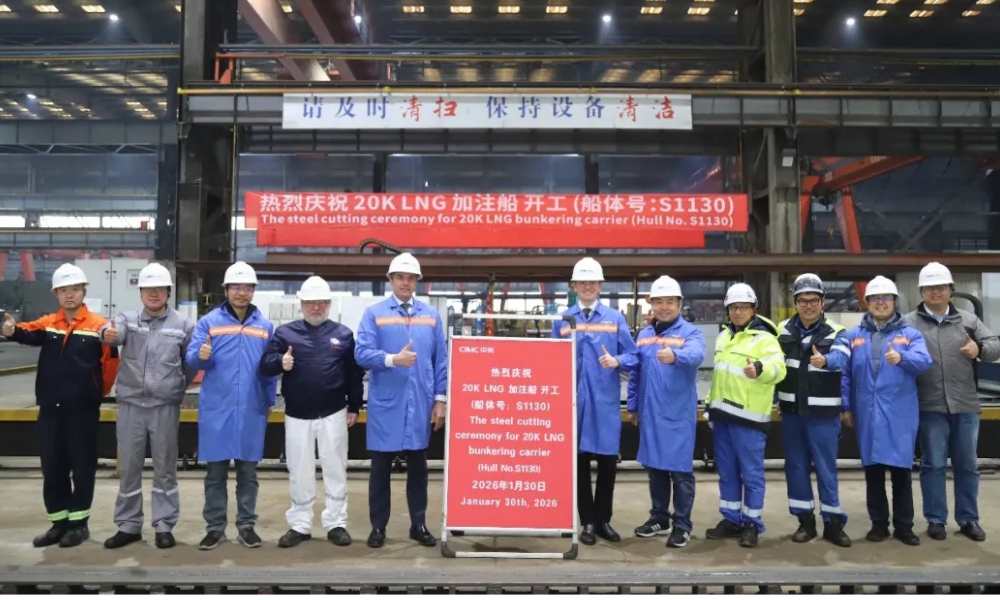

According to the shipbuilder, it will be one of the major LNG bunkering vessel types globally and is currently the world's largest LNG bunkering vessel.
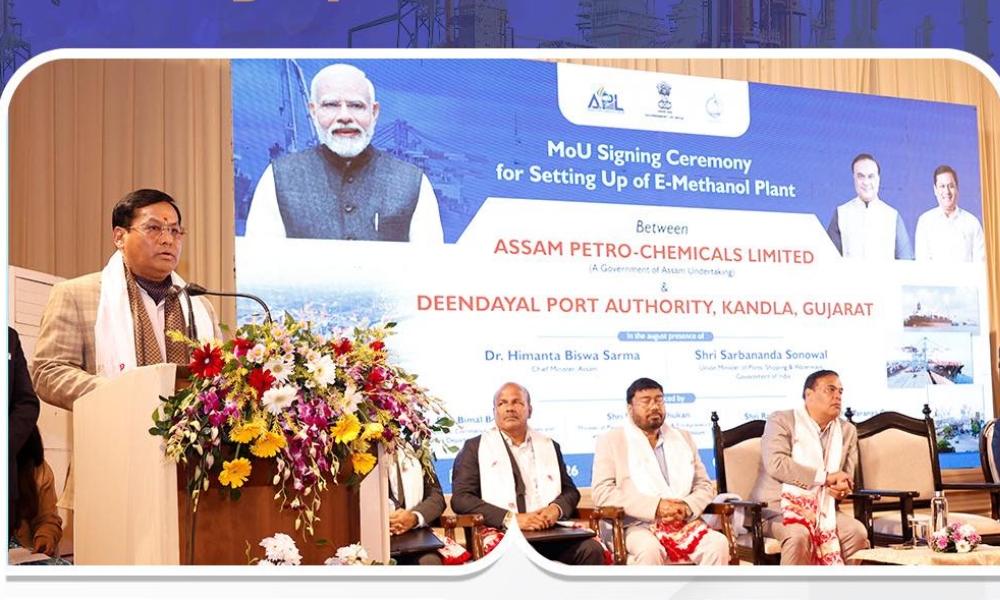

Port-based fuel production offers multiple advantages, including reduced logistics costs, seamless integration with shipping demand and development of green bunkering infrastructure, says a minister.
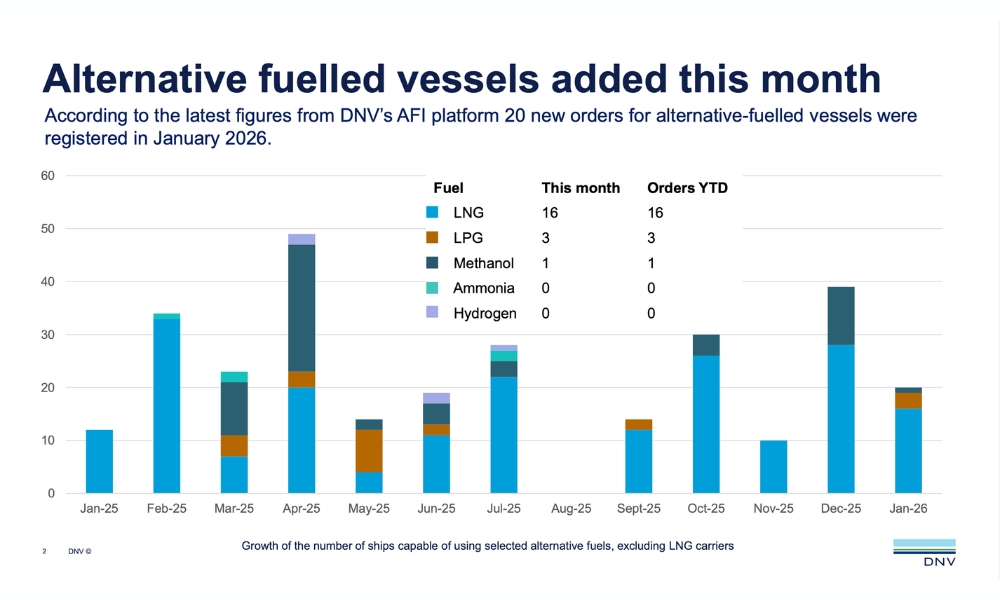

Activity continues to be dominated by LNG-fuelled container vessels, which accounted for 16 of these orders, with one methanol-fuelled offshore vessel and three LPG vessels making...
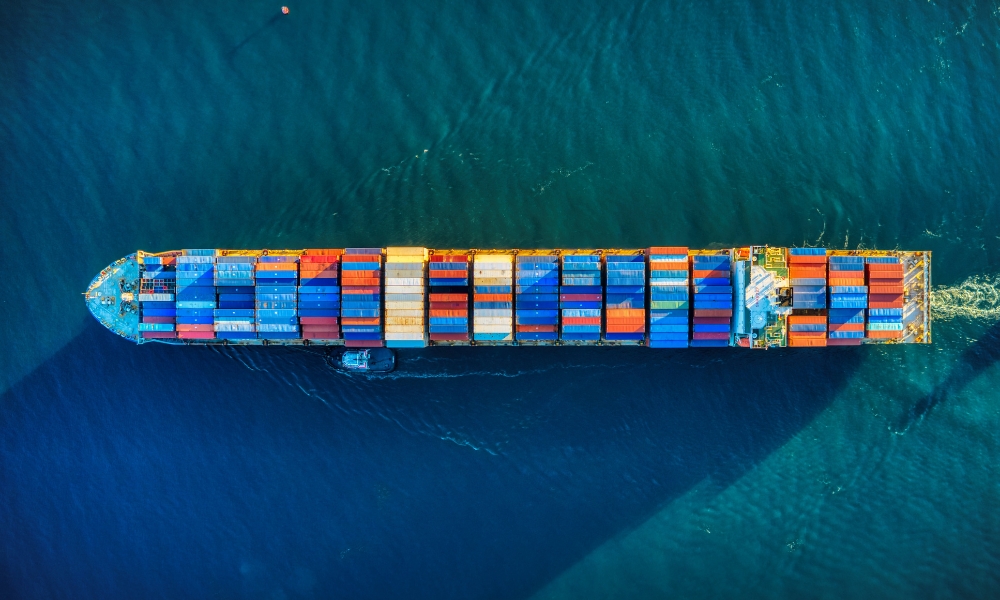

As of December 2025, the number of dual-fuel container ships and vehicle carriers on the water has reached 400, up from 218 in 2024.
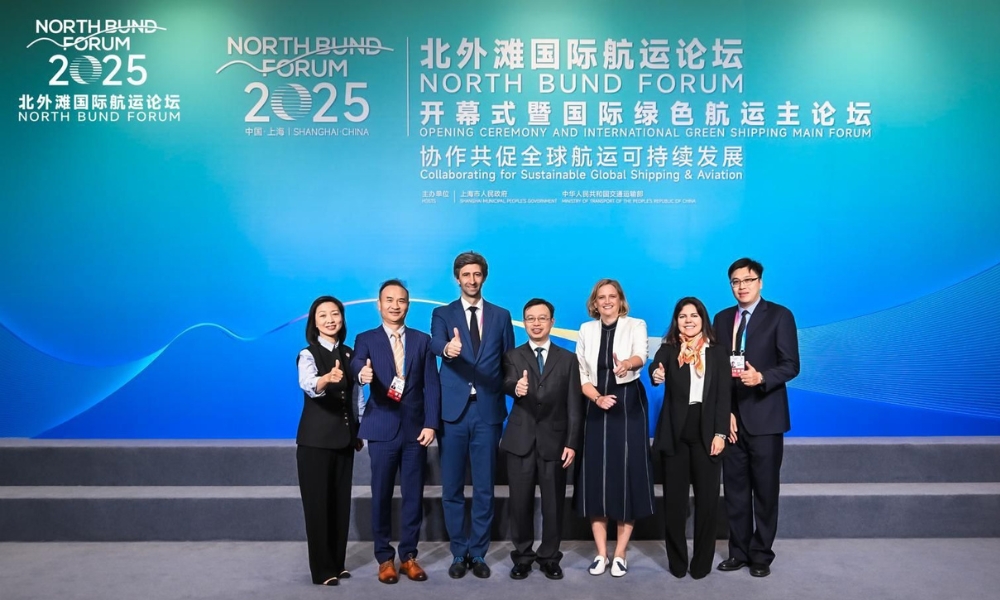


Haropa Port, Zhejiang Provincial Seaport Group, BV, China Waterborne Transport Research Institute, MSC and TiL signed a strategic deal launching the creation of France-China first green...
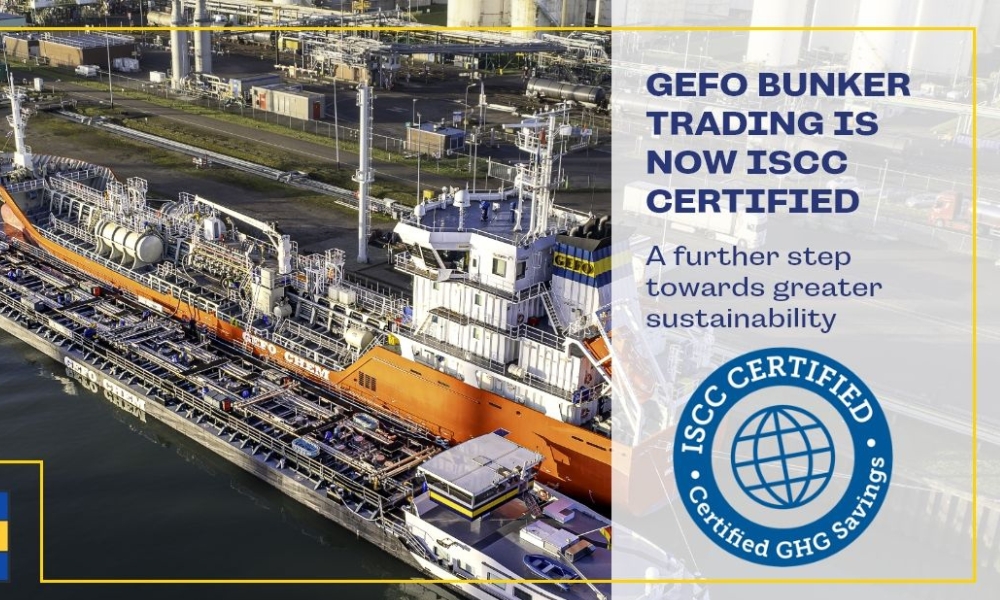

Company achieved both certificates issued by the International Sustainability and Carbon Certification System: ISCC EU and ISCC PLUS.



IMO Sub-Committee on Ship Design and Construction has finalized a workplan to develop a safety regulatory framework for ships using new technologies and alternative fuels to...



As he steps into his new role at DNV Maritime, Andreas Kristoffersen shares his priorities for Southeast Asia and India, reflects on Singapore’s electrification efforts, and...
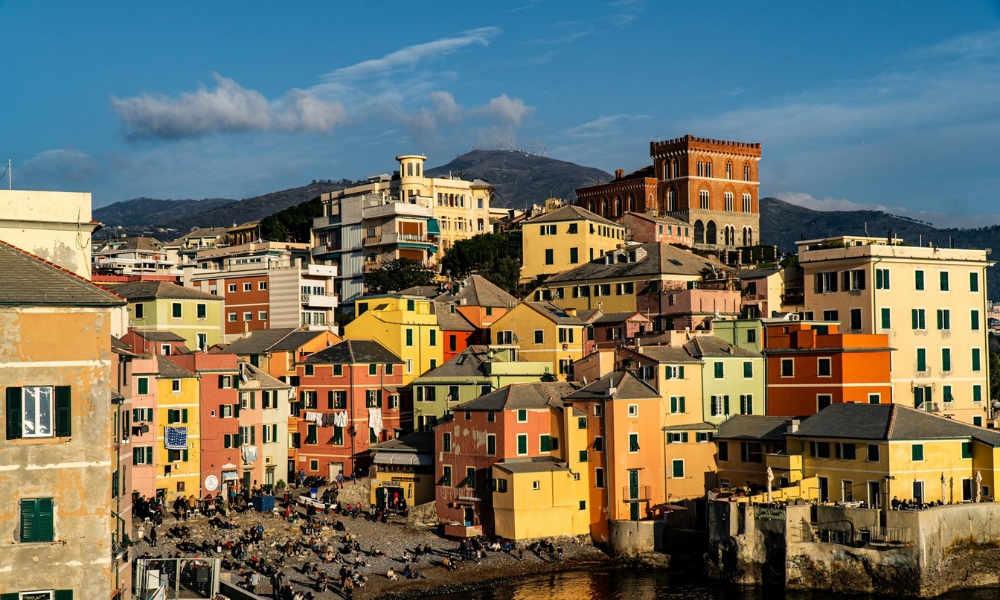


Designed to conduct both STS and ship‑to‑truck operations, “Green Pearl” will transport and distribute both LNG and bio-LNG, enhancing Axpo’s small-scale LNG bunkering capabilities.
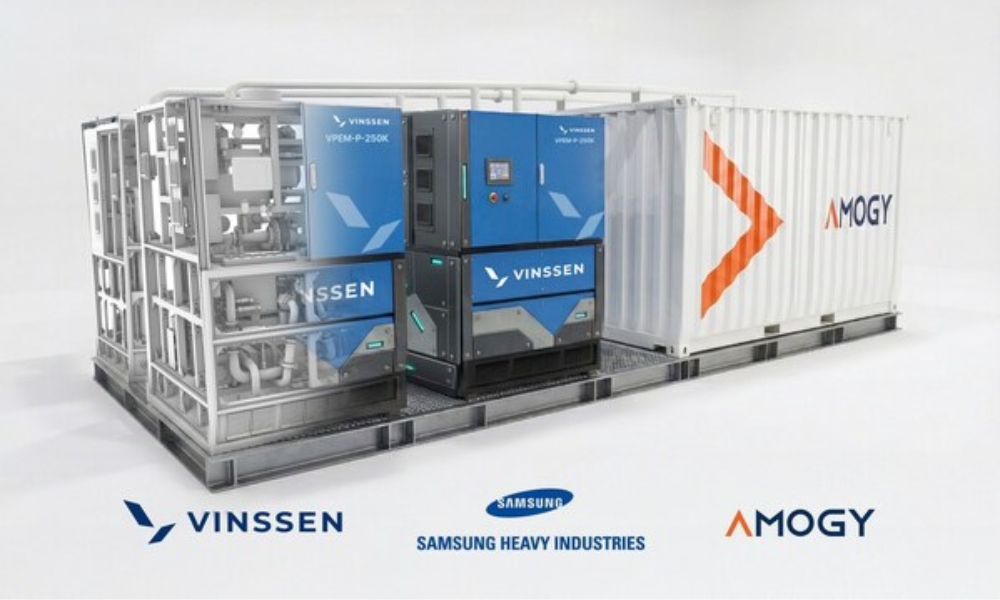

System is designed to replace conventional marine diesel generators by converting ammonia into hydrogen, which powers PEMFCs to produce electricity without combustion.


