
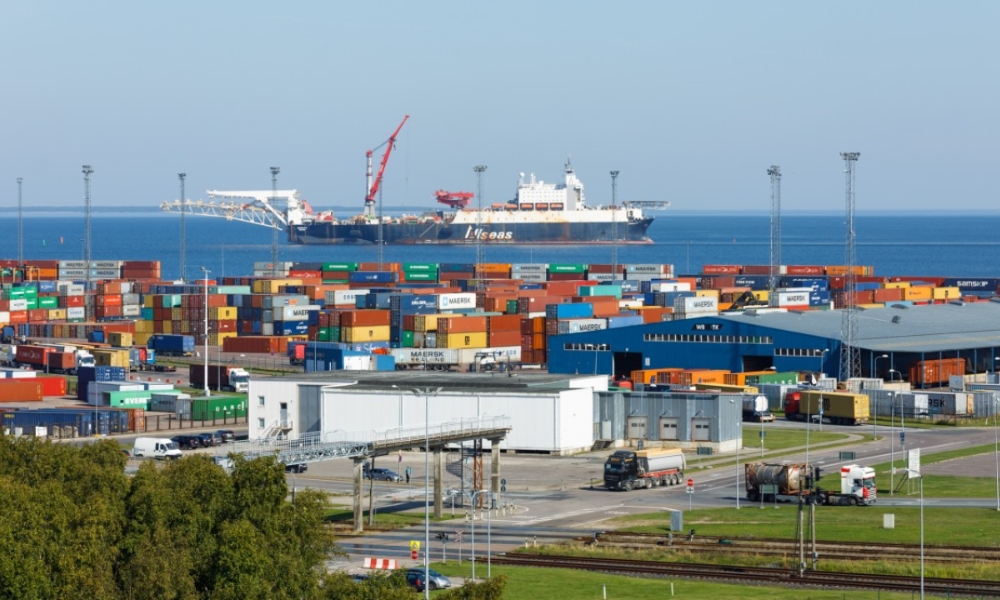

Increasing availability of alternative bunker fuels allows shipping to become more environmentally friendly and reduces the carbon footprint of ports, says Valdo Kalm, CEO of the...
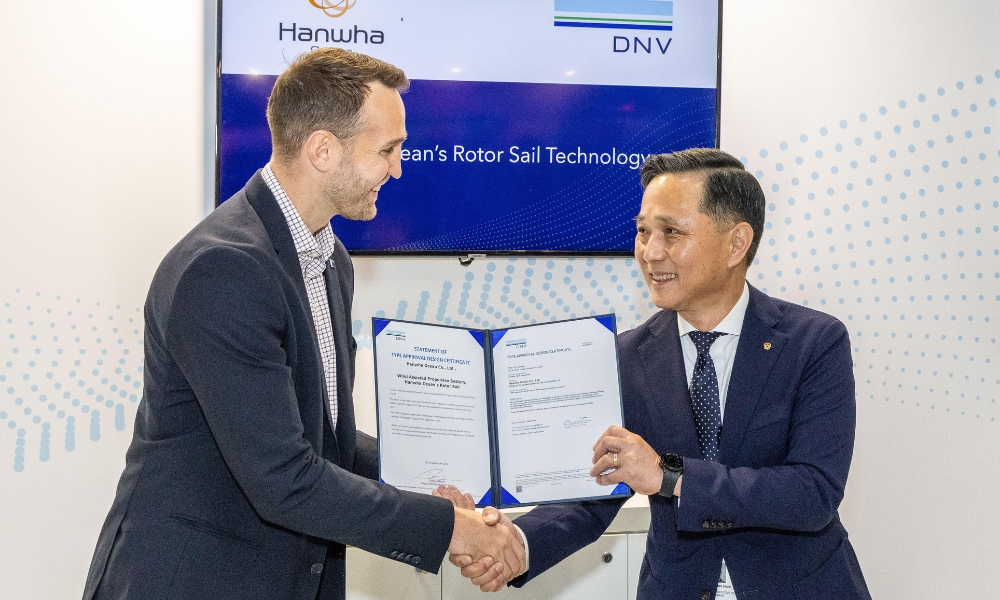

DNV TADC also covers installation of rotor sail in hazardous zones onboard vessels, for example on tankers and vessels carrying explosive liquids, gases, and dangerous cargo.

Energy Applications business unit will oversee activities for three strategic functions: Enabling Electrification, Industry and Infrastructure, and New Business Development.
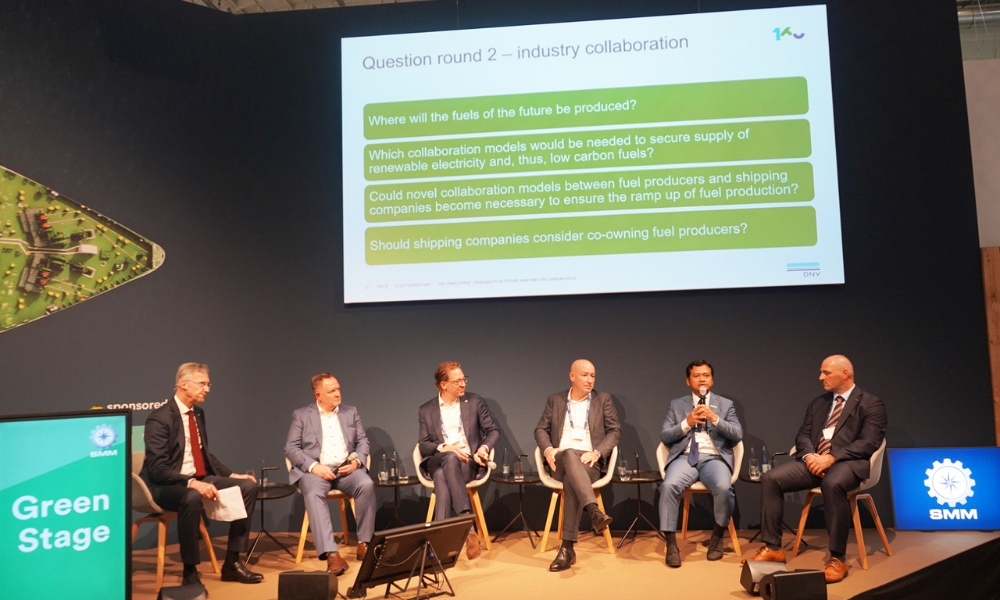

‘Our strategy involves investing in the development and adoption of low-emission fuels such as biofuels, LNG, ammonia, and methanol to operate our fleet,’ says M. Irfan...

Vessels outfitted with dual-fuel LNG-burning engines are poised to have the lowest marine fuel expense heading into 2025 when the EU will tighten its marine EU...
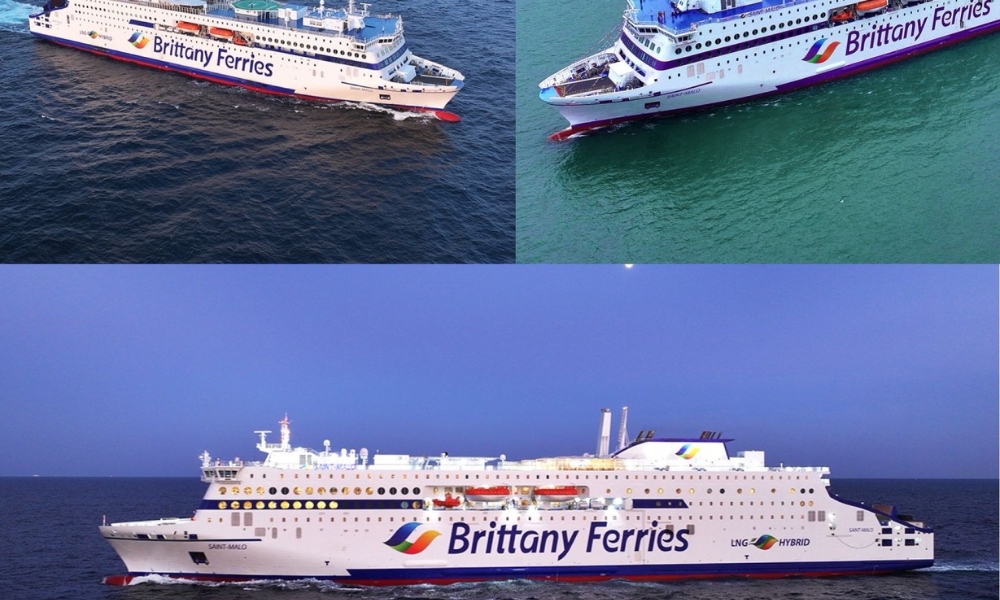

“Saint-Malo”, with the world’s largest battery fitted to a ship, will arrive in the UK to serve Portsmouth to St Malo route early next year, with...
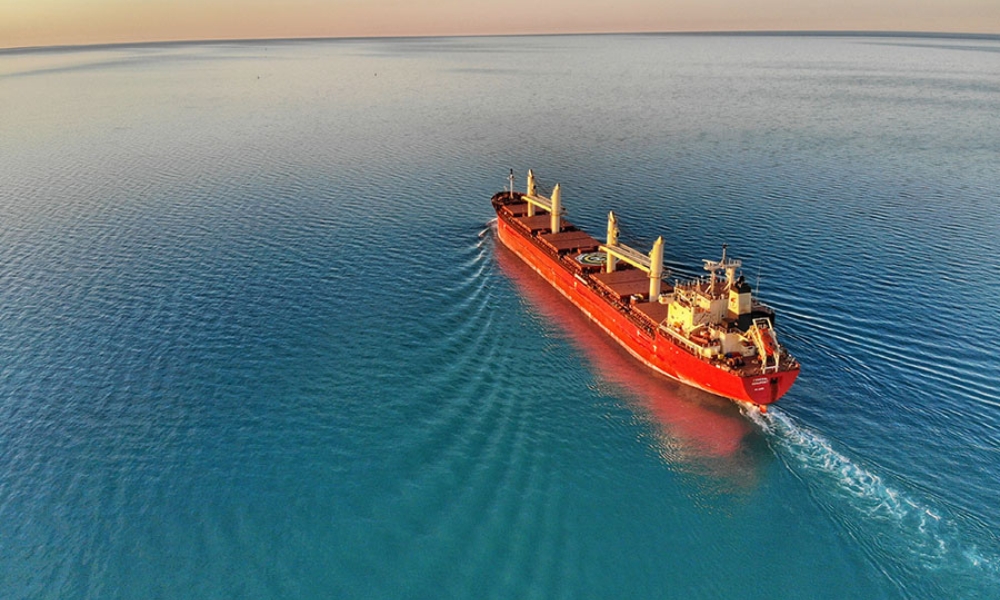

Association emphasised critical need for practicable solutions including a simplified pricing mechanism and fair cost distribution to ensure effective implementation of emissions reduction strategies.
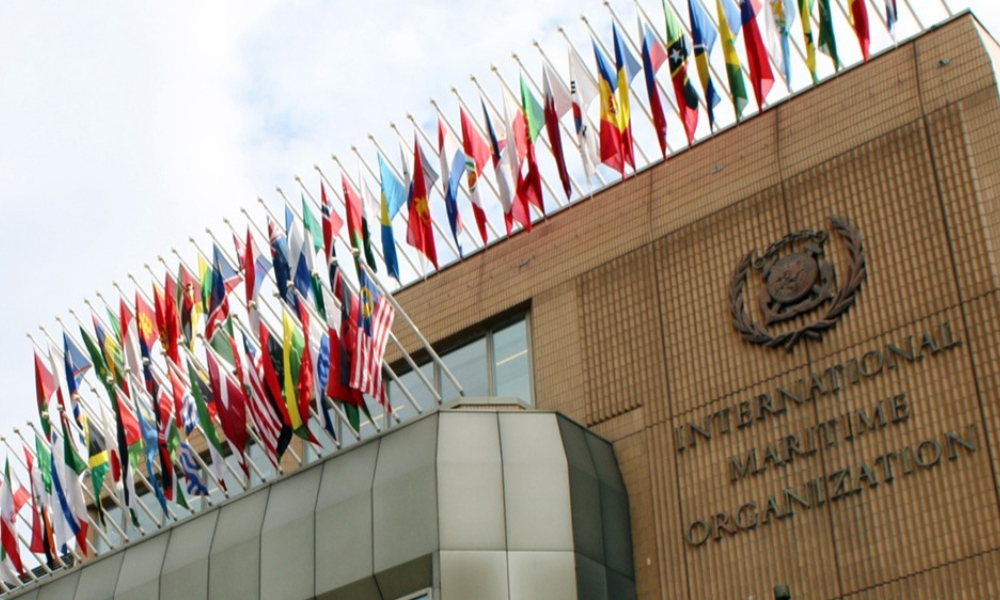

Related to the bunkering industry, MEPC 82 will discuss proposed mid-term measures for the reduction of greenhouse gas emissions from ships and designation of ECAs.
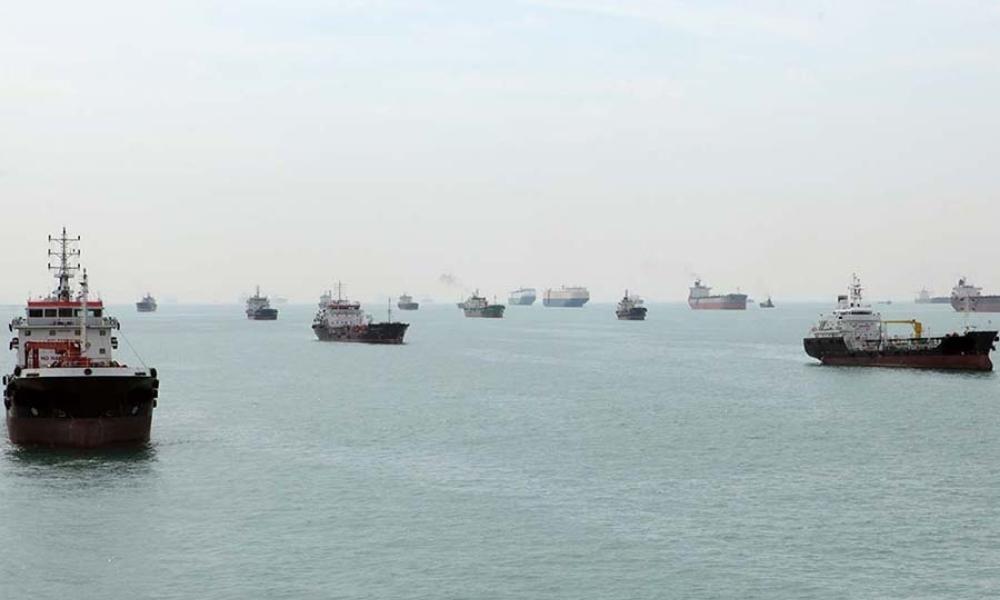

Based on current order books, potential demand for sustainable variants of methane and methanol for boxships on Rotterdam-Singapore route could reach up to 5 million tonnes...
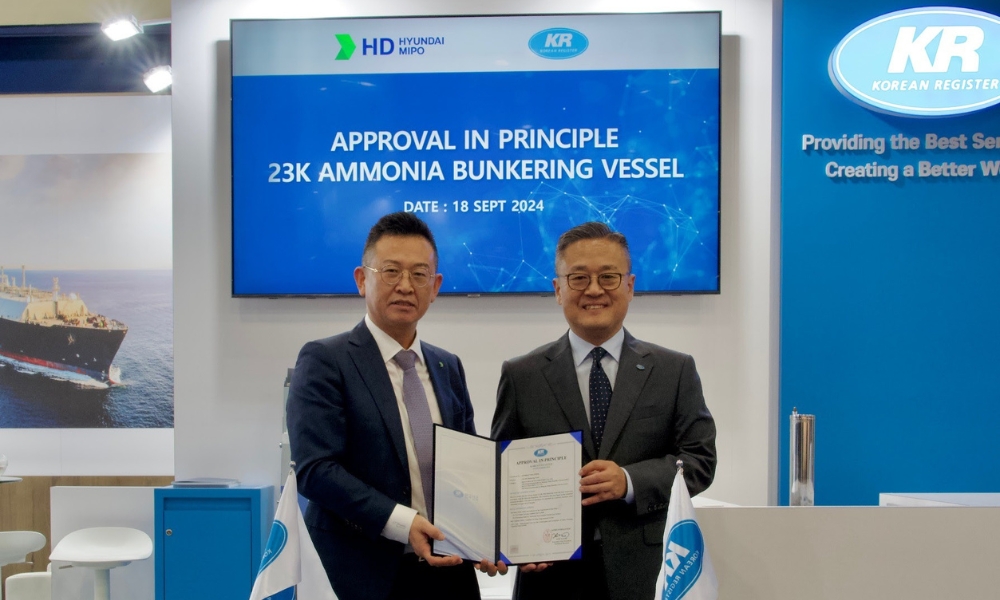

KR has awarded an Approval in Principle to HD Hyundai Mipo for their 23K Ammonia Bunkering Vessel and 18K LNG Bunkering Vessel on 18 September.


