
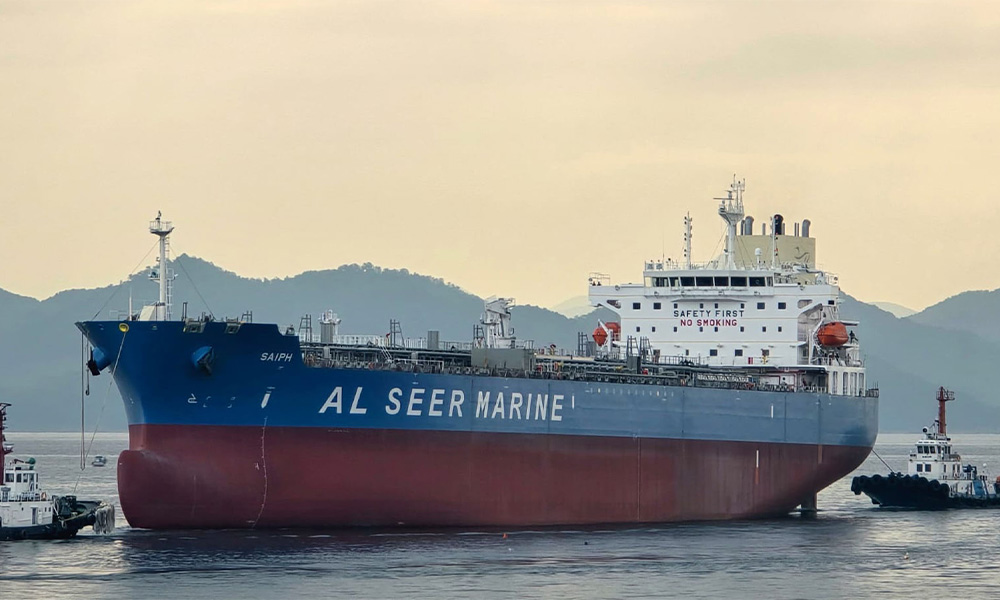

Newbuilds engineered to accommodate alternative bunker fuels such as Liquefied Natural Gas (LNG), ammonia, and methanol.
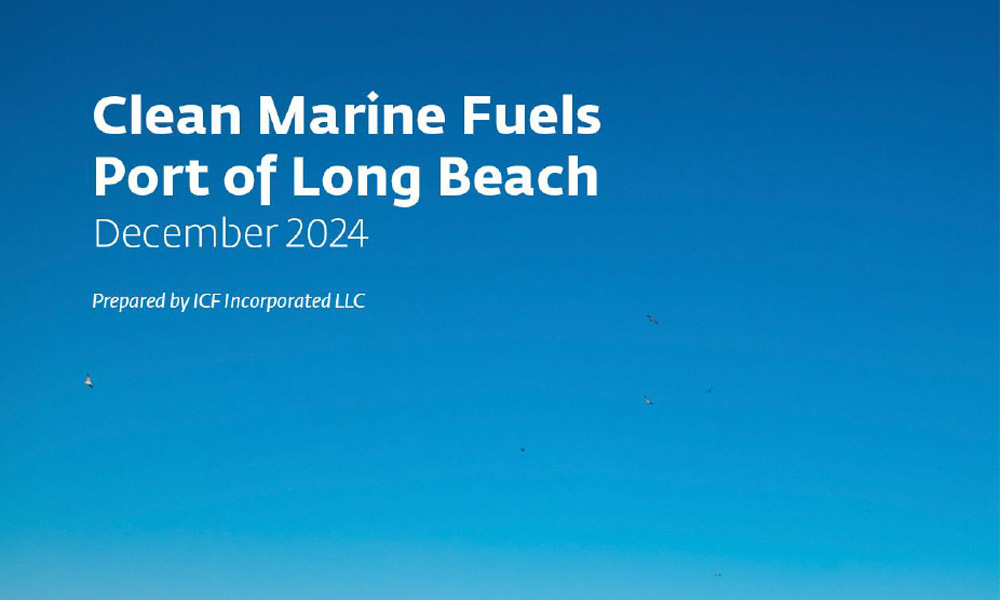

Document intended to prepare and position the port and its stakeholder for adopting low carbon alternative fuels.
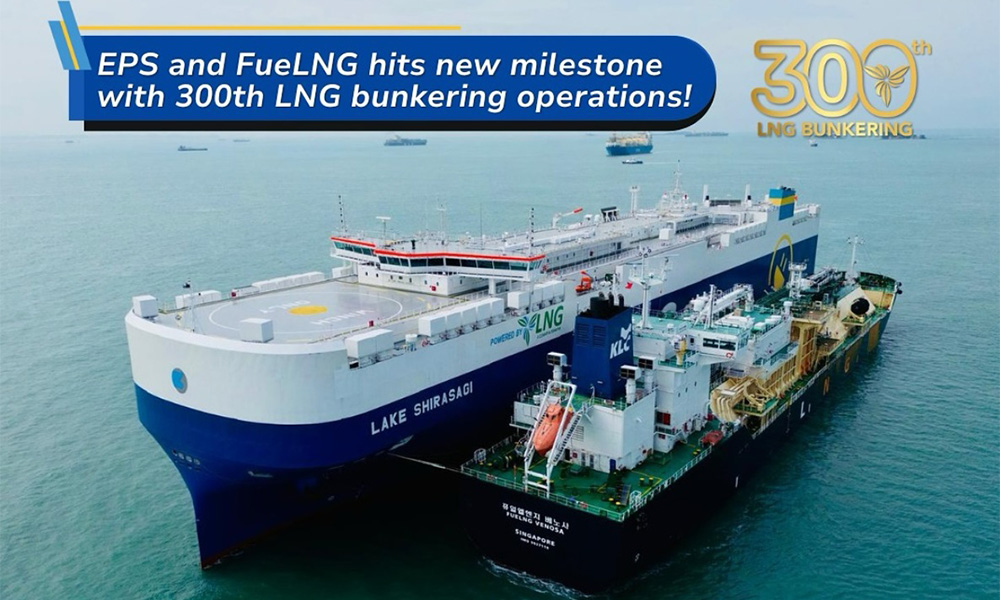

To date, EPS has received 1,624,143m³ of LNG since its first LNG bunkering operation four years ago.
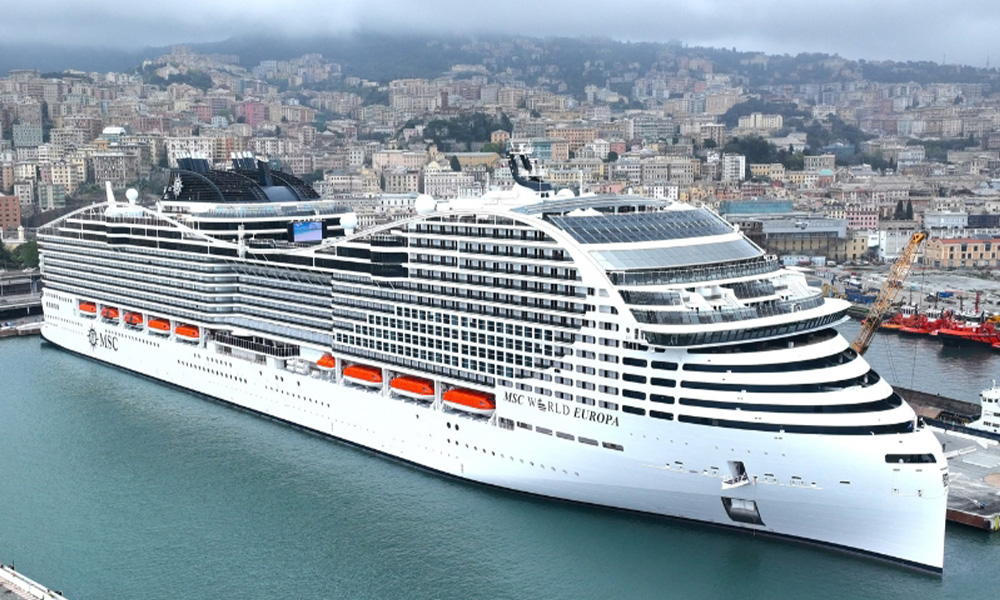

‘Cruise companies are keen to focus on the carbon emissions savings or air pollution benefits linked to the use of fossil LNG, but this only tells...

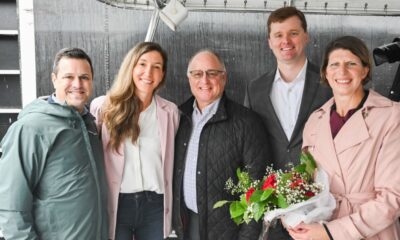

Both celebrated the christening of “Progress”, the largest US Jones Act-compliant vessel of its kind, which is currently providing a steady supply of LNG bunker fuel...

“Green Zeebrugge” – introduced as a response to an increasing alternative fuels demand– is expected to undergo safety and quality inspections before the New Year and...

Bunkering is an increasingly important growth area for the firm as LNG offers a cleaner and more competitive alternative to fuels traditionally used in the maritime...
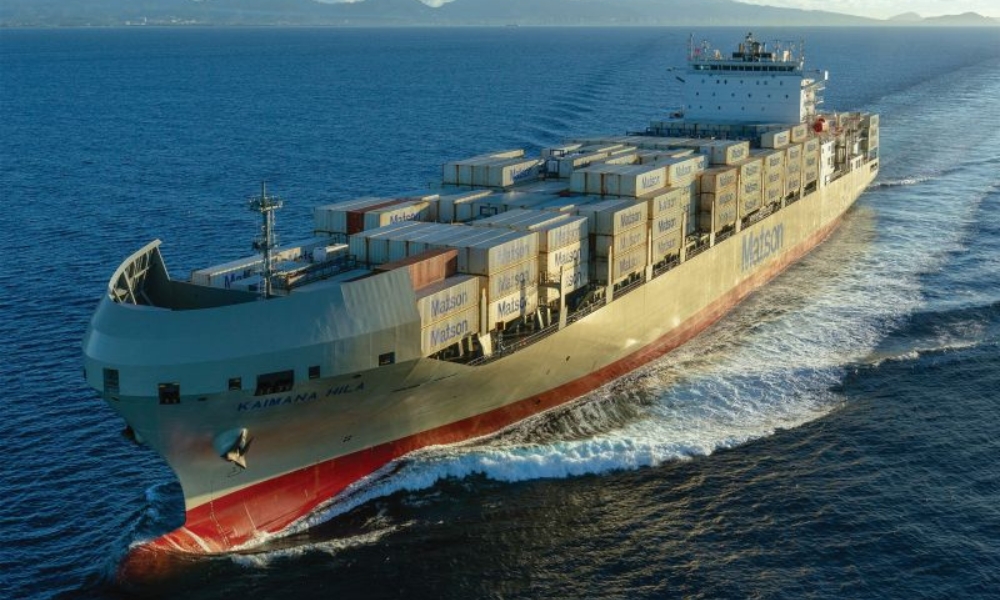

“Kaimana Hila” is the latest vessel to operate on LNG bunker fuel, joining its sister ships, “Daniel K. Inouye” and “Manukai”; Matson has ordered three new...
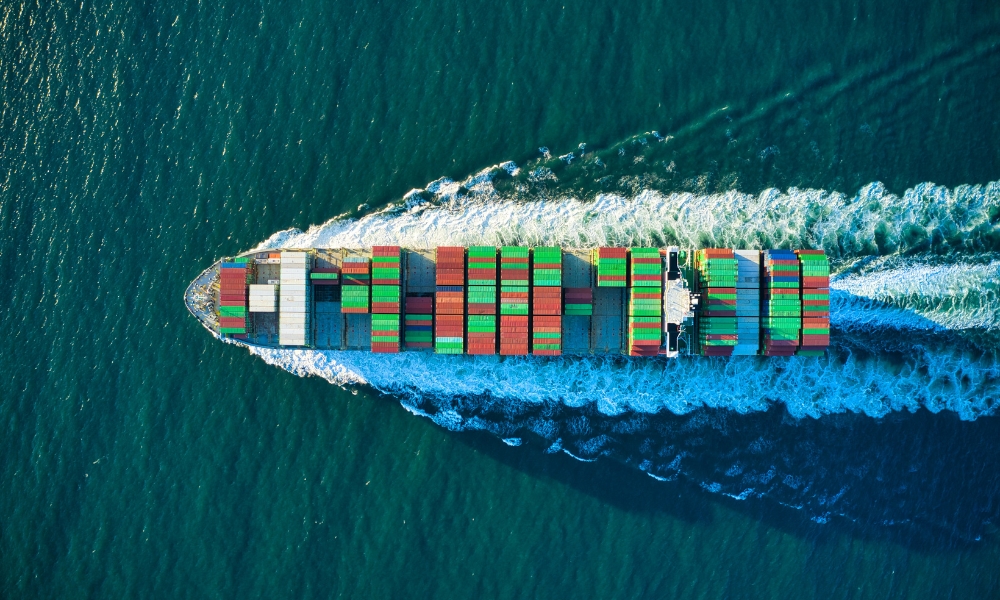
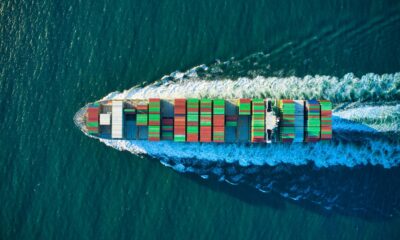

SEA-LNG analysis shows that LNG dual-fuelled vessels provide the lowest compliance cost for meeting EU and IMO decarbonisation regulations.
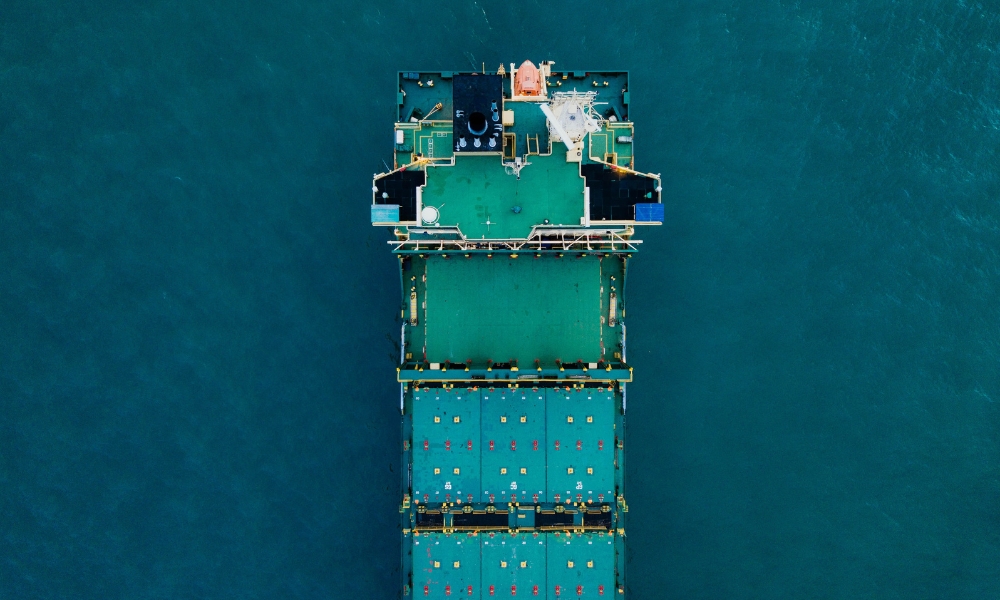

Tool will help shipowners understand the potential cost implications for their vessels, while also enabling operators and charterers to evaluate whether they are being charged fairly.


