



Toyota Tsuho Corporation has decided to cease the business operation of its subsidiary Toyota Tsusho Petroleum; announces establishment of Toyota Tsusho Marine Fuels Corporation.
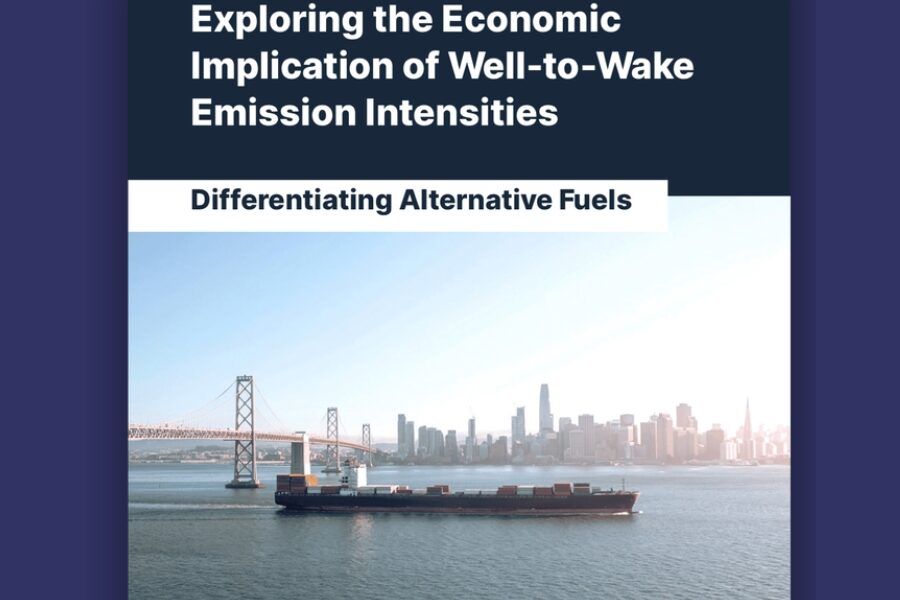

According to a case study, less than half the amount of eMethanol is required compared to biofuel when it is sourced for compliance under the FuelEU...


Demand for biofuels for bunkering in Mediterranean could be driven up in 2025 due to the region becoming an ECA and vessels in EU territorial waters...

Almost 87% of 500 seafarers indicated a need for partial or complete training regarding emerging bunker fuels such as ammonia, methanol, and hydrogen, says DNV.
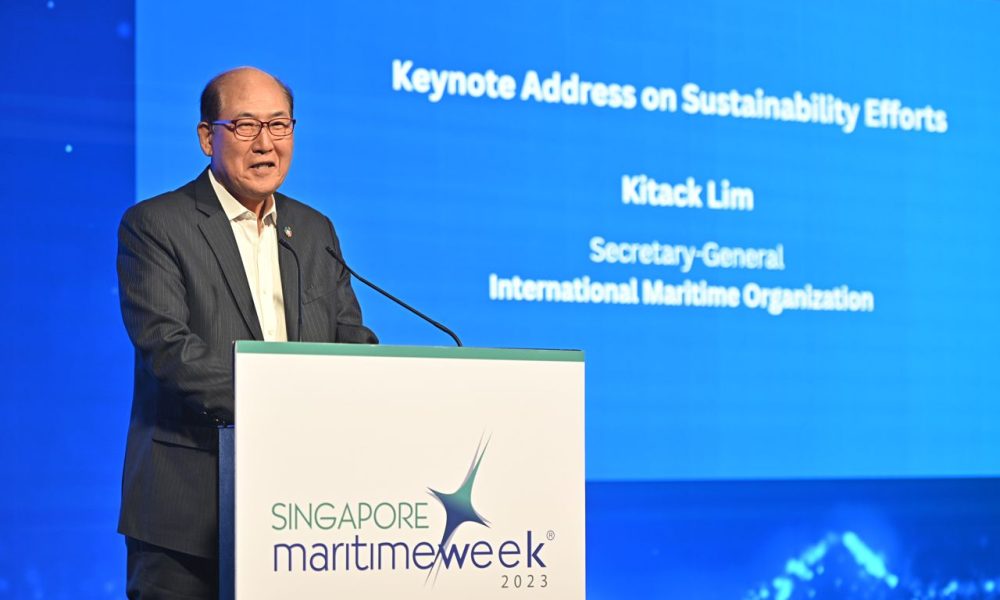

MPA and agencies will work with shortlisted consortia/companies from EOI for ammonia bunkering to conduct further studies, table-top exercises and training programmes.
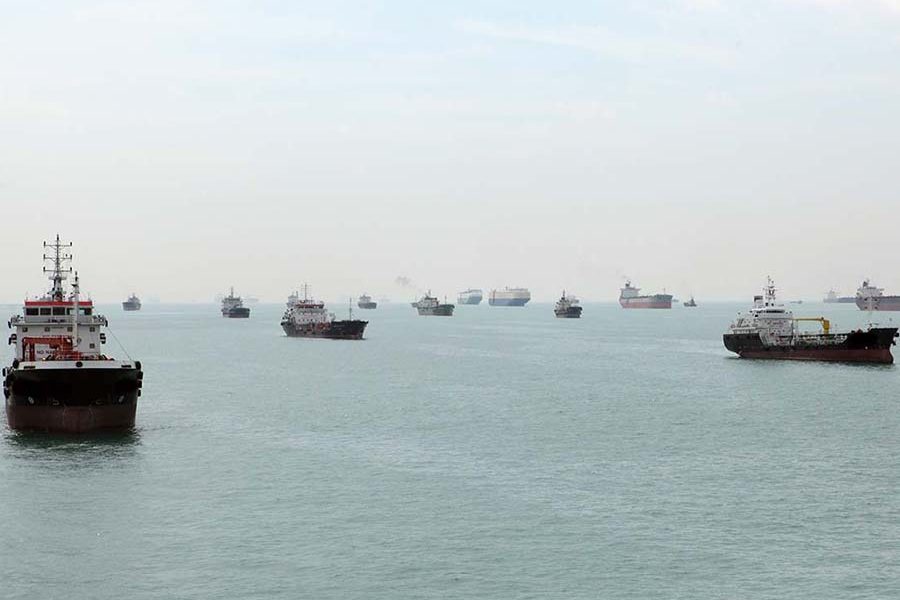

GCMD, DNV, SJ and SMA SP, have completed an ammonia bunkering safety study; GCMD said it is aiming for the first STS for ammonia in Singapore...
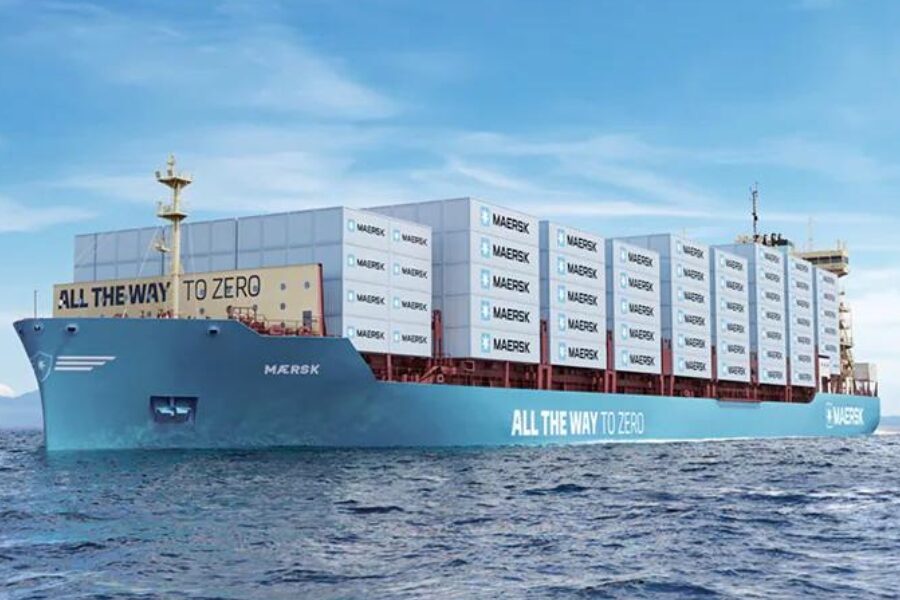

Maersk will host a week of festivities from 18 to 21 September in Copenhagen, Denmark, to celebrate the vessel; vessel will leave Korea this summer to...
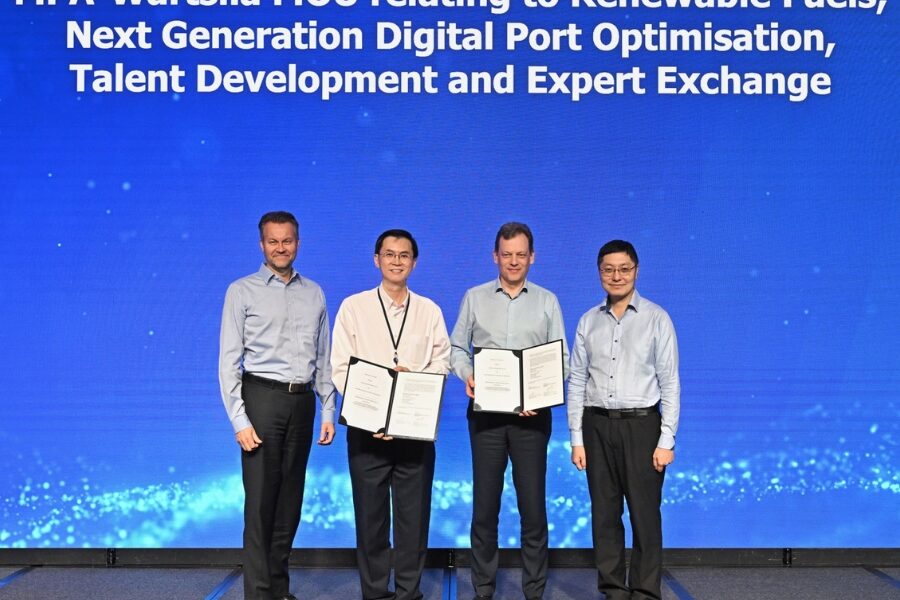

MPA and Wärtsilä will explore renewable fuel technologies and seek partnerships with various stakeholders to develop green fuel safety concepts and procedures.
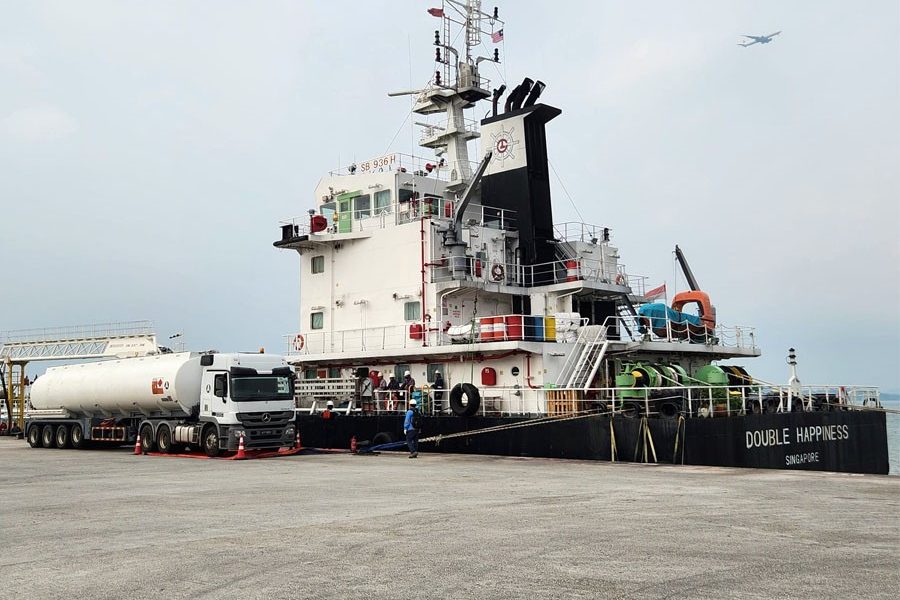

‘Golden Island is amongst the first in the Singapore bunkering market to test B30 product for its own bunker tanker,’ states Tomohiro Yamano, General Manager, Marine...
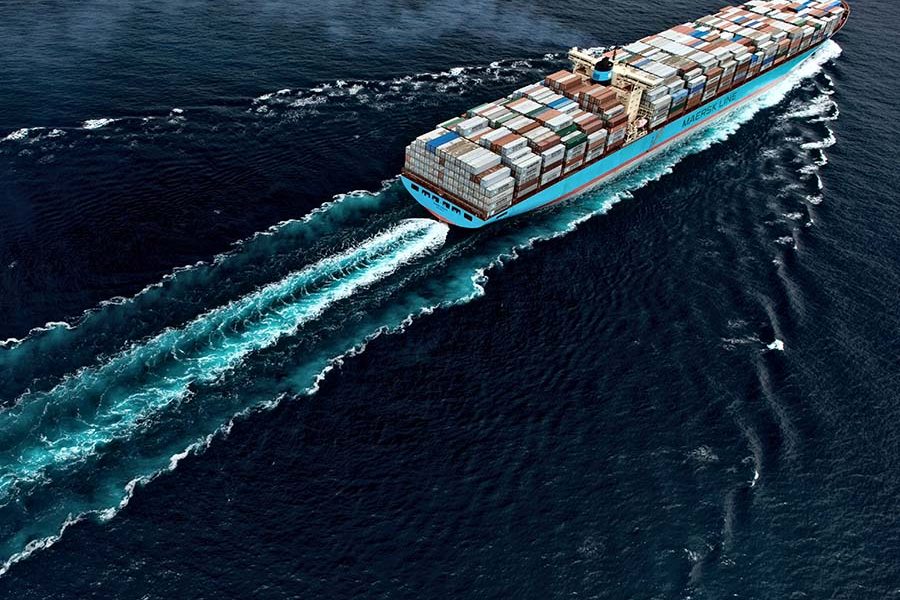

Port of Melbourne, Maersk, ANL, Svitzer, Stolthaven Terminals, HAMR Energy and ABEL Energy to study commercial feasibility of establishing a green methanol bunkering hub at Port...


