Connect with us

Business

Proposed FuelEU Maritime proposal ‘not fit for purpose’ in current form, says shipping association

If the concerns raised by the industry were not addressed, the regulation risks jeopardising the decarbonisation progress of shipping, rather than enhancing it.

Admin

Published

on

RBSA NEW

The Royal Belgian Shipowners’ Association (RBSA) on Saturday (6 November) joined discussions at the International Chamber of Shipping (ICS) Conference on Shaping the Future of Shipping at COP 26. It published a summary of discussions, concluding the proposed FuelEU Maritime proposal to be unfit for purpose in its current form:

Last Saturday at the world’s largest gathering of shipping companies, regulators and policymakers at the ICS Conference on Shaping the Future of Shipping at COP26 in Glasgow, the Royal Belgian Shipowners’ Association joined in the discussions on how to move forward together in making sure that shipping will play its part in drastically reducing its 3% share of all global greenhouse gas emissions. 

Any policy to hasten the pace of carbon neutrality and bring about the much needed and currently non-existant technological breakthroughs is welcomed. But any policy that is hastily passed through, would not only damage the whole industry, but also reverse the progress made so far towards the goal. 

An example of a policy that risks doing so, is the proposed FuelEU Maritime Regulation within the ‘Fit for 55’ climate package recently tabled by the European Commission. 

The FuelEU Maritime Regulation aims to “increase the use of sustainable alternative fuels in European shipping and ports by addressing market barriers that hamper their use, and the uncertainty about which technical options are market-ready”.

At first glance, the proposed regulation looks like the maritime version of the ReFuel EU Aviation proposal. Both introduce targets for alternative fuels and like ReFuel EU, FuelEU Maritime promotes fuel blends that are progressively carbon-neutral starting from 2025 to 2050. The legislation applies to all fuels used by ships at EU ports of call, on voyages between two EU ports of call, and on 50% of the fuels used between an EU port and a third country. 

But the similarity stops there. A more careful reading of the FuelEU Maritime reveals a high level of inconsistency with the rest of the package, which in some instances are counter-productive.

The RBSA found three main issues that make the proposed regulation unfit for purpose:
 1. Is it really necessary to introduce another MRV system?
 2. The reliance on compliance certificates from non-EU fuel suppliers is a gaping enforcement loophole.
 3. An independent body should decide on OPS exemption, not port authorities.

Additionally, the proposed regulation should address the following shortcomings:
1.Enhance the transparency of current fuel supply chains
2. Ensure consistency with the other proposals such as EU ETS and RED to avoid leaving shipping behind.
3. Work with the IMO.

Is it really necessary to introduce another MRV system?

European shipping currently reports into the EU Monitoring Reporting and Verification (MRV) System on the berth-to-berth CO2 emissions of its voyages, on top of the IMO Data Collection System (DCS). Instead of using the existing MRV system, FuelEU Maritime introduces a separate reporting and verification system just for the purposes of this regulation. 

  • Why is another system of reporting necessary on top of the fact that it is already burdensome for EU shipping operators to report into two existing systems? 

The reliance on compliance certificates from non-EU fuel suppliers is a gaping enforcement loophole.

FuelEU Maritime sets a target for the use of biofuel blends. But as non-EU fuel suppliers are not bound by EU laws, the only proof of compliance that shipowners and charterers can obtain from them is a piece of paper certificate. As biofuels have a similar chemical composition as conventional marine fuels, it is impossible to ascertain the quality and quantity of biofuels in blends purchased outside the EU. 

  • What are the legal ramifications for shipping companies and verifiers should the papers provided by non-EU fuel suppliers not correspond to the fuel blend in the tank of the ship? 
  • How effective is FuelEU Maritime in creating more uptake of cleaner fuels when it is essentially outsourcing the enforcement of its rules by relying on certificates from fuel companies outside its jurisdiction? 

An independent body should decide on OPS exemption, not port authorities.

FuelEU Maritime requires passenger and container ships to use Onshore Power Supply (OPS) in a European port when the port infrastructure is available and compatible. But the exemption stops end of 2034. After this, port authorities will be the ones to decide whether to exempt or penalise ships on OPS use, instead of an independent body. 

  • How can the port authorities be allowed to judge and be judged?  

“FuelEU Maritime is such a critical piece of the puzzle, that the whole Fit for 55 package would crumble for the shipping industry if we didn’t get it right,” said Wilfried Lemmens, RBSA Managing Director. 

“From the point of view of Belgian shipowners, FuelEU Maritime should fully align with the rest of the package, and it should go further to directly address longstanding issues such as the transparency of the fuel supply chain, in order to help shipping advance towards decarbonisation.” 

Enhance the transparency of current fuel supply chains

Despite efforts by the shipping industry at national, EU and international levels, no significant progress has been made to address the quality and quantity concerns about conventional fuel oils, leading to numerous safety and operational incidents. 

The FuelEU Maritime Regulation should be an opportunity to finally enhance the transparency in the maritime fuel oil supply chain as well by making fuel suppliers transparent on the origin and composition of their fuels as current EU regulation requires for the production and use of green and biofuels. If not, the regulation will only disincentive shipowners who bunker sustainable fuels compared to conventional fuel oils. 

Ensure consistency with the other proposals to avoid leaving shipping behind

FuelEU Maritime makes the fuel user responsible for delivering emissions reductions instead of the fuel suppliers. It makes no sense that this approach is taken only for shipping, where in aviation and road, the fuel supplier is responsible for making cleaner fuels available on the market.

 By wrongfully targeting the user instead of the supplier, this makes shipping come last on the fuel suppliers’ priority list and as a result delay the maritime decarbonisation process. Also, by placing the principal responsibility with fuel suppliers, FuelEU Maritime will align with the forthcoming Renewable Energy Directive (RED) as is already the case in ReFuel Aviation. 

Another area of inconsistency is with the EU ETS. FuelEU Maritime needs to work hand in hand with EU ETS to foster the demand for cleaner fuel in shipping by encouraging efficiency improvements and providing economic incentive to companies using cleaner fuels. 

The impact assessment of the FuelEU Maritime has estimated the price gap between cleaner and conventional fuels to be at least €200 per tonne CO2. 

Therefore, a substantial part of the price gap between cleaner fuels and conventional fuels will need to be covered by the carbon price of the ETS, which is currently trading around €60 per tonne CO2. 

Work with the IMO

FuelEU Maritime should work with the IMO on the latter’s current work on biofuels, including the compliance and requirement in the IMO Safety of Life at Sea Convention for marine fuels to have a flashpoint above 60°C. 

This is yet another reason any new fuel standards and legal responsibility for meeting those standards need to be addressed to fuel suppliers, not ship operators, as is the case in the other transport sectors. This will also ensure the EU does not hamper the work done by the IMO on the safety of future alternative fuels, such as ammonia and hydrogen, and its Well-to-Wake Life Cycle Analysis Guidelines.

To conclude, the proposed FuelEU Maritime proposal is not fit for purpose in its current form.

If the concerns raised by the industry were not addressed, the regulation risks jeopardising the decarbonisation progress of shipping, rather than enhancing it. 

Furthermore, for the EU to be a true frontrunner, we must ensure that more will be able to follow. Even more impactful than being a frontrunner, Europe needs to be enablers as well. If not, all the efforts we are making will neither benefit the environment nor the economy. 

Apart from the need for consistency with the rest of the Fit for 55 package, as well as placing the responsibility on the right parties in order to encourage real changes, the shipping industry requires a clear commitment from the EU for full alignment with the international level when the IMO delivers.


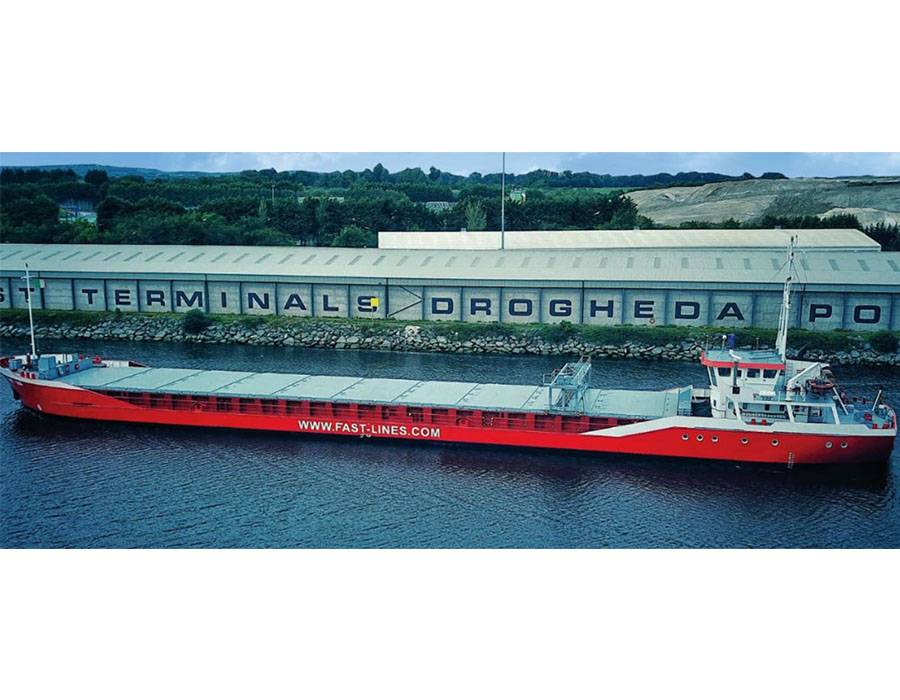
Photo credit: Royal Belgian Shipowners’ Association
Published: 11 November, 2021

Continue Reading

Mass Flowmeter

Hong Kong backs MFM adoption with voluntary scheme to boost bunkering competitiveness

Hong Kong’s Marine Department launched the Quality Bunker Operator Scheme to encourage bunker operators to install and use mass flow meter systems on their bunker vessels.

Admin

Published

on

By

RESIZED EH dual mfm setup

Hong Kong’s Marine Department (MD) on Wednesday (3 June) launched the Quality Bunker Operator Scheme to encourage bunker operators to install and use mass flow meter systems (MFM systems) on their bunker vessels.

MD said the scheme aims to enhance Hong Kong’s bunkering service quality and the competitiveness of Hong Kong ports, thereby further consolidating Hong Kong’s position as an international maritime centre and a major bunkering port.

Under the Scheme, bunker operators of traditional maritime fuel and biodiesel that install and use MFM systems on their bunker vessels, with the MFM systems inspected and certified by an accredited body in accordance with the International Organization for Standardization’s ISO 22192 Standard or equivalent requirements, can apply to the MD for inclusion in the scheme’s “List of Quality Bunker Vessels”, provided they meet the relevant technical and operational requirements. 

Details of the bunker vessels successfully included in the List will be published on a dedicated page on the MD’s website for reference by shipping companies and relevant stakeholders.

Participation in the Scheme is voluntary. In addition to receiving recognition from the MD, participating bunker operators will benefit from enhanced corporate image and competitiveness through the adoption of MFM systems, thereby boosting customers’ confidence and helping to create new business opportunities.

 A spokesman for the MD, said: “As an international maritime centre supported by our country, Hong Kong has a strategic location adjacent to major international fairways. Coupled with years of development in marine fuel bunkering, Hong Kong possesses rich experience and talent in the field. For many years, Hong Kong has consistently ranked as the seventh-largest bunkering port globally, the second-largest in our country, and the largest in the Greater Bay Area, providing reliable and competitive fuel bunkering services to ocean-going vessels from around the world. 

“As the international shipping industry has an increasing demand for accuracy and transparency in bunkering services, service quality and measurement precision in bunkering operations have become important indicators of a bunkering port’s competitiveness. The Scheme will enhance bunkering accuracy and transparency, further enhancing the quality of Hong Kong’s bunkering services.

The spokesman added that comprehensive port services are one of Hong Kong’s key advantages as an international maritime centre.

“We will also mandate the use of MFM systems on all methanol bunker vessels this year to ensure that Hong Kong continues to provide high-quality bunkering services in the era of green maritime fuels.” 

Note: The application form for the Scheme can be found on the MD’s website. Interested bunker operators can download the application form from the website or contact the MD’s Green Maritime Fuel Team via email ([email protected]) for details.


Photo credit: Manifold Times
Published: 4 June, 2026

Continue Reading

Alternative Fuels

MPA and MSC ink MoU to support adoption of alternative bunker fuels

MPA and MSC will explore new routes and services to strengthen connectivity, support the adoption of alternative marine fuels such as bio-LNG, and advance technologies to improve vessel energy efficiency.

Admin

Published

on

By

MPA and MSC ink MoU to support adoption of alternative bunker fuels

The Maritime and Port Authority of Singapore (MPA) on Wednesday (3 June) said it signed a Memorandum of Understanding (MoU) with MSC Mediterranean Shipping Company to strengthen collaboration in maritime decarbonisation, digitalisation, innovation, and manpower development. 

The MoU was signed on 25 May 2026 by Mr Ang Wee Keong, Chief Executive of MPA, and Mr Soren Toft, Chief Executive Officer of MSC.

The MoU underscores the shared commitment of MPA and MSC to foster a sustainable, digital, and future-ready maritime sector, while enhancing MSC’s operational and business activities in Singapore. This year also marks the 30th anniversary of MSC establishing its Asia Regional Office and local office in Singapore.

Under the MoU, MPA and MSC will explore new routes and services to strengthen connectivity, support the adoption of alternative marine fuels such as bio-LNG, and advance technologies to improve vessel energy efficiency and operational performance.

MPA and MSC will also collaborate on maritime digitalisation initiatives to improve operational efficiency, including streamlining vessel arrivals and port operations. 

On manpower development, MSC will support internship and scholarship opportunities through Singapore Maritime Foundation’s Maritime Outreach Network (MaritimeONE) platform, an industry-led tripartite partnership comprising industry, government and institutes of higher learning that aims to raise awareness of the maritime industry and attract quality talent into the maritime sector.

Mr Ang Wee Keong, Chief Executive of MPA, said: “This partnership reflects the strong collaboration between MPA and MSC in driving sustainability and digitalisation in the maritime sector. By working together on decarbonisation, operational efficiency and talent development, we aim to strengthen Maritime Singapore’s position as a trusted and future-ready global maritime hub.”

Mr Soren Toft, Chief Executive Officer of MSC, said: “Singapore is a strategically important hub for MSC and a key gateway to the broader Asia region. As we mark 30 years in Singapore, this MOU reinforces our long-term commitment to strengthening our presence here. MSC and Singapore are closely aligned on the priorities shaping the future of global shipping, and we look forward to deepening this partnership to drive the continued growth and resilience of the maritime industry.”


Photo credit: Maritime and Port Authority of Singapore
Published: 4 June, 2026

Continue Reading

Emissions reporting

StormGeo and OceanScore link emissions data, compliance workflows

Cooperation combines StormGeo’s expertise in operational vessel and emissions data with OceanScore’s expertise in emissions compliance workflows across EU ETS, FuelEU Maritime and UK ETS requirements.

Admin

Published

on

By

StormGeo and OceanScore link emissions data, compliance workflows

Weather intelligence and decision support solutions provider StormGeo and Hamburg-based technology platform OceanScore on Wednesday (3 June) said they have deepened their ongoing cooperation through the signing of a collaboration agreement during Posidonia 2026 in Athens on 2 June.

The cooperation combines StormGeo’s expertise in operational vessel and emissions data with OceanScore’s expertise in emissions compliance workflows across EU ETS, FuelEU Maritime and upcoming UK ETS requirements.

Together, the companies aim to help shipping companies seamlessly navigate increasing regulatory complexity more efficiently — from emissions reporting and data validation to compliance exposure management, pooling and financial settlement.

As emissions regulation becomes an increasingly important part of commercial shipping operations, the need for reliable operational data and streamlined compliance processes continues to grow. The cooperation between StormGeo and OceanScore is designed to support shipping companies with more connected, transparent and actionable processes across operational and commercial teams.

“From the outside, companies like StormGeo and OceanScore may sometimes be perceived as competitors because both operate around emissions and compliance workflows,” said Albrecht Grell, Managing Director at OceanScore. 

“But in reality, the industry increasingly needs both perspectives working together: trusted operational emissions data on one side and commercial compliance execution on the other. Our cooperation reflects that shipping companies are no longer looking for isolated solutions — they need connected processes, automated across different systems and reliable decision-making throughout the full compliance chain.”

By connecting validated operational emissions data with commercial compliance management, the cooperation supports workflows across:

  • emissions reporting and validation 
  • compliance management across EU ETS, FuelEU Maritime and upcoming UK ETS requirements
  • exposure visibility and cost transparency
  • pooling, settlement and financial processes 

The cooperation also aims to improve commercial transparency and coordination across operational and commercial stakeholders.

“StormGeo plays a central role in helping shipping companies turn operational vessel and emissions data into trusted, decision-ready insights,” said Espen Martinsen, Chief Commercial Officer at StormGeo. 

“As emissions regulations become more complex, this data is essential for transparent and efficient compliance management. By working with OceanScore, we can help customers connect StormGeo’s validated operational data with commercial compliance processes, creating a more integrated and practical approach to emissions management.”

The signing ceremony took place at the StormGeo booth during Posidonia 2026 in Athens and was attended by representatives from both companies.

Both companies expect the cooperation to continue evolving alongside upcoming regulatory developments, including FuelEU Maritime, EU ETS, the upcoming UK ETS and future emissions-related frameworks affecting global shipping.


Photo credit: StormGeo
Published: 4 June, 2026

Continue Reading

Trending