Connect with us

IMO 2020

Maersk: Fuelling sustainable transition of the shipping industry

Shipping giant conducts lab tests while speaking with suppliers on sourcing compliant bunkers at best prices.

Admin

Published

on

5bc023642e9c3 1539318628

Danish shipping giant Maersk has published an article titled ‘Fuelling the sustainable transition of the shipping industry’ to inform the sector on its position for IMO 2020, when the world’s shipping fleet is subjected to a global sulphur cap of 0.5% for marine fuel:

One year from now, some 90,000 ships making up the world’s merchant fleet face new rules that will reduce sulphur emissions by around 80%. The benefits to human health and the environment will be significant and in delivering them, shipowners face one of the largest industry disruptions.

Shipping’s global sulphur cap is increasingly becoming the key topic in the industry. In reducing sulphur emissions, shipowners not only face steep increases in operating costs, but also tough challenges in getting ready to comply.

Effectively, on 1 January 2020, a fuel switch of a magnitude never seen before will build momentum across the world’s oceans, as the vast majority of the world’s fleet of merchant vessels switch to low-sulphur fuel.

At Maersk, preparations are well underway and ranging from ensuring compliance across its fleet of around 750 vessels to assisting thousands of customers in handling their supply chains in the new circumstances.

“This new regulation contributes significantly to making our industry more sustainable in the future as it will bring substantial improvements to human health in coastal areas,” says Søren Toft, Chief Operating Officer of Maersk.

“Ensuring compliance is a substantial task for any shipowner as it is associated with significant cost. The entire industry must prepare well for this change, he adds.

Maersk believes that strong enforcement of the rules is important to ensure a level playing field in this changed industry environment.

Battling disease and acid rain
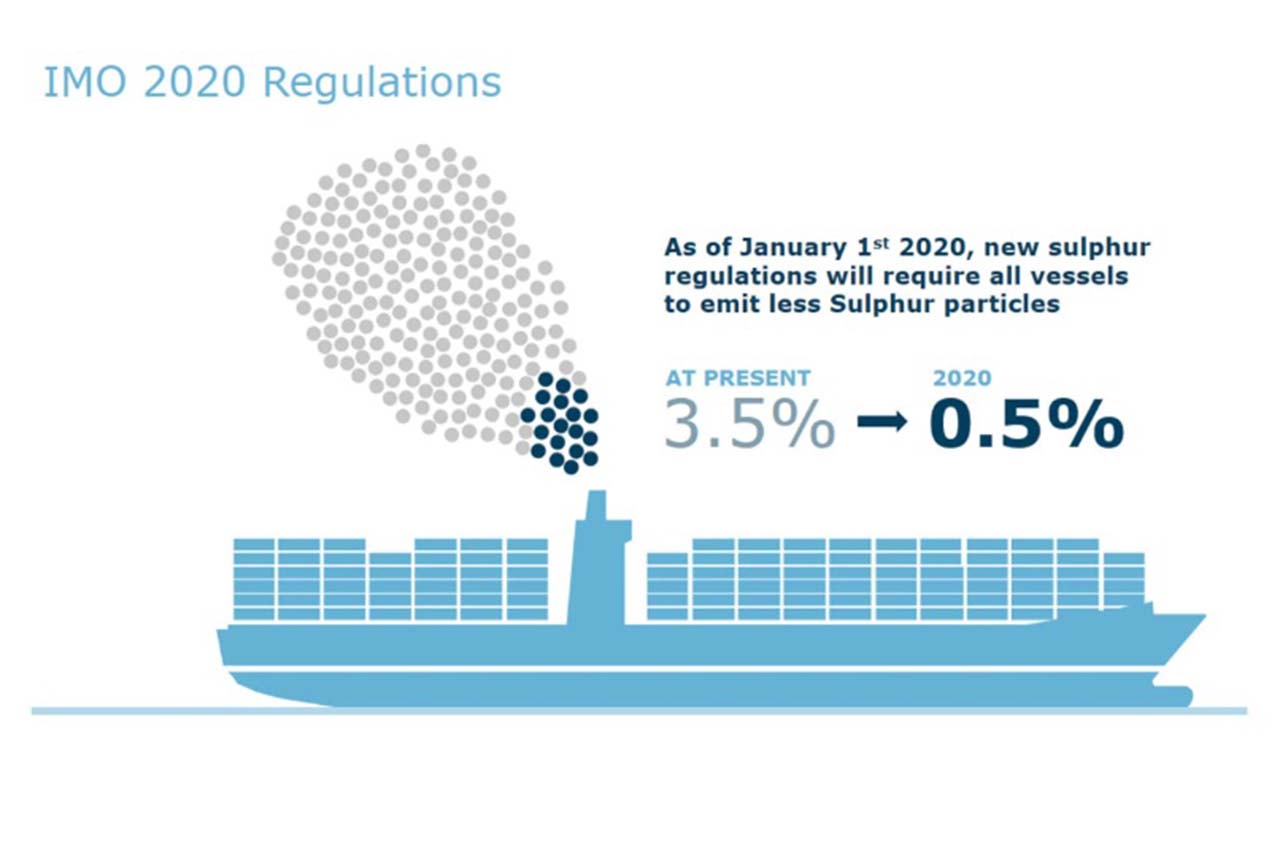
The regulation was developed and adopted by the International Maritime Organisation (IMO), a specialised agency under the United Nations. Whereas today, ships can use fuel with a sulphur content of 3.5%, the new cap will be 0.5%. Expectedly, it will cut shipping’s sulphur emissions with more than 80%, significantly limiting respiratory disease and acid rain harming crops and forests in coastal areas across the world.

To comply, shipowners will have to invest significantly in more expensive compliant fuels, such as LNG technology or scrubbers, a complex technology filtering sulphur particles out of the vessels’ engine exhaust gas.

Industry estimates suggest extra costs of up to 15 billion USD for the global container vessel fleet alone to buy the more expensive low sulphur fuel. Maersk expects the vast majority of its vessels to use compliant fuels at the onset of the new regulation.

“At Maersk, the extra fuel costs could add up to more than USD 2 billion per year. We have already initiated dialogue with our customers about how this will impact their supply chains. We have revised our fuel adjustment surcharge towards a simpler, more fair and predictable mechanism that ensures clarity for our customers in planning ahead for 2020,” explains Vincent Clerc, Chief Commercial Officer, A.P. Moller – Maersk.

Planning reduces volatility
The changed fuel surcharge mechanism can be applied to both the 3.5% fuels of today and the compliant 0.5% fuels of 2020. It will be implemented on January 1, 2019, so customers have time to familiarise with the mechanism ahead of the big switch and the temporary volatility it is likely to cause for global shipping.

“Within weeks, the supply/demand balance for global shipping’s USD 100+ billion fuel market will turn upside down as low sulphur become the fuel of choice for the entire fleet. How will these dynamics impact pricing and availability of the fuels of today and tomorrow?” asks Niels Henrik Lindegaard, Head of Maersk Oil Trading.

Lindegaard leads the team responsible for the sourcing of fuel for Maersk Line’s fleet. With industry studies confirming there will be an adequate amount of compliant fuels available, the key to handle the volatility for Lindegaard and his team is thorough planning:

“It’s a complex task to get a truly global fleet ready for such a significant change, but getting there remains a matter of preparation – using the time we have at hand to conduct lab tests and keep a close dialogue with suppliers to ensure adequate sourcing of the right fuels at the best possible price.”

Source: Maersk
Photo credit: Maersk
Published: 12 October, 2018


Continue Reading

Ammonia

AM Green plans to build green ammonia plant at Indian port

Initiative also includes development of green ammonia handling, storage and bunkering infrastructure, pilot bunkering operations, safety procedures and training programmes, says VOC Port Authority.
Admin

Published

on

By

india flag

VO Chidambaranar (VOC) Port Authority on Friday (29 May) said it has signed a Memorandum of Understanding (MoU) with India’s ammonia producer AM Green Ammonia to collaborate in the development of a green ammonia production plant.

The plant will have a capacity of one million tonnes per annum (MTPA) at Tuticorin.

The initiative also includes development of green ammonia handling, storage and bunkering infrastructure, pilot bunkering operations, safety procedures and training programmes. 

The project is expected to support the development of green fuel corridors connecting VOC Port with major ports in Europe and Asia, thereby strengthening India’s position in the global green fuels value chain.

VOC Port also signed a Memorandum of Understanding (MoU) with Bureau Veritas (India) Pvt. Ltd., to collaborate on Green Port certification, emissions accounting, ESG reporting, safety validation, development of green bunkering practices, and establishment of a Centre of Excellence for green fuels and sustainability.

The port also plans for an upcoming 750 m³ green methanol bunkering facility.


Photo credit: Naveed Ahmed on Unsplash
Published: 3 June, 2026

Continue Reading

Port & Regulatory

Study: Major drop in ship sulphur emissions confirmed following IMO regulations

National Centre for Atmospheric Science study found that the average sulphur content in ship fuel dropped nearly tenfold in open ocean areas following IMO’s 2020 regulation.
Admin

Published

on

By

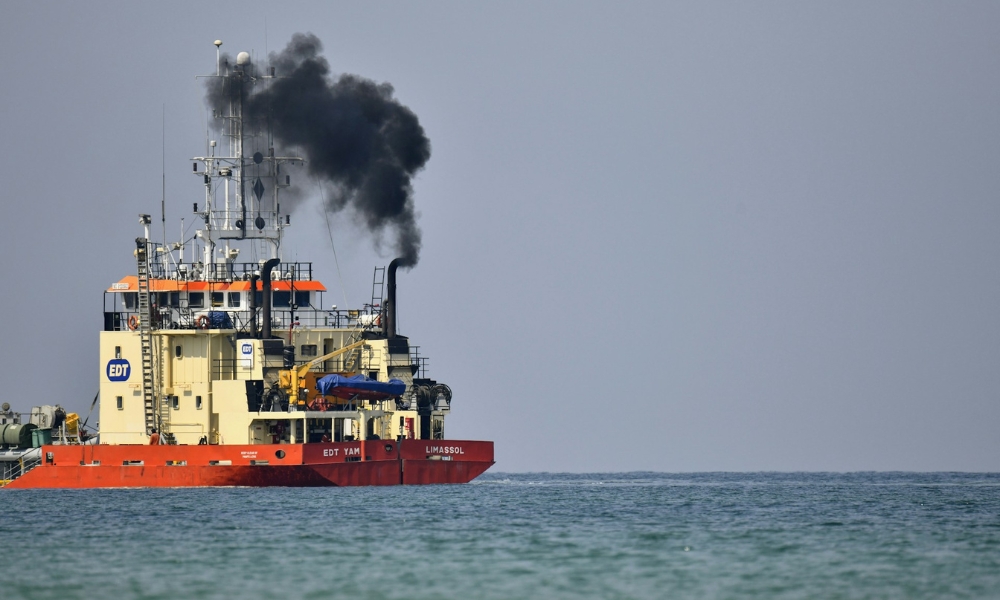
shraga kopstein on Unsplash

Recent global regulations have significantly reduced sulphur emissions from ships, helping to improve air quality in coastal regions – confirmed by a recent international study led by researchers at the National Centre for Atmospheric Science. 

The research, published in Environmental Science: Atmospheres, used aircraft and ground-based instruments to measure sulphur dioxide and nitrogen oxides emitted by ships in the North-East Atlantic and European coastal waters between 2019 and 2023.

The team found that the average sulphur content in ship fuel dropped nearly tenfold in open ocean areas following the International Maritime Organization’s 2020 regulation, which capped sulphur content in marine fuel at 0.5%. 

Before the change, many ships exceeded the previous 3.5% limit. After 2020, only a small number of ships were found to breach the new standard.

In European sulphur Emission Control Areas (SECAs), such as the English Channel and the Port of Tyne, sulphur levels were even lower – well below the stricter 0.1% limit. Interestingly, ports outside these zones, like Valencia in Spain, also showed low sulphur levels, likely due to EU rules requiring cleaner fuel when ships are docked for extended periods.

This is the first study to use aircraft-based measurements and predictions from the Ship Traffic Emission Assessment Model (STEAM3) to assess ship emissions outside of sulphur control zones since the 2020 regulation came into effect. The findings support the widely held view that ships now emit around seven times less sulphur than before the rule change – an important step toward cleaner air and healthier coastal environments.

Note: The research, titled ‘SO2 and NOx emissions from ships in North-East Atlantic waters: in situ measurements and comparison with an emission model’ can be found here. 


Photo credit: shraga kopstein on Unsplash
Published: 8 December, 2025

Continue Reading

Interview

IBIA Annual Convention 2025: ‘Exciting times’ for post IMO 2020 bunker suppliers, states Equatorial

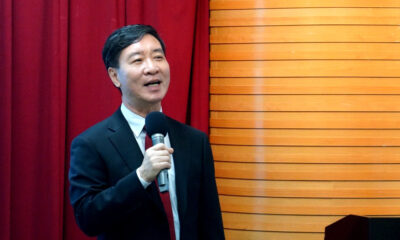
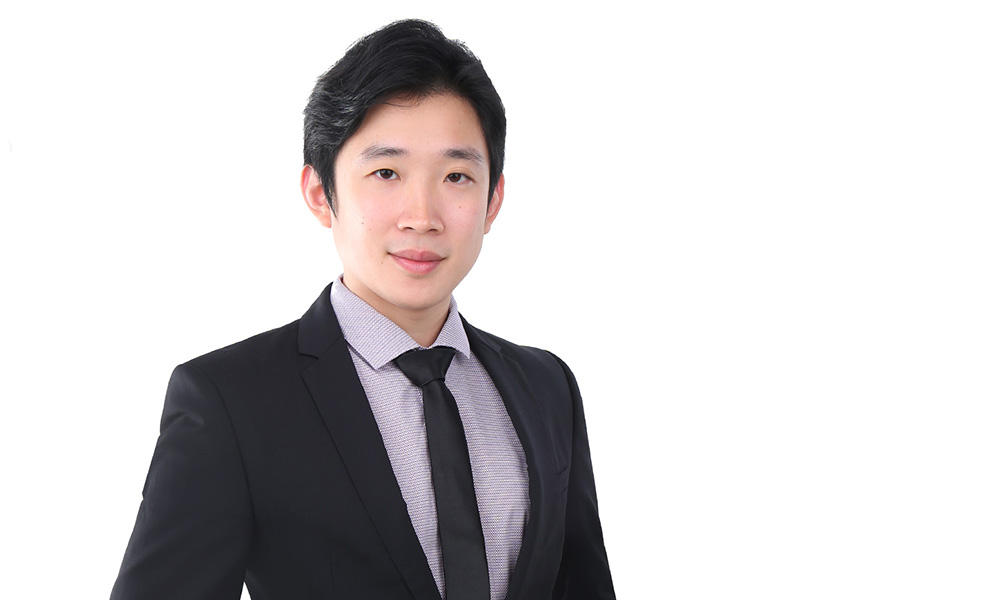
Choong Sheen Mao, Chief Operating Officer, Equatorial, describes to Manifold Times the pre/post IMO 2020 challenges and evolution of bunker suppliers.
Admin

Published

on

By

Sheen Mao MT

The International Bunkering Industry Association (IBIA) will be hosting its flagship Annual Convention in Hong Kong at the Hong Kong Convention Exhibition & Convention Centre between 18 to 20 November 2025, as part of Hong Kong Maritime Week.

Choong Sheen Mao, Chief Operating Officer, Equatorial Marine Fuel Management Services (Equatorial), speaks to bunkering publication Manifold Times about the challenges of a post IMO 2020 bunker supplier.

MT: How does Equatorial continue to offer customer assurance and maintenance of marine fuel quality to ISO8217 standards despite increasing complexity of bunker fuel blends?

We maintain our focus to provide compliant, quality and competitively priced products to our customers. There is no shortcut. We source our products from a wide range of cargo producers and suppliers. We continue to be strict and vigilant with our testing programme for our products before delivering them to our customers. Equatorial has deepened our engagement with the wider industry to have a better and up-to-date understanding of the existing and new marine fuels.

MT: Can you share the evolution of commercial marine fuel procurement, blending and trading strategies on the back of increasing fuel types (pre/post IMO 2020)?

Pre IMO 2020, the main types of marine fuel procured and consumed by vessels were high-sulphur fuel oil, marine diesel oil and marine gas oil. Trading strategies were therefore closely linked to that within the oil industry.

However, many of the new fuel types are from other industries. For example, biofuels, methanol and ammonia are mainly products from the chemical and agriculture industries. There are marked differences between these industries and the energy industry (in particular, the marine fuels industry). LNG is from the gas industry which is distinct from the oil industry.

Without an existing liquid paper market for many of these commodities (especially as a marine fuel), the price risk management is less straightforward. Furthermore, commodity prices are no longer the sole consideration for price itself. The price of compliance must be considered. This could range from guaranteeing the origin of the marine fuel, its sulphur properties as well as its carbon intensity. The list goes on.

MT: Operational wise, what are the changing role and responsibilities of a bunker supplier to date, compared to before IMO 2020?

The role and responsibility of a bunker supplier have evolved. Fundamentally, it has been about providing quality marine fuels at competitive prices. Quantity assurance has been a critical concern which led to the mandatory implementation of the mass flow meter system for bunkering in the Port of Singapore. Interestingly, due to the nature of credit terms in the bunker industry, bunker suppliers also performed the role of “bankers” by extending favourable credit terms to shipowners and charterers.

These days, post IMO 2020, things have become even more complicated. Today, a bunker supplier retains the abovementioned roles and responsibilities, and much more – it has to ensure compliance with a plethora of rules and regulations. Compliance not only with sulphur cap requirements, but with international and regional sanctions and restrictions unrelated to the quality of the marine fuel itself. In fact, especially with alternative low- and zero-carbon marine fuels, this means compliance with standards, rules and regulations on sustainability such as the European Renewable Energy Directive and/or International Sustainability and Carbon Certification. There is also the need to comply with increasingly stringent safety regulations on both conventional and alternative marine fuels.

In addition to the above, a post IMO 2020 bunker supplier is still expected to supply compliant and quality fuel at competitive prices.

MT: Equatorial is Singapore’s largest local-born supplier; what is the next big thing for the company?

Equatorial continues to adapt and improve with the times, while maintaining its core values – Integrity, Teamwork, Commitment, Proficiency and Quality, and Safety and Environment. The bunker industry is a highly competitive one, and it is our intention to keep our competitive edge and remain relevant. This means that we have had to step out of our comfort zone and embrace the two mega trends of our time – digitalisation and decarbonisation.

We have been early adopters and developers of the electronic bunkering note as part of our own digital bunkering efforts. We have diversified our product offering to include low carbon marine fuels and are proud to be one of the pioneers for bunkering B100 biofuels earlier this year. This was made possible by the arrival of our IMO Type II chemical and oil bunker tankers. These same bunker tankers are also capable for carrying and delivering methanol. Equatorial has invested in an LNG bunkering vessel (LBV) newbuilding that is set to be delivered in Q3 2027. We are also involved in a study to develop low- or zero-carbon ammonia bunkering in Singapore.

These are exciting times.

Note: Choong Sheen Mao is amongst panellists featured in ‘Session Three: Bunker Sellers Panel’ at the IBIA Annual Convention 2025.

Join the Conversation

With over 300 delegates expected, the IBIA Annual Convention 2025 is set to be a defining moment for the marine fuels industry. Registration is now open via the IBIA Annual Convention website.


Photo credit: Manifold Times
Published: 31 October 2025

Continue Reading

Trending