Connect with us

Environment

Clean Arctic Alliance urges IMO to prohibit ‘super pollutant’ VLSFO and LSHFO

VLSFO and LSHFO usage will contribute to a massive increase of Black Carbon emissions which represent 7% to 21% of shipping’s overall GHG equivalent impact on the climate.

Admin

Published

on

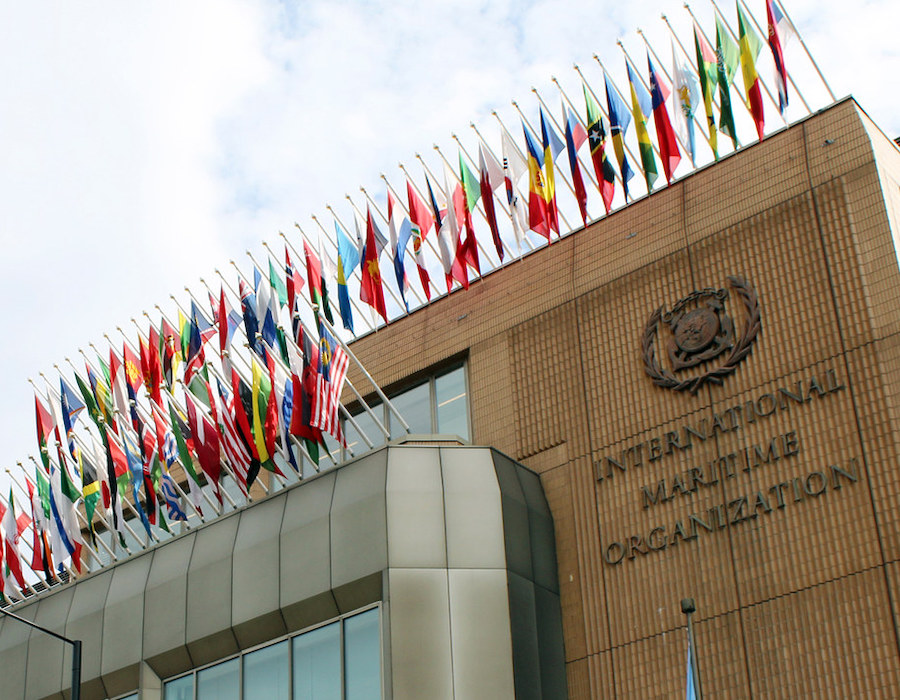
IMO headquarters

The Clean Arctic Alliance, a coalition made of non-profit organisations (NGO), on Monday (27 January) called for the International Maritime Organization (IMO) to support an immediate switch to distillate fuels for ships in the Arctic and develop a global rule prohibiting fuels with high Black Carbon emissions.

VLSFO and LSHFO usage will contribute to a massive increase of Black Carbon emissions which represents 7% to 21% of shipping’s overall GHG equivalent impact on the climate, it says. 

Clean Arctic Alliance is calling for IMO to support an immediate switch to distillate fuels for ships in the Arctic.

“If immediate action isn’t taken by the International Maritime Organization, the shipping industry’s use of very low sulphur fuel oil (VLSFO) – introduced to comply with the 2020 sulphur cap – will lead to a massive increase in Black Carbon emissions, and this will both accelerate the melting of Arctic sea ice and have a major impact on Earth’s climate,” said Clean Arctic Alliance Lead Advisor Dr Sian Prior. 

A paper submitted by Germany and Finland to the IMO’s PPR7 meeting in February found these new blends contain high levels of aromatic compounds which, when combusted, lead to an increase in emissions of Black Carbon when compared with heavier fuels and distillate fuels.

Black carbon is a short-lived climate forcer (SLCF), second only to CO2 in terms of international shipping’s contribution to global climate.

Seas at Risk Senior Policy Advisor John Maggs commented there are serious questions to be answered about how these blended super pollutant ‘Frankenstein’ fuels ever came to market. 

“It beggars belief that amidst a global climate crisis, the marine fuel industry could develop these VLSFOs without knowing their effect on Black Carbon emissions and the climate, particularly in the Arctic – especially as the IMO has spent almost a decade considering how to reduce Black Carbon emissions from shipping,” he added.

The Clean Arctic Alliance has written a letter containing the following questions to representatives of the marine fuel industry who prepared the definitive guidance on the supply and use of 0.5% sulphur marine fuel only months ago, to ask:

  • Were you aware that these new low sulphur heavy fuel blends had higher aromatic content?
  • Were you aware of the link between higher aromatic content in fuels and higher BC emissions?
  • If the answer to the above questions is “yes”, then why did you not immediately seek to halt the production of these fuels and alert the IMO?

The letter was sent to IACS, IBIA, IPIECA, IMarEST, IUMI, OCIMF, and the Royal Institute of Naval Architects – all of whom have consultative status to the IMO. The letter was also sent to ARA, Concawe, CIMAC and JPEC. All of the organisations are named as co-authors of of the Joint Industry Guidance on “The supply and use of 0.50%-sulphur marine fuel” published in August 2019.

“At next month’s PPR 7 meeting in London, the IMO must support an immediate switch to distillate fuels for ships in the Arctic and agree to develop a global rule prohibiting fuels with high Black Carbon emissions; in addition, IMO Members must adopt a resolution calling on shipowners, charterers, and fuel providers and other stakeholders to implement these measures on a voluntary basis while new regulations are developed and enter into force,” concluded Prior.

How the Super Polluter Fuels Were Discovered

Germany and Finland have submitted a paper to February’s Sub-Committee on Pollution Prevention and Response (PPR7) at the International Maritime Organization detailing the results of a measurement campaign which analysed the impact of different fuel oil qualities on Black Carbon emissions, including new low sulphur heavy fuel oil (LSHFO) which comply with the 2020 sulphur cap. The paper states that the findings “clearly indicate that new blends of marine fuels with 0.50% sulphur content can contain a large percentage of aromatic compounds which have a direct impact on Black Carbon emissions”, and “demonstrated that the combustion of fuels with higher aromatic content emits higher concentrations of Black Carbon”.

The Joint Policy Guidance on the supply and use of 0.5% marine fuel published by the marine fuel industry in August 2019, makes no mention of low sulphur fuel blends containing high levels of aromatic compounds nor of an increase of Black Carbon emissions of potentially up to 2.45 times that of distillate fuel.

When burnt these new fuel blends resulted in a 10 to 85% increase in Black Carbon emissions compared to heavy fuel oil and between 67% to 145% (a 2.45 times increase) when compared to DMA – the highest quality distillate fuel (along with DMZ) that is normally supplied for marine use. This work has profound implications for IMO’s efforts to reduce the impact of Black Carbon emissions on the Arctic, and for the shipping and oil refinery sectors’ response to climate change.

Did the fuel suppliers know that this would happen?

There were warning signs. The 2017 update of the IMO 2012 study Investigation of Appropriate Control Measures (Abatement Technologies) to Reduce Black Carbon Emissions from International Shipping (PPR 5/INF7) stated that “fuel factors such as heavy metal, oxygen, asphaltene and poly-aromatic hydrocarbon and ash content contribute to combustion characteristics” and thus Black Carbon emissions. Moreover, high aromatic content of fuels was recognized as likely having an influence on Black Carbon emissions, and was one of the contributors to the variability in Black Carbon reductions, i.e. 33% and 45%, when switching from residual to distillate fuels.

What’s the history of Black Carbon as a policy issue for shipping?

In 2011, the United Nations Economic Cooperation for Europe (UNECE) urged the IMO to act on Black Carbon, while in 2013/14 the Climate and Clean Air Coalition (CCAC) renewed a call for action on ship Black Carbon. In 2017, the Arctic Council established a target of a 25 – 33 percent reduction in Black Carbon emissions below 2013 levels by 2025 for all sources.


Photo credit: International Maritime Organisation
Published: 28 January, 2020

Continue Reading

Ammonia

HPA and MB Energy develop safety concept for STS ammonia bunkering

HPA says the Port of Hamburg will become “bunker ready” for ammonia, laying the groundwork for safe and reliable ammonia bunkering in the future.
Admin

Published

on

By

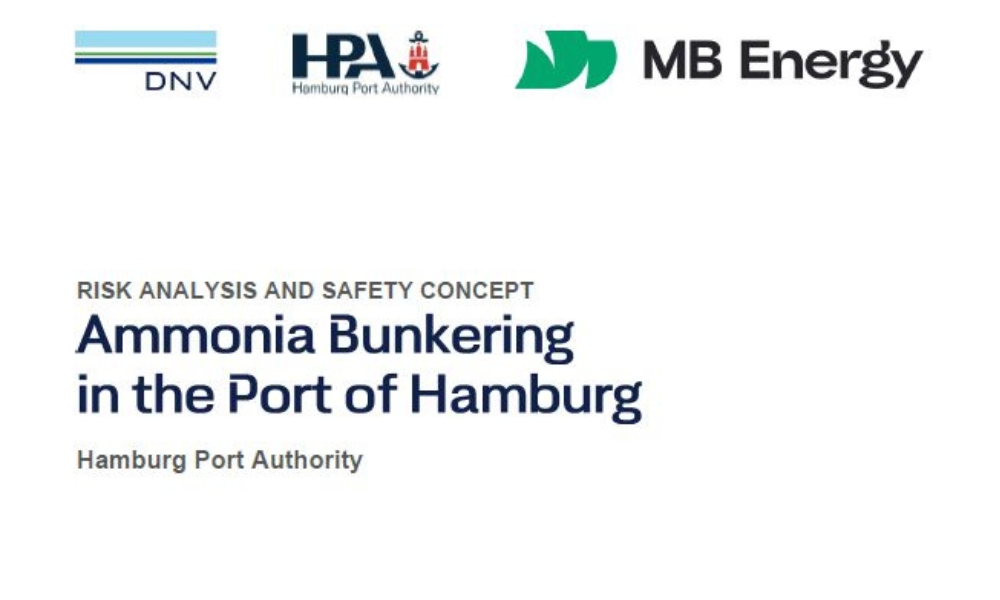
HPA and MB Energy develop safety concept for STS ammonia bunkering

The Hamburg Port Authority (HPA) and integrated energy company MB Energy on Tuesday (21 July) said they have completed a comprehensive risk analysis and developed a dedicated safety concept for ship-to-ship ammonia bunkering.

MB Energy said the analysis lays the groundwork for the safe introduction of ammonia as a future marine fuel.

“With our planned ammonia import terminal in Hamburg-Blumensand, MB Energy intends to provide the reliable land side supply infrastructure needed to support this transition across northern German ports,” it said in a social media post. 

Mabanaft Group was renamed to MB Energy last year and merged over 50 existing brands under one identity. 

Separately, HPA said the Port of Hamburg will become “bunker ready” for ammonia, laying the groundwork for safe and reliable ammonia bunkering in the future.

“The focus is in particular on container ships, cruise ships as well as RoRo and ConRo (Container/RoRo) ships,” it said. 

“We expect ammonia to establish itself as an alternative marine marine fuel in the coming years. With our preparatory work, we are already creating the conditions to welcome the first ammonia-powered ships in Hamburg and to bunker them safely.:

HPA added that the import terminal for ammonia planned by MB Energy from 2029 will make a decisive contribution to ensuring the reliable availability of ammonia as a bunker fuel in northern German ports in the long term. 

“The use of an ammonia bunker barge is considered a possible addition to the landside infrastructure to enable ship bunkering in the port and beyond in the future,” it said.

Related: Mabanaft Group renames as MB Energy, merging over 50 brands under one identity


Photo credit: Hamburg Port Authority
Published: 22 July, 2026

Continue Reading

Environment

Indonesia to expedite removal of sunken Malaysia-flagged tanker “Silver Sincere”

Vessel sank while carrying about 1,000 mt of waste oil on 12 January 2025; the wreck was discovered in March 2025 and was found to have drifted about 13 nautical miles from its original sinking site.
Admin

Published

on

By

Indonesia to expedite removal of sunken Malaysia-flagged tanker “Silver Sincere”

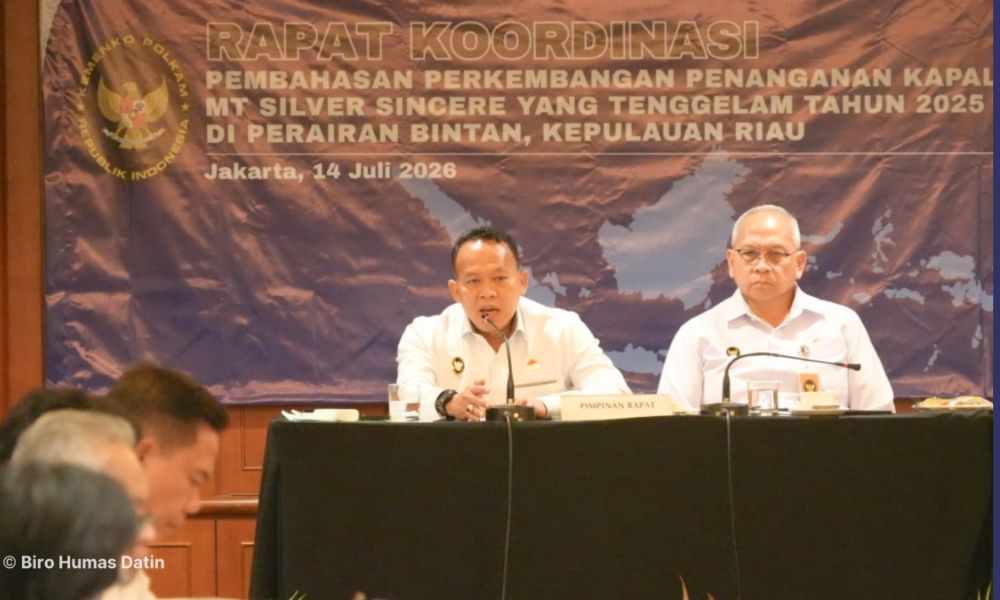
Indonesia’s Coordinating Ministry for Political and Security Affairs on Tuesday (14 July) held a cross-agency coordination meeting to expedite efforts in handling the Malaysian-flagged tanker Silver Sincere that sank off Bintan Regency, Riau Islands.

The vessel sank while carrying about 1,000 metric tonnes (mt) of waste oil on 12 January 2025. 

According to authorities, the ship sank within Indonesian waters. After several surveys, the wreck was finally discovered in March 2025 and it was found to have shifted approximately 13 nautical miles from the initial sinking location.

The meeting was aimed to align cross-ministerial and institutional measures to expedite the handling of the Silver Sincere wreck while minimising risks to shipping safety, the marine environment, and national interests.

Deputy for Coordination of State Defense and National Unity Purwito Hadi Wardhono emphasised that the handling of the impact of the Silver Sincere sinking was the first case to be comprehensively coordinated, serving as a model for handling foreign vessels sinking within Indonesian jurisdiction.

Through this cross-sectoral coordination, the government will establish a clear and measurable framework that can serve as a reference for resolving similar cases in the future, while minimising state losses due to environmental pollution, damage to underwater ecosystems and infrastructure, and disruption to shipping lanes.

“The most important thing is to immediately stop and prevent the negative impacts of this ship sinking,” Purwito said.

“Therefore, a coordinating role is crucial, as maritime security governance involves various ministries and institutions with varying authorities, allowing for faster, more integrated, and more effective response,” he said. 

He added that the Silver Sincere was a Malaysian-flagged vessel that sank within Indonesian jurisdiction, and therefore, all handling processes must comply with the provisions of Indonesian laws and regulations.

In the meeting, Prof. Eko Ganis Sukoharsono, representing the SAE Energy Consulting Team, presented the results of an analysis based on 14 observation periods using Sentinel-1 Synthetic Aperture Radar (SAR) satellite imagery. 

The analysis results showed strong indications of a waste oil spill that has resulted in marine pollution, damage to the seabed due to shifting shipwrecks, disruption of coastal ecosystems and fishing grounds, and potentially threatening the livelihoods of fishing communities around the Riau Islands. 

Purwito added these findings further emphasise the importance of accelerating the removal of the shipwrecks to prevent widespread environmental impacts, maintain shipping safety, and avoid the potential for greater state losses.

The meeting brought together representatives of related ministries and institutions including the Ministry of Foreign Affairs, Ministry of Defense, Ministry of Transportation, Ministry of Maritime Affairs and Fisheries, Ministry of Environment, Attorney General’s Office.  

Related: MPA: Malaysia-registered tanker “Silver Sincere” sinks off Pedra Branca


Photo credit: MarineTraffic / Julian T
Published: 20 July, 2026

Continue Reading

Methanol

China launches methanol shipping supply chain alliance to accelerate green transition

Marine fuel suppliers in the alliance include Sinopec Fuel Oil Sales, China Marine Bunker (PetroChina), SIPG Energy (Shanghai), and Shenzhen Port Energy Development.
Admin

Published

on

By

China Flag

China Waterborne Transport Research Institute under the Ministry of Transport and China Transport News recently jointly launched a Methanol Fuel Shipping Supply Chain Innovation Alliance with 20 organisations spanning the shipping, port, energy, equipment, research and industry association sectors.

The alliance was officially announced during the main event of China Maritime Day 2026 on 11 July, where members also released a joint initiative to develop a collaborative methanol-fuelled shipping supply chain.

The alliance aims to implement China’s national strategy for green economic transformation and support the Ministry of Transport’s “One Network, Four Modernisations” initiative by building a safe, efficient, economical and reliable methanol marine fuel supply chain

Under the joint initiative, alliance members pledged to align with China’s national decarbonisation strategy by promoting methanol as a key pathway for the shipping sector’s green transition and optimising the industry’s energy mix.

The members also pledged to strengthen collaboration across the supply chain to improve coordination between bunker fuel production, transportation and end users while advancing technological innovation.

Lastly, the alliance will support the development of policies, planning and technical standards, promote resource sharing and joint research, and accelerate the large-scale adoption of methanol as a marine fuel.

The alliance brings together companies and organisations representing the entire methanol shipping supply chain.

Members include shipping and port members such as China Changjiang National Shipping (Group) Corporation, COSCO Shipping Bulk Co., Ltd., Shandong Port Group, and Wuhan Chuangxin Jianghai Shipping Co., Ltd.

Energy companies in the alliance include Sinopec Chemical Commercial Holding Company Limited and Methanex Corporation.

Marine fuel suppliers including Sinopec Fuel Oil Sales, China Marine Bunker (PetroChina), SIPG Energy (Shanghai) Co Ltd and Shenzhen Port Energy Development Co Ltd are also part of the alliance. 

Equipment manufacturers in the alliance are CSSC 711th Research Institute, CSSC Power (Group) Corporation Ltd and Chongqing Hongjiang Machinery Co Ltd.

Research, media and industry organisations participating in the alliance include the China Waterborne Transport Research Institute, China Transport News, and the Methanol Institute.

The Methanol Institute said methanol is moving beyond individual projects towards coordinated action across the entire value chain. 

“And China continues to play a leading role in advancing methanol as a marine fuel,” it said in a social media post.  

“We’re proud to work alongside our fellow alliance members to help strengthen the methanol supply chain and support the continued growth of methanol as a marine fuel.”


Photo credit: David Yu from Pixabay
Published: 17 July, 2026

Continue Reading

Trending