
Alternative Fuels
Port of Rotterdam Authority voices support for Fuel EU Maritime initiative
The Port of Rotterdam Authority supports initiative and actively encourages the use of alternative bunker fuels, partly through the Incentive Scheme Climate-Friendly Shipping.

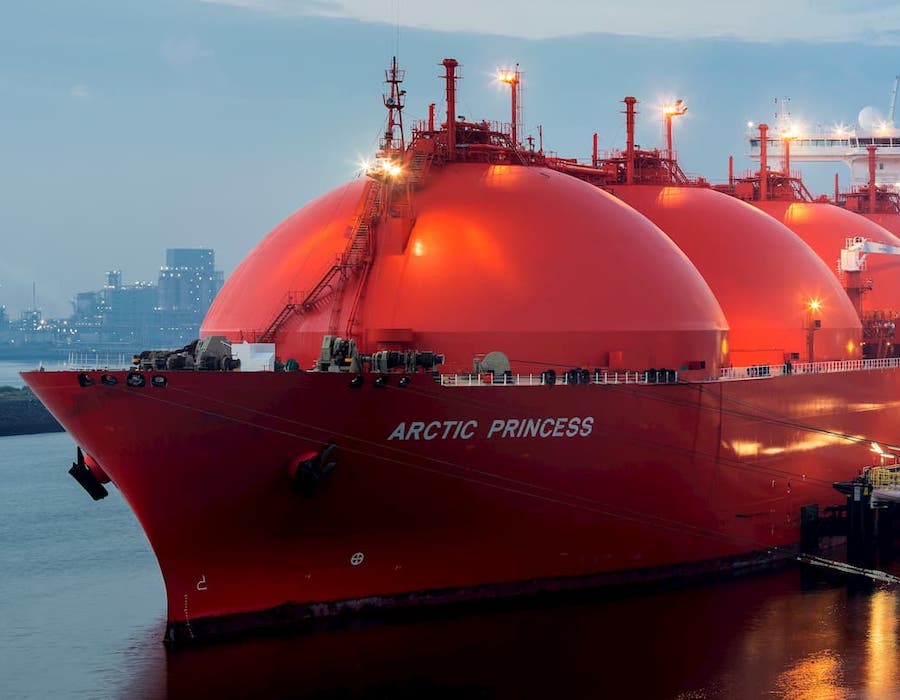
LNG Bunkering
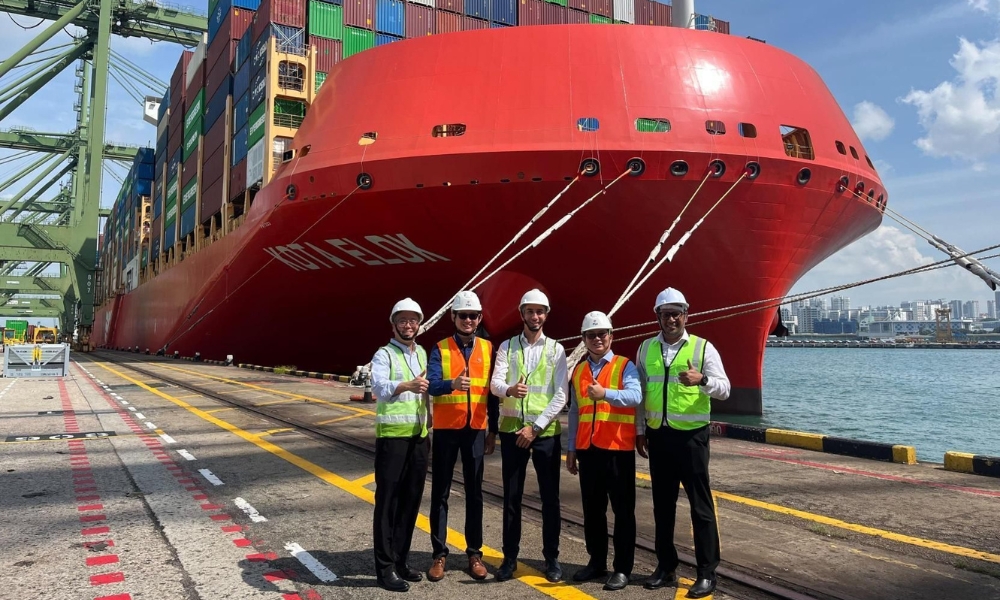
PIL’s LNG dual-fuel boxship “Kota Elok” arrives in Singapore on maiden call
As the first of 13 new 13,000 TEU vessels joining its fleet, Kota Elok is equipped to operate on LNG and low-sulphur fuel oil that helps reduce our greenhouse gas emissions.
LNG Bunkering
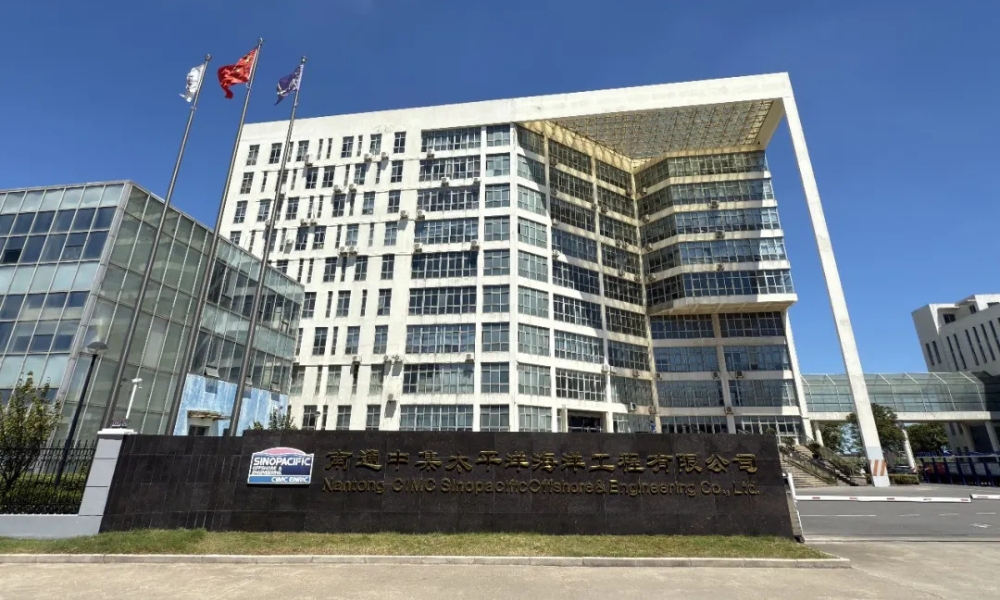
CIMC SOE secures order for 12,000-cbm LNG bunkering vessel from Sinopec Clean Energy
Once operational, the vessel is expected to strengthen Sinopec’s domestic coastal LNG bunkering network and help address gaps in China’s alternative fuel bunkering infrastructure.
Nuclear
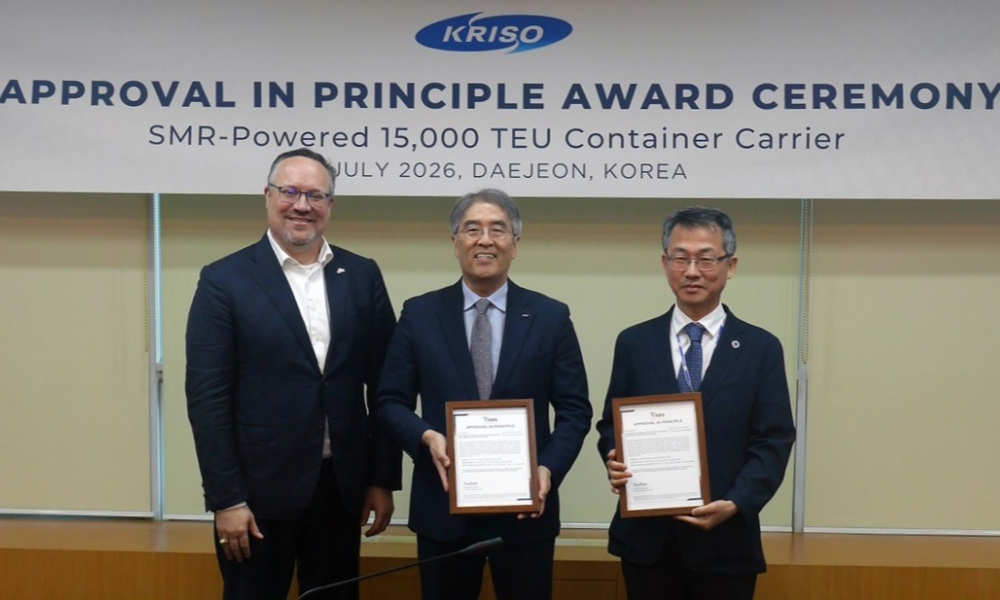
ABS awards AiP to Korean institute for SMR-powered container ship concept design
KRISO says AiP recognises the technical feasibility and safety of its concept design, marking an important milestone toward the development of next-generation nuclear-powered commercial ships.

OUR INDUSTRY PARTNERS

Singapore withdraws remaining 127 charges against Hin Leong founder OK Lim

Singapore: Coastal Logistics Pte Ltd to be wound up voluntarily

PIL’s LNG dual-fuel boxship “Kota Elok” arrives in Singapore on maiden call

CIMC SOE secures order for 12,000-cbm LNG bunkering vessel from Sinopec Clean Energy

ABS awards AiP to Korean institute for SMR-powered container ship concept design

EXMAR’s “ANTWERPEN” completes first commercial voyage using ammonia bunker fuel

ENGINE on Fuel Switch Snapshot: LSMGO surges to greater premium over biofuel

US reinstates Iran oil sanctions, orders wind-down by 17 July

ENGINE: East of Suez Fuel Availability Outlook (7 July 2026)

ENGINE: Europe and Africa Fuel Availability Outlook (8 July 2026)

Malaysia: Maharani Freeport to implement MFM and e-BDN technologies for enhanced bunkering transparency

Evergreen Marine director questioned, offices searched in Taiwan insider trading probe

Singapore retains world’s leading maritime centre ranking in 2026 ISCD Index

Russian court orders marine fuel supplier Transbunker assets transferred to state
-
 Sanctions2 weeks ago
US reinstates Iran oil sanctions, orders wind-down by 17 July
-
 Bunker Fuel Availability2 weeks ago
ENGINE: East of Suez Fuel Availability Outlook (7 July 2026)
-
 Bunker Fuel Availability2 weeks ago
ENGINE: Europe and Africa Fuel Availability Outlook (8 July 2026)
-
 Technology7 days ago
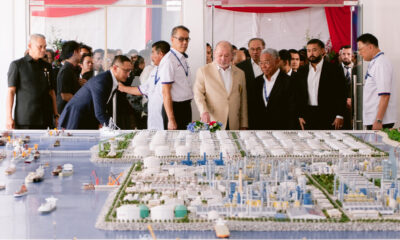
Malaysia: Maharani Freeport to implement MFM and e-BDN technologies for enhanced bunkering transparency
-
 Legal2 weeks ago
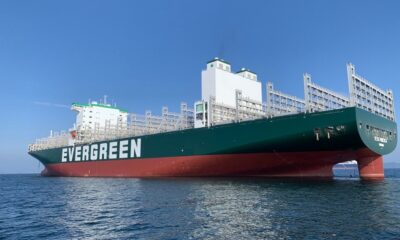
Evergreen Marine director questioned, offices searched in Taiwan insider trading probe
-
 Business2 weeks ago
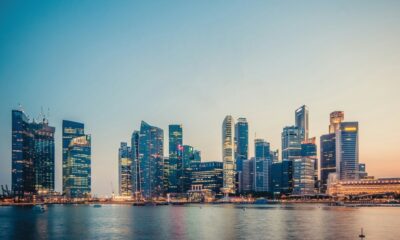
Singapore retains world’s leading maritime centre ranking in 2026 ISCD Index
-
 Legal2 weeks ago
Russian court orders marine fuel supplier Transbunker assets transferred to state
-
 Lubricants2 weeks ago
VPS on longer drains, lower cost: The role of oil analysis of synthetic engine oils