Connect with us
DNV Decarbonization Insight Series August 2026 - What maritime professionals should know about AI Training

Alternative Fuels

2019 – A good year for LNG as marine fuel, says Wessel Marine

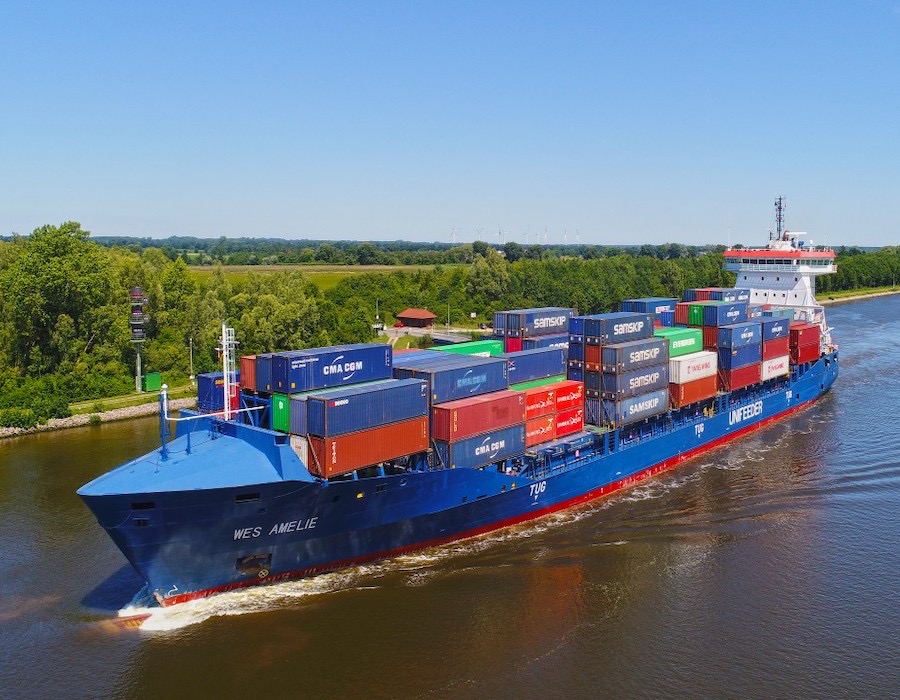
Generated savings for bunker costs (LNG versus MGO) of LNG-retrofitted Wes Amelie was approximately 2.750 EUR per day and almost one million EUR in 2019.

Admin

Published

on

2019 A good year

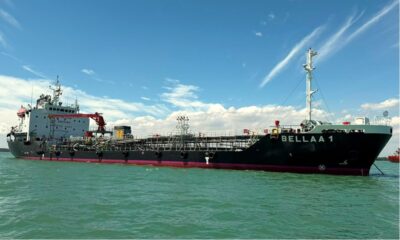
Christian Peter Hoepfner, Managing Partner of Wessels Marine, on Monday (13 January) published an article examining the generated savings for bunker costs [liquefied natural gas (LNG) versus marine gas oil (MGO)] enjoyed by the LNG-retrofitted Wes Amelie in 2019:

Unifeeder, the operator of the LNG retrofitted Wes Amelie and first adopter of LNG as marine fuel in the European container feeder segment, must be quite satisfied with the bunker costs of the vessel in 2019.

MV Wes Amelie, a 1.000 TEU container feeder vessel converted to LNG operation in 2017, is operated in one of Unifeeder’s widely ramified feeder network in the North and Baltic Sea and frequently calling Rotterdam as its main port. From Rotterdam the vessel is passing the Kiel Canal and serving several ports in the Baltic. After each round voyage, which takes between 12-13 days, the vessel receives an average of 130 tons of LNG per bunkering. Since July last year LNG bunkring can be done ship-to-ship. So, on that particular service the vessel consumes an average of 10 tons per day and that consumption per day applies to the full year.

In 2019 the generated saving in bunker costs, LNG versus MGO, was approximately 2.750 EUR per day, almost one million EUR the year. And that does not include the extra savings generated due to rebated harbor dues. This saving potential makes the vessel quite attractive and explains, why the vessel is in her third consecutive time charter year with Unifeeder.

It’s quite simple, the bigger the price gap between LNG and low sulfur fuels are and the higher the consumption is, the better is the saving. The price for LNG was, on average, on the lower side in 2019. And this flat price scenario obviously remains in 2020. Today, January 12th, “usually” a cold season in the northern hemisphere, the TTF is extremely low with 11,80 EUR per mWh. Twelve days ago, the price gap in Rotterdam between a delivered ton of LNG and a ton of MGO was around 235,00 EUR, on an energy content basis the cost advantage was even apprx. 315,00 EUR.

LNG Traders are expecting similar price developments in 2020. With this outlook in combination to the tightened price development of low sulfur fuels under the sulfur cap year we might see promising price gaps between LNG and low sulfur fuels again in 2020.

Competitive prices, that is one of two important elements that the ongoing spread of LNG as marine fuel needs. And the price for LNG definitely is competitive to conventional fuels, even against heavy fuel oil. And the other element, which is the LNG bunker infrastructure, is developing quite dynamically with a number of orders placed.

A view into the order books of the shipbuilders around the globe shows, that LNG powered vessels are increasingly represented. That presently applies more to vessel segments which are predestined for the use of LNG, segments that are predominantly operating intra-regionally. We already see container feeder vessels, chemical tankers, cement carriers, ferries, cruise vessels, dredgers and even authority vessels that are using LNG as fuel. And globally operating vessels are following, the ULCC ‘CMA CGM Jacques Saade’ is quite an impressive example and even bigger bulkers are already using LNG.

At Wessels Marine we see a huge potential for further LNG powered vessels, predominantly in Europe with just a little time lapse of course also in Asia and the Americas. The LNG bunker infrastructure is the determining factor and presently Europe provides the highest coverage of LNG bunker opportunities, but other regions are catching up.

With remaining sustainably attractive on the price side, the necessary extra investment for the LNG propulsion can be amortized within a reasonable period. In Europe LNG as marine fuel has basically been established and with each new bunker vessel in place it becomes more and more attractive. Where scrubbers offer commercial advantages only, LNG adds to the commercial advantage a significant improvement to the environment and, even more important, opens the door to carbon neutral transportation, a goal we all should aim for.


Photo credit and source: Wessels Marine
Published: 15 January, 2020

Continue Reading

LNG Bunkering

Shell expands LNG bunkering footprint in Spain with Valencia

As one of the region’s key maritime hubs, the company said Valencia expands the options available to shipowners seeking LNG supply along major shipping routes.
Admin

Published

on

By

Shell expands LNG bunkering footprint in Spain with Valencia

British oil giant Shell on Thursday (13 August) said Valencia has joined its growing network of bunkering locations, making LNG available as a marine fuel.

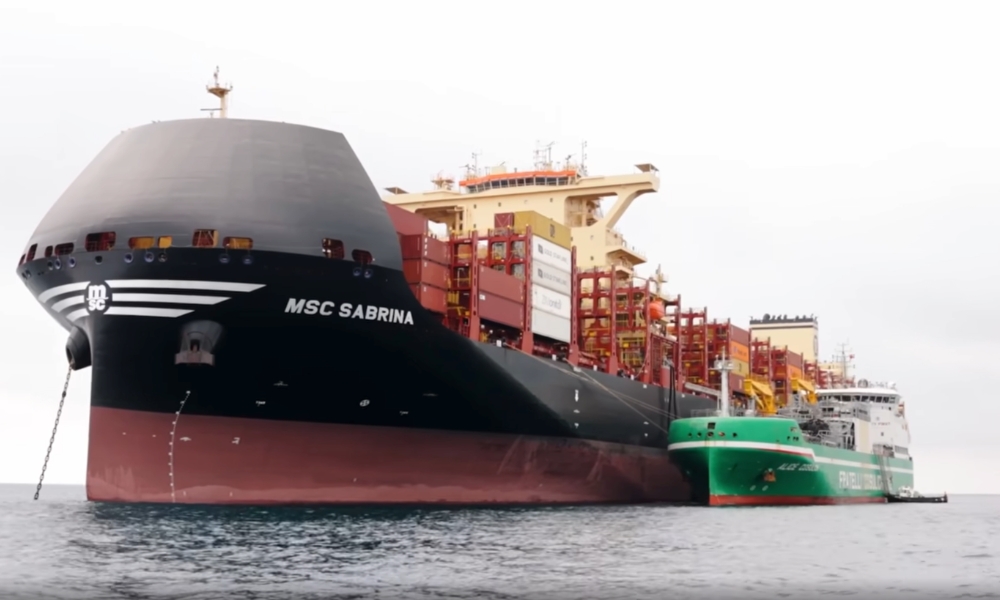
The successful completion of the first LNG bunkering operation in Valencia marked an important milestone for Spain and further strengthened Shell’s LNG supply capabilities across the Mediterranean. 

In a video shared by the company, bunkering vessel Alice Consulich was shown supplying an undisclosed volume of LNG to the container ship MSC Sabrina.

“As one of the region’s key maritime hubs, Valencia expands the options available to shipowners seeking LNG supply along major shipping routes,” Shell said in a social media post. 

Shell said the achievement reflected the strong collaboration across the maritime value chain, including MSC Mediterranean Shipping Company, the Port of Valencia and Fratelli Cosulich Group.

“We look forward to making more LNG bunker deliveries in Valencia and across the Mediterranean as LNG infrastructure and capabilities continue to expand,” the company said. 


Photo credit: Shell
Published: 14 August, 2026

Continue Reading

LNG Bunkering

Énestas and Power LNG join forces on Galveston bunkering

Énestas will provide capital, LNG transport and storage equipment, and downstream expertise to support Power LNG’s planned liquefaction and marine bunkering facility on Pelican Island.
Admin

Published

on

By

Stabilis Solutions enter 10-year LNG bunkering supply deal for Port of Galveston

Power LNG (Power LNG) and Mexico’s LNG infrastructure and downstream natural gas company Énestas on Wednesday (12 August) announced the execution of definitive agreements establishing a strategic partnership to accelerate the development of LNG infrastructure at the Port of Galveston.

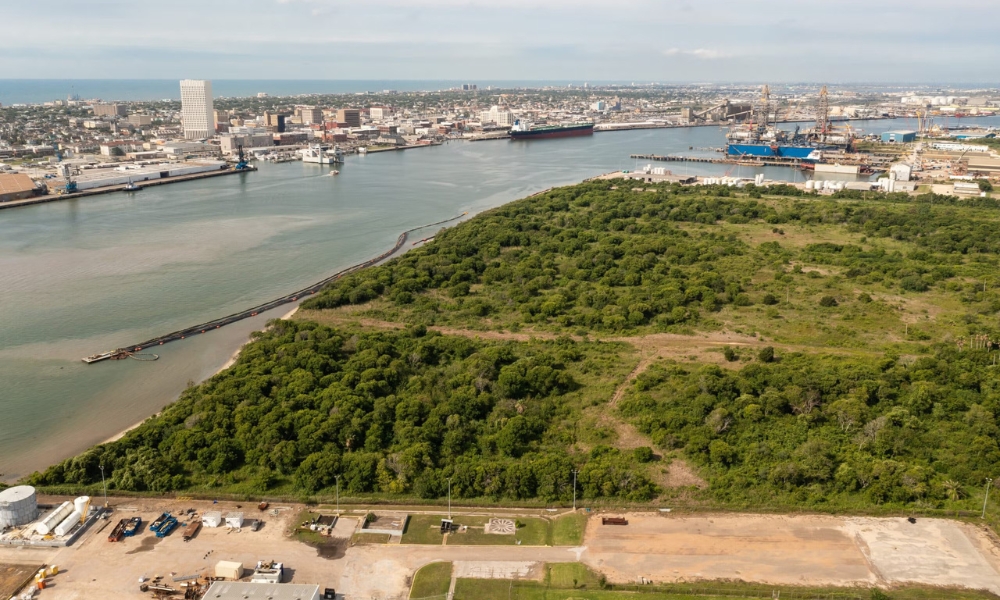
Under the agreement, Énestas will provide capital, LNG transportation and storage equipment, and downstream operating expertise to support the development of the Harborside Terminal and Project Seawolf, Power LNG’s planned LNG liquefaction and marine bunkering facility on Pelican Island.

The partnership creates an immediate pathway to begin LNG distribution by truck while Project Seawolf is under development, supporting marine fueling, virtual pipeline customers, industrial users, and LNG exports throughout the Gulf Coast, Latin America, and the Caribbean.

“Our vision has always been to establish Galveston as the premier LNG hub for the Gulf Coast,” said Austin Terry, Founder and CEO of Power LNG. 

“Énestas brings years of operational experience, proven LNG infrastructure, and a talented team that understands how to deliver LNG safely and efficiently. Together, we can immediately begin serving customers while laying the foundation for one of the most strategic LNG bunkering facilities in North America.”

Project Seawolf will provide LNG for marine bunkering, truck loading, virtual pipeline distribution, and international exports. The facility is strategically located at the Port of Galveston, serving one of the fastest-growing cruise, cargo, and energy corridors in the United States.

For Énestas, the transaction represented an important milestone in the company’s international growth strategy.

“This partnership represents a natural evolution for Énestas as we expand our downstream LNG business into the United States,” said Caio Zapata, Chief Executive Officer of Énestas. 

“For more than a decade, Énestas has developed and operated LNG infrastructure throughout Mexico, helping customers transition to cleaner, more reliable energy. Partnering with Power LNG allows us to leverage that experience in one of the most attractive LNG markets in North America. We see tremendous opportunities in marine bunkering, virtual pipeline logistics, industrial LNG supply, and exports to Latin America and the Caribbean, and we are excited to build that future together.”

The companies expect the partnership to support near-term LNG truck loading operations while advancing the long-term development of Project Seawolf, which is designed to become a regional hub for LNG production, marine fueling, and distribution.

The collaboration also establishes a platform to pursue additional downstream LNG opportunities throughout the Gulf Coast, utilising Énestas’ operational expertise together with Power LNG’s project development capabilities.


Photo credit: Port of Galveston
Published: 14 August, 2026

Continue Reading

LNG Bunkering

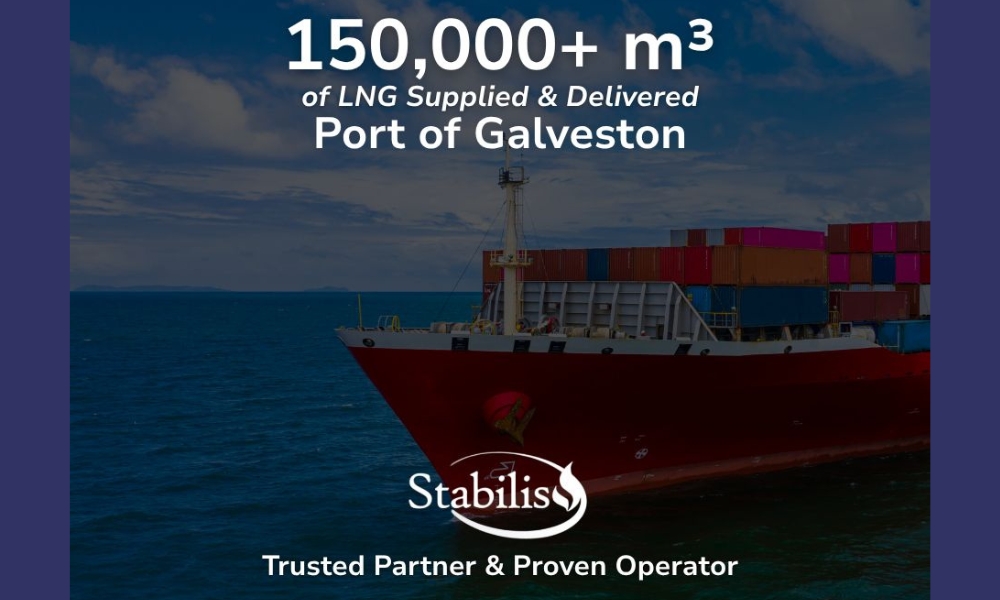
Stabilis delivers more than 150,000 cbm of LNG bunker fuel at Galveston

Company says the advancement of its proposed Stabilis Galveston LNG Facility is a natural progression of its established LNG bunkering footprint in Galveston.
Admin

Published

on

By

Stabilis delivers more than 150,000 cbm of LNG bunker fuel at Galveston

Clean energy production solutions provider Stabilis Solutions (Stabilis) on Thursday (13 August) said it has completed 97 LNG bunkering operations and delivered more than 150,000 m³ of LNG to customers in the Port of Galveston.

“As the only physical supplier of LNG on the Gulf Coast to reach this milestone, we’ve earned a reputation as a trusted, proven operator — both with local Galveston stakeholders and with the world’s largest cruise operator,” the company said in a social media post.

“That trust is reflected in the 10-year LNG offtake agreement we executed in December 2025.”

The company said the advancement of its proposed Stabilis Galveston LNG Facility is a natural progression of its established LNG bunkering footprint in Galveston. 

“As a Houston-based company, we believe in the Texas economy and the future growth of the Port of Galveston,” it added.

“That belief is why we’ve invested heavily over the past four years in the planning, permitting, and engineering design work to develop the most advanced, derisked, shovel-ready small-scale LNG liquefaction project on the Gulf Coast.”

Manifold Times previously reported Stabilis stating that the proposed Stabilis Galveston LNG Facility is anticipated to be in production by the third quarter of 2028.

It will come complete with the delivery of the first new-build, dedicated Jones Act-compliant LNG bunker barge in the Galveston/Houston area.

This comes following Stabilis receiving a Letter of Recommendation from the US Coast Guard following their formal review of the proposed Stabilis Galveston LNG Facility and associated waterfront LNG loading, marine transportation, and LNG bunkering operations in the Port of Galveston.

Related: Stabilis Solutions targets Q3 2028 launch for Galveston LNG bunkering facility
Related: Stabilis Solutions terminates 10-year LNG supply deal, expects delay in Galveston project


Photo credit: Stabilis Solutions
Published: 14 August, 2026

Continue Reading

Trending