

Martin Crawford-Brunt cautions a single fuel for the maritime industry may end up representing a danger to decarbonisation and is not the solution some seek.
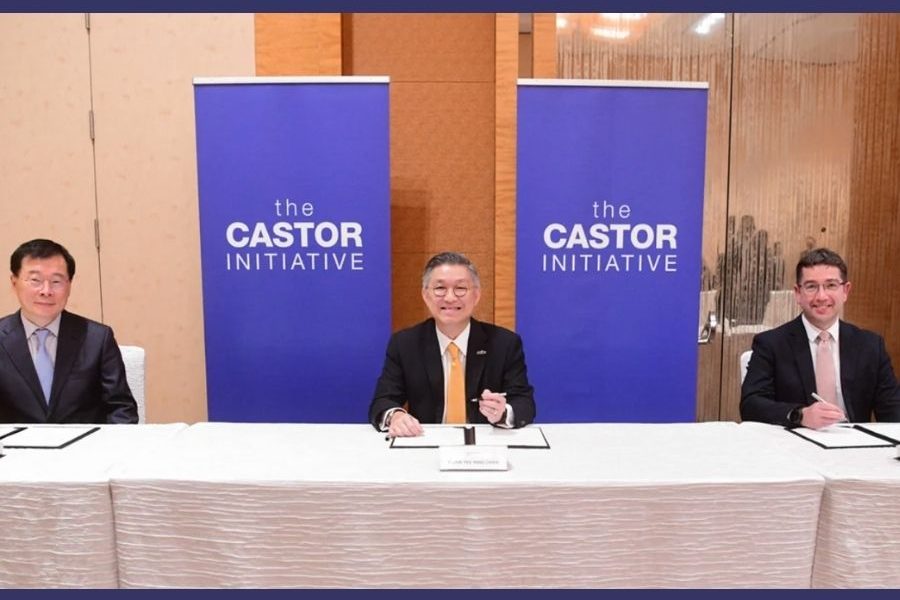

Three founding members will develop and construct two zero-emission VLCCs and focus on identifying green shipping corridors to facilitate the bunkering of these carriers.
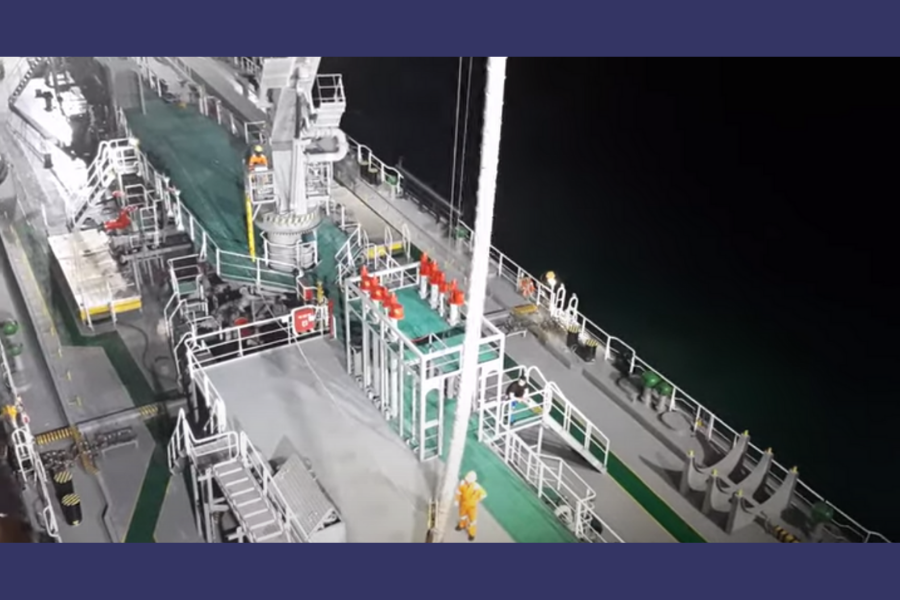

The trial required no modifications to marine engines or fuel infrastructure and showed that marine biofuel product can help to reduce emissions in shipping.
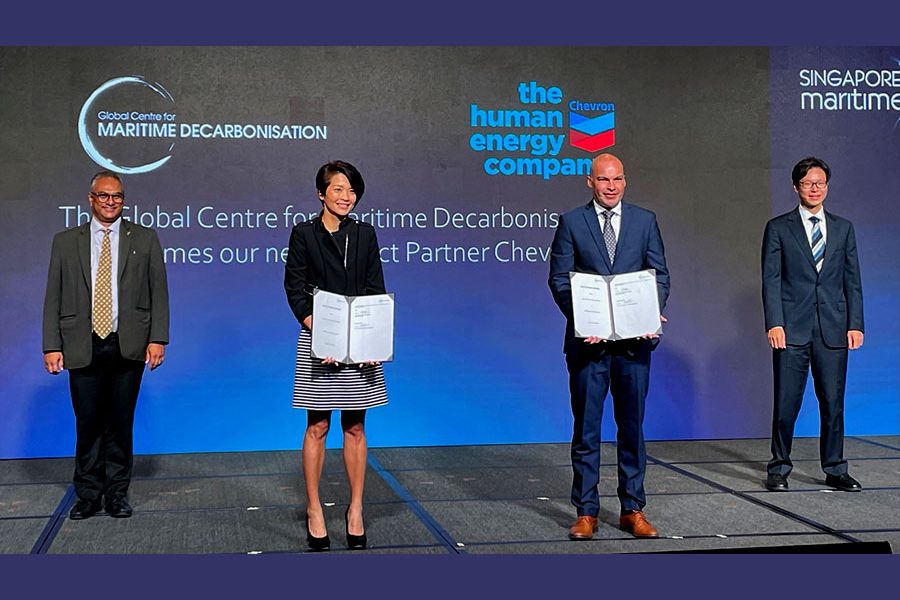

Chevron to support GCMD’s efforts to develop potentially scalable lower carbon technologies and the commercial means to enable their adoption.
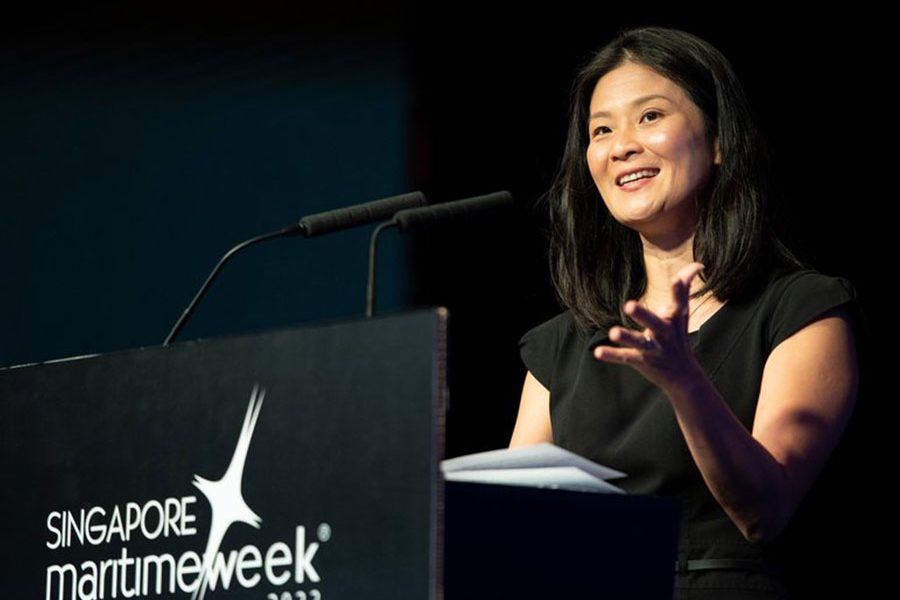

MPA working on twin goals of developing Singapore as an International Maritime Centre and a leading Centre for Green Finance in Asia, says Chief Executive.
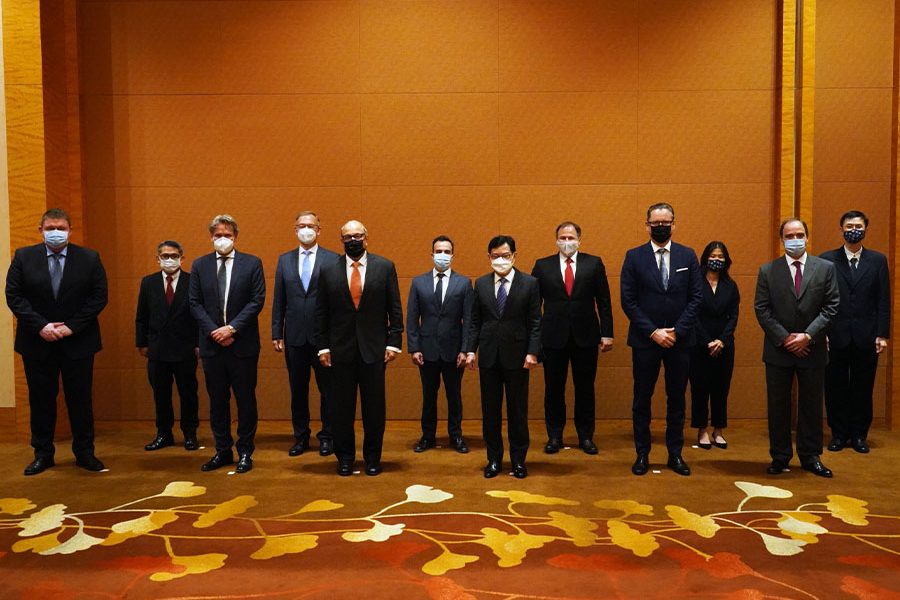

Maritime IAP noted need to balance between viable bunker fuel solutions in near term, while retaining flexibility to respond to technological advances.
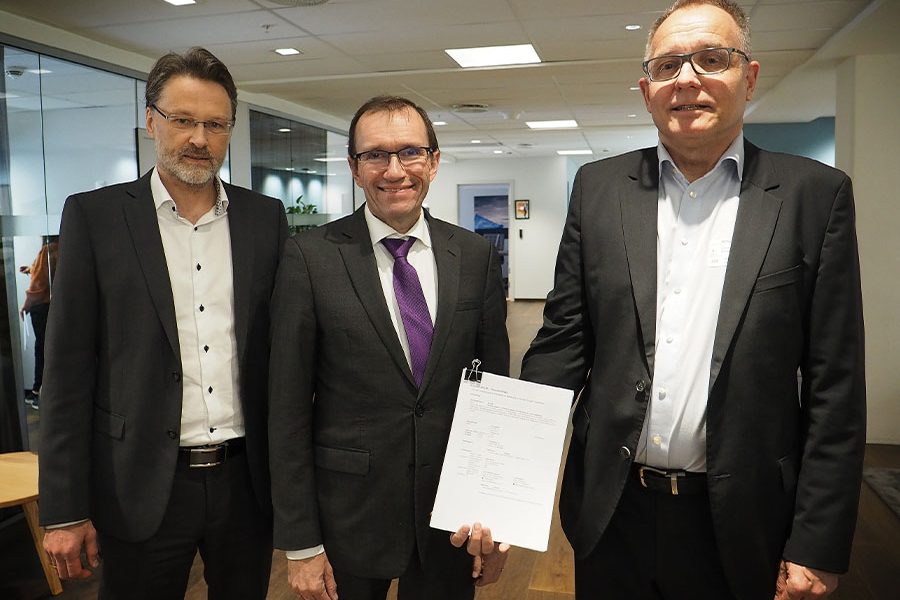

Chalmers, IVL, MAN Energy Solutions, Menon, Litehauz working together with DNV on the Nordic Council of Ministers funded project which will run for four years.
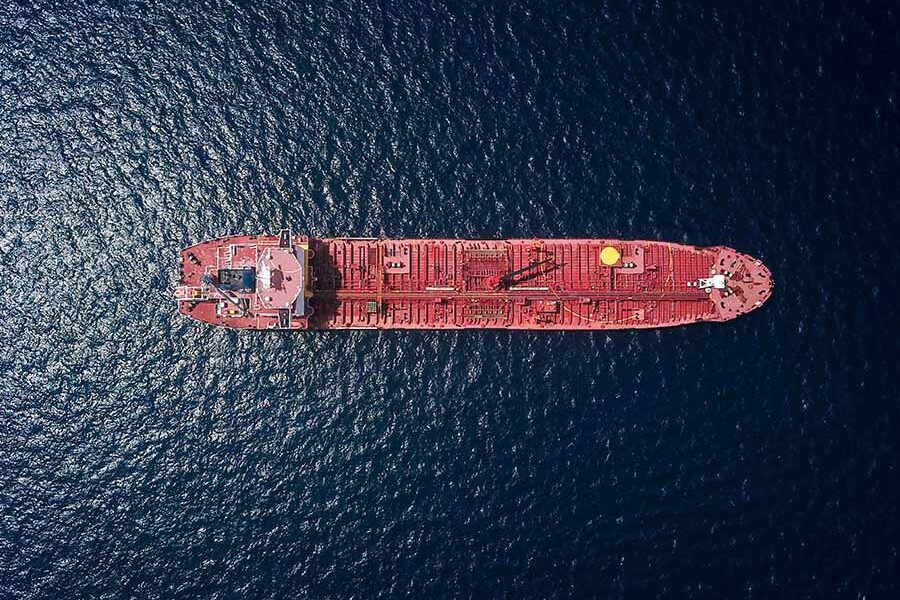

Perhaps the largest concern over a voluntary carbon credit market is whether it is a form of greenwashing, especially when low-quality credits are used.
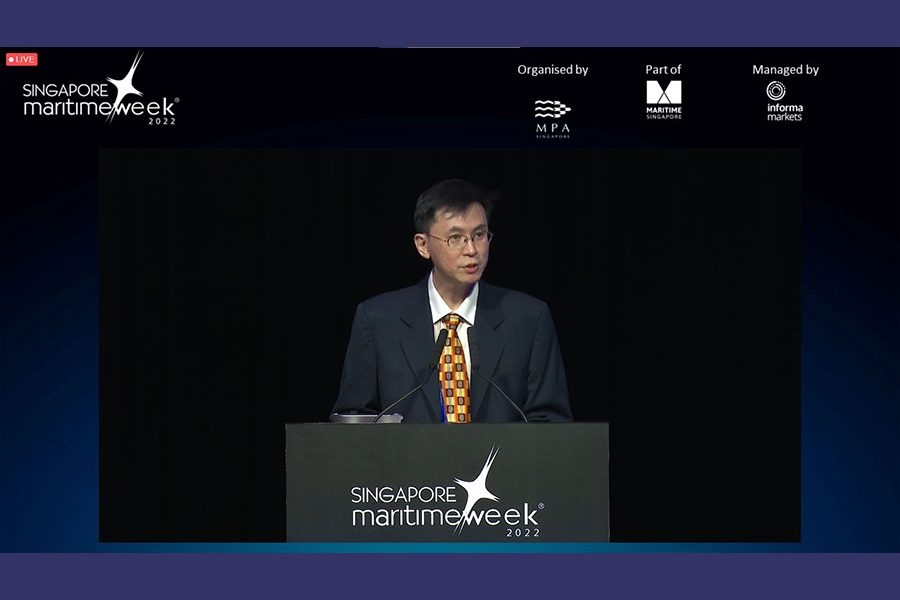

Multiple MOUs signed on Wednesday to develop use of ammonia and methanol as a bunker fuel, says Assistant Chief Executive (Industry) of MPA.
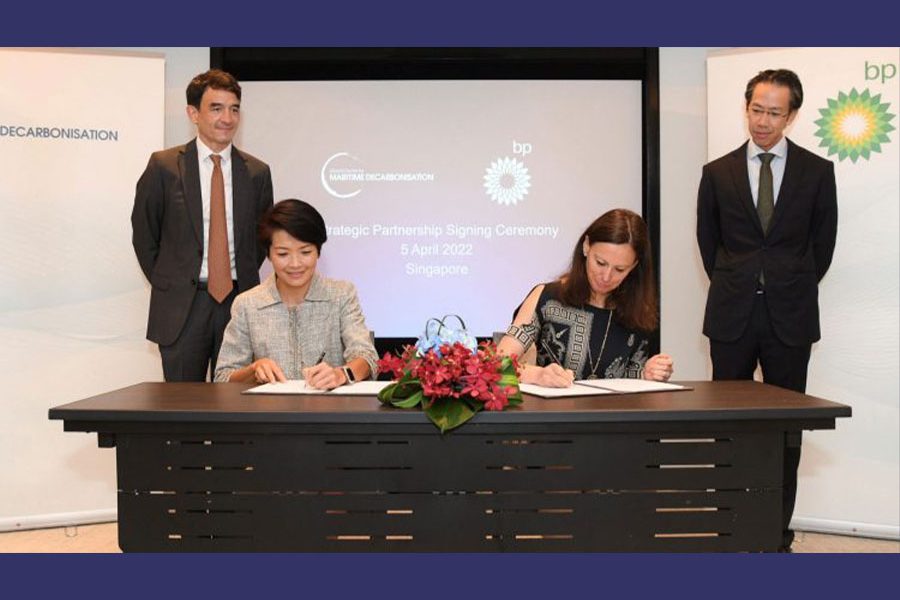

Partnership follows bp’s ties with Global Maritime Forum, Mærsk Mc-Kinney Møller Center for Zero Carbon Shipping, and Blue Sky Maritime Coalition.


