
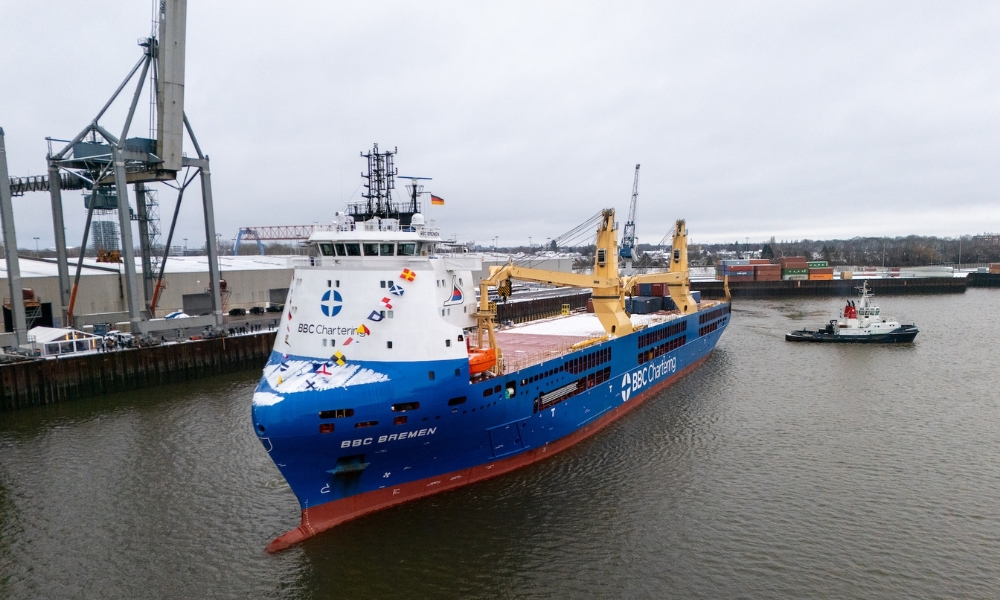

Under the agreement, BBC Chartering will purchase 5,000 tCO2e through Ahti Pool to fulfil its compliance obligations.

LR says the trajectory of the retrofit market will depend heavily on regulatory developments, particularly any progress on a global framework to incentivise zero- and near-zero...
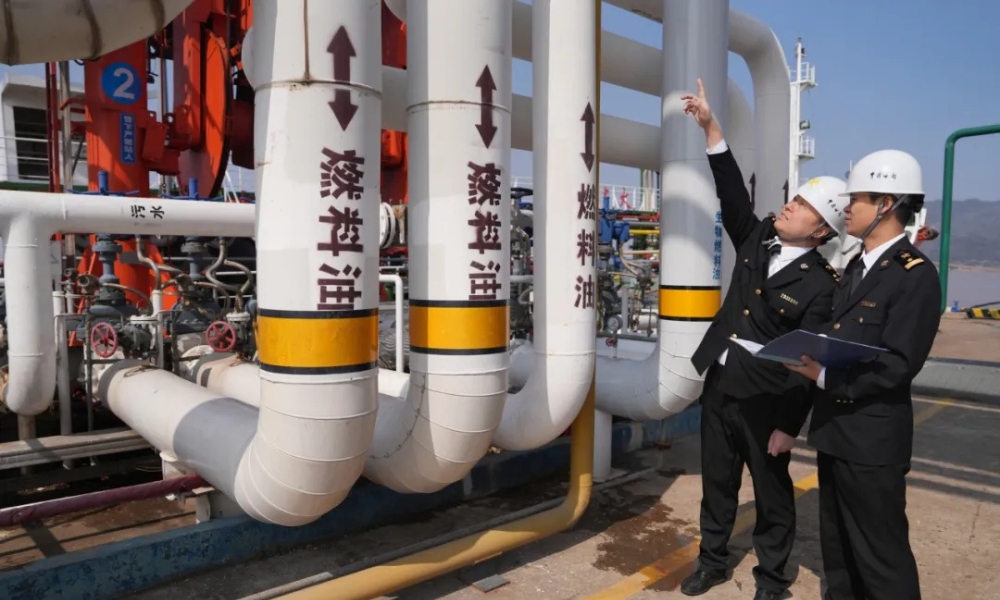

Event highlights China’s biofuel blending sector achieving a full supply chain—from storage tank blending to bunkering—marking another milestone for the China (Zhejiang) Pilot Free Trade Zone.
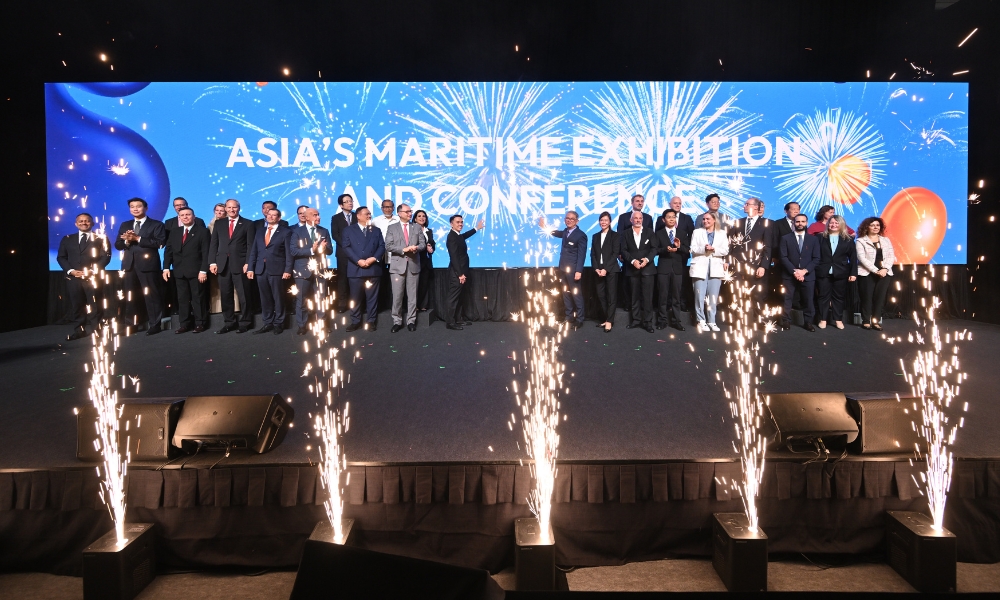

Keynote panel brought together industry leaders to discuss how maritime leaders are responding to rising geopolitical tensions, fuel and cost volatility, regulatory uncertainty, and long investment...
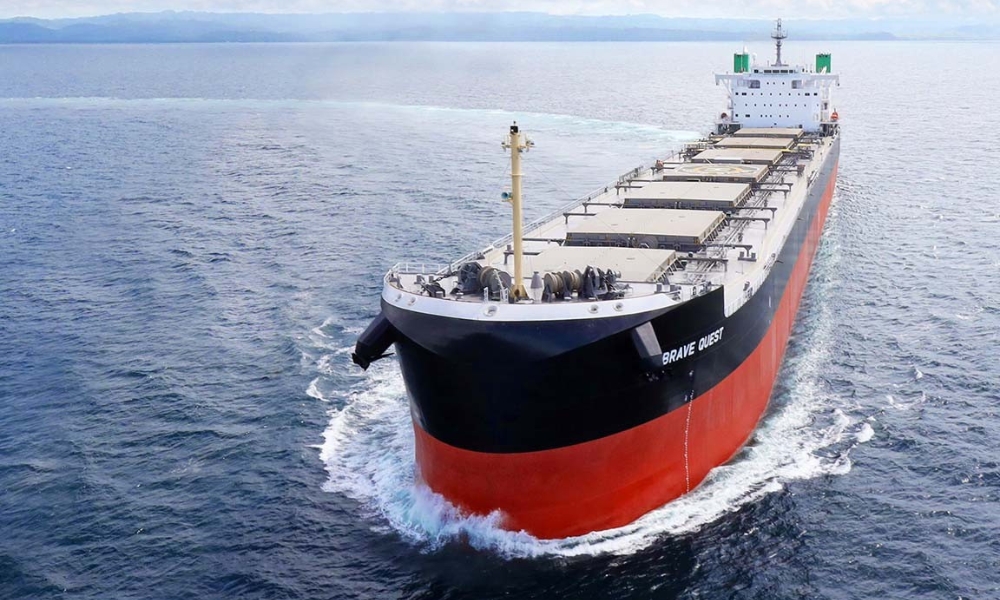

“Brave Quest”, a 45,500 GT vessel, was constructed at Tsuneishi Heavy Industries (Cebu) and is part of the Kamsarmax class.
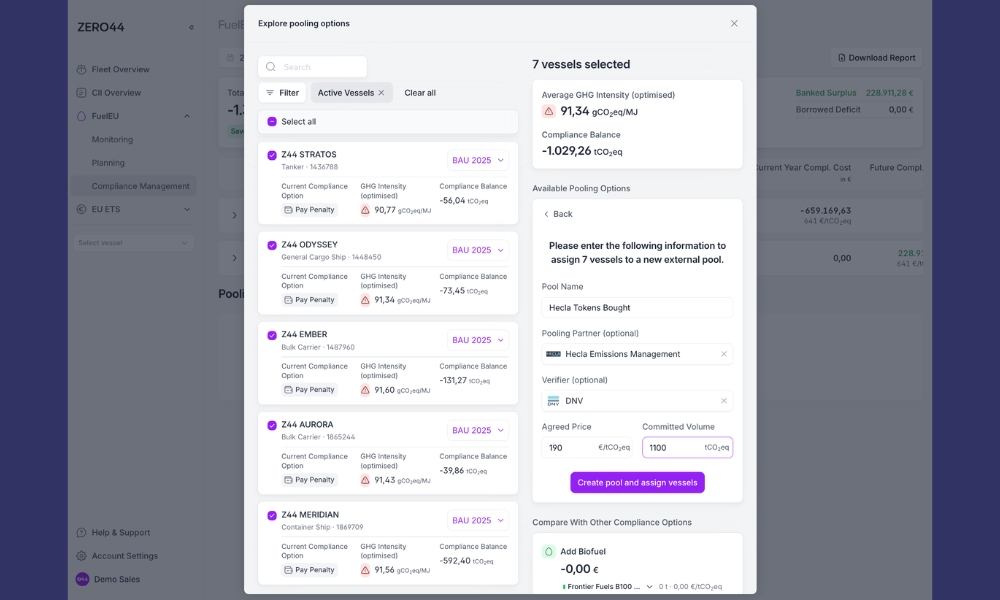

Partnership comes at an important time when the first FuelEU Maritime reporting year has come to an end, companies with vessels in deficit can no longer...
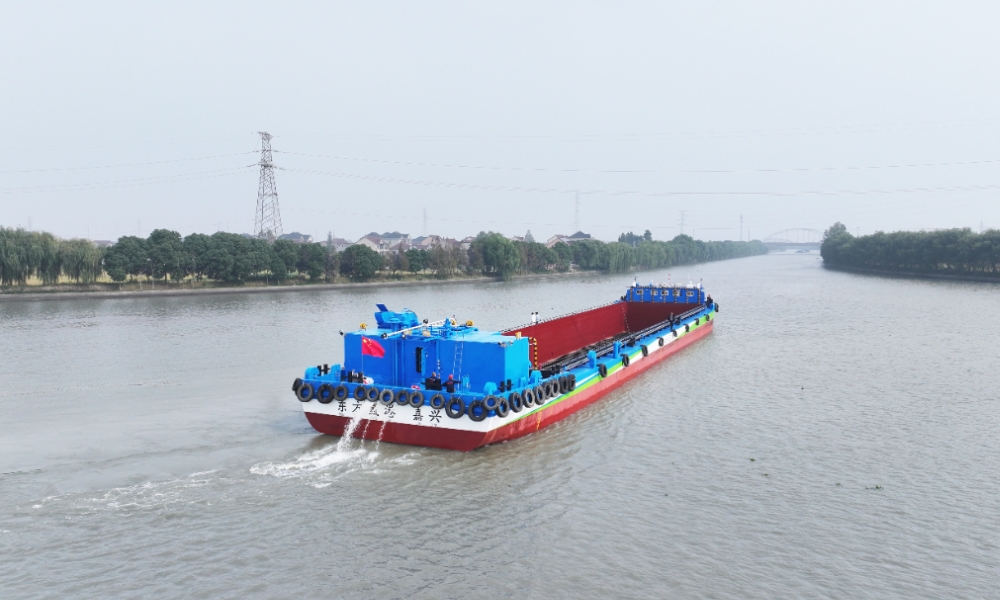

“Dong Fang Qing Gang” completed a sailing distance of 83.7 km with a total duration of approximately eight hours before berthing at Hangzhou Xiasha Port during...
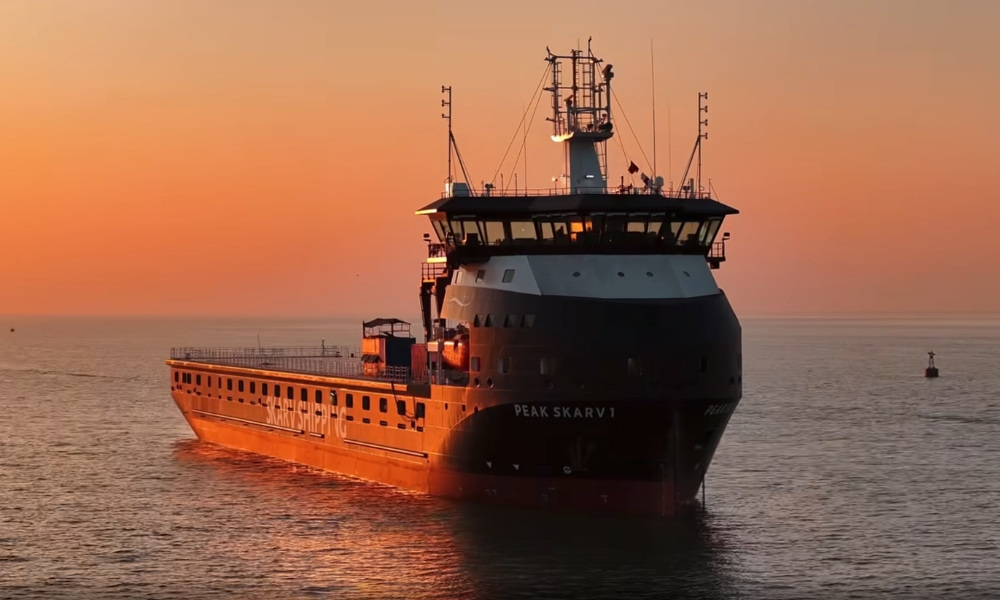

“PEAK SKARV 1”, the first newbuilding contracted for Skarv Shipping at Huanghai Shipbuilding in China, includes an optimised engine ready for ammonia or methanol, batteries and...
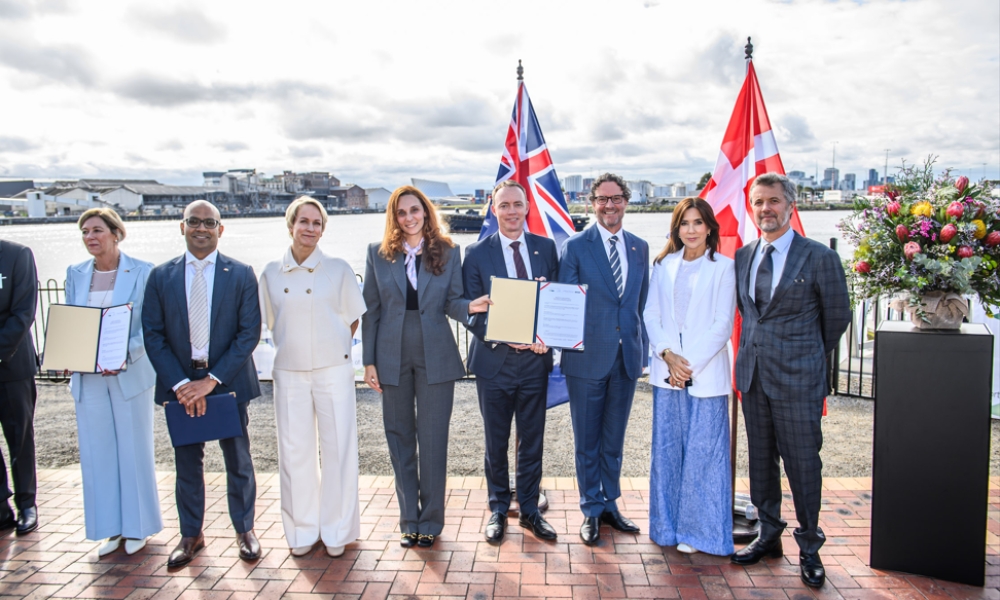

Both inked a MoU to explore the deployment of next‑generation electric tugboats and the clean‑energy infrastructure required to operate them in Australia’s largest container port.
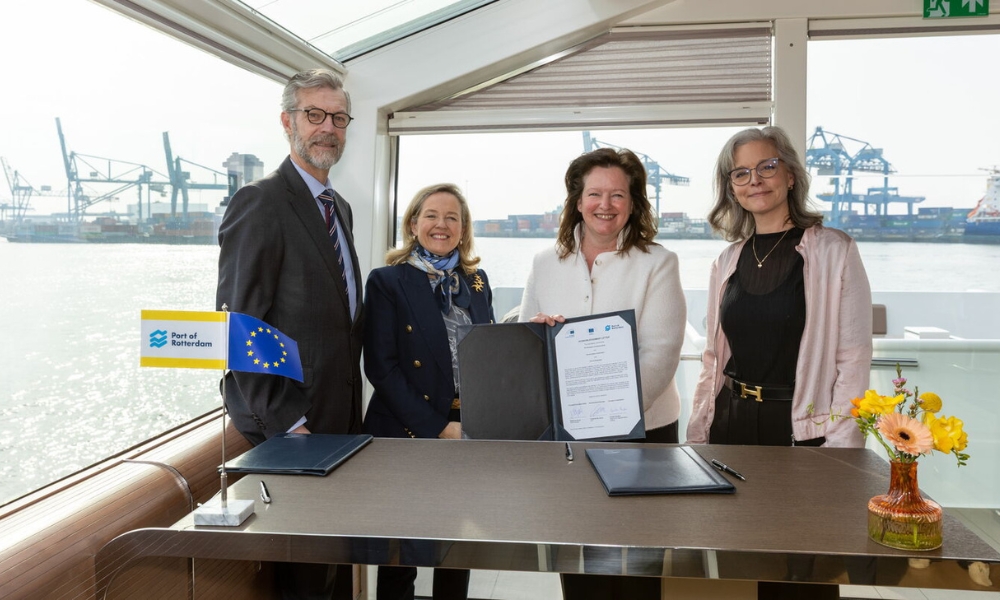

Loan will fund installation of shore power facilities at three deep-sea container terminals in the port of Rotterdam, which is expected to be delivered and brought...


