
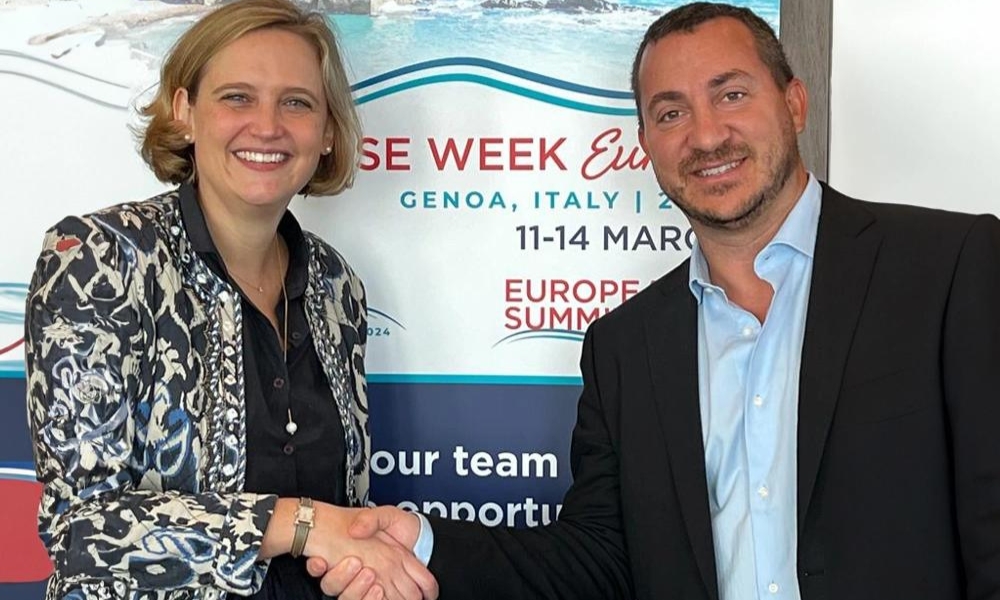

While optimistic about energy transition pathways open to the cruise sector, Michele Landro of LR noted governments’ role in stepping to increase bunkering infrastructure for new...
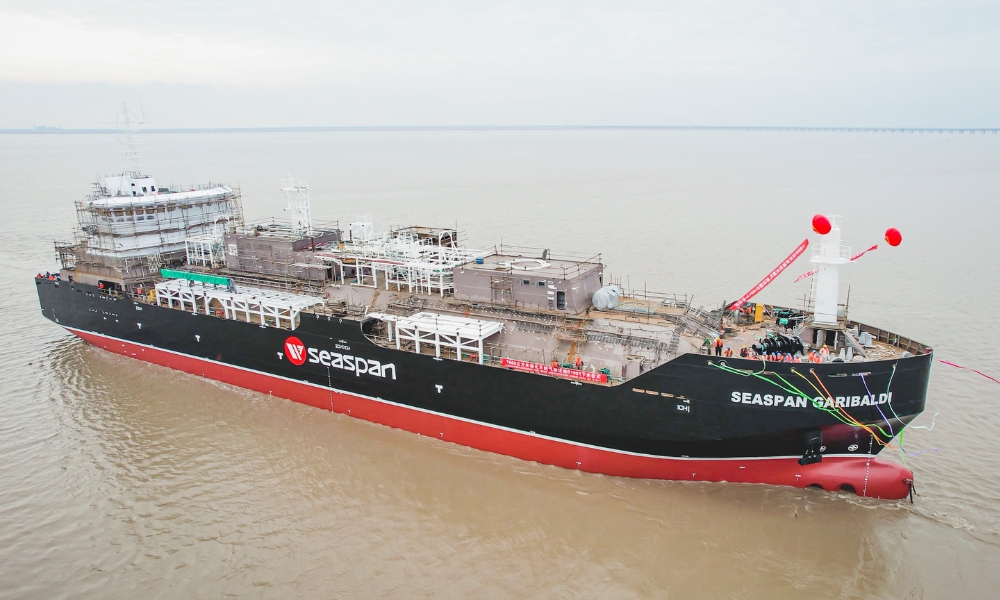

Series of vessels will be named after iconic West Coast mountains and the first two vessels will be delivered in 2024 with the third vessel arriving...
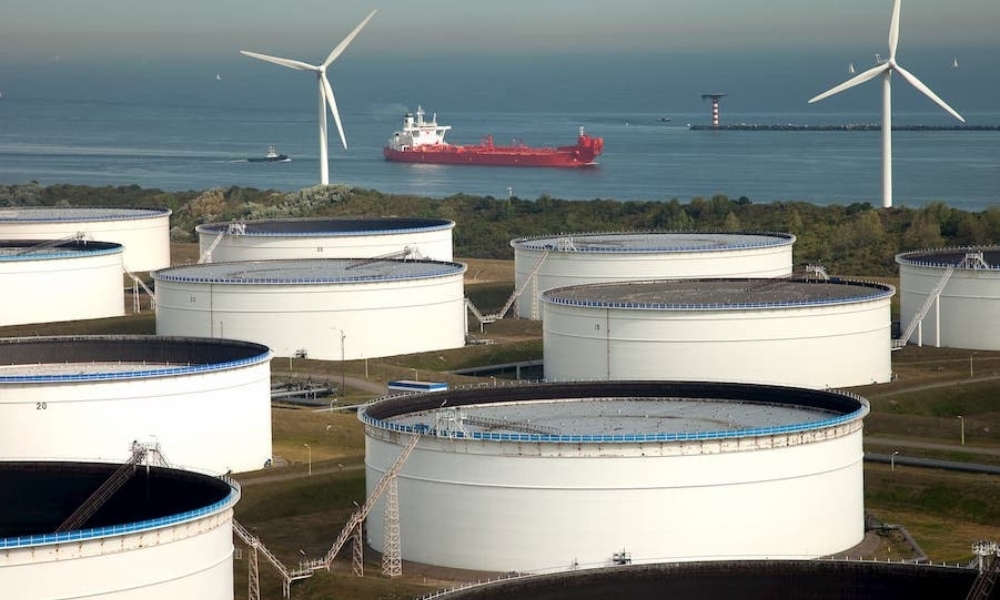

Rotterdam's B20-VLSFO and B30-VLSFO bunker prices have increased by around $50-74/mt over the past week after the Dutch government cut support.
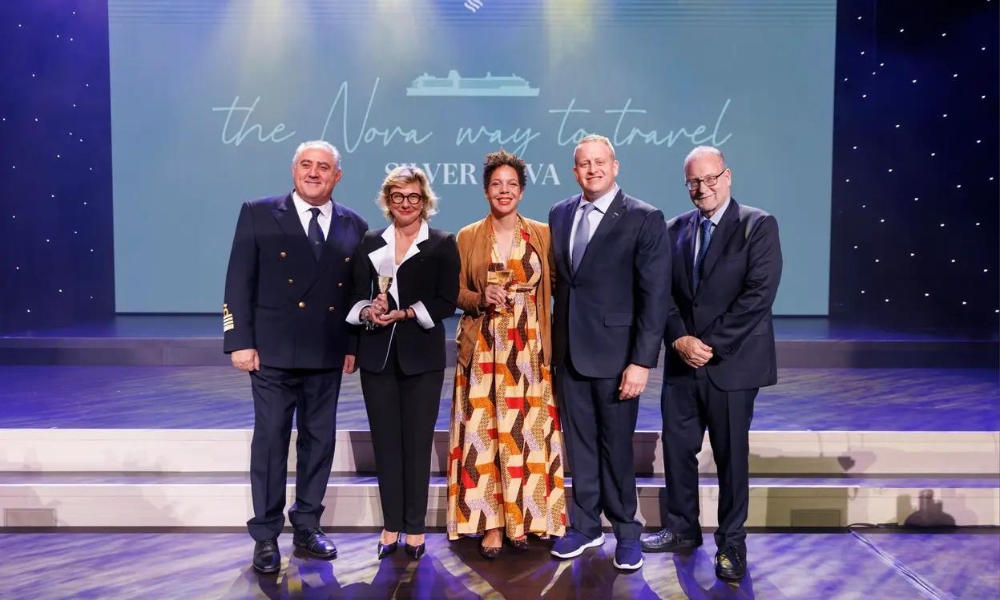

It was previously reported that the ship operates with a propulsion system, a combination of LNG, fuel cell system and batteries; a fuel cell system will...

ClassNK added EU-ETS management and CII vessel monitoring features to ZETA, a tool for visualising GHG emissions and CII ratings of ships and is used for...
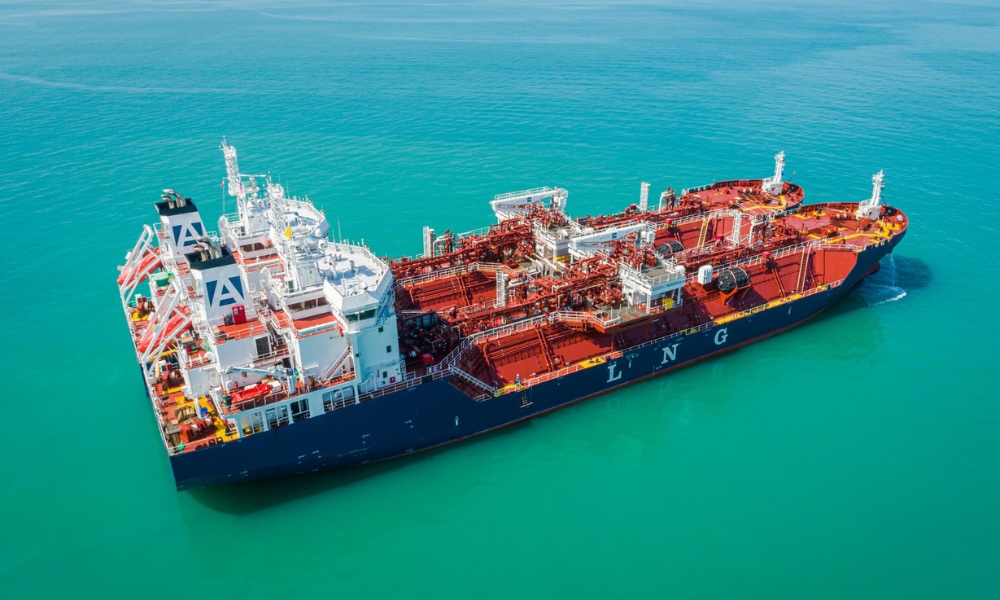

Firm announced it has executed two Time Charter Agreements for “Avenir Advantage” and “Avenir Accolade” with PETCO Trading Labuan Company and NFE Transport Partners.



Staying ahead involves understanding and delivering value to offshore operations amid market changes, especially in areas like environmental regulations and new bunker fuels, says Gregersen.
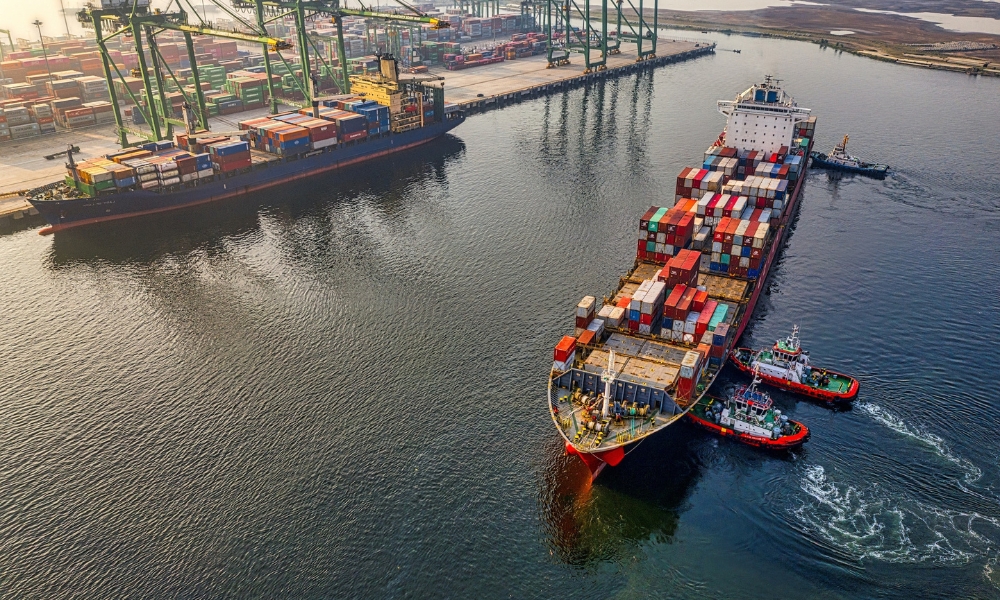

European Maritime Safety Agency said CO2 emissions from ships of and above 5 000 gross tonnage, calling at or departing from ports in EEA, are included...
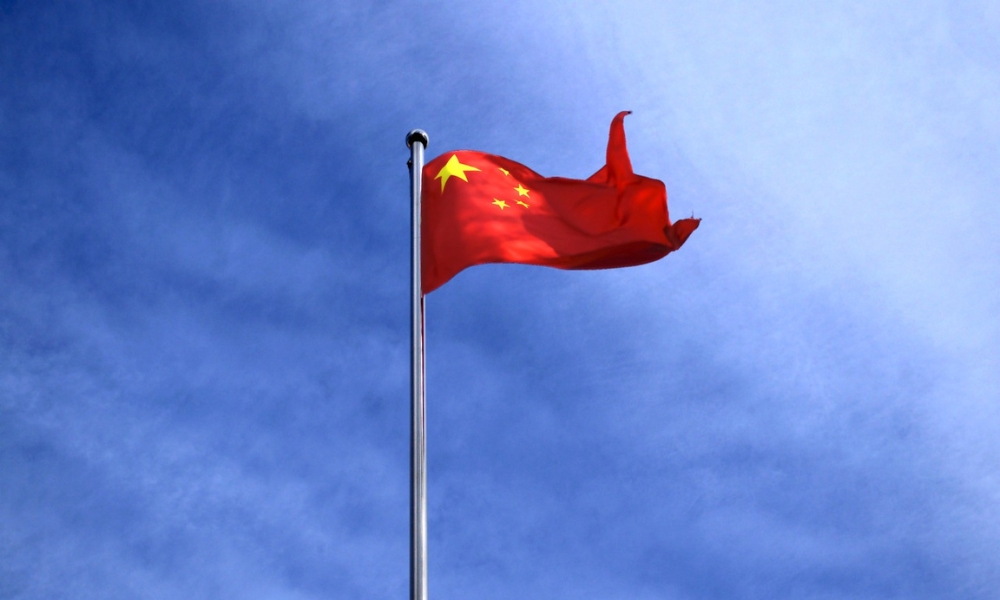

Guangzhou Shipyard International ordered 10 units of the supply system for ships it will be building from its subsidiary GSI Marine Research Center.
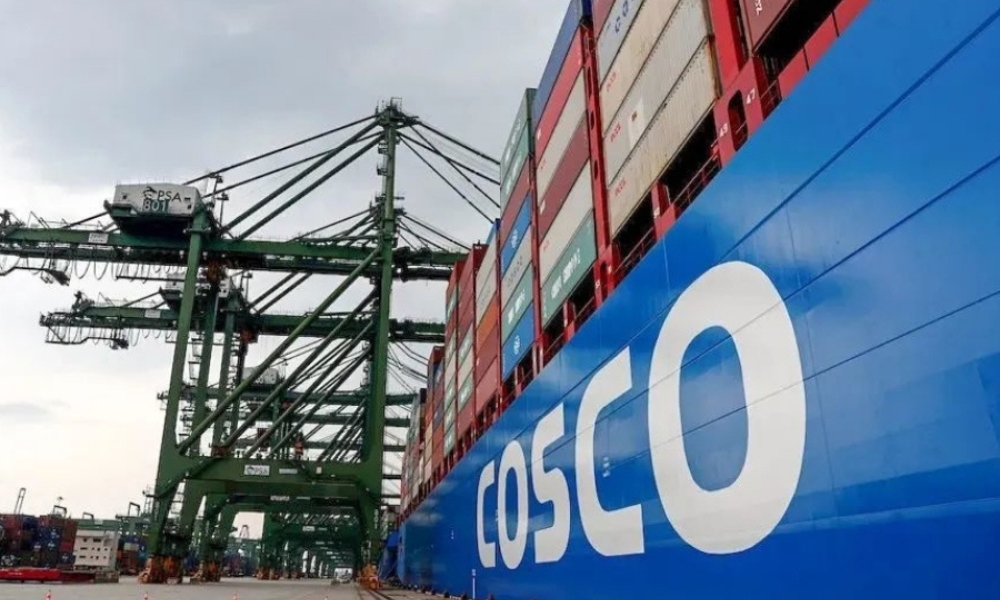

Cosco Shipping Heavy Industry will build the tankers at its yards in Yangzhou and Dalian and Cosco Shipping Energy Transportation has agreed to purchase and take...


