

Company’s priorities include strengthening scale, operational capability, and broadening geographic reach to meet customer needs in an evolving global bunker and regulatory landscape.

Collaboration includes voyage optimisation, onboard decision support with real-time routing and speed recommendations, and fleet performance and data quality management through SmartShip.
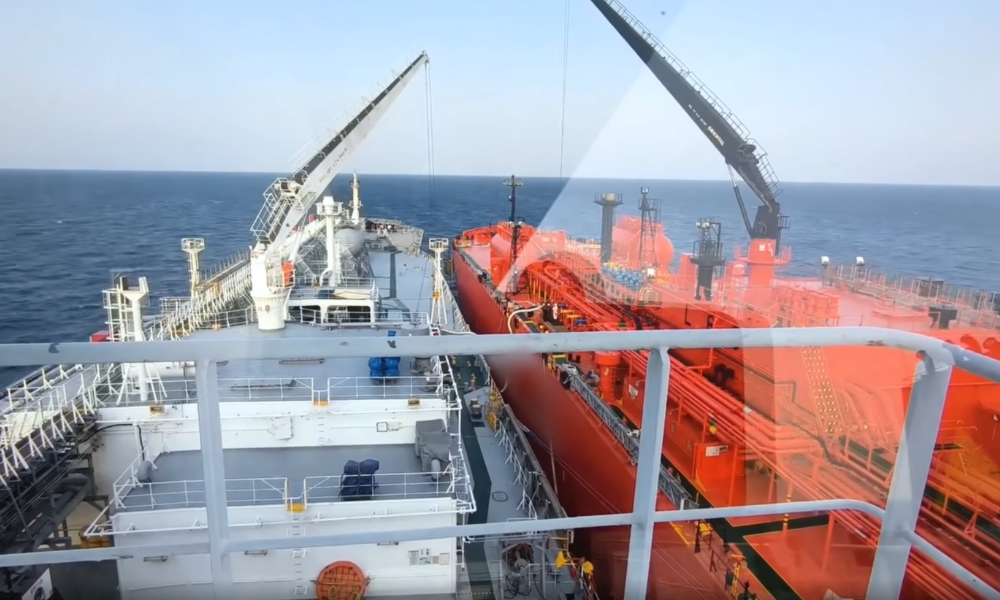

Its vessel “KORTRIJK”, a Midsize Gas Carrier with a capacity of 38,500 cbm, safely discharged full cargo of ammonia, in collaboration with Trammo at the Port...
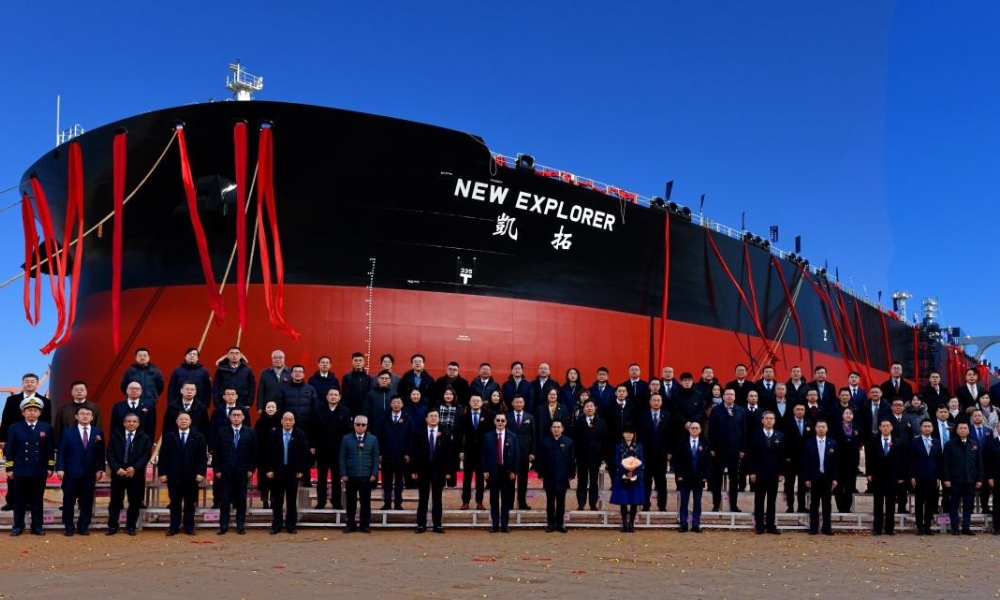

Equipped with a domestically produced methanol dual-fuel main engine and a methanol fuel supply system, the vessel can reduce carbon dioxide emissions by up to 92%.
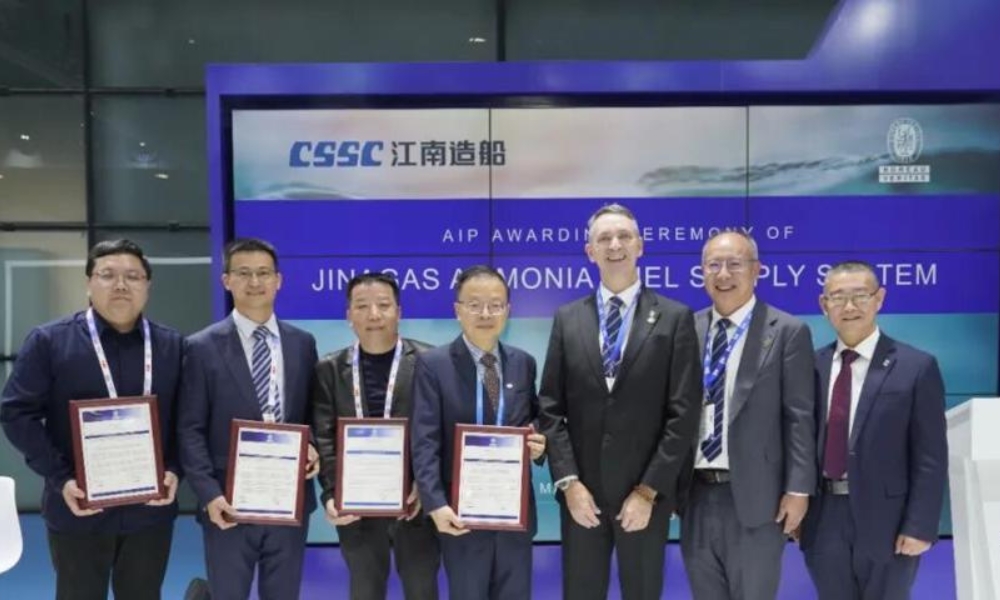

Four projects cover green hydrogen transportation, liquid ammonia storage and supply, low-carbon LNG shipping, and ammonia-fuel applications.
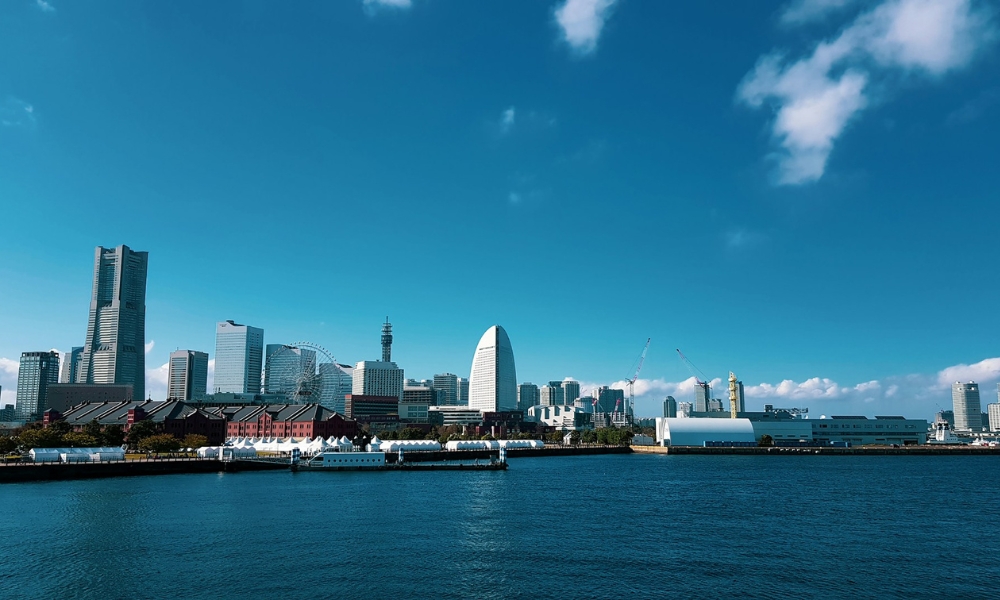

Yokohama launched a programme to exempt ships from port entrance fees for methanol-fuelled vessels and vessels that have received at least 300 mt of biofuel blend...
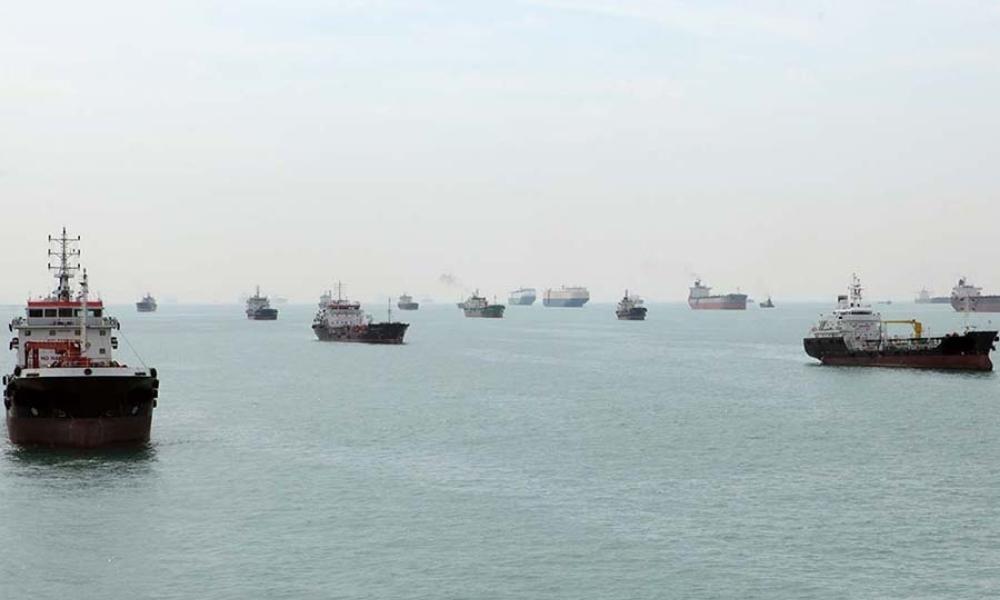

Some of the active circulars include ship-to-ship transfer of bunkers between licensed port limit tankers, digital bunkering and testing enhancements for marine fuel intended to be...
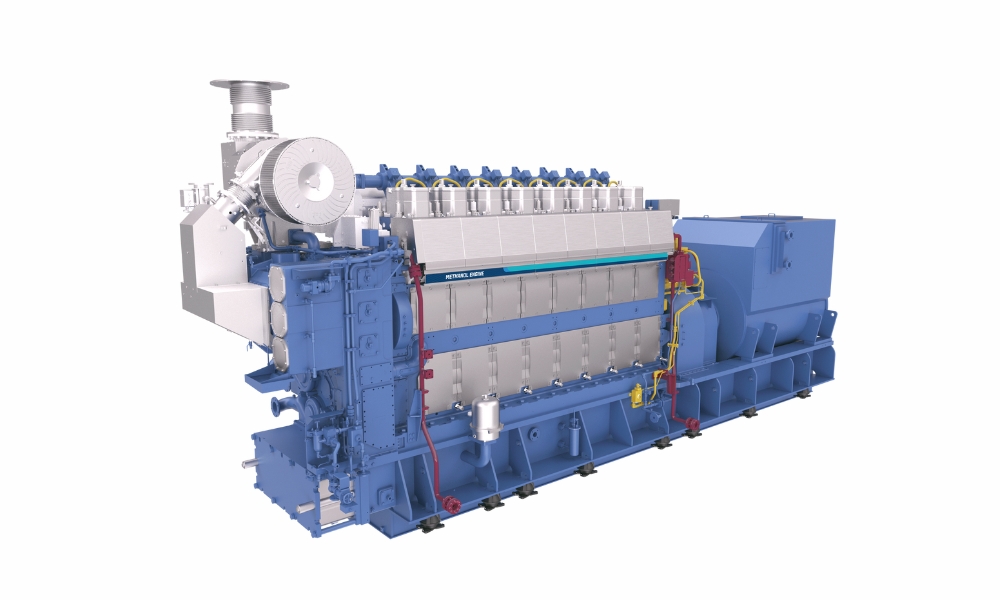

Company conducted combustion and operational characteristic tests applying ethanol bunker fuel based on the methanol dual-fuel engine platform.
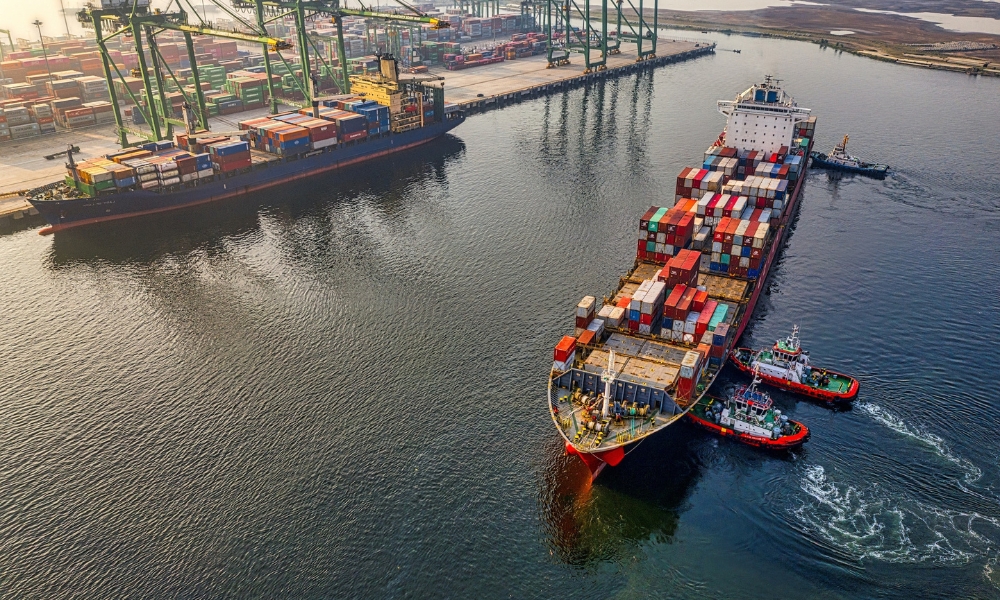

The four trends are lifecycle optimisation, flexible decarbonisation strategies, digitalisation, big data and analytics as well as less predictable regulations.
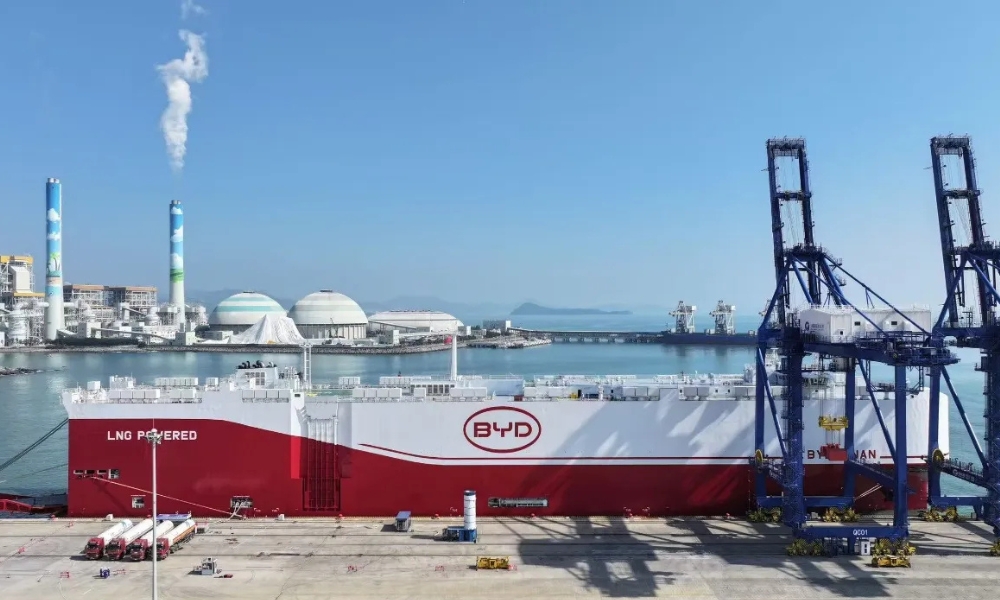

Company facilitated Xiaomo Port’s first LNG bunkering operation, serving BYD in collaboration with China National Offshore Oil Corporation (CNOOC).


