

First vessel, chartered from Avenir LNG, is scheduled for delivery in the first quarter of 2027, followed by a second vessel from Evalend Shipping in the...

Stabilis has executed a 10-year bunkering agreement, to supply approximately 50 million gallons (or 188,000 cubic meters) per year of LNG for marine bunkering operations in...
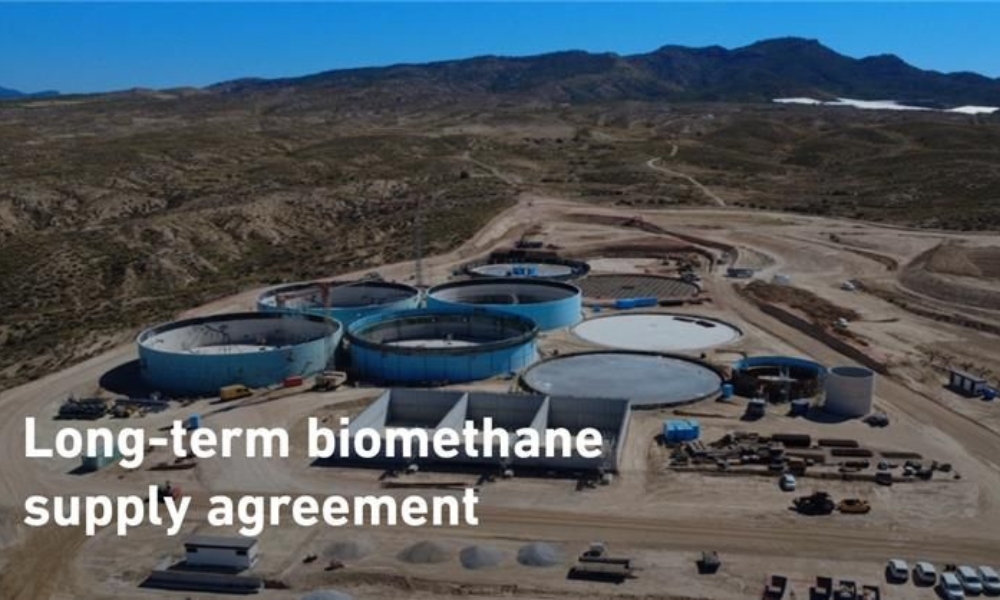

Uniper signed a seven-year biomethane purchase agreement from three of Spain’s largest biomethane plants to accelerate the decarbonisation for both road and maritime sectors.



Seven shipping associations, in a joint statement, said anything else would be a major setback for the green transition and risk leaving the industry with a...
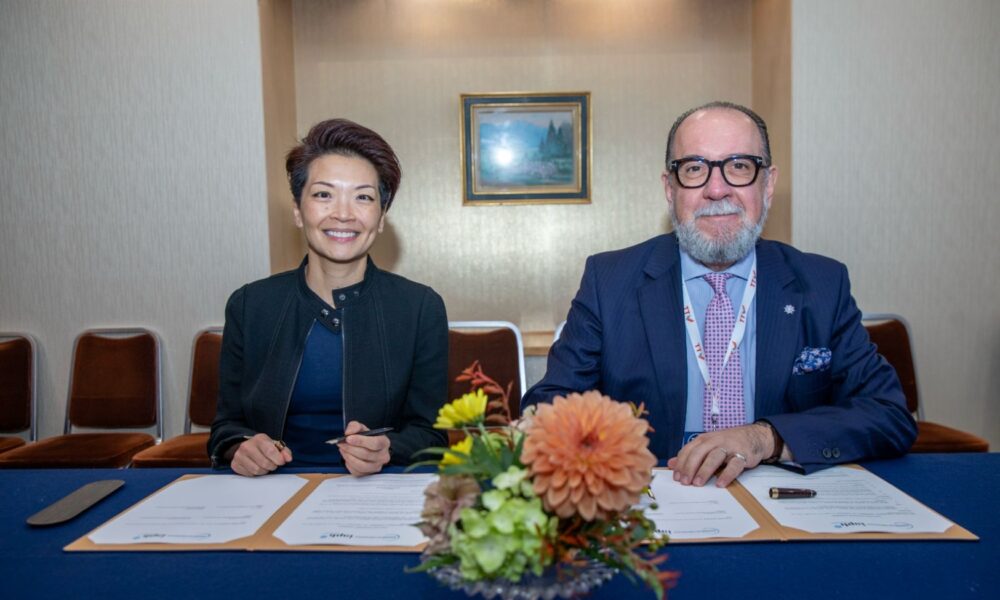

IAPH will collaborate with GCMD to refine its own suite of tools and co-develop new ones to assist ports, shipowners and operators in adopting new bunkering...



Captain Rahul Choudhuri, IBIA Board Member & IBIA Asia Regional Board Chair, and President of Strategic Partnerships at VPS, addresses future roles of ISO 8217, digitalisation,...
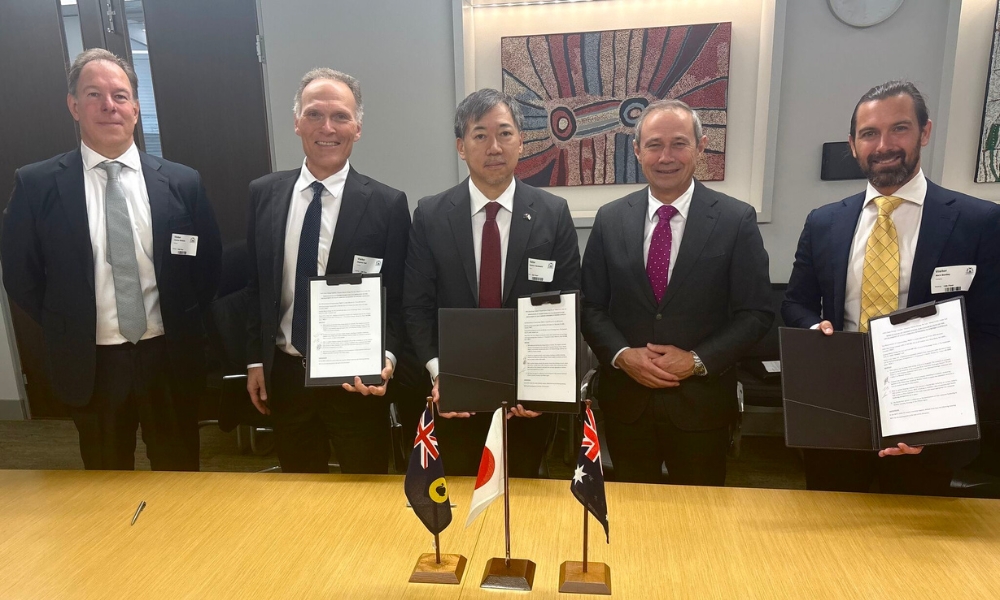

MOL, NH3, and Oceania aim to collaborate on the transition of iron ore carriers in the Pilbara region to ammonia bunker fuel and the realisation of...
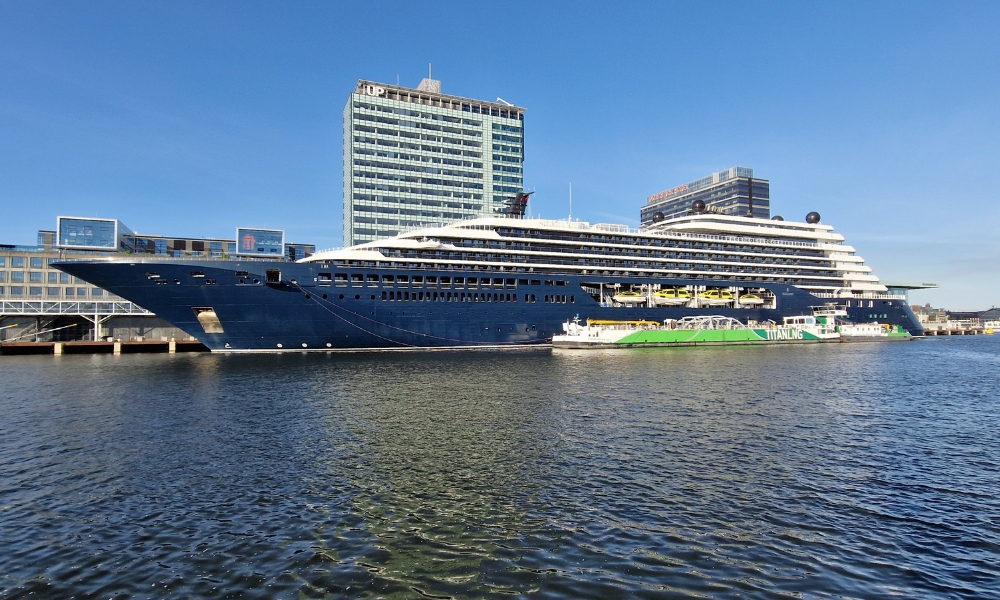

Titan’s LNG bunkering operations will merge with Molgas’ existing operations in Norway and all truck-to-ship supply across Norway and continental Europe will now be combined.
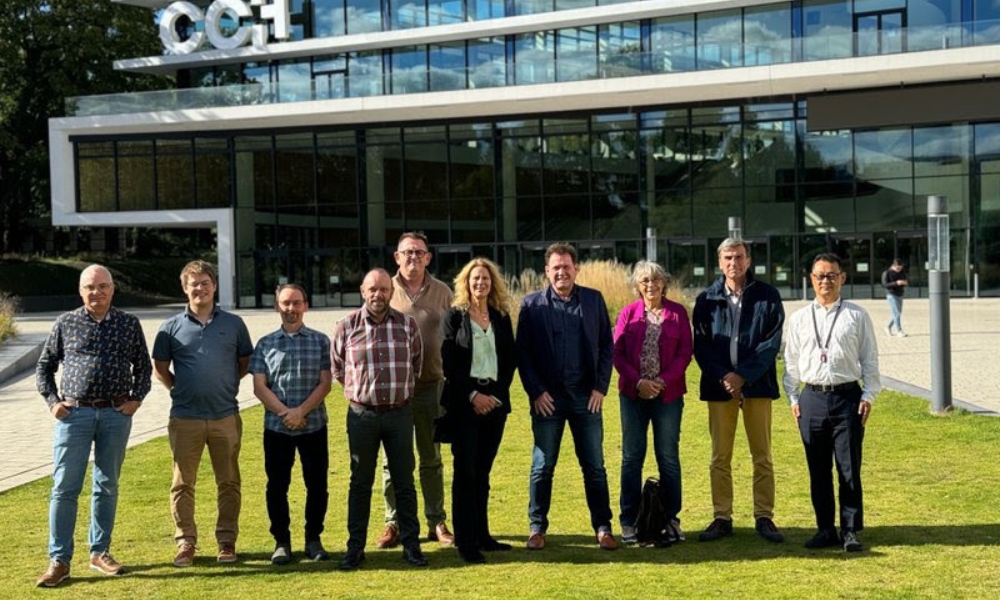

Its Clean Marine Fuels working group has developed an industry-first, publicly-available bunker checklist for ammonia as a fuel and updated combined liquid gas bunker checklists for...
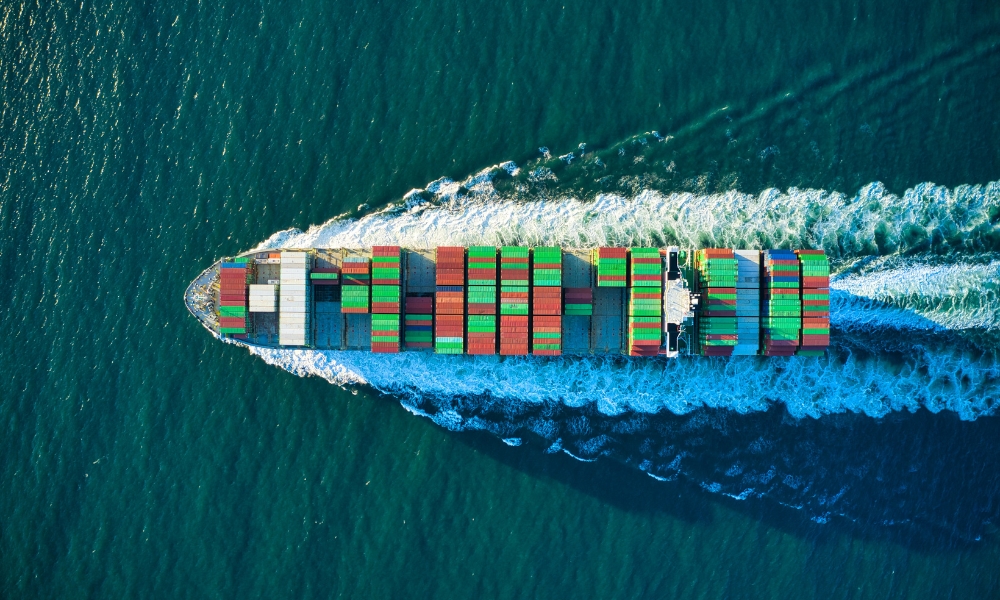

As the shipping industry prepares for the IMO’s extraordinary MEPC/ES.2 session in London next week, SEA-LNG highlighted recent progress in LNG and developments in bunkering of...


