Skip to content
Home
About Us
Contact Us
Latest News
PR Newswire
Terms & Conditions
中文
Home
About Us
Contact Us
Latest News
PR Newswire
Terms & Conditions
中文
中文
INTERNATIONAL
Linkedin-in
Weixin
Business
Legal
Analysis
Alternative Fuels
Technology
Expert Opinions
Business
Legal
Analysis
Alternative Fuels
Technology
Expert Opinions
Environment
Alternative Fuels
1st April 2026
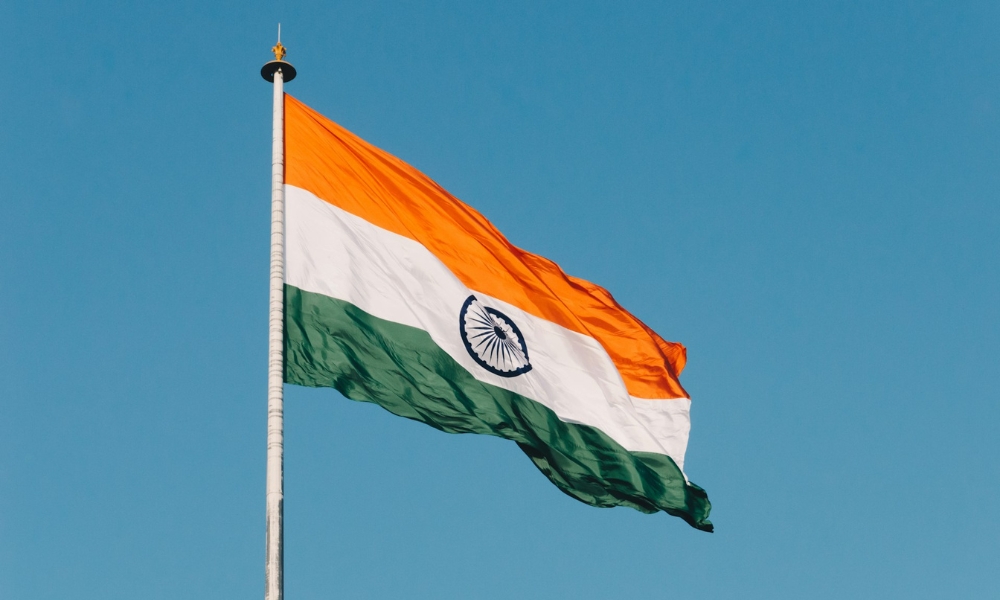
Major ports in India undertake decarbonisation initiatives including bunkering
Deendayal Port Authority has obtained PRL of 6 for Kandla Port for bio-methanol bunkering operations while V.O. Chidambaranar Port Authority is developing a green methanol bunkering facility.
Read More
31st March 2026
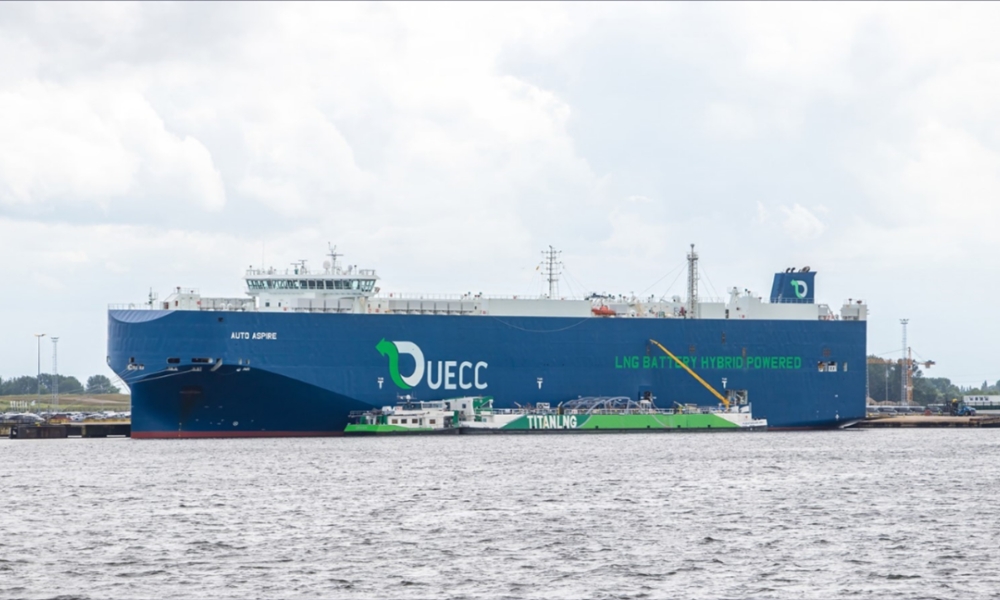
UECC slashes CO2 emissions in 2025 by accelerating shift to bio-LNG bunker fuel
30th March 2026
MMMCZCS summarises eight alternative bunker fuels for shipowners
27th March 2026
China’s first batch of domestically blended marine biofuel delivered to Qingdao for bunkering
25th March 2026
China’s first hydrogen fuel cell-powered inland container ship completes voyage trial
19th March 2026
Mumbai Port Authority eyes methanol bunkering, issues EOI
19th March 2026
Viking Line and Wallenius SOL extend FuelEU pooling partnership with Gasum
19th March 2026
HyFive signs term sheet to offtake up to 50% of output from Gijón e-methanol plant
18th March 2026
Sumitomo, “K” Line and NYK Line to explore ammonia bunkering vessel in Singapore
18th March 2026
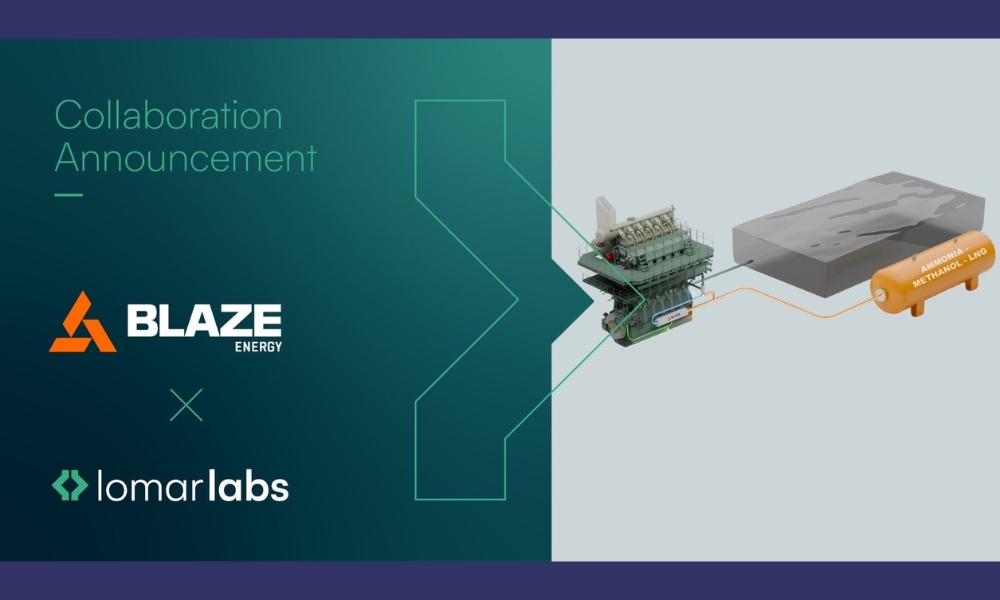
lomarlabs and Blaze Energy to pilot onboard fuel reformer for multi-fuel engines
18th March 2026
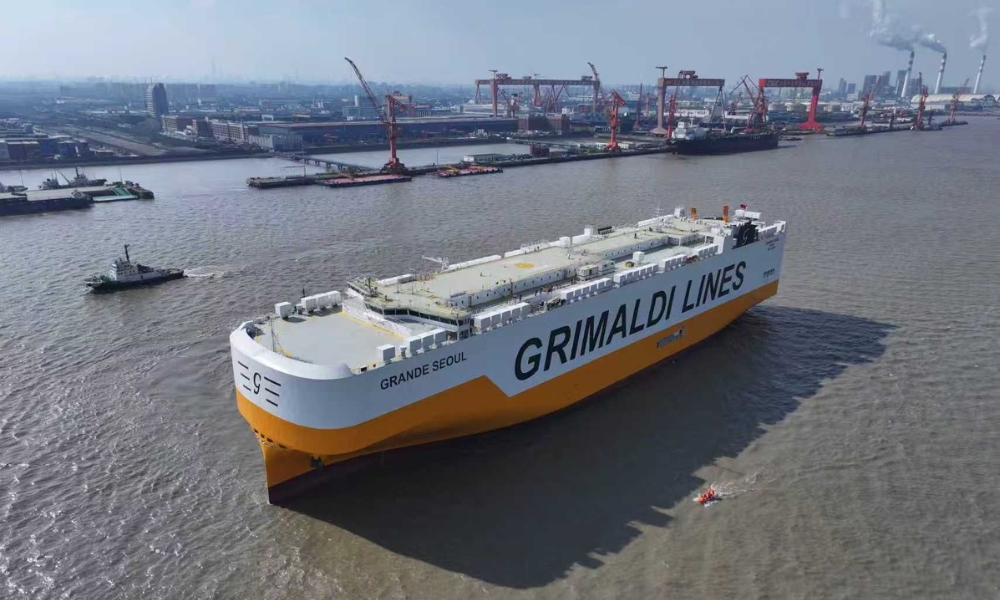
Grimaldi takes delivery of ammonia-ready PCTC from Chinese shipbuilders
16th March 2026
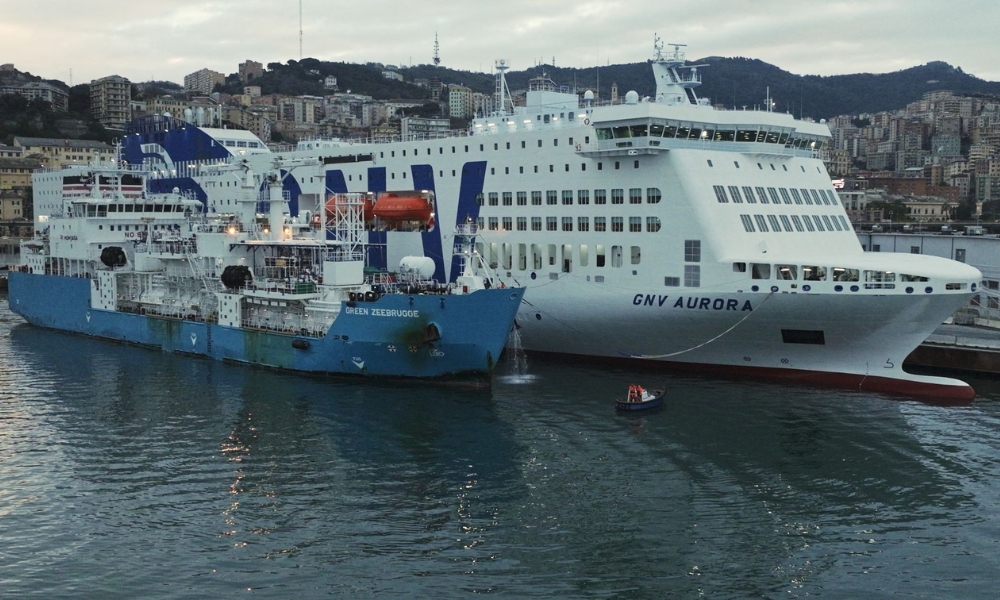
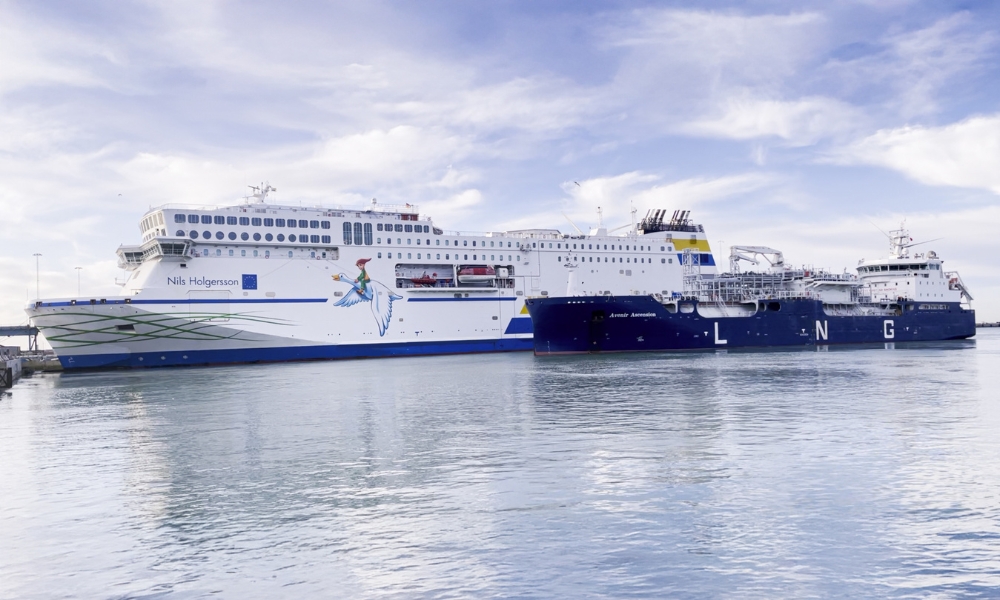
GNV announces first LNG bunkering operation of ferry “GNV Aurora” in Genova
13th March 2026
Evos Rotterdam expands methanol, ethanol capacity for growing bunkering demand
12th March 2026
Idemitsu Kosan taps Consort Bunkers for green methanol bunkering in Singapore, East Asia
12th March 2026
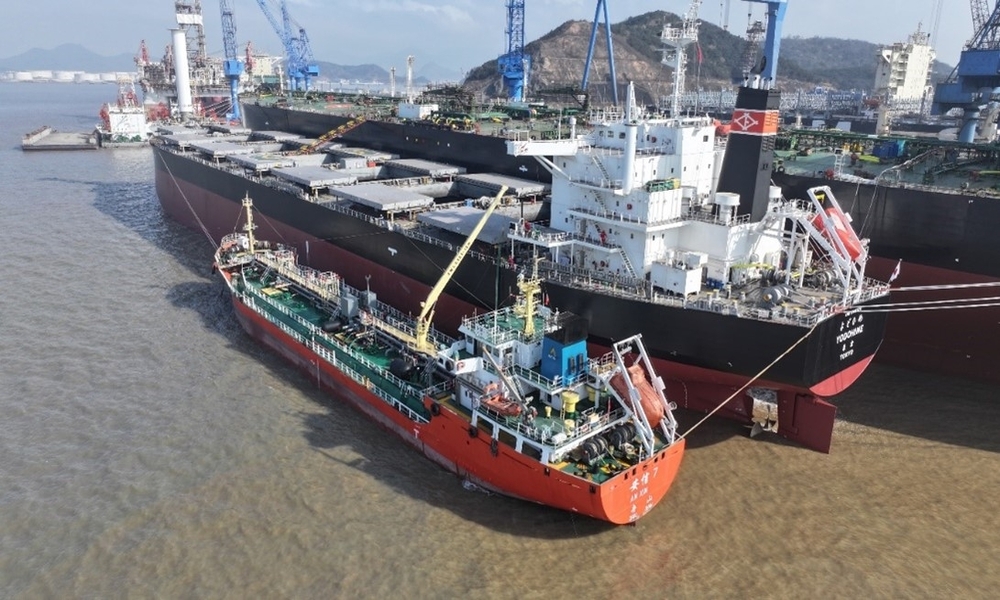
IINO Kaiun Kaisha completes biofuel trial voyage on bulk carrier “YODOHIME”
12th March 2026
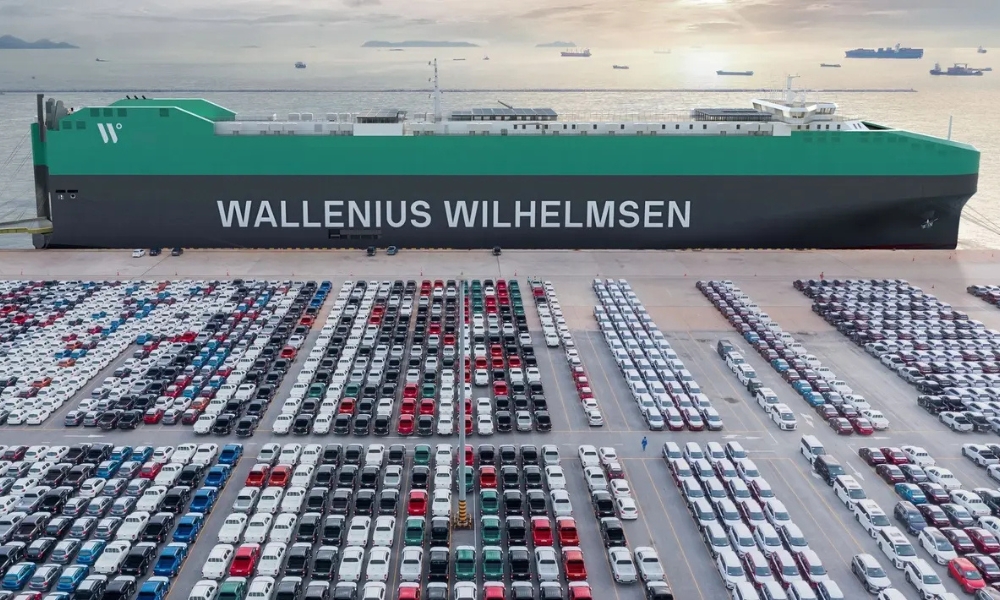
Wallenius Wilhelmsen secures two-year bio-methanol bunker fuel supply from Equinor
11th March 2026
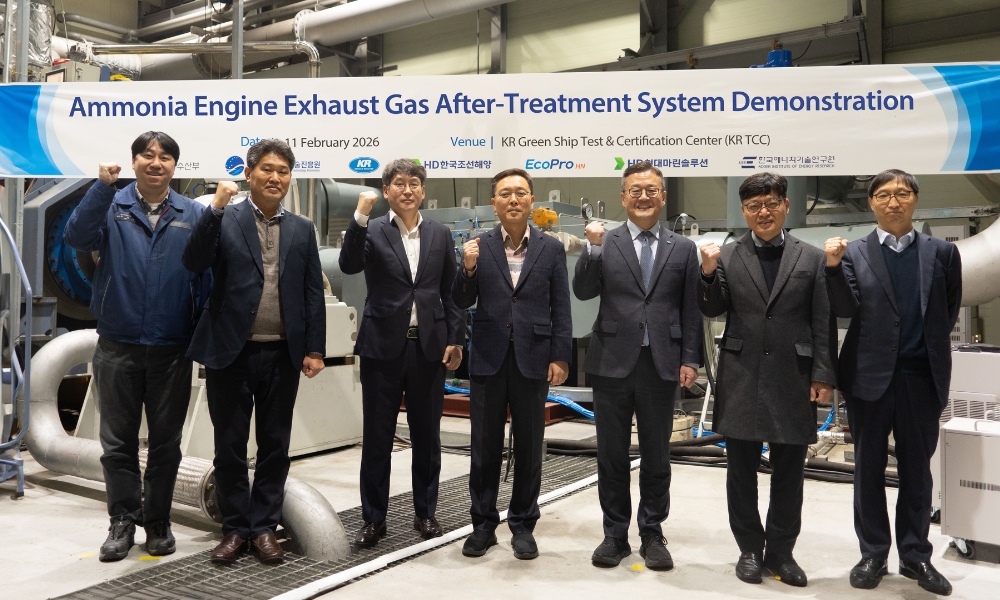
KR: Engine exhaust gas after-treatment system slashes ammonia slip
10th March 2026
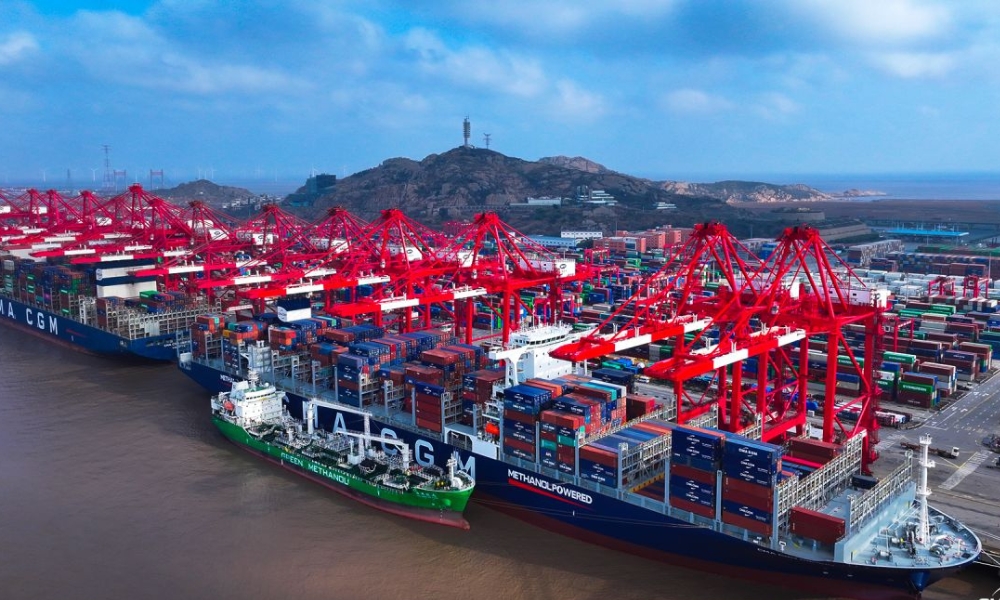
Yangshan Port sets new record for largest single biomethanol bunkering operation in China
10th March 2026
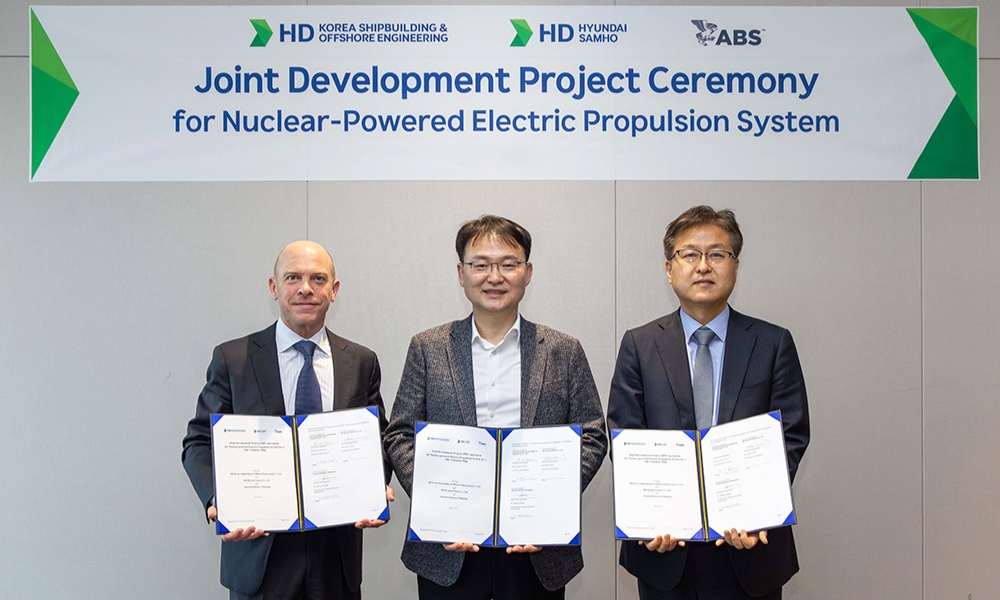
ABS and HD Hyundai team up on nuclear-powered electric propulsion systems for boxships
10th March 2026
TT-Line’s Baltic Sea ferries successfully operate on bio-LNG bunker fuel in 2025 trial
9th March 2026
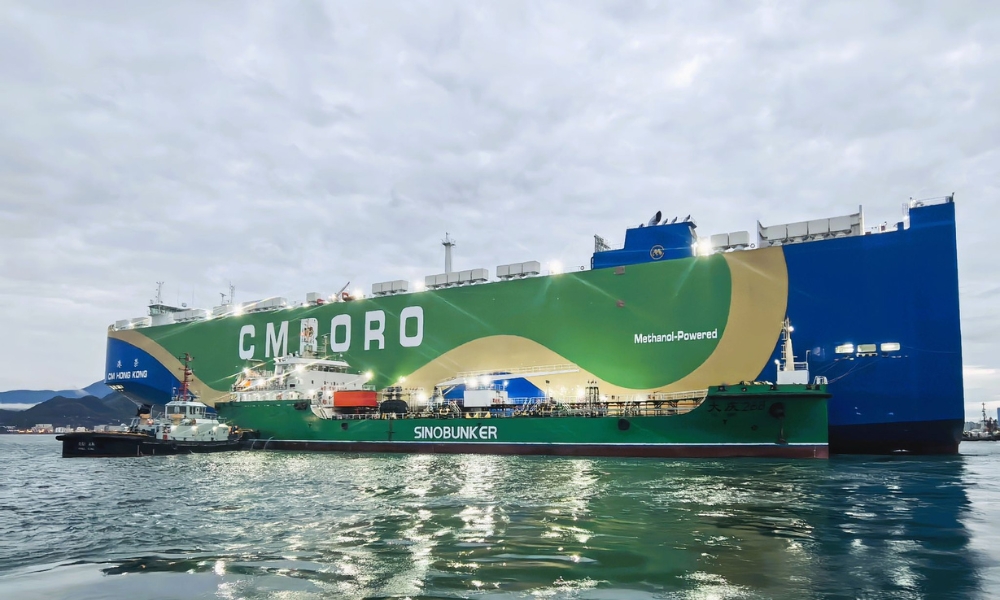
Hong Kong achieves first green methanol bunkering operation milestone
9th March 2026
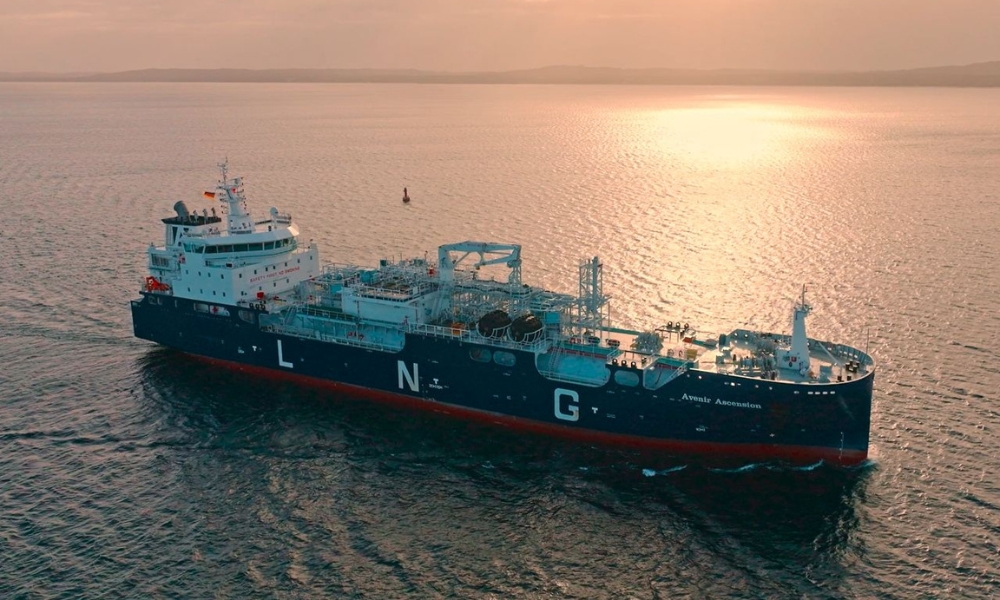
Avenir to supply bio-LNG bunker fuel to Maersk vessels
6th March 2026
Burando Energies debuts in Zeebrugge, adds new barge for biofuel and methanol supply
5th March 2026
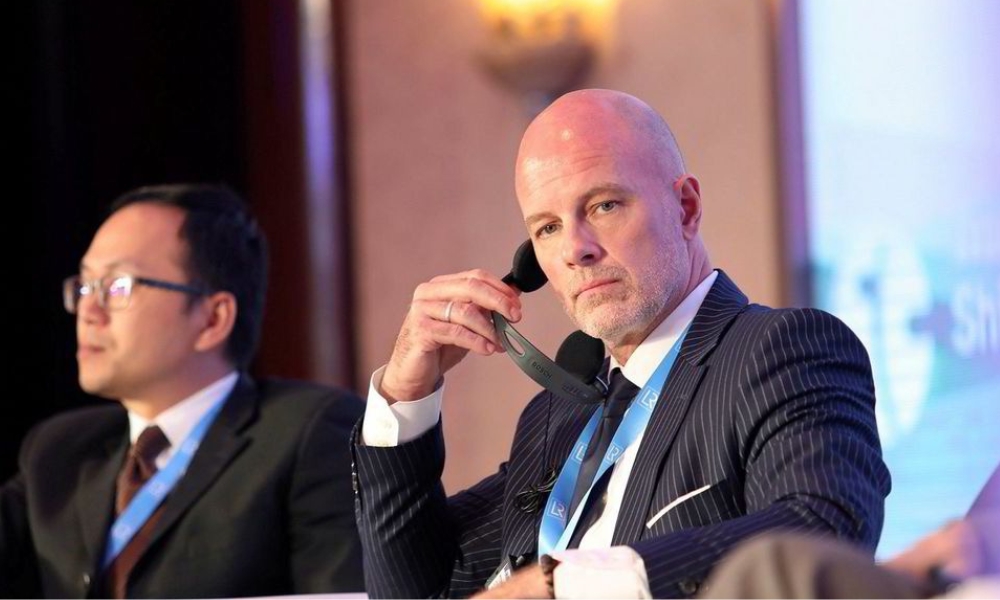
APM 2026 Interview: Chris Chatterton on scaling ethanol and methanol as marine fuels
4th March 2026
UK P&I Club publishes guide on safe ammonia bunkering practices
3rd March 2026
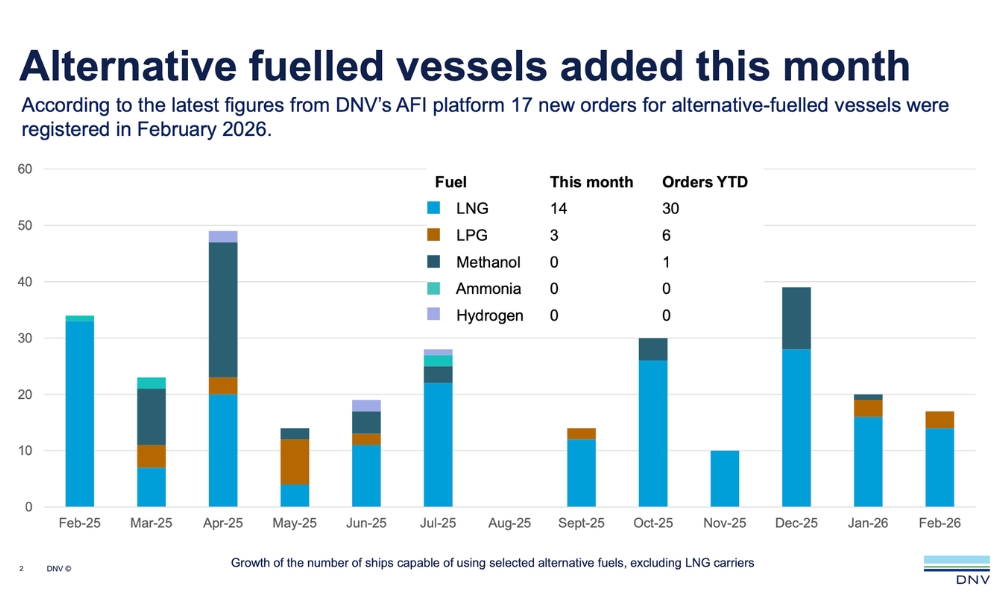
DNV: Slow month for alternative-fuelled ship orders in February
3rd March 2026
Moeve approves FID for Southern Europe’s largest green hydrogen project
3rd March 2026
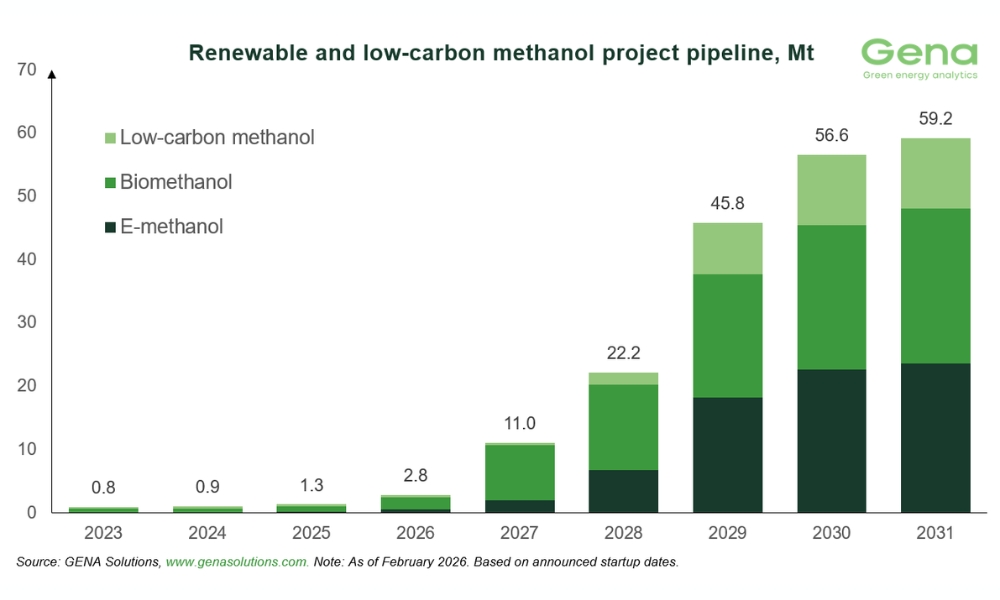
GENA Solutions: Total renewable and low-carbon methanol project pipeline rises from 58.2 to 59.2 Mt by 2031
2nd March 2026
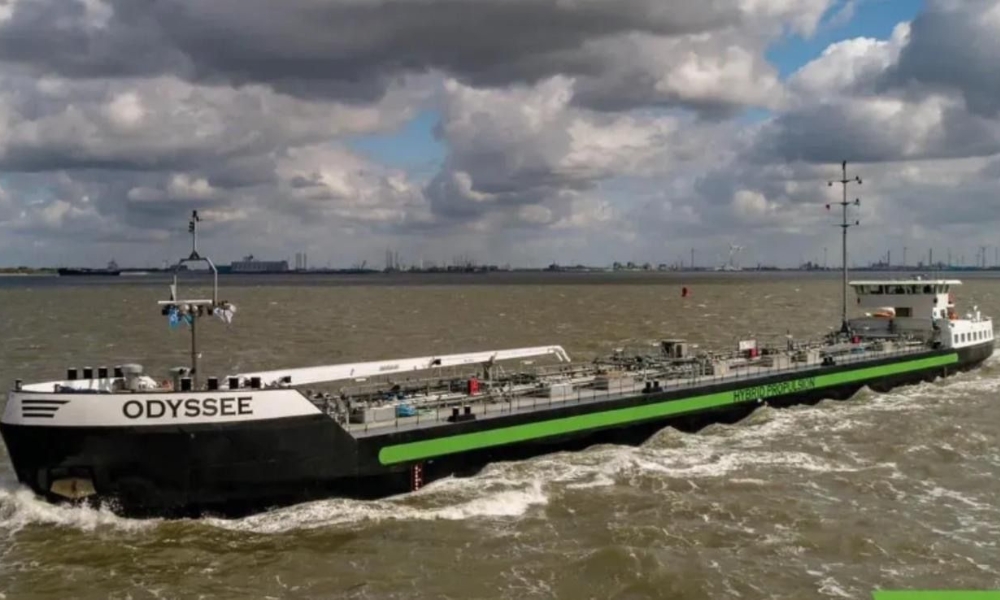
Mureloil launches hybrid bunker tanker in Spain to supply alternative marine fuels
27th February 2026
Carbon Direct and C2X team up on forestry residue-to-biofuel project in Louisiana
27th February 2026
StormGeo launches new premium advisory offering with support in emission compliance
Previous
Page
1
Page
2
Page
3
Page
4
Page
5
Next
Our Industry Partners
Search
Search
See All Results →
Advanced Search
Close