Skip to content
Home
About Us
Contact Us
Latest News
PR Newswire
Terms & Conditions
中文
Home
About Us
Contact Us
Latest News
PR Newswire
Terms & Conditions
中文
中文
INTERNATIONAL
Linkedin-in
Weixin
Business
Legal
Analysis
Alternative Fuels
Technology
Expert Opinions
Business
Legal
Analysis
Alternative Fuels
Technology
Expert Opinions
Environment
Technology
4th December 2025
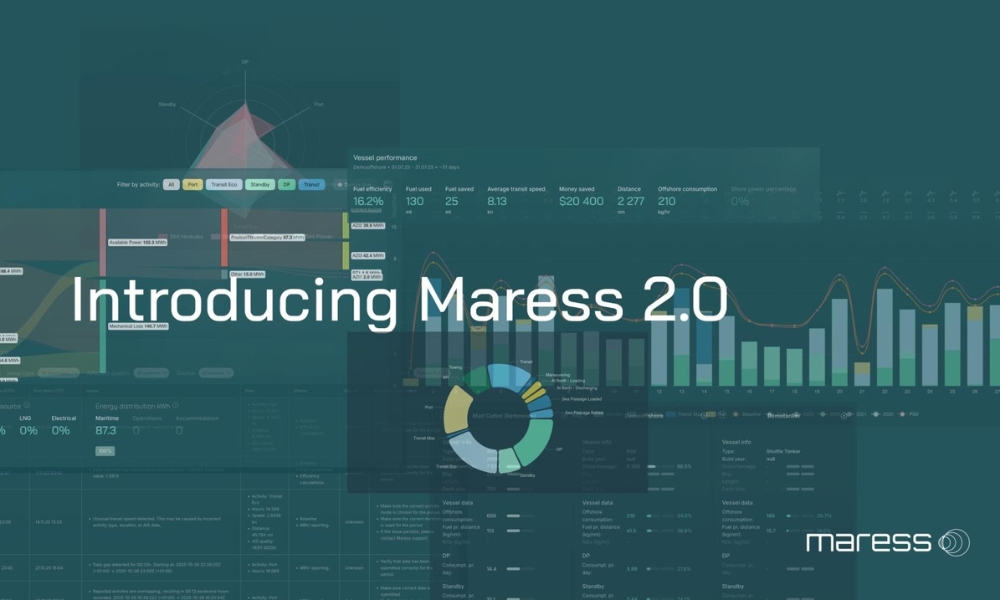
VPS launches latest version of data-driven Maress decarbonisation platform
With this new Maress platform, users can instantly compare vessels, or track a single vessel’s progress over time, helping identify opportunities for efficiency and cost savings.
Read More
4th December 2025
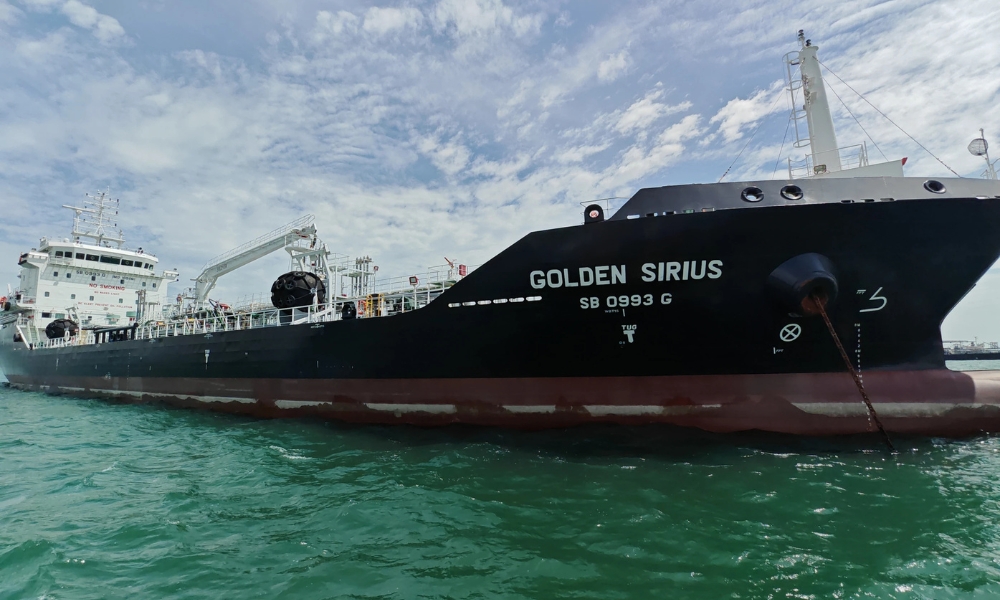
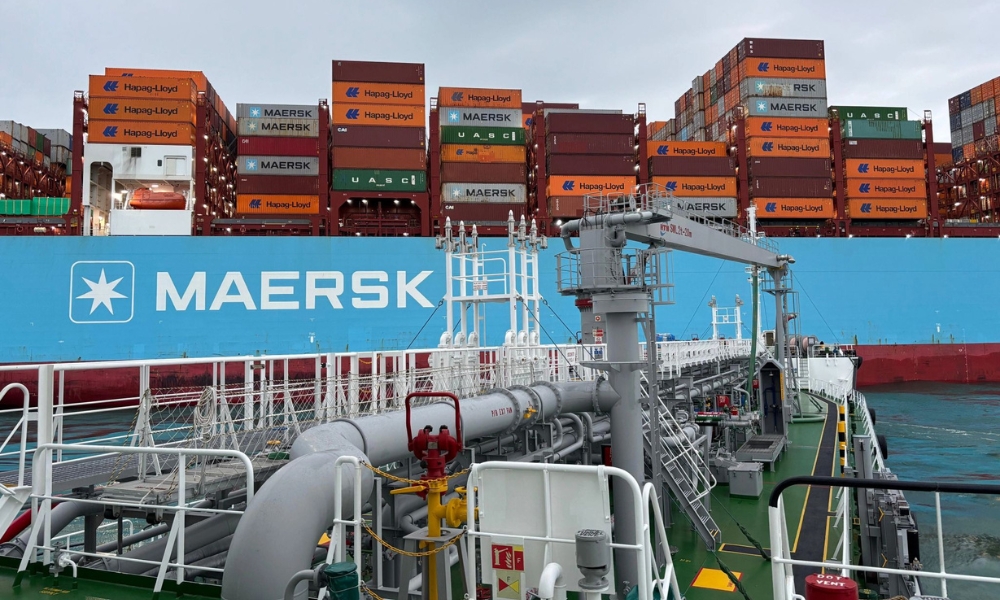
Singapore: Golden Island wraps up first and second B100 biofuel bunkering ops to Maersk ships
3rd December 2025
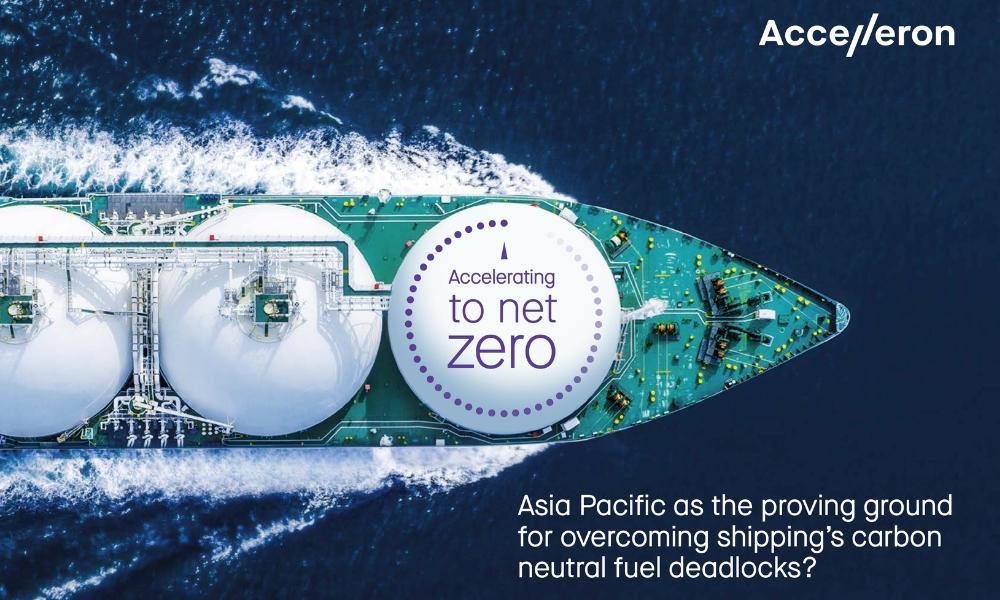
Acceleron: Asia Pacific illuminating cross-sector e-fuel pathways for maritime decarbonisation
2nd December 2025
Singapore: MPA completes first TR 129 methanol bunkering trial with GET and Stellar
2nd December 2025
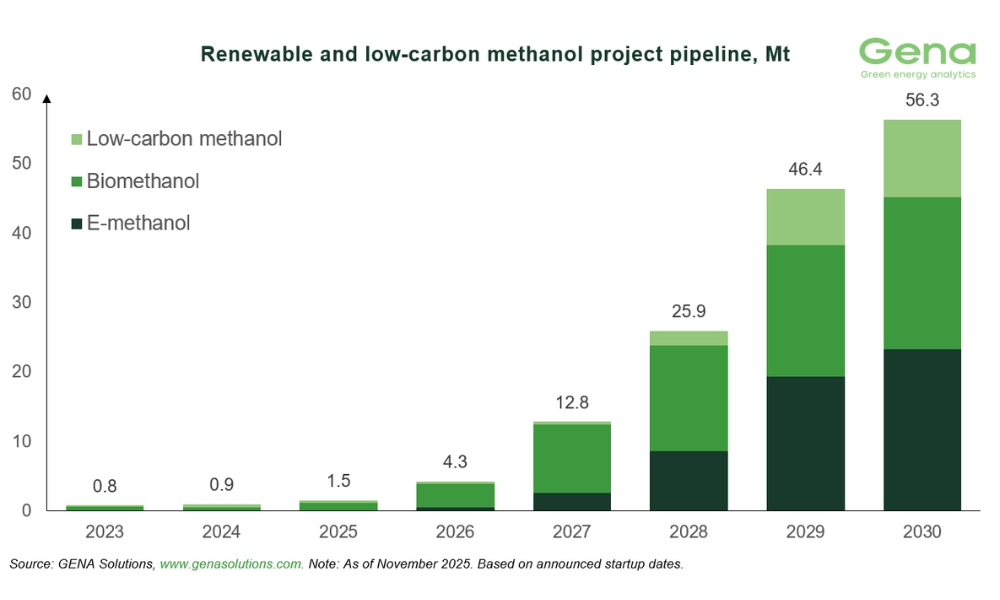
GENA Solutions: Total renewable and low-carbon methanol project pipeline rises from 55.9 to 56.3 Mt by 2030
1st December 2025
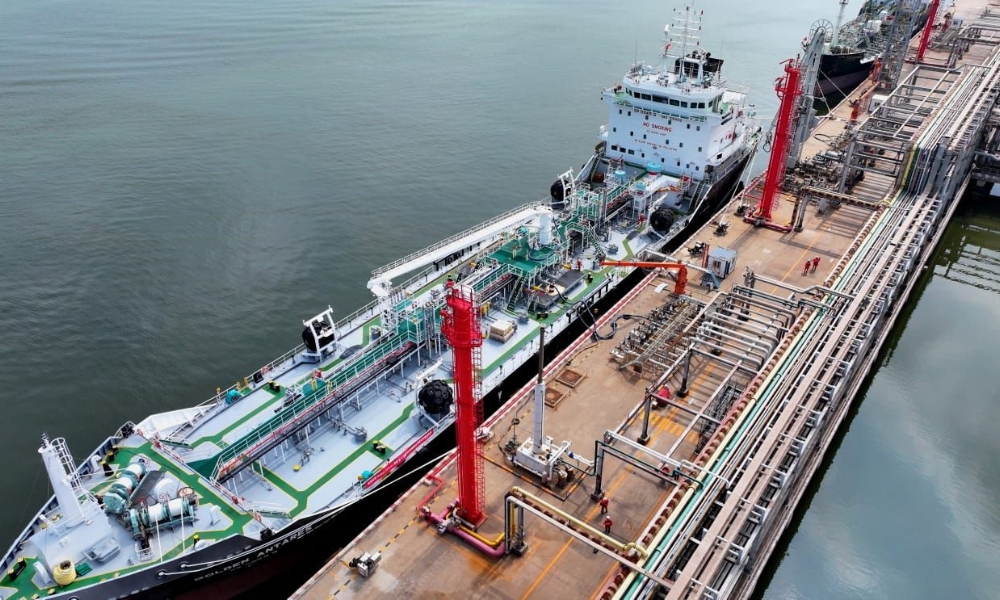
Singapore: Golden Island tankers to be ready for methanol bunkering ops in Q1 2026
27th November 2025
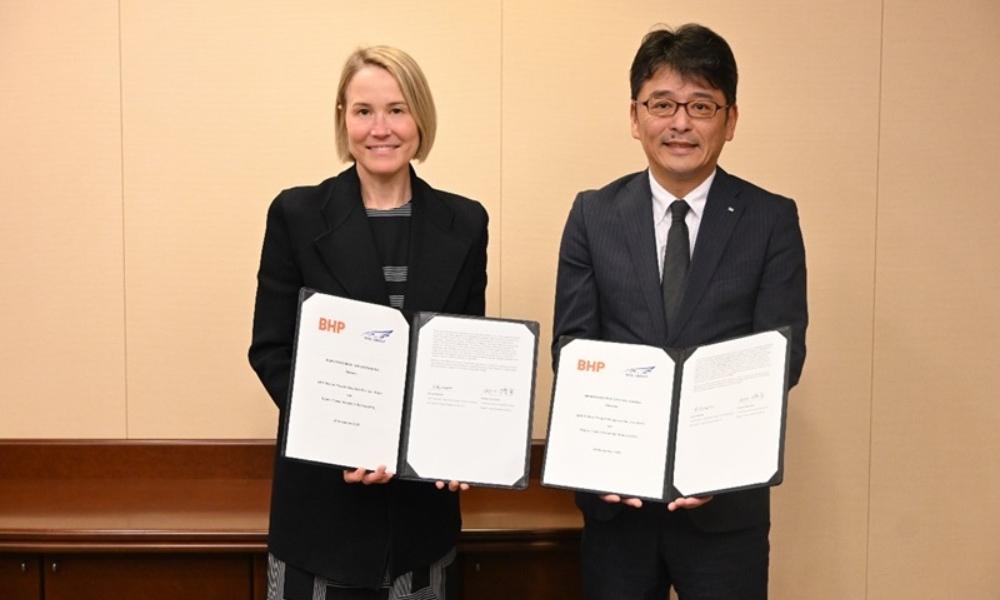
NYK and BHP renew MoU on ammonia dual-fuel vessels, bio bunker fuel trials
27th November 2025
Nuclear-powered boxships could unlock USD 68 million in annual savings and cut GHG emissions
26th November 2025
DNV: Growing demand and bunker fuel uncertainties add to complexity of shipping’s decarbonisation
20th November 2025
DNV: EU guideline for reporting and verifying actual methane slip for FuelEU, EU MRV/ETS
18th November 2025
DNV and WMMF publish guide to support shipowners’ path to net-zero
7th November 2025
Pacific Environment praises MoU on green shipping corridor linking Korea and Washington ports
7th November 2025
IBIA Annual Convention 2025: CPN gears up to meet demand for alternative bunker fuels
3rd November 2025
Study: South Africa-Europe shipping route could run on green ammonia marine fuel by 2029
3rd November 2025
Corvus Energy to supply battery systems for new NYK electric tugboat
31st October 2025
Singapore: MPA reminds suppliers to observe preventive measures during bunkering ops
31st October 2025
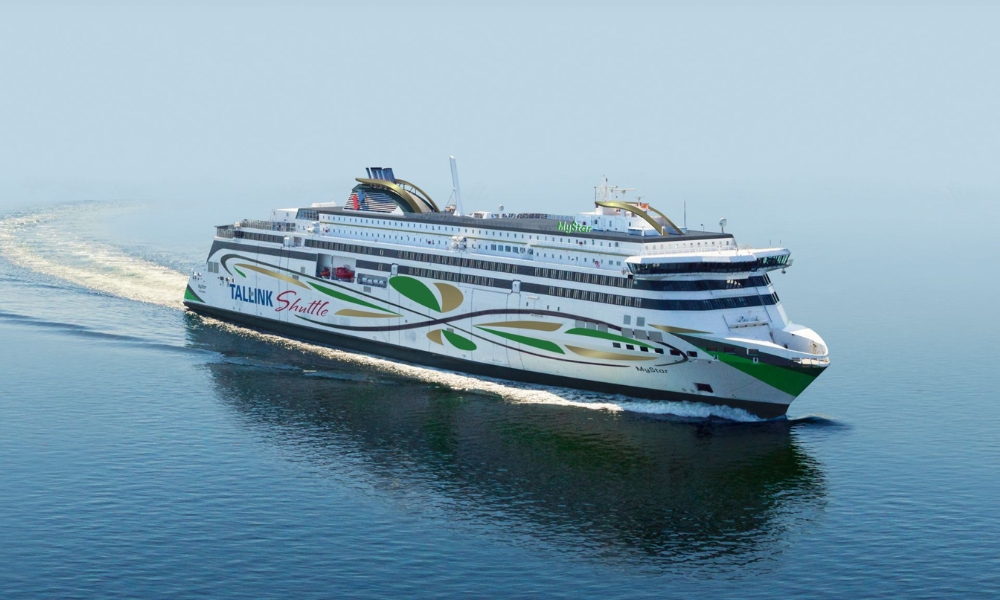
Tallink begins transition to bio-LNG bunker fuel on shuttle vessels
31st October 2025
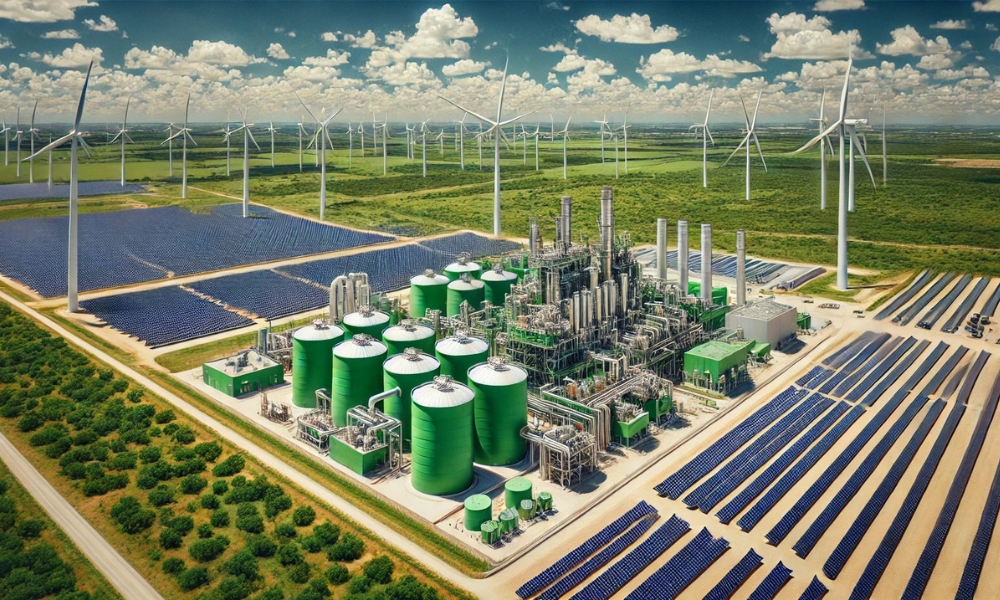
ETFuels launches FEED for West Texas e-methanol project in US
31st October 2025
IBIA Annual Convention 2025: ‘Exciting times’ for post IMO 2020 bunker suppliers, states Equatorial
30th October 2025
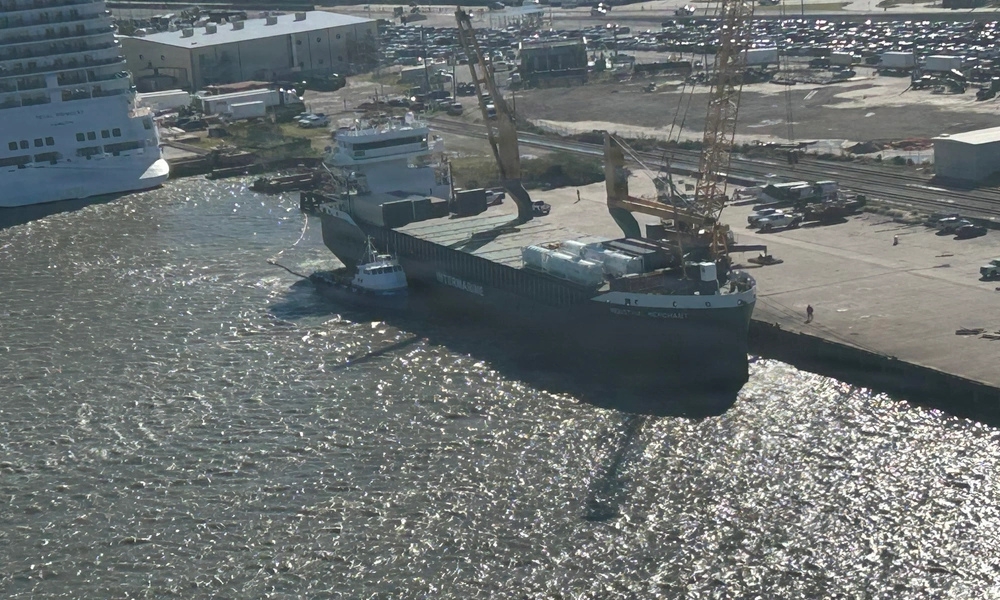
US Coast Guard responds to fuel oil spill near Galveston, Texas
29th October 2025
DNV: Multifaceted approach to managing decarbonization risks
28th October 2025
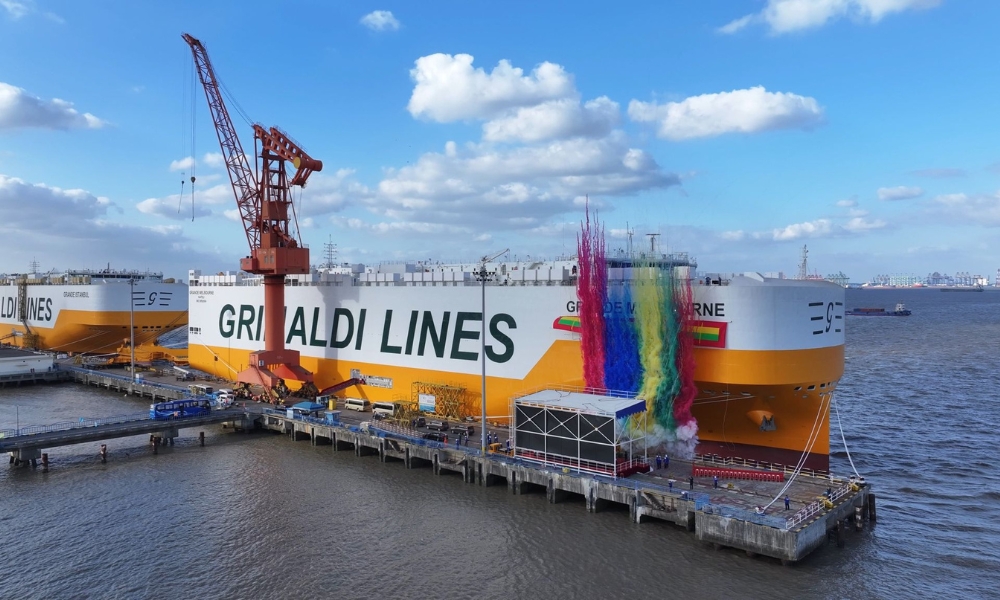
Grimaldi Group welcomes ammonia-ready PCTC “Grande Melbourne” to fleet
27th October 2025
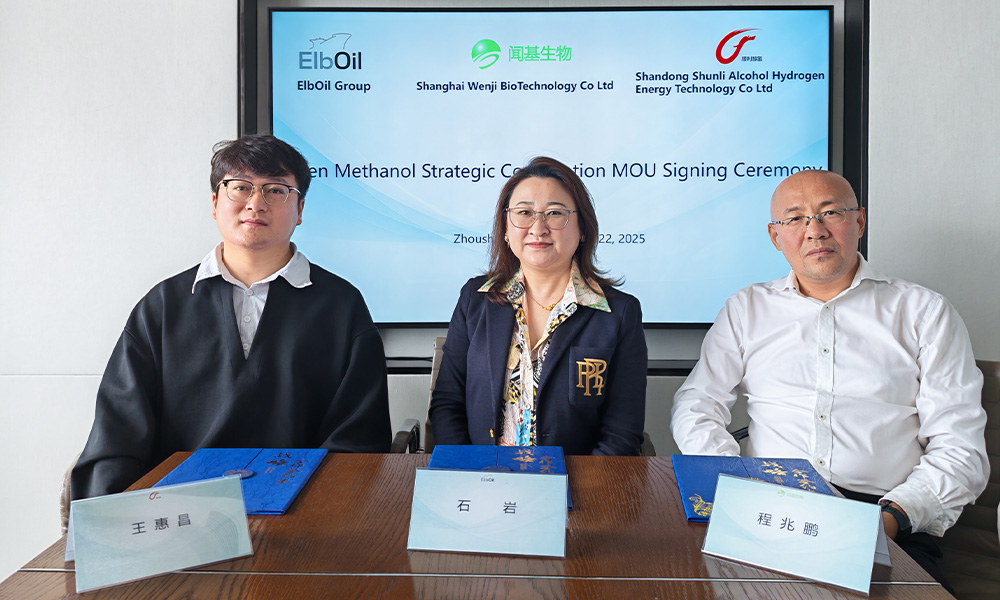
ElbOil Group adds green methanol to marine fuels product portfolio with latest China deal
27th October 2025
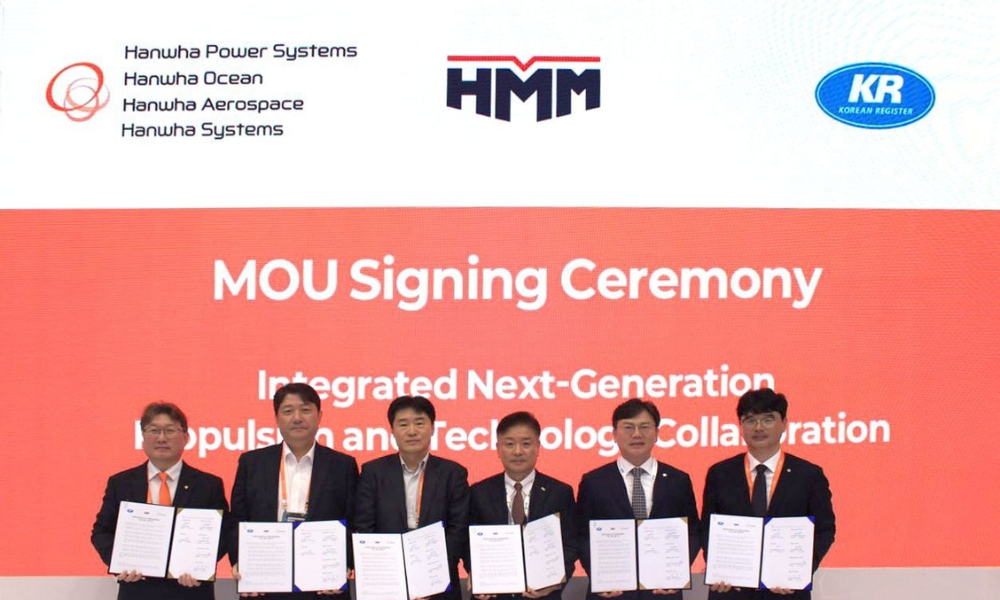
HMM, Hanwha and KR to develop zero-carbon propulsion system for ships
24th October 2025
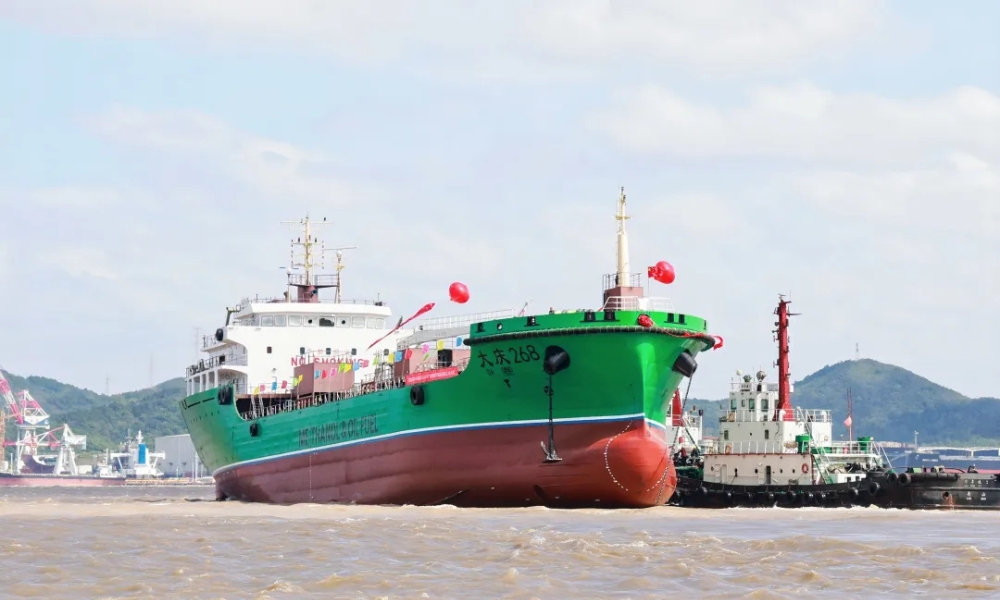
China: First dual-fuel methanol bunkering vessel successfully launched in Zhoushan
24th October 2025
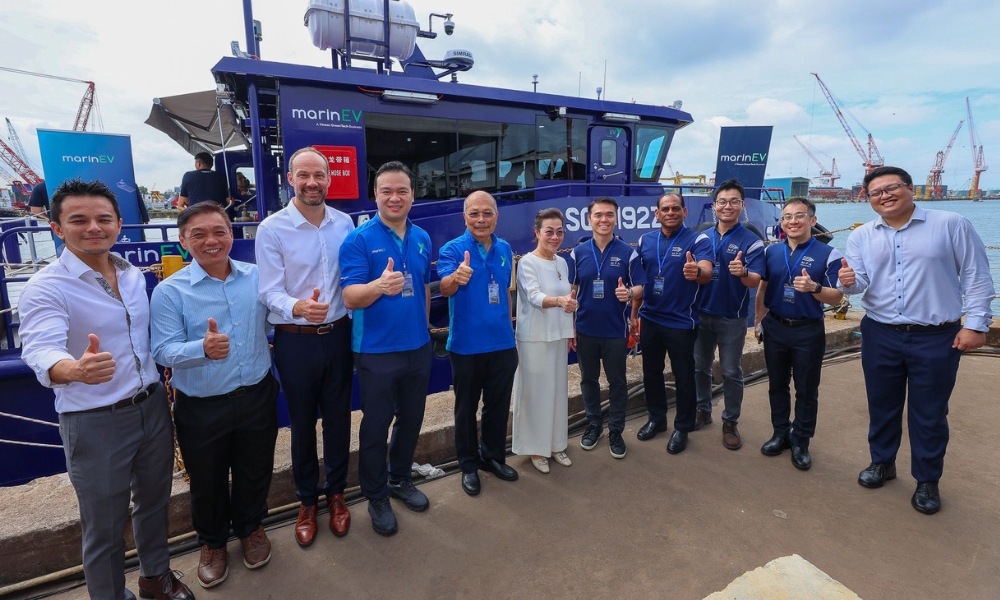
Singapore-based Yinson GreenTech unveils fully electric cargo vessel Hydromover 2.0
24th October 2025
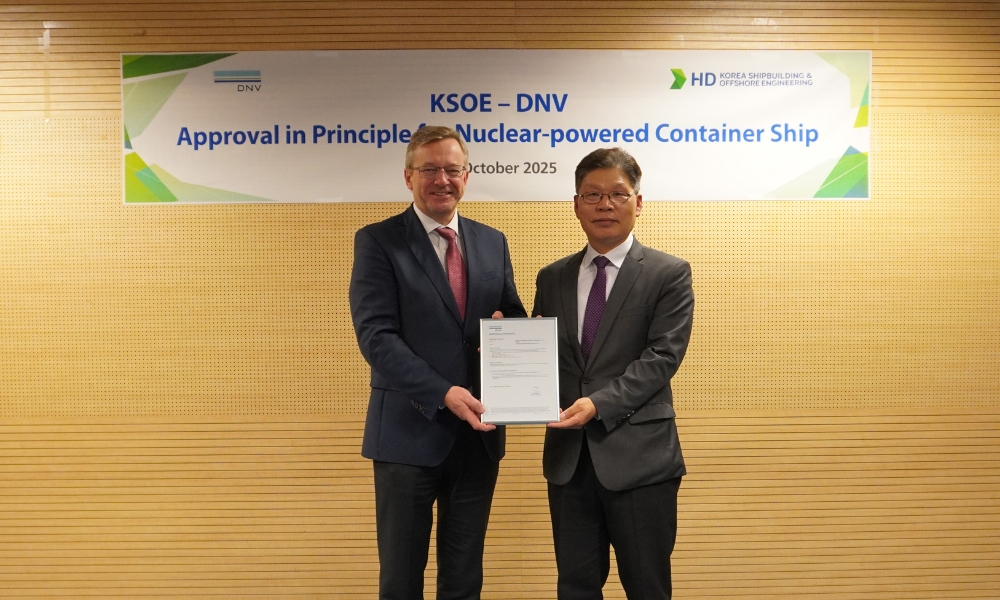
HD KSOE receives DNV AiP for nuclear-powered container ship design
24th October 2025
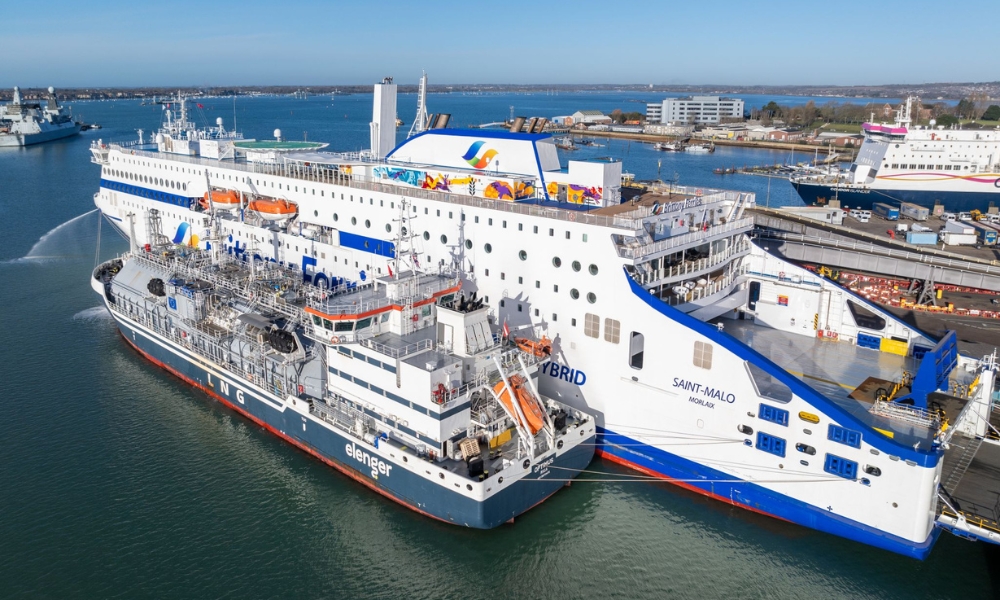
Titan completes first bio-LNG bunker fuel delivery to Brittany Ferries ship in Portsmouth
24th October 2025
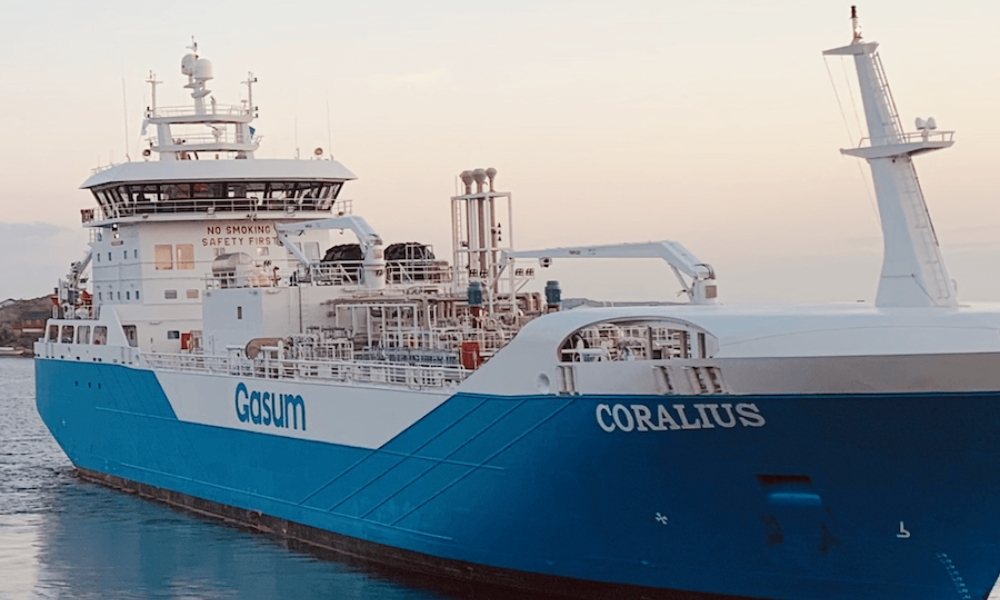
Gasum gas-powered bunkering and carrier vessel fleet sails entirely on bio-LNG
23rd October 2025
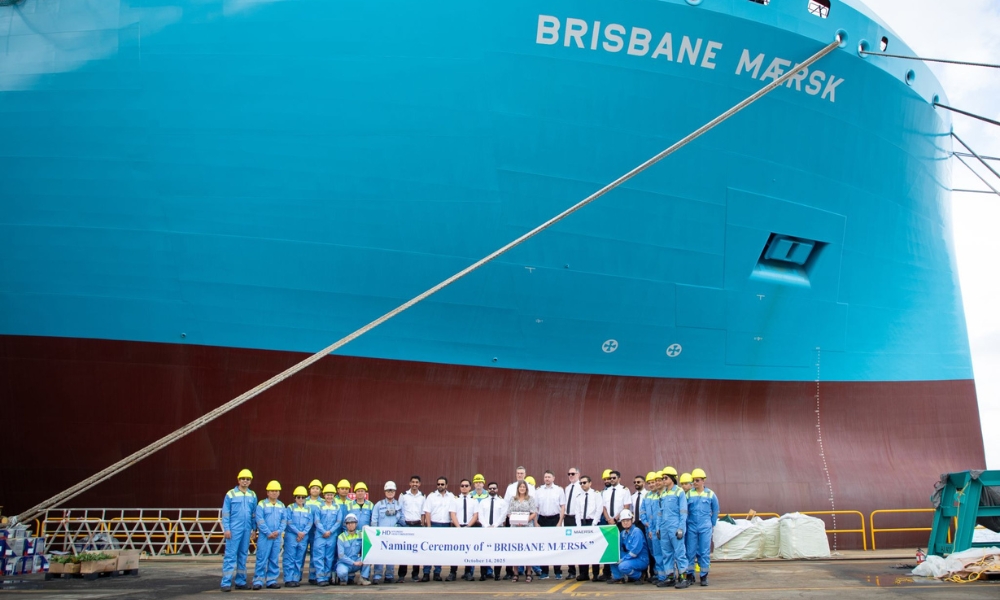
Maersk welcomes latest methanol dual-fuel vessel boxship “Brisbane Maersk”
22nd October 2025
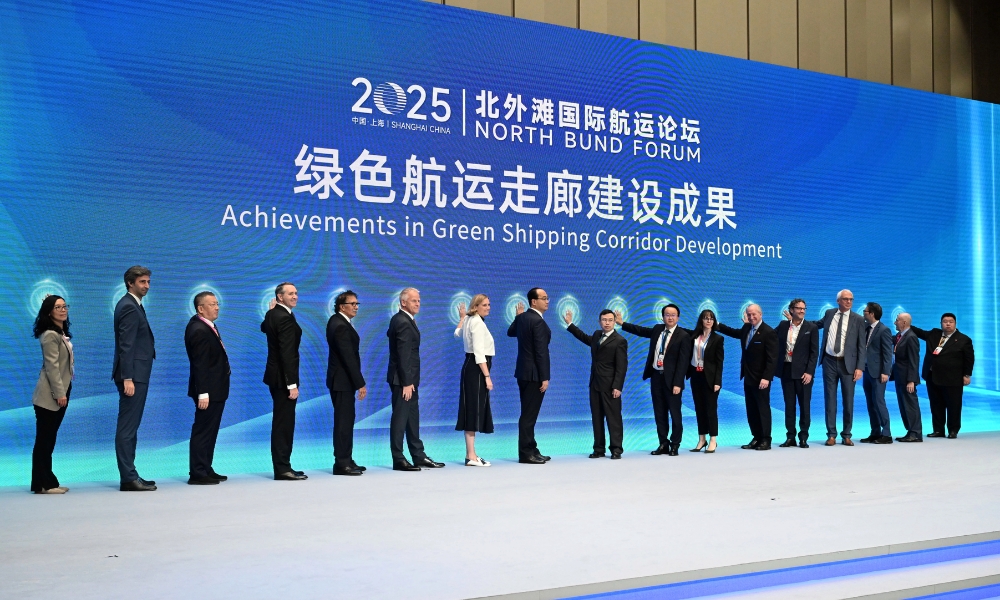
China: Shanghai partners with Europe and Australia ports for green shipping corridors
Previous
Page
1
Page
2
Page
3
Page
4
Page
5
Next
Our Industry Partners
Search
Search
See All Results →
Advanced Search
Close