
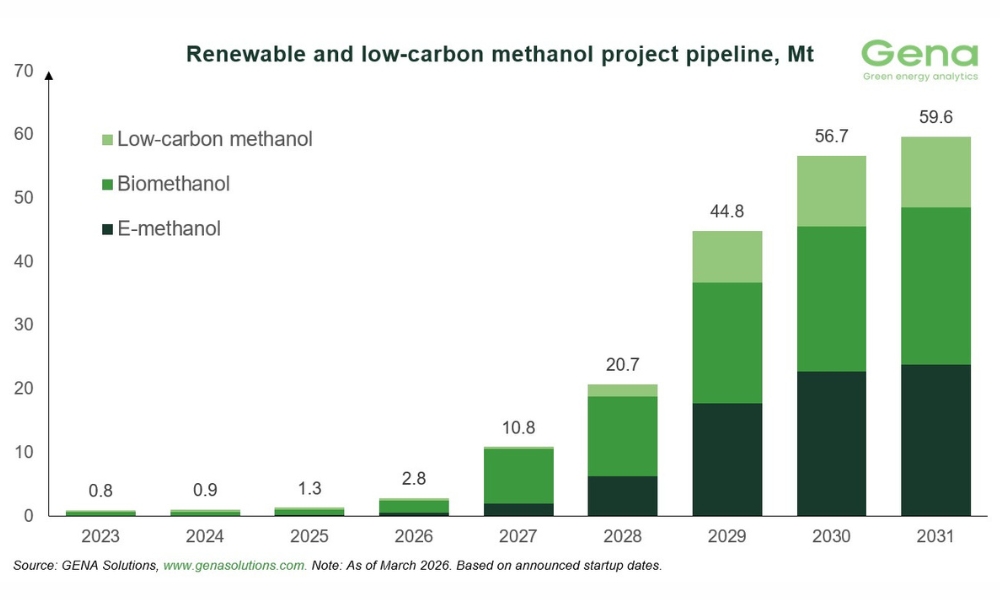

Information shared by the Methanol Institute meant to assist the maritime industry in the adoption of methanol as a mainstream marine fuel heading into IMO 2030/2050.
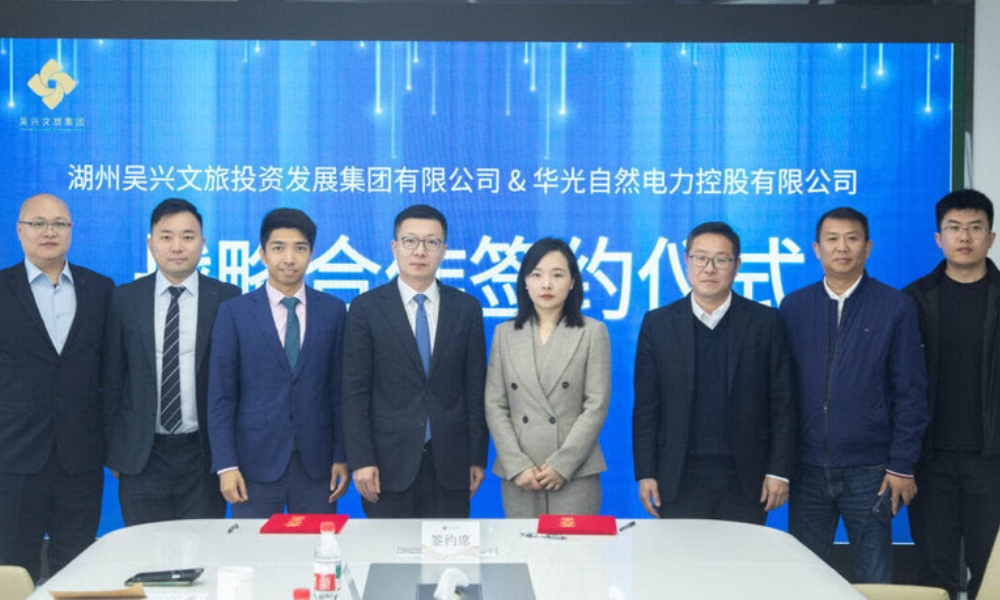

Starting in the Hangzhou–Jiaxing–Huzhou region of northern Zhejiang, the initiative is intended to expand across major inland waterway networks.
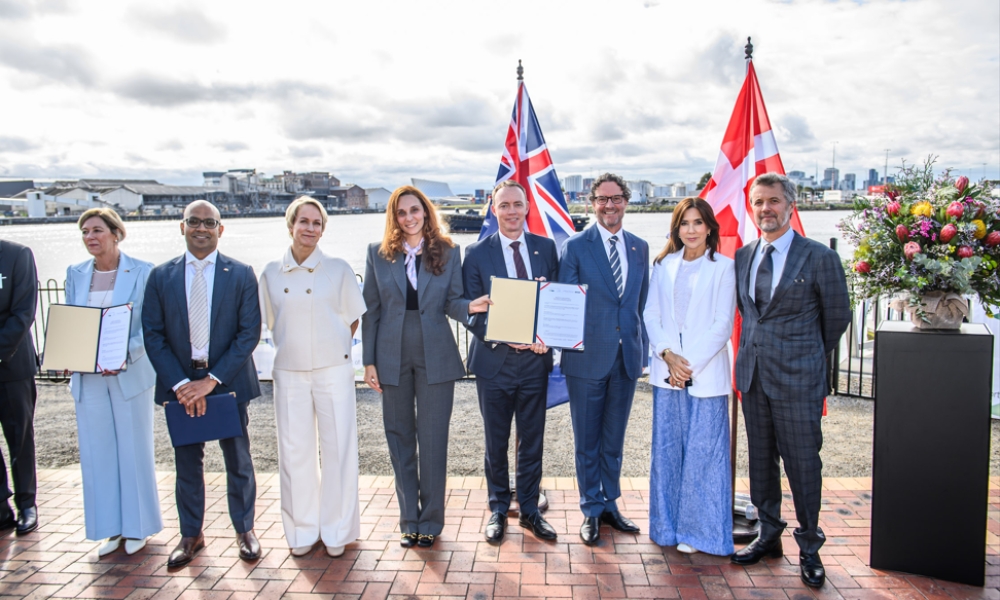

Both inked a MoU to explore the deployment of next‑generation electric tugboats and the clean‑energy infrastructure required to operate them in Australia’s largest container port.
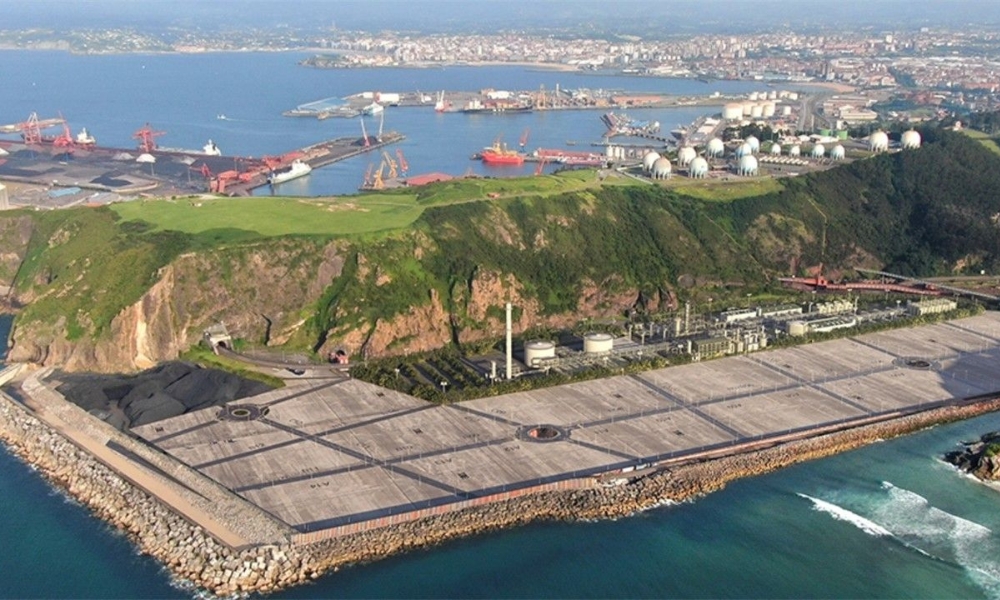

For maritime and aviation players facing fast‑approaching compliance milestones, Hy5 says securing access early to robust e‑fuel supply is rapidly becoming a strategic necessity.

Sumitomo will lead a FEED study to advance its bunkering proposal while collaborating with “K” LINE and NYK Line to advance detailed studies on the vessel...
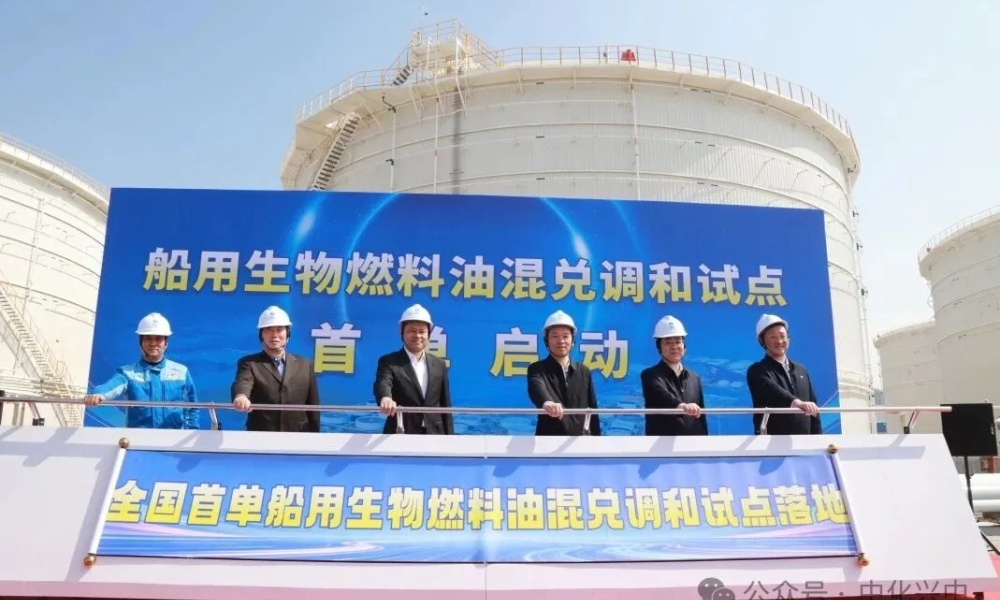

Launch was marked with the blending of 2,000 mt of biodiesel and 6,300 mt of high sulphur fuel oil in storage tank F-02 of Sinochem-Xingzhong Oil...
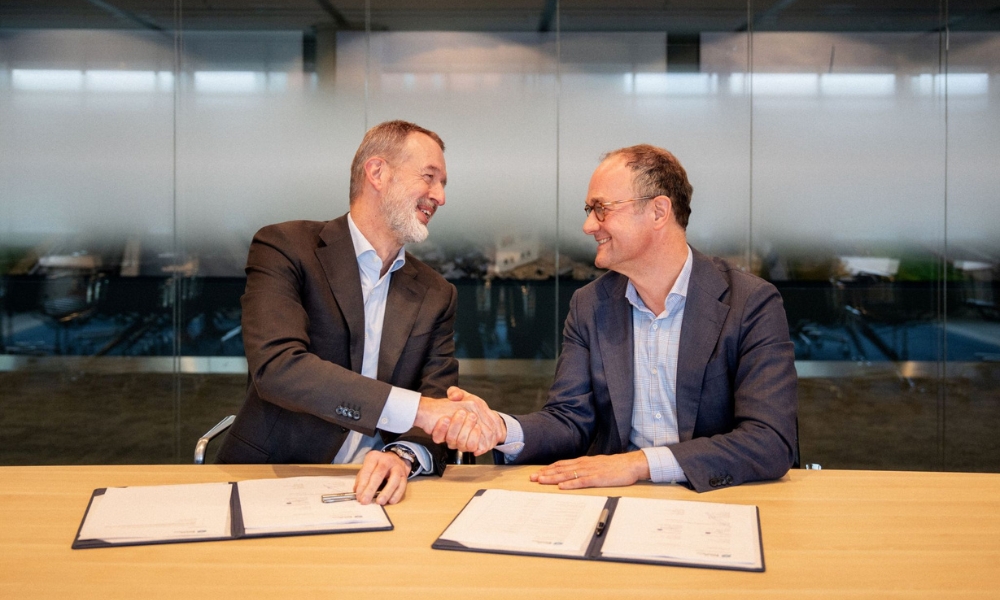

Port of Rotterdam Authority says the expansion will contribute to Rotterdam's position as a bunker port and industrial hub for methanol and ethanol.
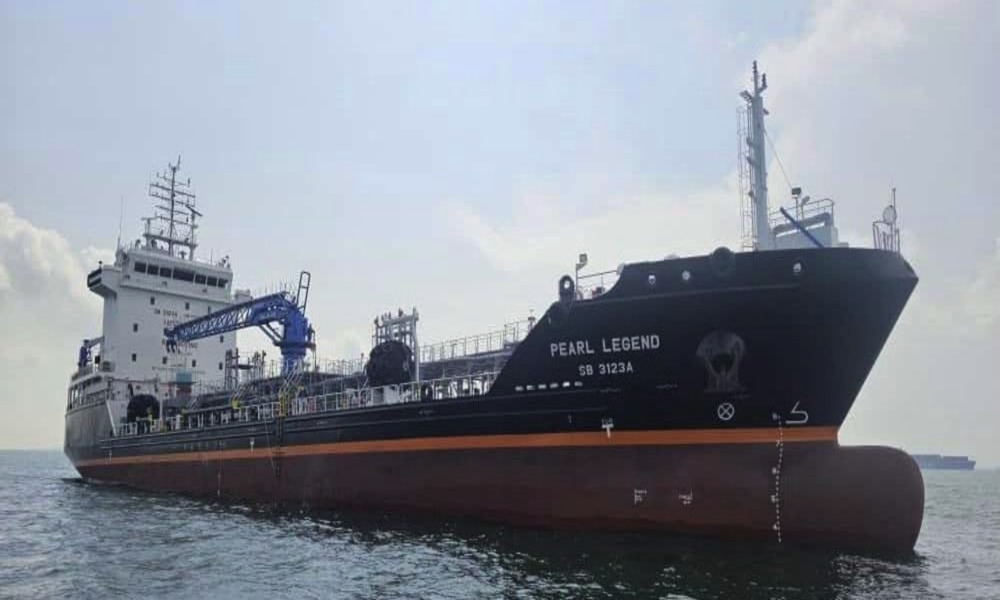

Both aim to supply methanol procured by Idemitsu Kosan as marine fuel in locations where there is a demand for bunkering such as Singapore and major...
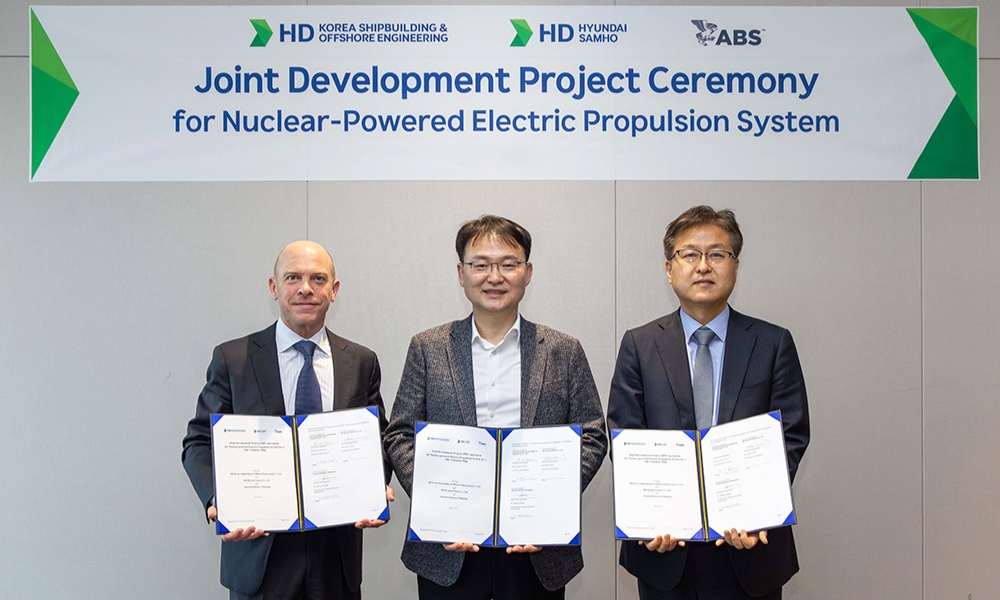

Agreement forms a framework to assess the technical feasibility of a nuclear-powered electric propulsion system specific to a 16K TEU container ship.
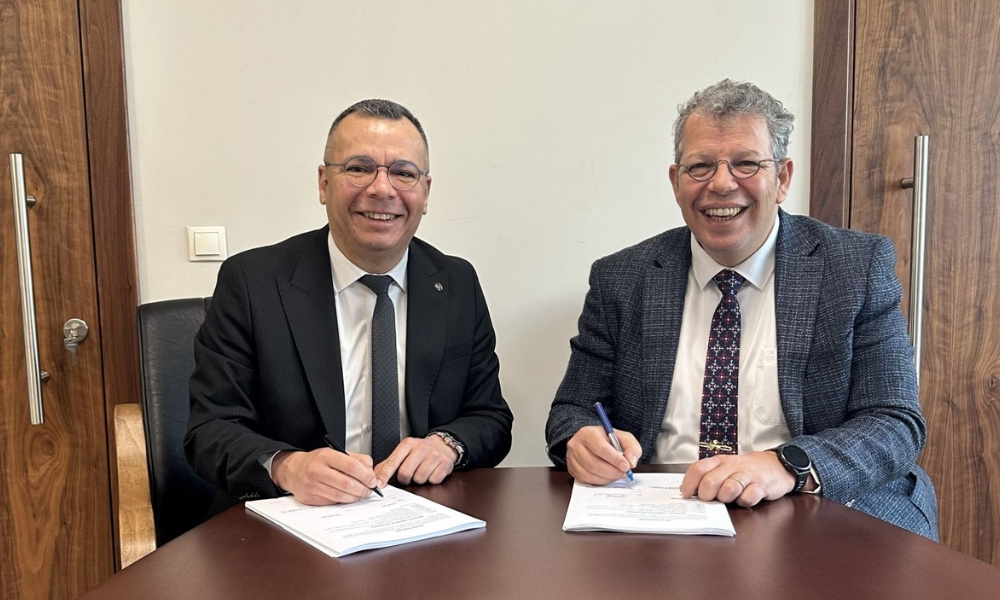

Company signed a contract with RMK Marine to deliver the complete interior outfitting and accommodation package for a new LNG and bio-LNG bunker tanker “Celsius”.


