

Data reveals a market in rapid transition, confirming some industry predictions while uncovering new, emerging risks for ship operators.
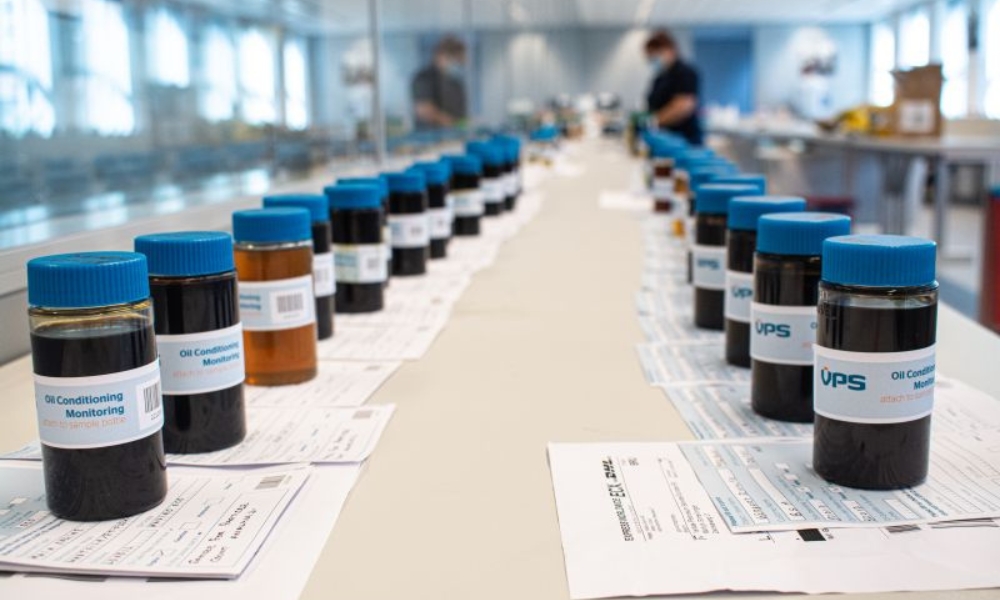

Stanley George highlights that engines operating on FAME-based bio bunker fuels are more susceptible to rapid oil viscosity degradation, where FAME does not evaporate easily, leading...



Steve Bee explores if the greater demand for marine gas oils/distillates would lead to poorer fuel quality following the recent implementation of the new Mediterranean ECA.
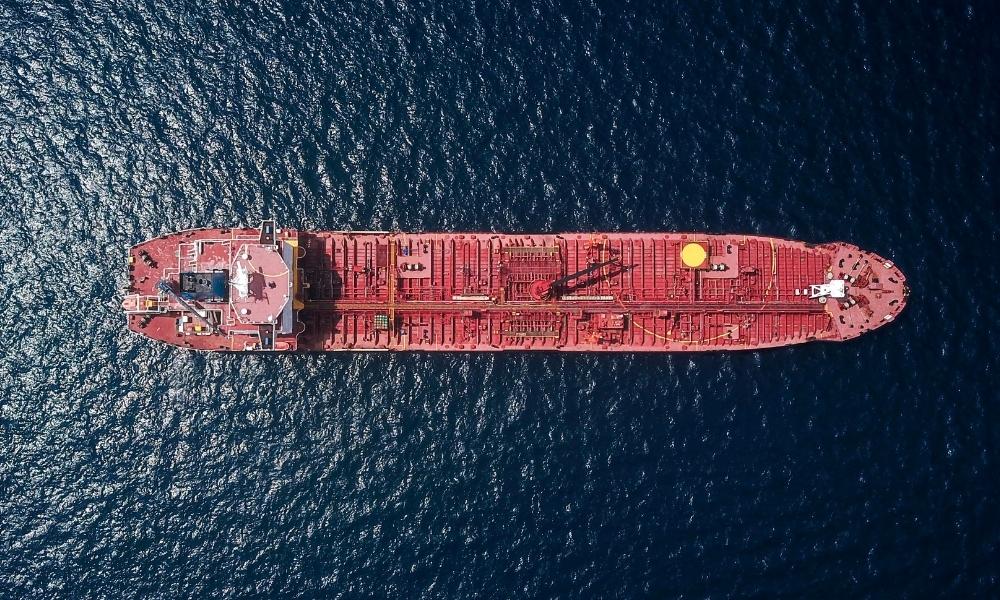

Gard has handled claims where the presence of phenolic compounds originating from CNSL in conventional fuels has resulted in operational problems or machinery damage for vessels.
Steve Bee highlights publication of a new Marine Biofuels Standard, Technical Reference, TR140:2025 Specification for Marine Biofuel, which was produced by experts including MPA and fuel...



These fuels were bunkered in the second half of April from ports in the ARA region with tested ash ranging from 0.102 to 0.127%m/m; high calcium...
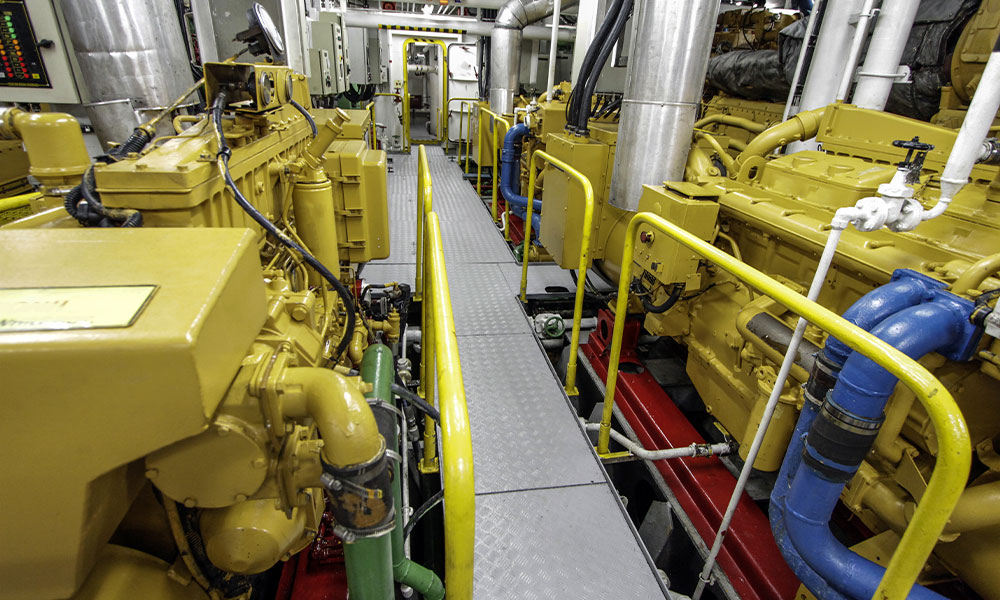

David Browbank, Fuel Chemist at Brookes Bell and scientific analyst, recently dived into the complexities of using CNSL in marine fuel blends and emphasised the need...



Facility further equipped to provide customers with a broader range of testing services, including marine Methanol Biofuel testing.



FOBAS has tested fuel samples from vessels, which bunkered in Istanbul, that have reported problems with fuel injection equipment seemingly caused by a substance sticking and...
Steve Bee of VPS highlights potential and pitfalls of CNSL in marine biofuels in view of the maritime industry turning to CNSL as an alternative low...


