

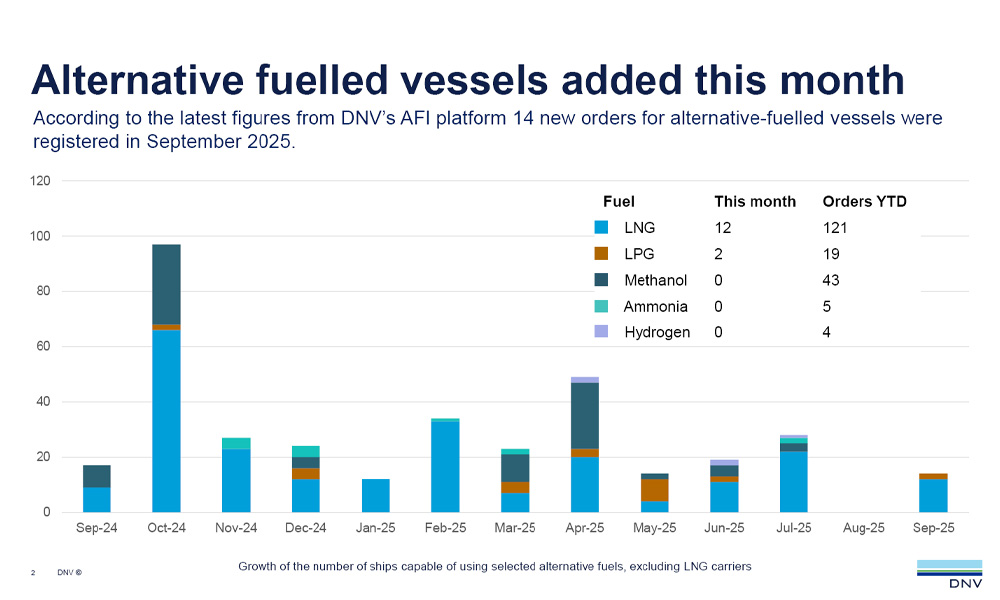

A total of 14 orders for alternative-fuelled vessels were placed in September 2025.
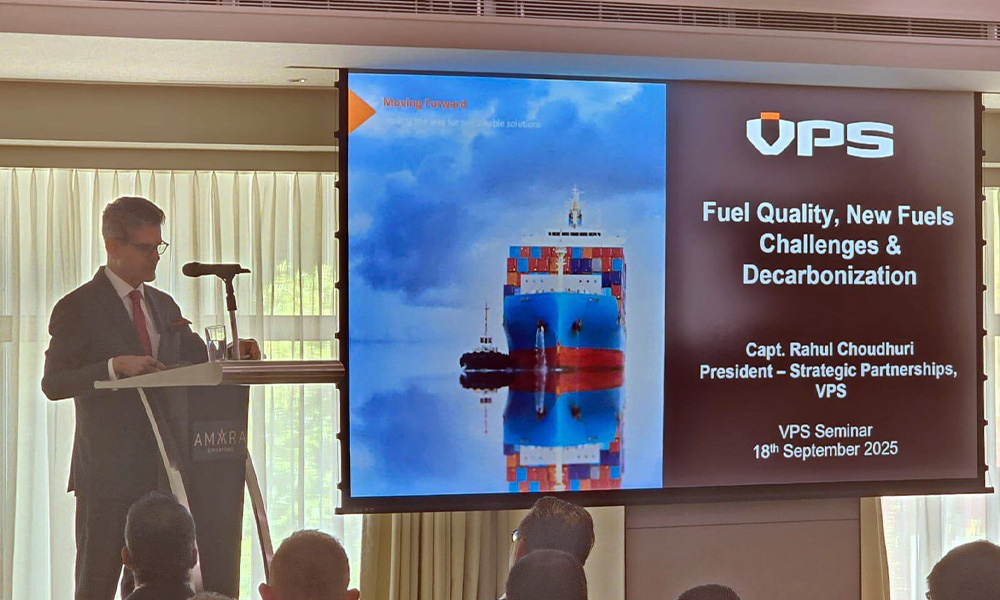

Captain Rahul Choudhuri took the audience through a contaminated VLSFO case study experienced by a prominent shipowner in New York during February 2025.



Research Contributor Steve Christy analyses dynamics in international relations and focuses on the main drivers within the oil market to gauge where bunker prices are going.



Research Contributor Steve Christy analyses why Singapore HSFO prices have fallen so much – the lowest level for more than two years — leading to VLSFO/HSFO...
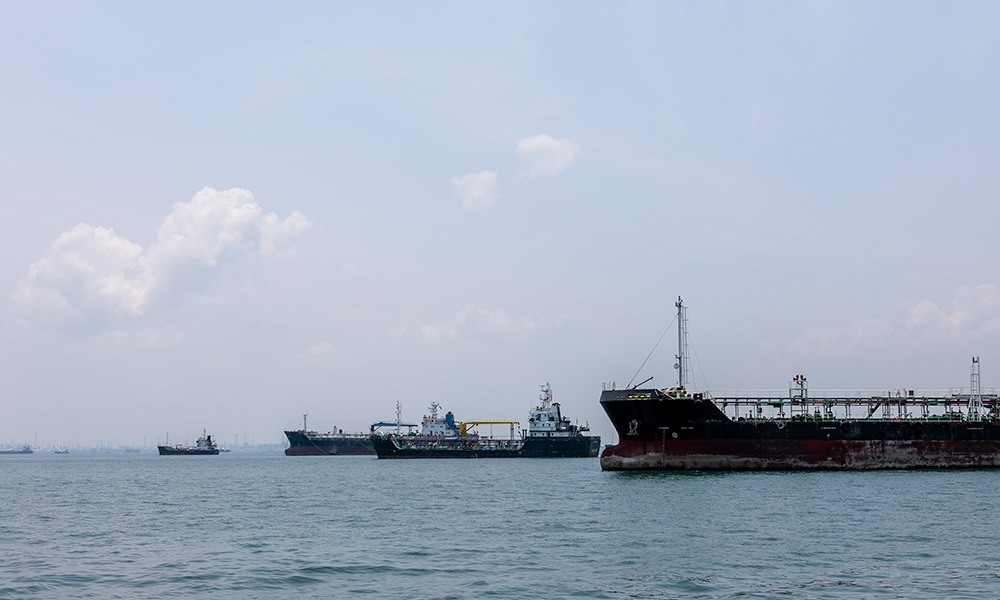

Finds report jointly published by the Baltic Exchange and China’s Xinhua News Agency.
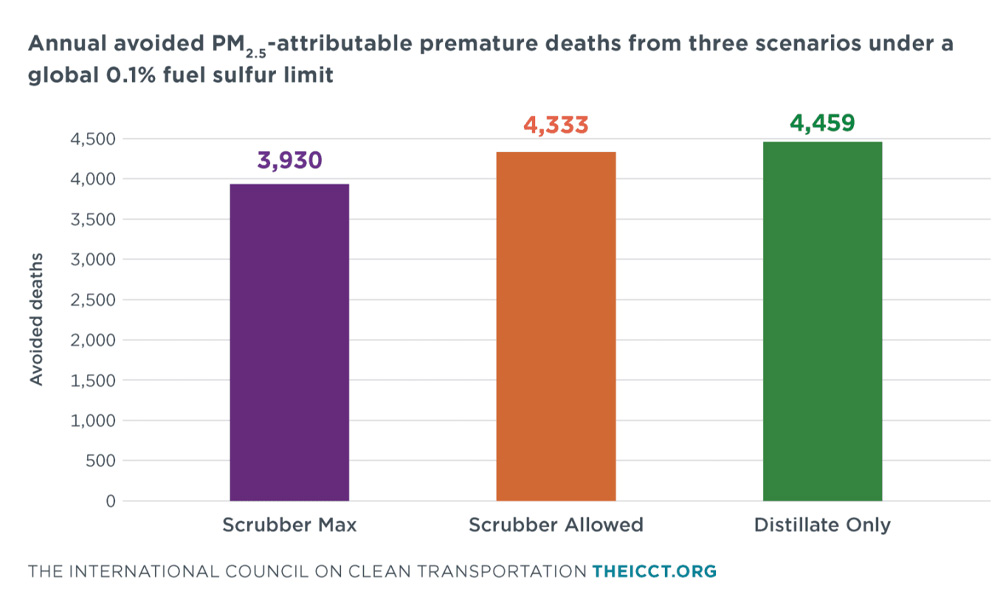

Studies have found ships using scrubbers with heavy fuel oil emit more particulate matter and black carbon emissions than those using marine gas oil.

Data reveals a market in rapid transition, confirming some industry predictions while uncovering new, emerging risks for ship operators.

Research Contributor Steve Christy analyses IEA’s oil market outlook to 2030 which he says will shape the bunker market over the rest of this decade.
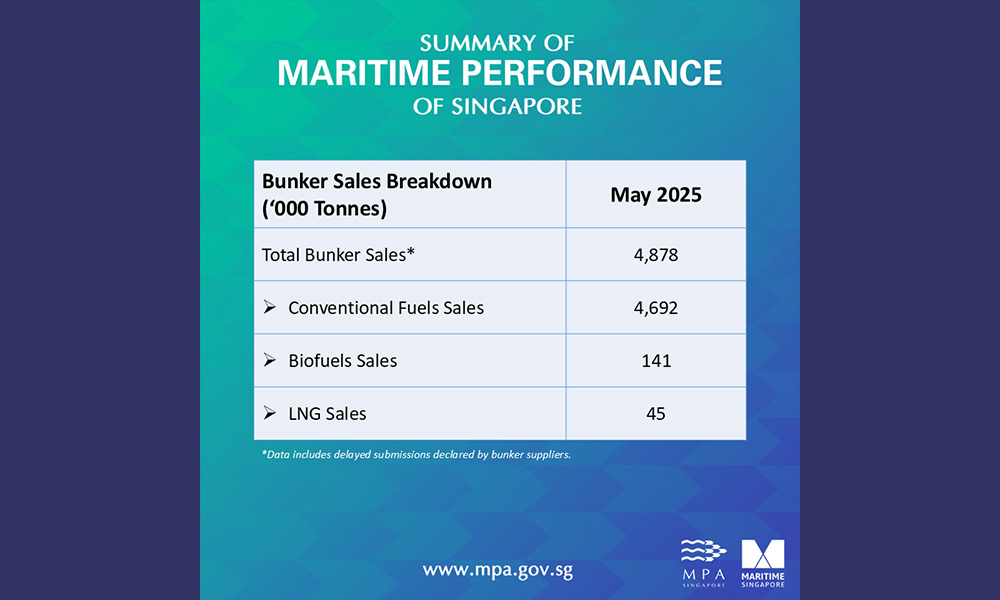

Bio-blended variants of marine fuel oil jumped 671.7% to 40,900 mt when compared to figures seen in May 2024.
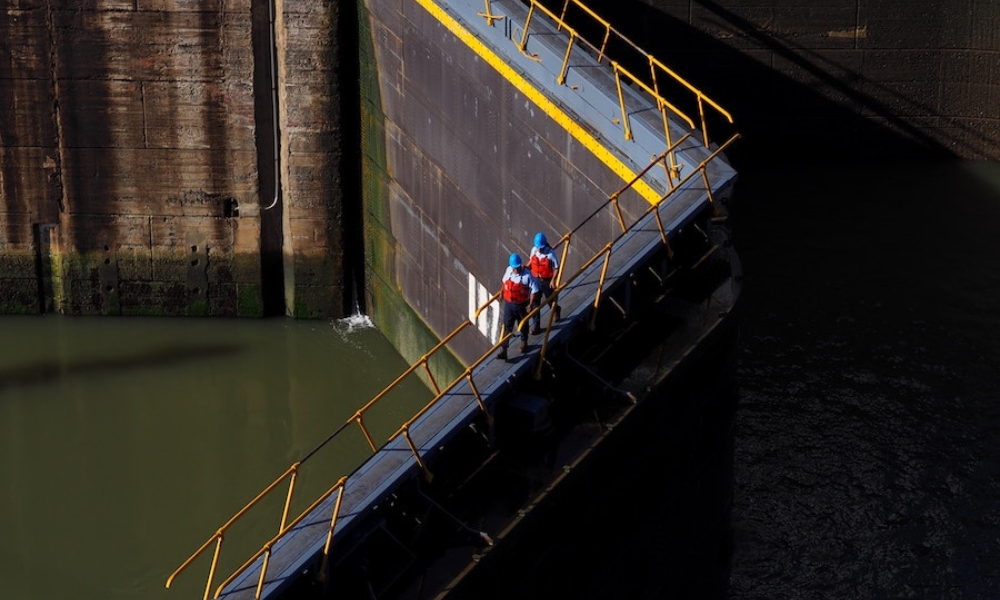

Total bunker sales at Panama was 453,397 metric tonnes (mt) in May 2025, compared to sales of 398,964 mt during the similar period in 2024.


