
Methanol
Methanol Institute: Potential demand for methanol bunker fuel reaches 17.1 million mt per annum
Current orderbooks show the top five orders for methanol dual fuel vessels coming from Maersk, CMA CGM, Evergreen, X-Press Feeders, COSCO Shipping and HMM, states Chris Chatterton.

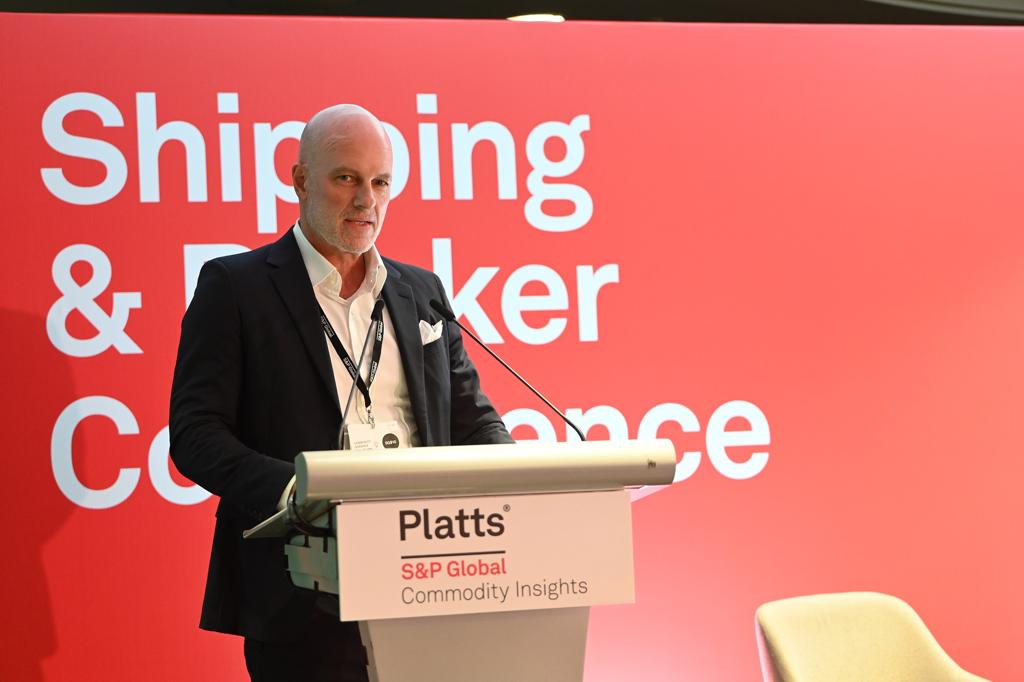
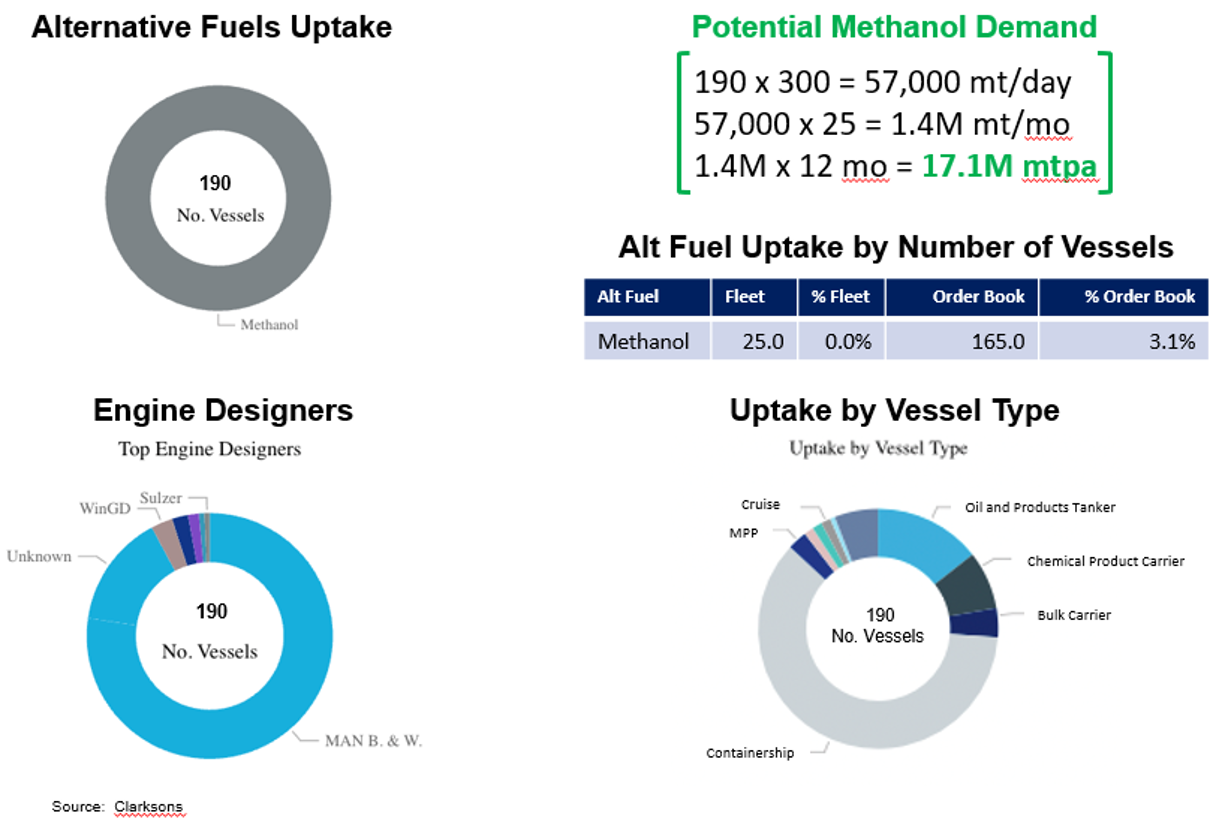
The potential demand for methanol as a bunker fuel has currently risen to 17.1 million metric tonnes (mt) per annum, states the Chief Operating Officer of global methanol industry trade association Methanol Institute.
Chris Chatterton shared the observation with delegates at Session 3: Alternative fuels: Unlocking their potential to transform shipping of the APPEC 2023 conference on Wednesday (8 September) during his session Methanol: The near-term alternative fuel.
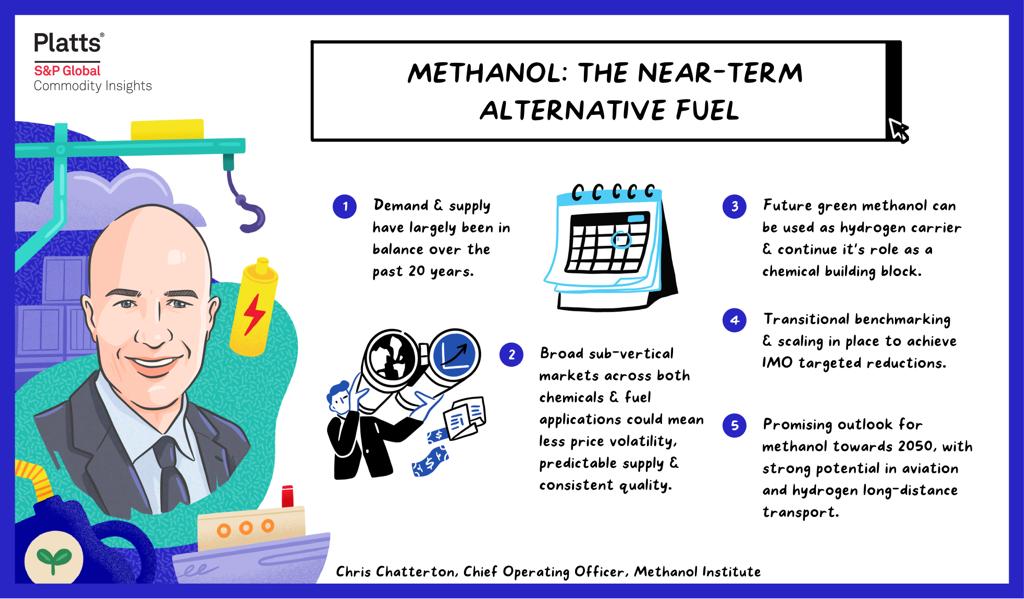
“Global demand and production for methanol in 2020 was 98 million mt and this figure is roughly calculated to reach around 500 million mt by 2050, according to a study by the International Renewable Energy Agency (IRENA),” said Chatterton.
“Broad sub-vertical markets across both chemicals and fuel applications for methanol results in shipowners being subjected to less price volatility, predictable supply, and consistent quality when choosing to use to material as a bunker fuel.
“Additionally, established trading hubs for methanol already mean the product is available for consumption as marine fuel at over 100 ports.”
To date, the 25 methanol-fuel vessels, mainly product/chemical carriers, operating globally will be joined by an additional 165 vessels on order at a future date, he said.
Current orderbooks show the top five orders for methanol dual fuel vessels coming from Maersk, CMA CGM, Evergreen, X-Press Feeders, COSCO Shipping and HMM – mostly purchasing containerships.
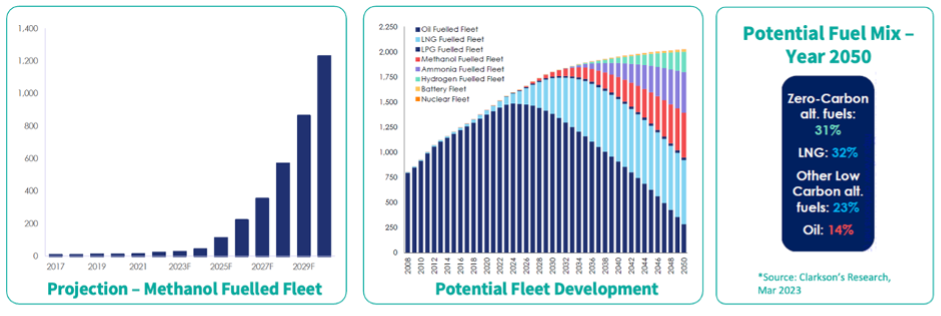
Moving forward, Chatterton expects a total of 1,200 methanol-fuelled vessels of various designs, including containerships, bulk carriers, chemical tankers, ferries, harbourcraft, dredgers, OSV, VLCCs, and car carriers, to be operating by 2030.
Chatterton in July told Manifold Times he expects a major portion of the methanol-fuelled fleet to be receiving fuel at the Port of Singapore.
The successful completion of Singapore’s first methanol bunkering pilot in late July has given the republic a lead in adopting methanol as a marine fuel.
The Methanol Institute in May published its first comprehensive guide to methanol as a marine fuel.
Singapore’s bunkering sector, meanwhile, is gearing up to receive commercial methanol bunkering operations.
International laboratory testing services firm Eurofins has expanded operations to include surveying, sampling and testing packages for methanol bunker fuel within its product portfolio.
Consort Bunkers Pte Ltd has placed a newbuilding order for six 6,500 dwt IMO Type 2 bunker tankers capable of delivering a wide variety of conventional marine fuels including biofuel and methanol.
During Singapore Maritime Week (SMW 2023), classification society DNV joined a working group on methanol bunkering, managed by the Standards Development Organisation at Singapore Chemical Industry Council (SCIC-SDO).
Golden Island Diesel Oil Trading Pte Ltd, which has already finished the design phase for its methanol bunkering tanker, is planning to start bonded methanol bunkering operations at the republic in 2026.
In 2022, several players including PTT Exploration and Production Public Company Limited, Air Liquide, YTL PowerSeraya Pte. Limited, Oiltanking Asia Pacific Pte. Ltd., Kenoil Marine Services Pte Ltd, and A.P. Moller – Maersk A/S signed a Memorandum of Understanding to start a ‘Green Methanol Value Chain Collaboration’ feasibility study project.
Related: The Methanol Institute: Singapore takes first-mover advantage in Asia with methanol bunkering pilot
Related: Singapore bunkering sector enters milestone with first methanol marine refuelling op
Related: Methanol Institute publishes first complete guide to methanol as a marine fuel
Related: Consort Bunkers receives “Pearl Khaoyai”, prepares for IMO 2030/2050 with IMO Type 2 bunker tanker orders
Related: SMW 2023: DNV joins Standards working group on methanol bunkering
Related: Singapore: Golden Island begins fleetwide B30 biofuel bunker trial, starts tests with “Double Happiness”
Related: Singapore: Golden Island Diesel Oil Trading to start methanol bunkering operations at republic by 2026
Related: SNIC 2022: Kenoil shares green methanol bunkering endeavour and firm’s contribution to supply value chain
Related: Singapore: Players in feasibility study for first green e-methanol plant in S.E.A.
Photo credit: The Methanol Institute
Published: 13 September, 2023
Methanol
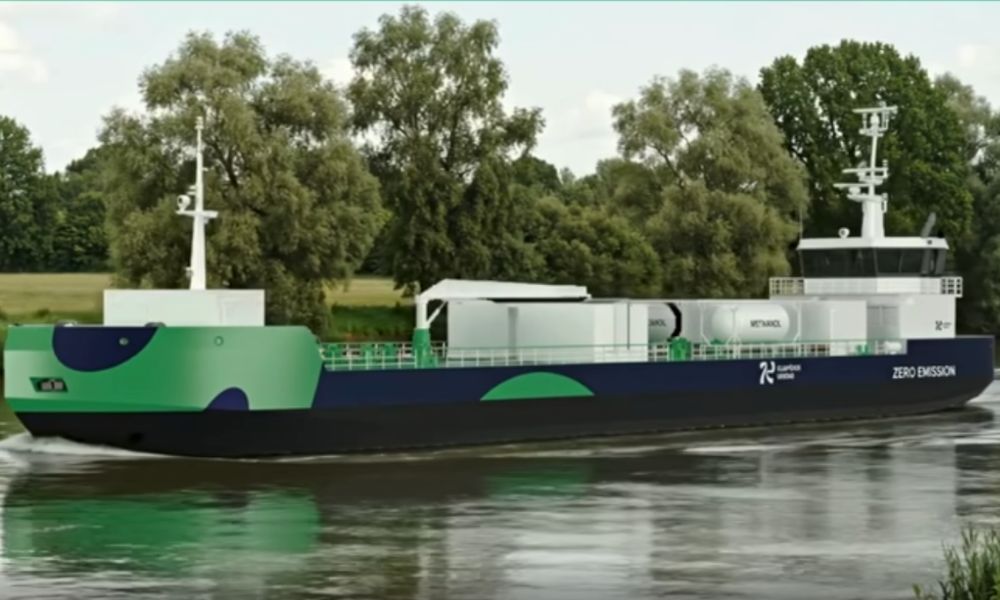
Western Baltic Engineering unveils green methanol bunkering vessel design for Klaipėda
Designed for flexible operations in shallow waters and local bunkering routes, the concept features an 800-metric-tonne green methanol capacity and the potential to supply up to 250,000 mt annually.
Methanol
China launches methanol shipping supply chain alliance to accelerate green transition
Marine fuel suppliers in the alliance include Sinopec Fuel Oil Sales, China Marine Bunker (PetroChina), SIPG Energy (Shanghai), and Shenzhen Port Energy Development.
Methanol
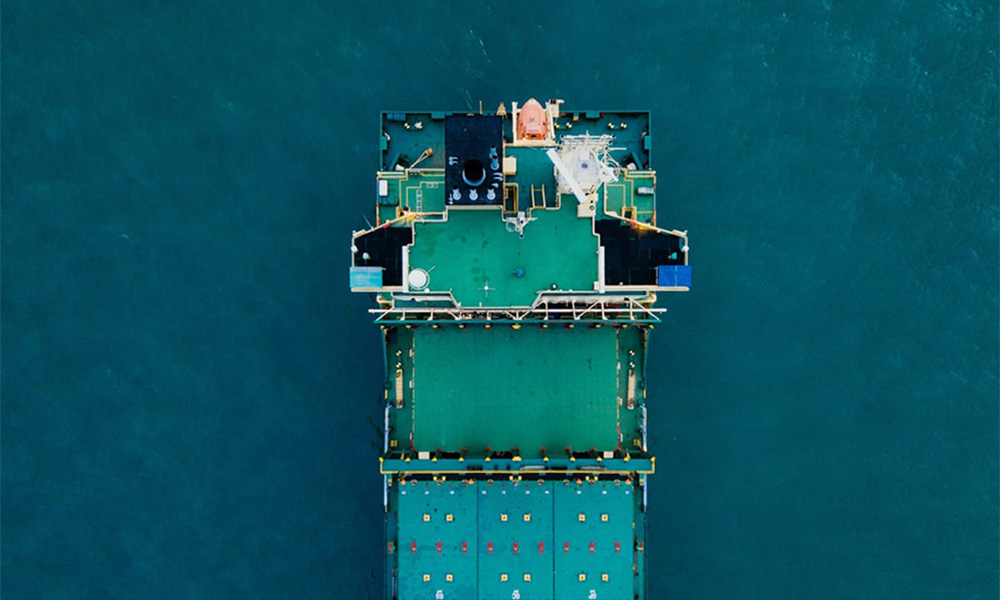
MTF releases new safety guidelines for methanol-fuelled ships
Recognising that methanol as a marine fuel remains at an early stage of adoption, the guidelines place particular emphasis on risk-based decision-making, continuous improvement and organisational agility.

OUR INDUSTRY PARTNERS

Singapore withdraws remaining 127 charges against Hin Leong founder OK Lim

Singapore: Coastal Logistics Pte Ltd to be wound up voluntarily

PIL’s LNG dual-fuel boxship “Kota Elok” arrives in Singapore on maiden call

CIMC SOE secures order for 12,000-cbm LNG bunkering vessel from Sinopec Clean Energy

ABS awards AiP to Korean institute for SMR-powered container ship concept design

EXMAR’s “ANTWERPEN” completes first commercial voyage using ammonia bunker fuel

ENGINE on Fuel Switch Snapshot: LSMGO surges to greater premium over biofuel

US reinstates Iran oil sanctions, orders wind-down by 17 July

ENGINE: East of Suez Fuel Availability Outlook (7 July 2026)

ENGINE: Europe and Africa Fuel Availability Outlook (8 July 2026)

Malaysia: Maharani Freeport to implement MFM and e-BDN technologies for enhanced bunkering transparency

Evergreen Marine director questioned, offices searched in Taiwan insider trading probe

Singapore retains world’s leading maritime centre ranking in 2026 ISCD Index

Russian court orders marine fuel supplier Transbunker assets transferred to state
-
 Sanctions2 weeks ago
US reinstates Iran oil sanctions, orders wind-down by 17 July
-
 Bunker Fuel Availability2 weeks ago
ENGINE: East of Suez Fuel Availability Outlook (7 July 2026)
-
 Bunker Fuel Availability2 weeks ago
ENGINE: Europe and Africa Fuel Availability Outlook (8 July 2026)
-
 Technology7 days ago
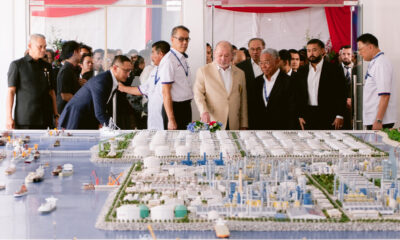
Malaysia: Maharani Freeport to implement MFM and e-BDN technologies for enhanced bunkering transparency
-
 Legal2 weeks ago
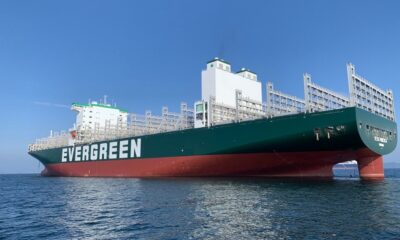
Evergreen Marine director questioned, offices searched in Taiwan insider trading probe
-
 Business2 weeks ago
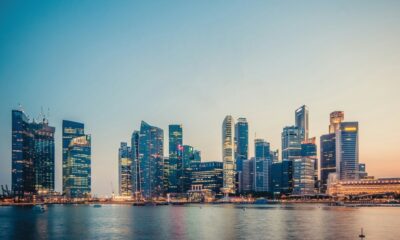
Singapore retains world’s leading maritime centre ranking in 2026 ISCD Index
-
 Legal2 weeks ago
Russian court orders marine fuel supplier Transbunker assets transferred to state
-
 Lubricants2 weeks ago
VPS on longer drains, lower cost: The role of oil analysis of synthetic engine oils