
Technology
Singapore: ISO/TC 28/SC 2/WG13 for Marine Bunkering attends meter verification operation of “Sea Longevity”
ISO delegates represented seven countries and were in Singapore to attend a three-day meeting of ISO WG13 to develop two new ISO bunkering standards, learns Singapore bunkering publication Manifold Times.

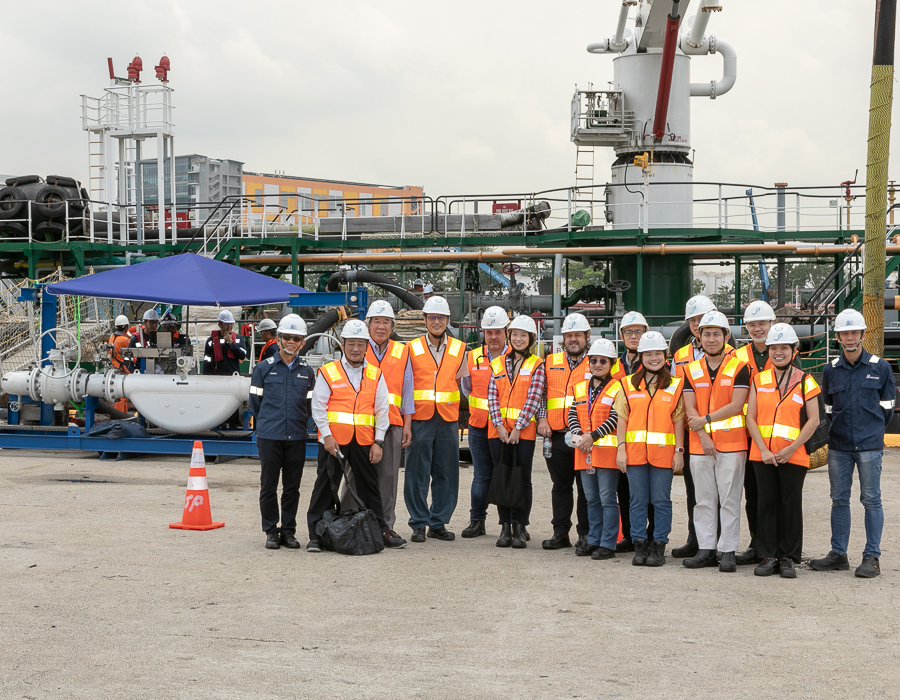
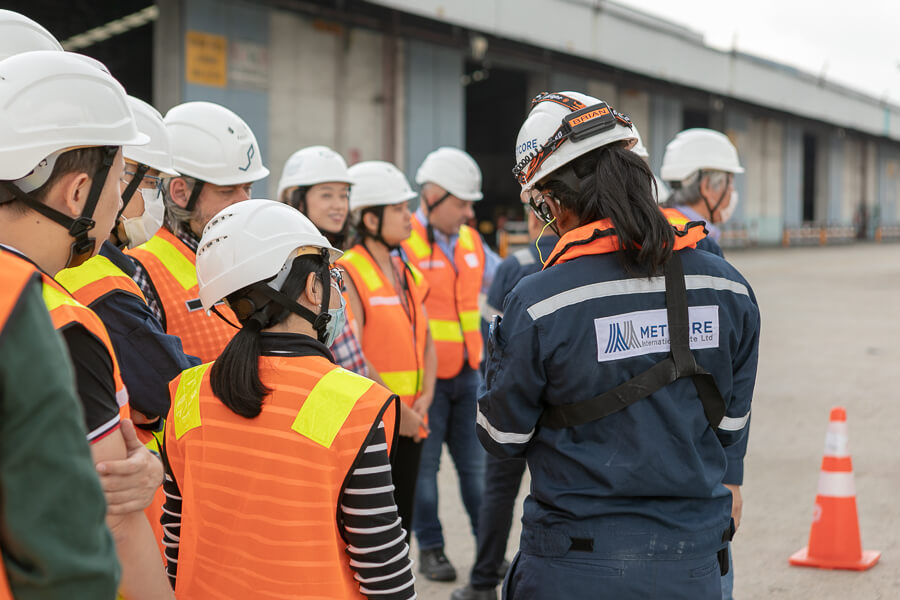
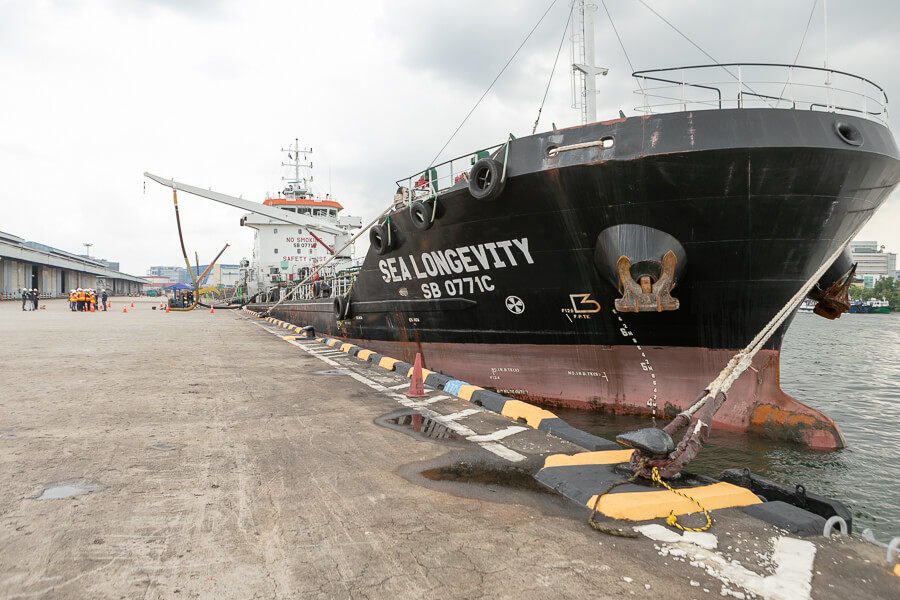
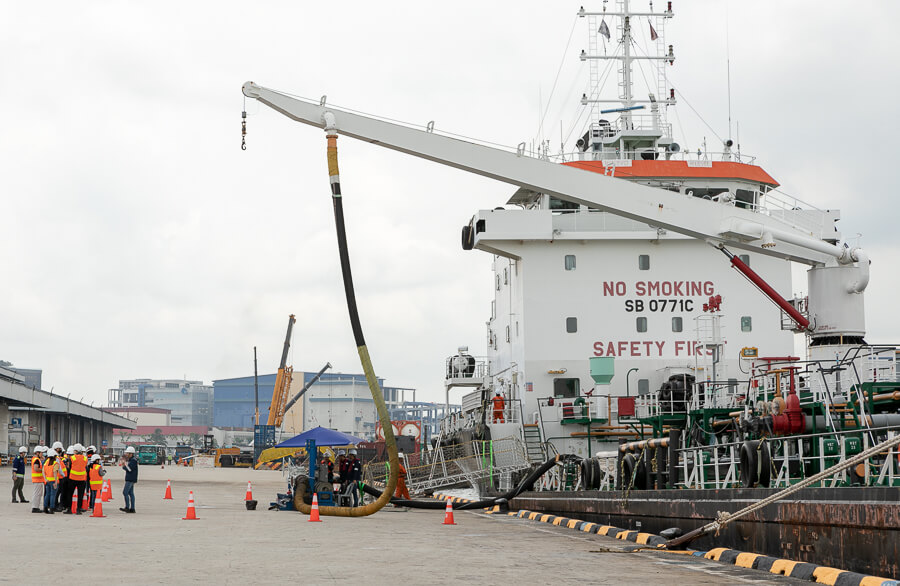
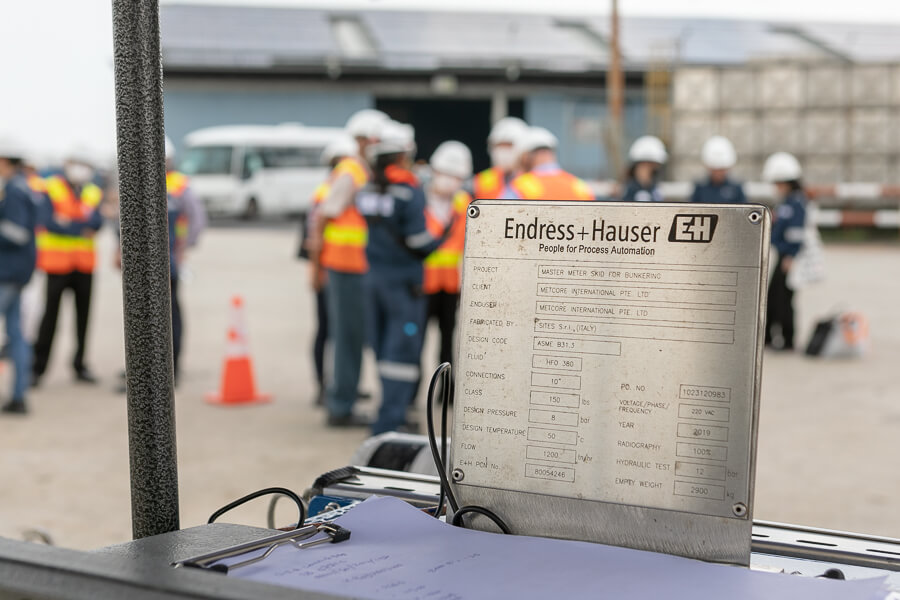
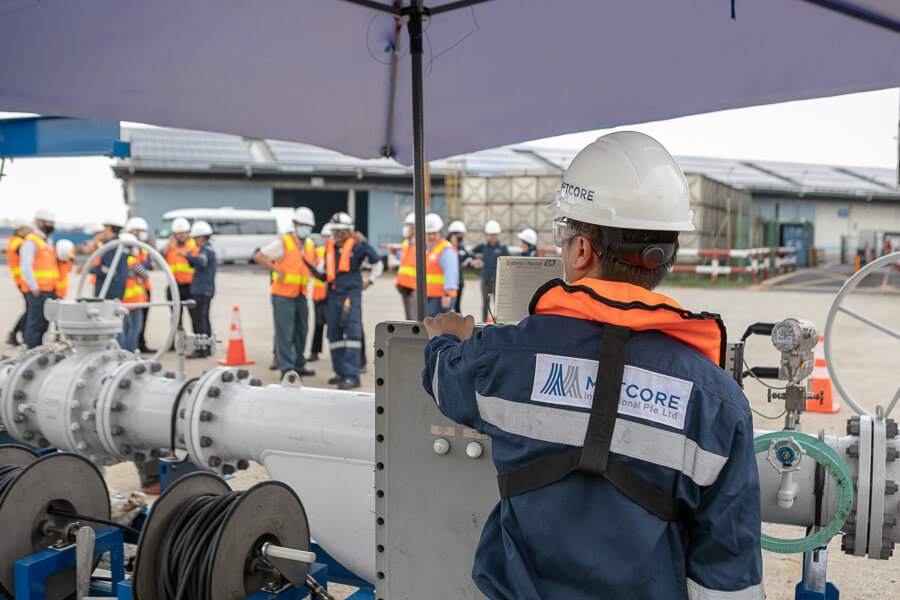
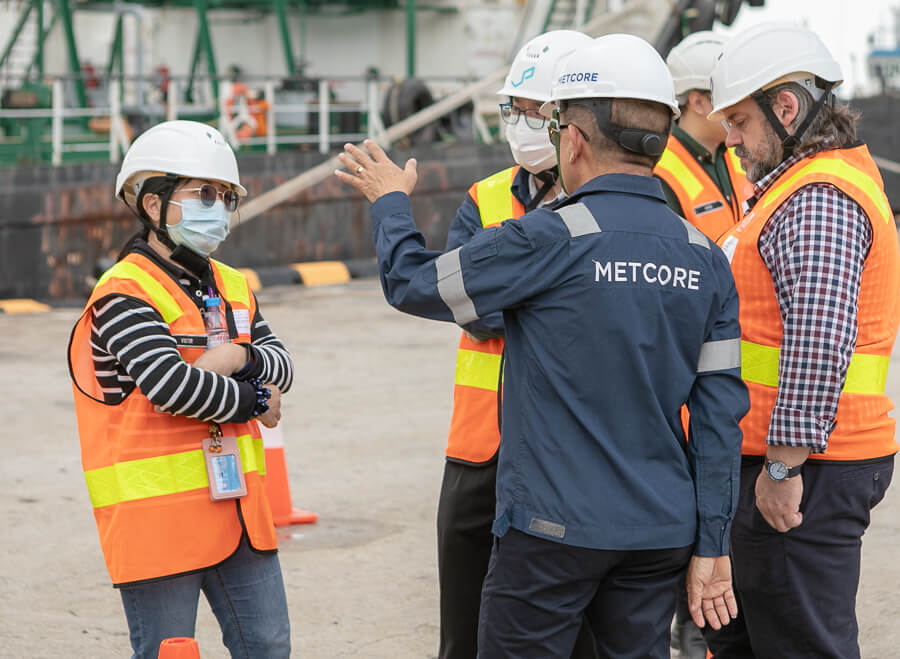
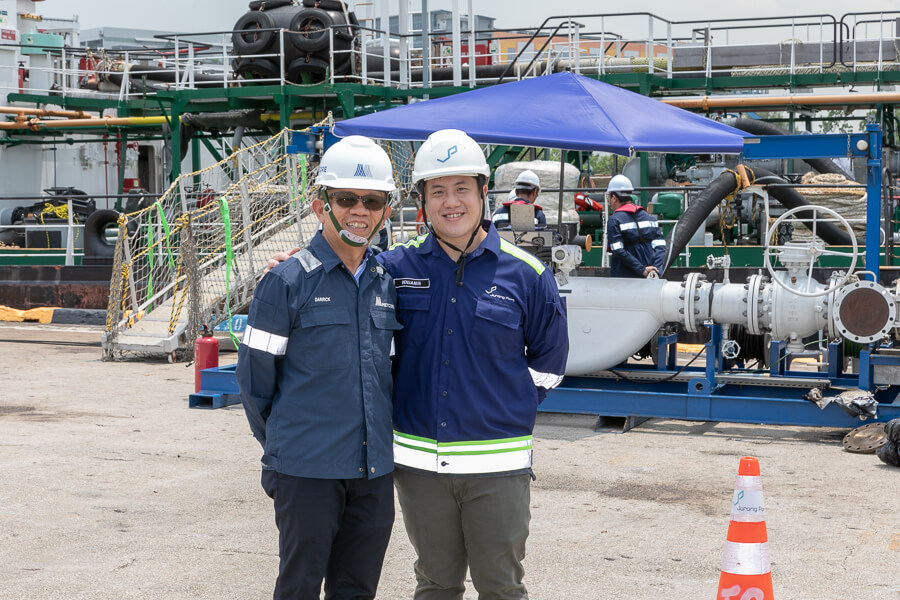
Members of the International Organization for Standardization (ISO) working group (ISO/TC 28/SC 2/WG13 for Marine Bunkering) attended a meter verification using master Coriolis mass flow meter operation performed by mass flow metering system measurement solutions provider Metcore International Pte Ltd (Metcore) at Jurong Port on Wednesday, 28 September 2022.
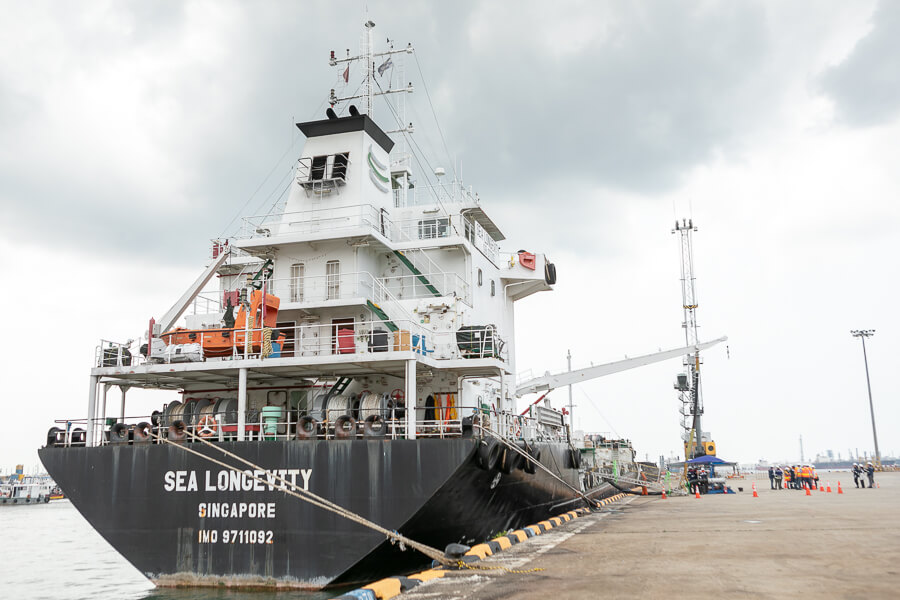
Singapore-flagged bunker tanker Sea Longevity, a vessel owned and operated by bunker supplier Equatorial Marine Fuel Management Services, was having its mass flow meter verified during this particular operation.
The world’s first meter verification using master Coriolis mass flow meter solution for the bunkering sector was launched during the end of 2020; the service provides an efficient way to assess the accuracy of the bunker tanker’s duty meter in Singapore on an annum basis while offering huge cost savings as compared with other verification methods.
“Hosting the visit by ISO members re-iterates our commitment towards the support of standards development work,” Daryl Lim, Quality Manager, Metcore, told Singapore bunkering publication Manifold Times.
“We believe that the meter verification not only showcases Singapore bunkering community’s effort, it also facilitates the ISO members to benchmark against our best practices when formalising a similar international standard.”
Choong Zhen Mao, Executive Director at Singapore bunker supplier Equatorial Marine Fuel Management Services (EMF), welcomed the ISO committee to witness the operation.
“Mass flow meters have become the cornerstone for the transparency, integrity and efficiency of the bunkering sector in Singapore. The technology is also integral to the digitalisation of our industry going forward,” notes Mr Choong.
“We are happy and privileged to have the Sea Longevity represented as a showcase for the ISO working group.”
The ISO delegates represented seven countries and were in Singapore to attend a three-day meeting of ISO WG13 to develop two new ISO bunkering standards.
ISO WG13 Convenor Seah Khen Hee shared: “These two standards cover bunker cargo loading from oil terminal to bunker tanker and meter verification using the master Coriolis mass flow meter respectively.”
“Together with other ISO bunkering standards, these new standards will offer the international bunkering industry the opportunity to apply technologies that enable digitalisation of the bunker supply chain around the world. In addition, the ISO standards will promote fair trade, transparency and trust.”
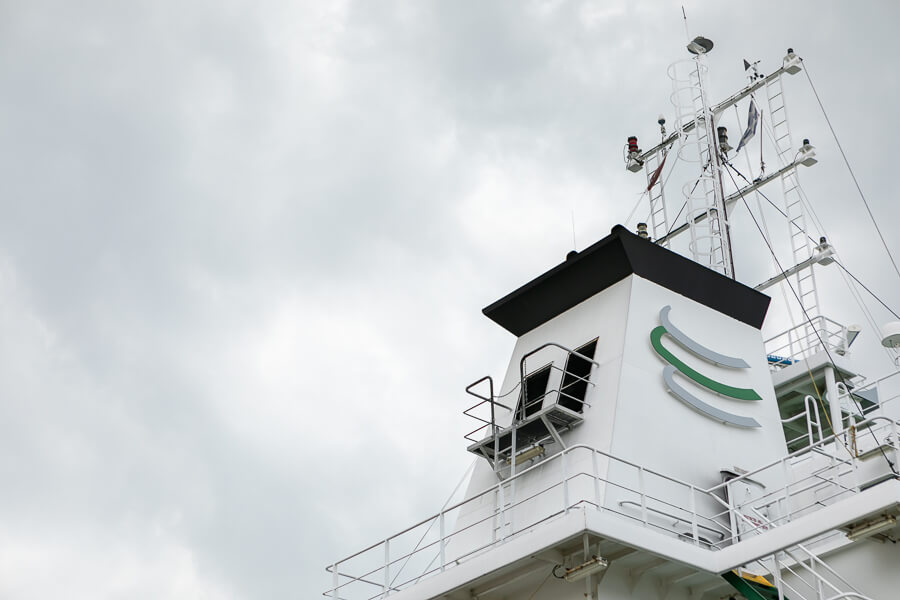
Images of the meter verification operation taken by Manifold Times are as follows:
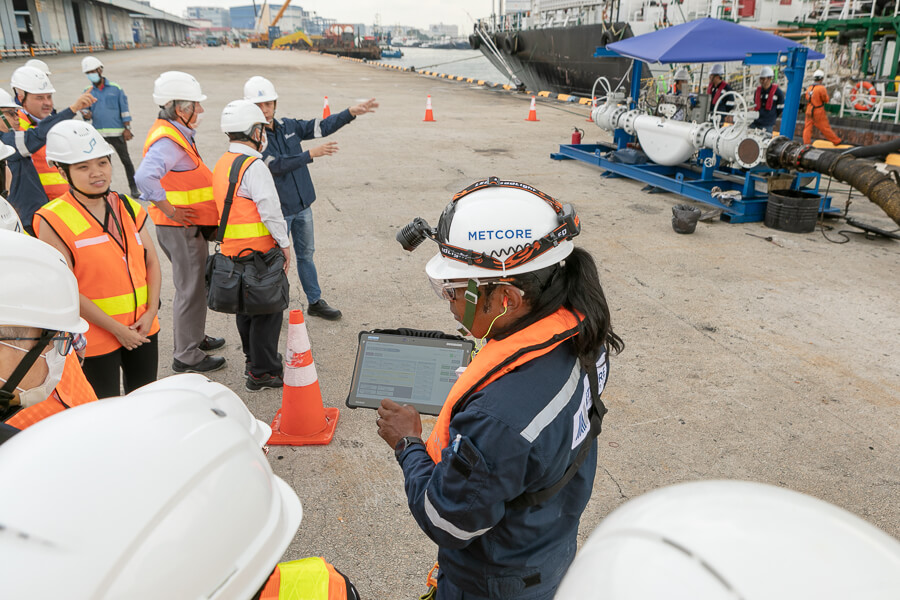
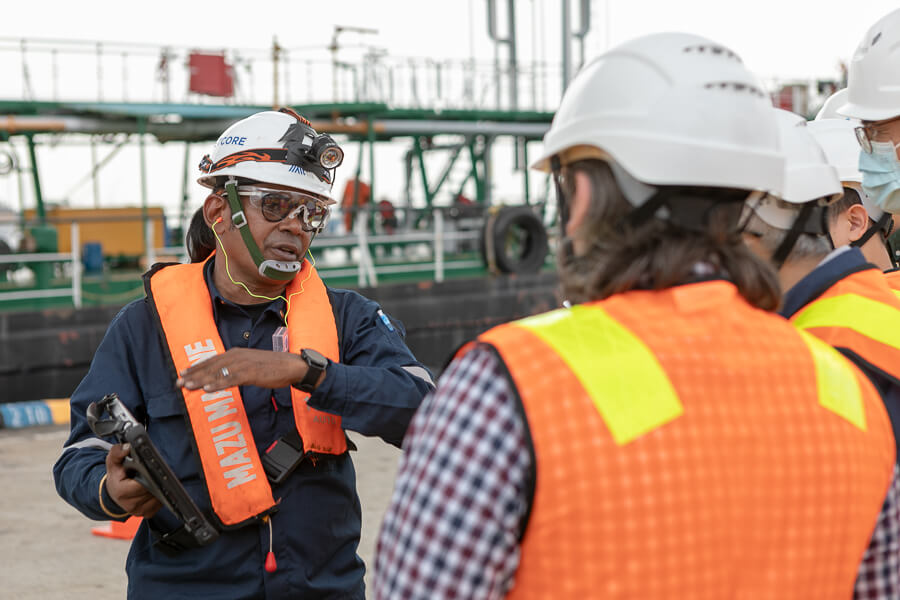
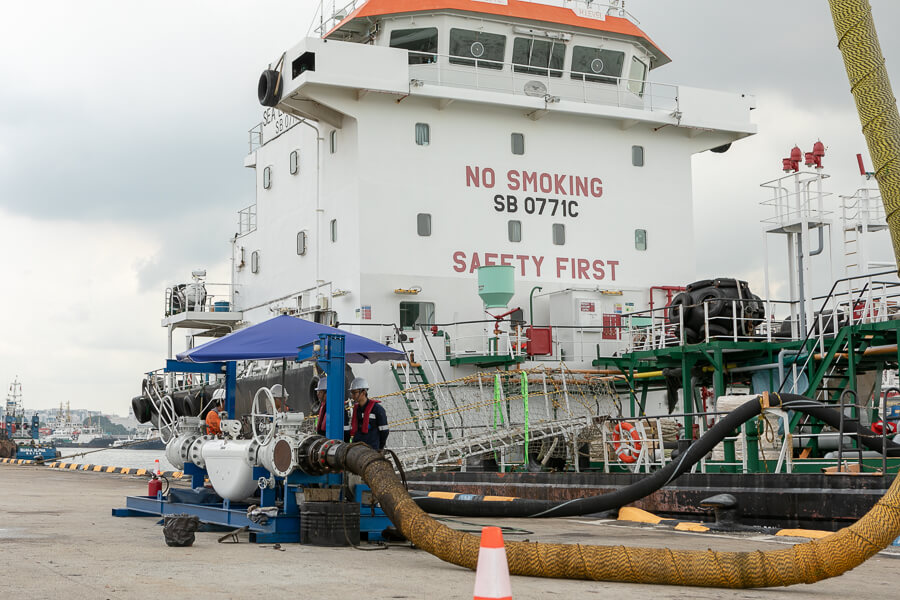
Metcore’s master Coriolis mass flow meter operates on the principles of TR 80 : 2020 – Meter Verification using Master Mass Flow Meter; a technical reference launched at SIBCON 2020.
TR 80 states a master Coriolis mass flow meter has to be three times better in terms of specification when compared to duty meters, according to Seah Khen Hee, who is also Advisor for Singapore’s Technical Committee for Bunkering (Ambient Liquid Fuels) – who led the development of TR 80.
Standardisation work for the bunkering industry continues to support Singapore as the biggest bunkering hub in the world, and standards developed are being referenced for development of international standards. (E.g. TR 80 is the base standard being referenced for the development of ISO 6996)
MFM manufacturer Endress+Hauser and Singapore-based Metcore International underwent a collaborative partnership to develop the master Coriolis mass flow meter which has undergone tests at Singapore port since early 2020.
Related: Singapore: Milestone achieved as first bunker tanker undergoes MFM verification via Master Meter
Related: SIBCON 2020: Singapore introduces new MFM bunkering standards SS 660 and TR 80
Related: Chairman of Technical Committee for Bunkering explains SS 660, TR 80; and cast an eye to the future
Related: Singapore: Coriolis Master Meter for MFM verification garners international interest
Other interviews conducted by Manifold Times for coverage of SIBCON 2022 are as follows:
Related: SIBCON 2022 Interview: MFMs relevant for custody transfer of future liquid-based marine fuels, confirms Endress+Hauser
Related: SIBCON 2022 Interview: Singapore Bunkering TC Chairman shares republic’s direction on future marine fuels
Related: SIBCON 2022 Interview: Clyde & Co discusses handling of bunker fuel quality disputes, alt fuels contracts
Photo credit: Manifold Times
Published: 30 September, 2022
Mass Flowmeter
TFG Marine advances global MFM rollout with two US Gulf bunker barges
“Buffalo B414” and “Buffalo B304”, were recently fitted with the equipment, with both supply barges receiving ISO 22192 certification for their newly installed MFMs last month.
FuelEU
Ahti Climate and DNV connect verified emissions data to FuelEU pooling platform
New integration connects Ahti’s FuelEU pooling platform with DNV’s verification services, Veracity, helping customers reduce manual administration and streamline compliance.

Decarbonisation
NAPA: Why operational efficiency remains shipping’s golden ticket
With regulation tightening and alternative fuels still evolving, Pekka Pakkanen says operational efficiency offers shipping an immediate, scalable way to cut fuel use, emissions and costs.


OUR INDUSTRY PARTNERS

Yang Ming orders six LNG dual-fuel, ammonia-ready containerships from Hanwha Ocean

LR, China’s MARIC unveil tanker concept ready for three future bunker fuels

DNV: Alternative-fuelled vessel orders hit highest monthly level since October 2024

TFG Marine advances global MFM rollout with two US Gulf bunker barges

GENA Solutions: Total renewable and low-carbon methanol project pipeline increases from 61.8 to 62.2 Mt by 2032

Baltic Exchange: Bunker Report (3 September 2026)

ENGINE: Americas Fuel Availability Outlook (3 September 2026)

Singapore-flagged tugboat “Kim Heng 3203” placed under Sheriff’s arrest

US targets five bunker companies in latest sanctions campaign against Iran

Singapore bunkering community supports Living Hope Evangelism’s 7th anniversary outreach for residents in need

China’s bunker market reshaped by tax rebates, trade flows and refining changes, says economist

Hengli Petrochemical’s ex-Singapore trading arm faces winding up application

Report: GCMD outlines practical approach to quantity assurance in marine biofuel supply chains

Singapore: Notices of intended dividend issued for Ocean Bunkering Services, Hin Leong Marine
-
 Vessel Arrest1 week ago
Singapore-flagged tugboat “Kim Heng 3203” placed under Sheriff’s arrest
-
 Sanctions1 week ago
US targets five bunker companies in latest sanctions campaign against Iran
-
 Events2 weeks ago
Singapore bunkering community supports Living Hope Evangelism’s 7th anniversary outreach for residents in need
-
 Interview1 week ago
China’s bunker market reshaped by tax rebates, trade flows and refining changes, says economist
-
 Winding up1 week ago
Hengli Petrochemical’s ex-Singapore trading arm faces winding up application
-
 Biofuel1 week ago
Report: GCMD outlines practical approach to quantity assurance in marine biofuel supply chains
-
 Winding up2 weeks ago
Singapore: Notices of intended dividend issued for Ocean Bunkering Services, Hin Leong Marine
-

 Bunker Claim3 days ago
Rajah & Tann: Bunker disputes are won in the first 48 hours