

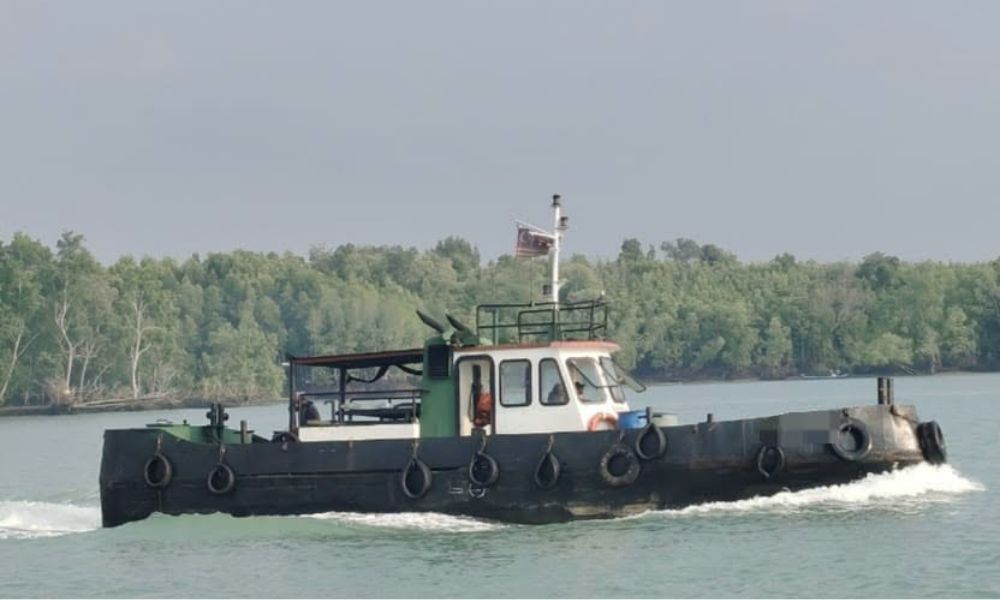

Inspection found MYR 5,000 in cash on the vessel and 10,000 litres of diesel, of which the skipper failed to present any document or permit authorising...
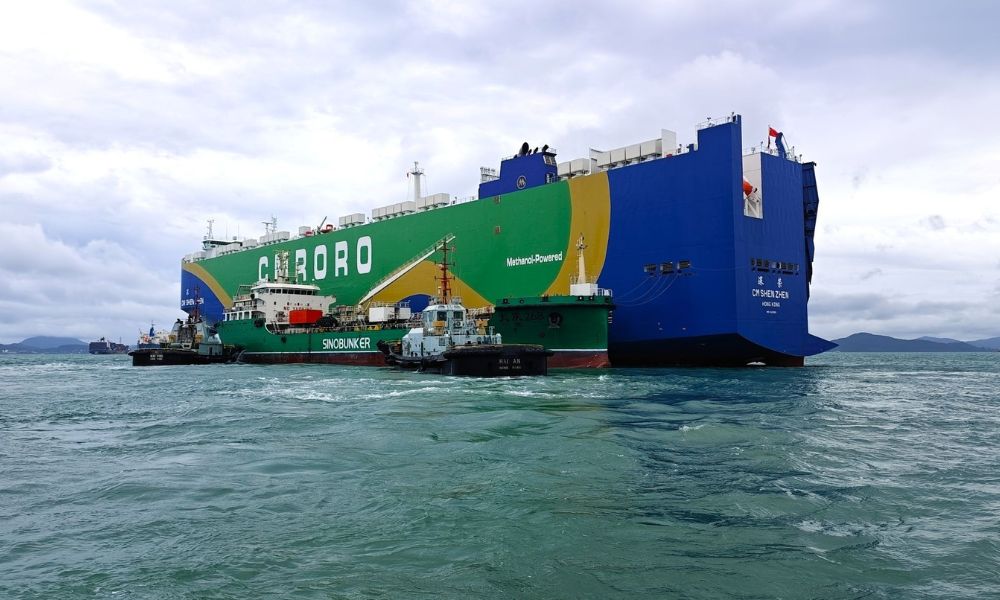

The Wah Kwong subsidiary recently facilitated the supply of 1,000 mt of green methanol by the bunkering barge “Da Qing 268” to RoRo vessel “CM Shenzhen”,...
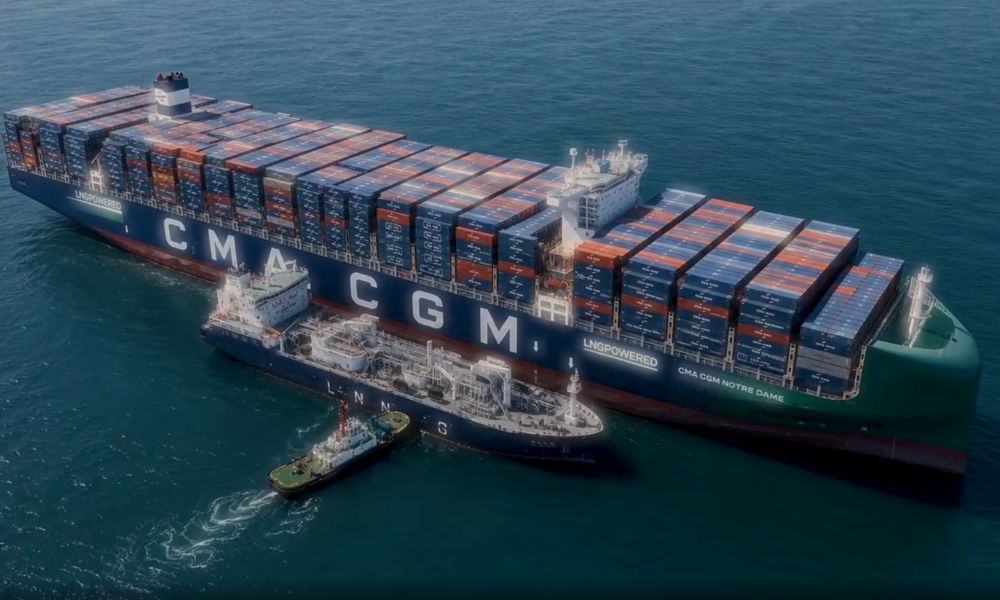

“CMA CGM NOTRE DAME” took on 11,125 cubic metres of bio-LNG in Rotterdam in a 12-hour operation.
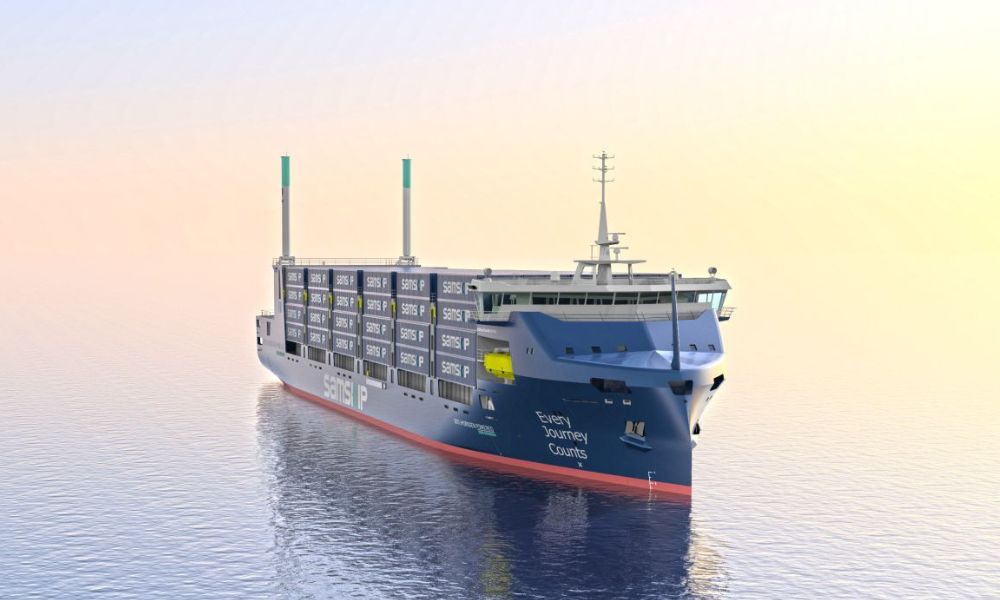

HyShip project is entering a new phase as Samskip's SeaShuttle container vessel becomes the project's new demonstrator on the Oslo–Rotterdam route.
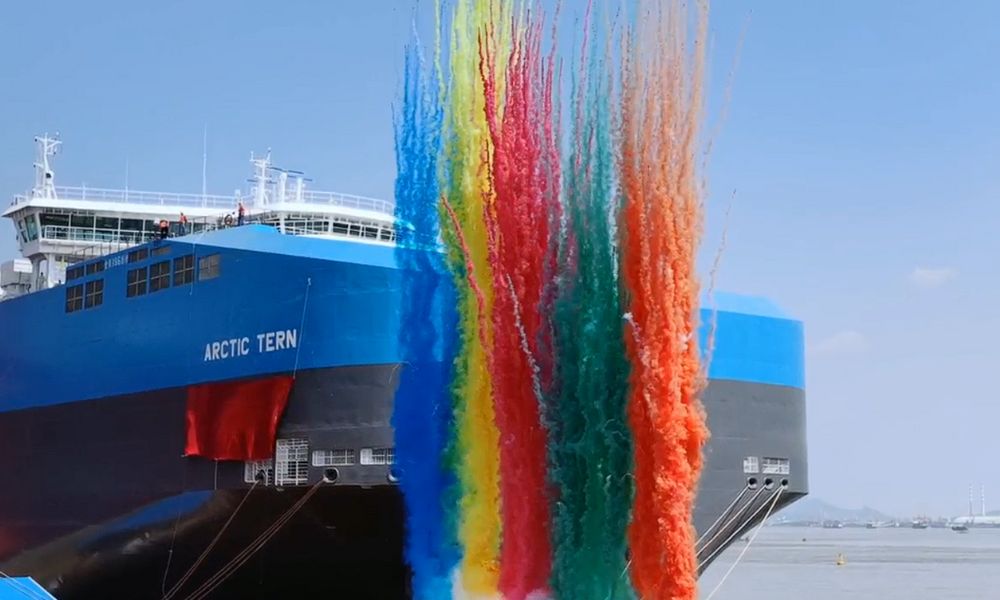

Company has taken delivery of “Arctic Tern”, the first vessel in its new Shaper Class series; the ship is expected to complete its first methanol bunkering...
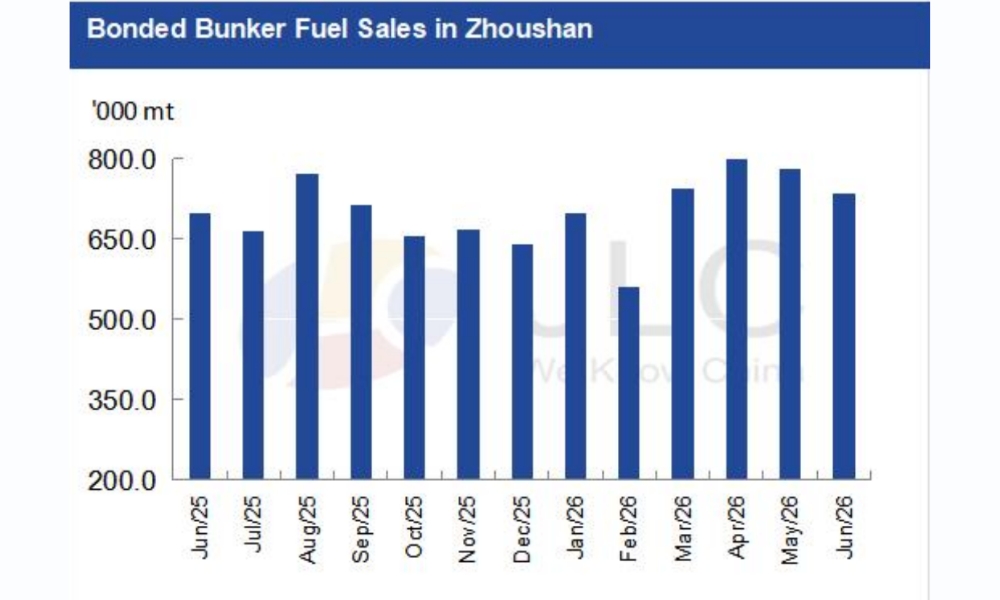

China's bonded bunker fuel sales rebounded in June, as bunkering demand grew modestly and bonded bunker fuel prices in domestic ports were still competitive amid sufficient...
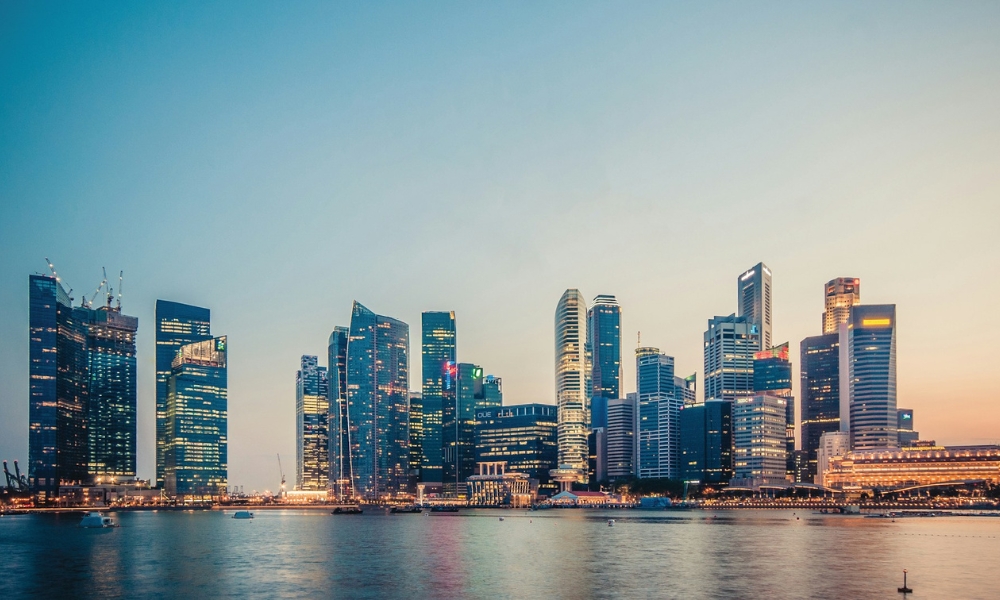

The city state retained its position as the world’s leading maritime centre in the 2026 Xinhua-Baltic International Shipping Centre Development Index for the 13th consecutive year.

By leveraging ZeroNorth's Bunker Procurement Solution, NCLH will create greater efficiencies across the bunker procurement process while enhancing transparency, supplier collaboration, and decision-making.
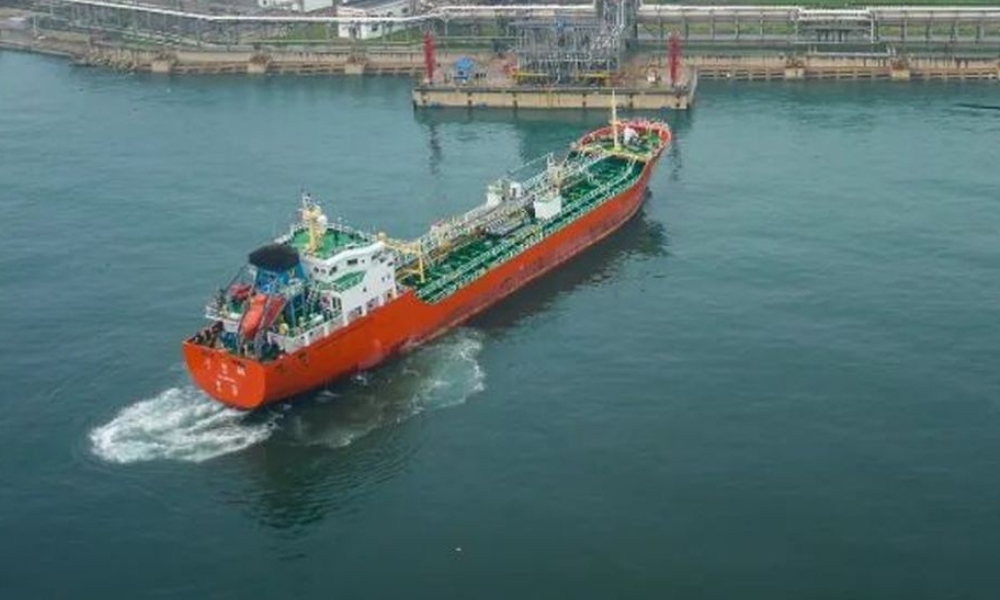

VTTI said its Dalian terminal has successfully completed its first commercial vessel loading of large-scale green methanol, which will be supplied as marine fuel upon arrival...
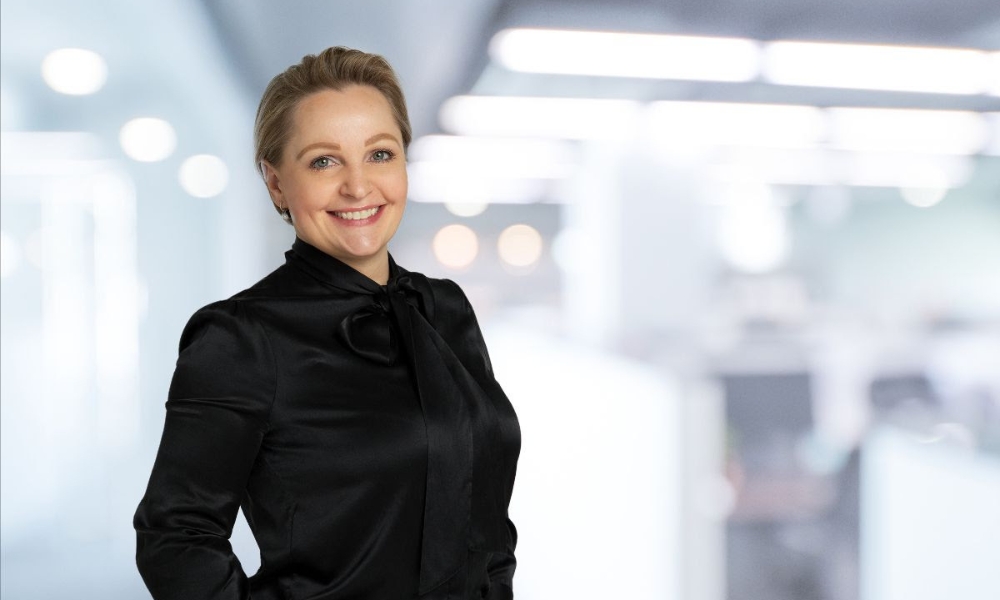


Company delivered 13 million mt of marine fuel, increasing revenue to USD 6.2 billion and Earnings Before Tax increased by 21% to USD 10.9 million.


