Connect with us

Bunker Alerts

Bunker flash: High levels of chemical compounds found in Singapore, alerts Maritec-Naias

Seven cases were reported to have found Alkylresorcinols in the range of 3000 – 17000 PPM and six cases reported to have found various Phenolic compounds in the range of 2000 – 3000 PPM level.


Admin

Published

on

Louis Reed from Unsplash

Bunker fuel testing and marine surveying business Maritec-Naias on Friday (13 March) issued an alert regarding high levels of chemical compounds found in multiple fuel oil bunker samples from vessels that have taken fuel/bunkered in Singapore over the last few months:

During the last few months Maritec-Naias has tested multiple fuel oil bunker samples from vessels that have taken fuel/bunkered in Singapore, which showed the presence of high levels of chemical compounds. Seven cases were reported to have found Alkylresorcinols in the range of 3000 – 17000 PPM and six cases reported to have found various Phenolic compounds in the range of 2000 – 3000 PPM level.

The presence of Phenol and Alkylresorcinol in bunker fuel can increase acidity and reduce stability of the fuel. As a possible outcome of these characteristics, a few vessels reported to have encountered operational challenges, which included instances of piston ring breakage, excessive sludge formation in purifiers and excessive wear-and-tear of fuel pumps. All the fuels tested were 0.5% VLSFO (Very Low Sulphur Fuel Oils).
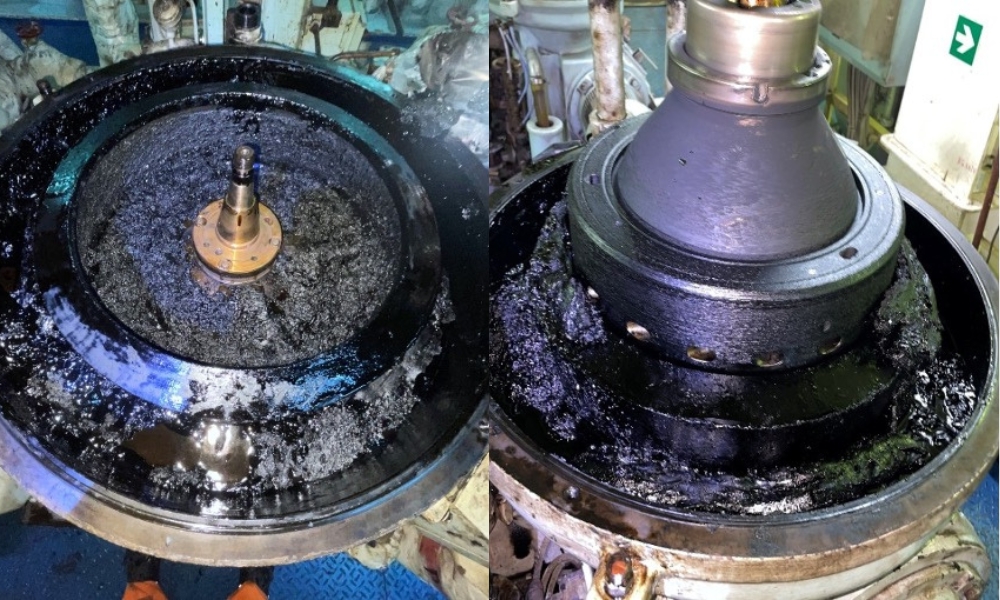
Image 1: True picture received from vessel of sludge caused by Alkylresorcinols

Image 1: True picture received from vessel of sludge caused by Alkylresorcinols

Gas chromatography–mass spectrometry (GC-MS) testing by Solid Phase Extraction (SPE) method showed the presence of Alkylresorcinols and GC-MS D7845 testing found various Phenolic compounds in bunker fuel samples. The possible source of the Alkylresorcinols might be non-petroleum cutter stock like Estonian shale oil.

Due to the high levels of these chemical compounds the fuel does not meet the general requirement and is considered as off-spec fuel as per clause 5 of ISO8217 and MARPOL Annex VI regulation 18, which states:

“The fuels shall be homogeneous blends of hydrocarbons derived from petroleum refining. This shall not preclude the incorporation of small amounts of additives intended to improve some aspects of performance.”

The fuels shall be free from inorganic acids and from used lubricating oils. The fuel should not include any added substance or chemical waste which,

  • jeopardizes the safety of ships or adversely affects the performance of the machinery; or
  • is harmful to personnel; or
  • contributes overall to additional air pollution.”

MARITEC-NAIAS RECOMMENDATIONS

  • Closely observe the vessel fuel system/s for signs of filter clogging and purifier sludging and additionally, increase vigilance on the centrifuges to monitor overloading.
  • Increase frequency of their de-sludging cycle depending on the accumulated sludge.
  • Possibly reduce the mean time between bowl cleaning of the purifier and fuel system filters.
  • Avoid blending with other fuels, in particular marine diesel and gas oil and also other fuel oil as such mixing may well increase the sediment problem.
  • Maritec-Naias recommends carrying out Marine Fuel testing Programme (MFTP) PLUS package for all residual bunker fuel. This package includes ISO8217, GC-MS and P-value testing.

Maritec-Naias states, while all presented findings are true, this document, does not reflect on the overall quality of fuel being supplied in the Singapore region.


Photo credit: Louis Reed from Unsplash / Maritec-Naias
Published: 16 March, 2026

Continue Reading

Bunker Fuel Quality

FOBAS: Estonian shale oil and stability issues found in marine fuels from Singapore

FOBAS released a bulletin stating that tests on several fuels from Singapore identified a chemical fingerprint consistent with Estonian shale oil, while vessels using these fuels reported operational issues.

Admin

Published

on

By

RESIZED Hans Reniers on Unsplash

Lloyd’s Register Fuel Oil Bunkering Analysis and Advisory Service (FOBAS) on Thursday (7 May) released a bulletin stating that tests on several fuels from Singapore identified a chemical fingerprint consistent with Estonian shale oil, while vessels using these fuels reported operational issues:

In recent weeks FOBAS has tested a number of fuels from Singapore that under detailed chemical analysis with GCMS methods, showed a chemical fingerprint consistent with Estonian shale Oil. 

Shale oil and particularly Estonian shale oil is seen from time to time in fuel blends in certain ports, particularly in Singapore and ARA region. In some of these recent fuels, the estimated concentrations are high, potentially up to 25% of the blend. 

The routine analysis results of these fuels appear on-spec compared to ISO8217 RMG380 grade fuels including Total Sediment results not particularly high.

The vessels using these fuels recently tested with confirmed shale oil are reporting certain operational issues, including excessive sludging throughout the fuel system, blocking of filters and in one case fuel pump issues.

As detailed chemical analysis is not carried out routinely on all fuels, it is difficult to say how many fuels may also have shale oil in the blend. However, from looking at other fuels properties and other supplies from the same barges and suppliers, we can estimate many other vessels have bunkered fuels with varying levels of Shale oil. Not all these ships have yet given operational feedback.

In general, shale oil is often seen as mentioned in certain ports and in many cases, fuels used without problem. However, there is also a long history of fuel stability and sludge related problems related to Estonian shale oil so while it seems not every shale oil blended fuel necessarily will cause a problem there certainly seems an increased risk and in particular in fuels with very high levels of shale oil.

We would suggest requesting from a supplier if shale oil has been used in the fuel blend when bunkering. Also paying particular attention to the Total Sediment results and fuel performance particularly though the purifier. We would also suggest fuels are put into use as soon as possible to quickly identify any potential issues and avoid long term storage.


Photo credit: Hans Reniers on Unsplash
Published: 8 May, 2026

Continue Reading

Bunker Fuel Quality

Skuld: Bunker fuels from Southeast Asia contaminated with ‘unusual’ chemical compounds

Marine insurer says GCMS testing of the bunker fuels, mostly from locations including Singapore, Hong Kong and Malaysia, showed a high presence of chemical compounds not typical of marine fuels.

Admin

Published

on

By

RESIZED Hans Reniers on Unsplash

Marine insurer Skuld on Monday (27 April) wrote an advisory after it has seen several vessels receiving bunkered fuel, mostly from Southeast Asia, that meets ISO 8217 specifications but reveals significant contamination with unusual chemical compounds under advanced testing: 

Recently, Skuld has seen several vessels reporting bunkered fuel that is on specification as per ISO 8217 parameters. Still when advanced tests were carried out, Gas Chromatography MassSpectrometry (GCMS) showed a high presence of hydrocarbon compounds, phenolic compounds, and other alkylresorcinol derivatives.

Most of these bunkered fuels stem from Southeast Asia, particularly in Singapore, Hong Kong and Malaysia. The results mentioned above are similar to those reported by fuel testing laboratories, i.e., that it include levels of shale oil components. Some bunker suppliers may intentionally supply blended, low-quality marine fuels amid sharply rising bunker prices due to the war in the Middle East.

Some of the GCMS reports we saw, which contained hydrocarbon compounds like dihydro-dicyclopentadiene and indene, had a concentration level between 5,000 ppm – 14,000 ppm, and Alkylresorsinol concentration between 4,700 ppm – 6,000 ppm. We have previously seen very high concentrations of such compounds, which are commonly associated with Estonian shale oil, and in 2019, we saw a number of VLSFO fuels from the ARA region containing such compounds.

Whilst shale oil is not considered a contaminant and is an acceptable blend component under the ISO 8217 standard, at high concentrations it can cause operational challenges onboard as the presence of hydrocarbon compounds, phenolic oxygenated compounds, and other alkylresorcinol derivatives is not typical of marine fuels.

There is a risk that these compounds may result in sludge formation, filter and purifier fouling, and fuel injection system issues, and that poor engine performance may be experienced, but this is not certain, and in general, most vessels using fuels with these unusual compounds do not experience problems. A risk assessment should be performed, and the GCMS report must be taken as a warning.

When GCMS is performed as part of a troubleshooting exercise in which the vessel has reported problems, we can link the problems and the detected chemical compounds. In case the fuel is not free from material that renders the fuel unacceptable for use in marine applications because the fuel contains any added substance or chemical waste that jeopardises the safety of the ship, adversely affects the performance of the machinery or is harmful to personnel or contributes overall to additional air pollution, then the fuel does not meet the requirements of clause 5 of ISO 8217.

Skuld advises its members and assureds to always perform due diligence when ordering or procuring bunkers and follow precautionary measures when handling this kind of fuels.

  • It is very important always to conduct a vetting procedure when selecting a good bunker supplier. Clarification should be sought from their supplier regarding the blended component used.
  • A fuel analysis should always be carried out before using the bunkered fuel. As these phenolic compounds cannot be detected in the standard ISO 8217 test, an extended advanced GCMS test from a reputable fuel laboratory is recommended.
  • Perform correct fuel handling and enhanced monitoring of the fuel treatment machinery onboard, such as purifiers and filters.
  • Good record keeping should be carried out, such as tank sounding records, fuel transfer and consumption, correct temperature settings in the fuel tanks, purifiers and main and auxiliary engines.
  • Fuel System Check is recommended to check the fuel quality of the fuel entering the engine.


Photo credit: Hans Reniers on Unsplash
Published: 28 April, 2026

Continue Reading

Bunker Fuel Quality

VPS: Shale oil components detected in marine fuels in Singapore

Testing identified 90,000mt of delivered VLSFO bunkers containing compounds consistent with an Estonian Shale Oil derived stream.

Admin

Published

on

By

VPS fuel sample bottles MT

Marine fuels testing company VPS on Wednesday (1 April) reported it has seen an increase in the levels of shale oil components in marine fuels bunkered recently in Singapore. Stanley George, VPS Group Technical & Science Manager, and Steve Bee, VPS Group Marketing & Strategic Projects Director, shared their observations:

Although we have received no reports of problems, from vessels using these fuels, we do recommend caution as detailed below:

Over the course of February and March 2026, VPS testing identified 90,000mt of delivered VLSFO bunkers containing compounds consistent with an Estonian Shale Oil derived stream. Estonian Shale Oil has and is, often used as a blend component in bunker fuel, but has also been known to de-stabilise fuel, producing sludges and blocking ships filters.

Estonian Shale Oil contains high-boiling phenolic compounds such as, resorcinol and alkyl benzenediols, which can give rise to high acid numbers, often above the ISO8217 specification limit of 2.5 KOH/g.

The recent VLSFO samples bunkered in Singapore, contained resorcinol and alkyl benzenediol concentrations between 4,000ppm-13,200ppm and elevated acid numbers ranging from 1.98KOH/g-2.34 KOH/g.

Despite these findings, no operational issues have been reported so far from vessels that are consuming these fuels.

Yet, while shale oil derived components may be incorporated into marine fuel blends permitted under ISO 8217, when present in marine fuel blends, it can still present operational challenges depending upon blend stability and composition. The presence of phenols, resorcinols, fatty acids, and related oxygenated compounds is not typical of conventionally refined marine fuels. Any observed elevated acid numbers may indicate, unusual blend components resulting in potential instability risks.

Based on our experience and industry data, resorcinol and alkyl benzenediols present within marine fuels may initially show such fuels as compliant to the ISO8217 specifications. However, over time there can be a risk of delayed operational issues, including, sludge formation, filter and purifier fouling/blockages, plus possible impacts on fuel injection equipment cleanliness and performance. Therefore, regarding the latest VLSFO fuels delivered in Singapore, the absence of issues at this stage does not preclude delayed effects, particularly with, storage stability, long-term use, or system cleanliness.

Consequently VPS would recommend the following precautionary measures when handling such fuels:

To undertake enhanced monitoring of the fuel treatment plant (purifiers and filters), differential pressures and sludge discharge rates and injection system performance.

Regarding Fuel Management, avoid unnecessary co-mingling with other fuels, unless compatibility is confirmed. Maintain optimal settling and purification practices, such as regular draining of settling tanks, while the correct purifier inlet temperatures and minimum feed rates are maintained.

Record-Keeping should continue to maintain detailed engine logbook entries, including tank sounding records with details of all fuel transfers, fuel consumption periods, plus any abnormalities in system performance.

Sampling and Testing should include the retention of additional samples from, before-purifiers and engine-inlets, plus checking the quality of the fuel entering the engine by monitoring, sediment, stability, and acid number trends.

The vessel should seek clarification from the suppliers regarding the blend components used, plus the source of any elevated acid number and any use of alternative feedstocks (e.g. shale-derived streams).

Following these recent cases of elevated acid numbers and the presence of phenolic and oxygenated compounds, VPS have contacted each of the vessels who received these fuels. All have confirmed they have not experienced any operational issues to date, when burning the fuel.

However, based on both VPS experience and industry findings, these fuels require close operational monitoring and cautious handling, particularly with respect to fuel stability and cleanliness of the fuel treatment system.

VPS will continue to monitor the situation and provide updates as further operational feedback becomes available.

If you experience any operational issues relating to those highlighted in this article, please seek assistance from VPS by contacting: [email protected]


Photo credit: Manifold Times
Published: 2 April 2026

Continue Reading

Trending