

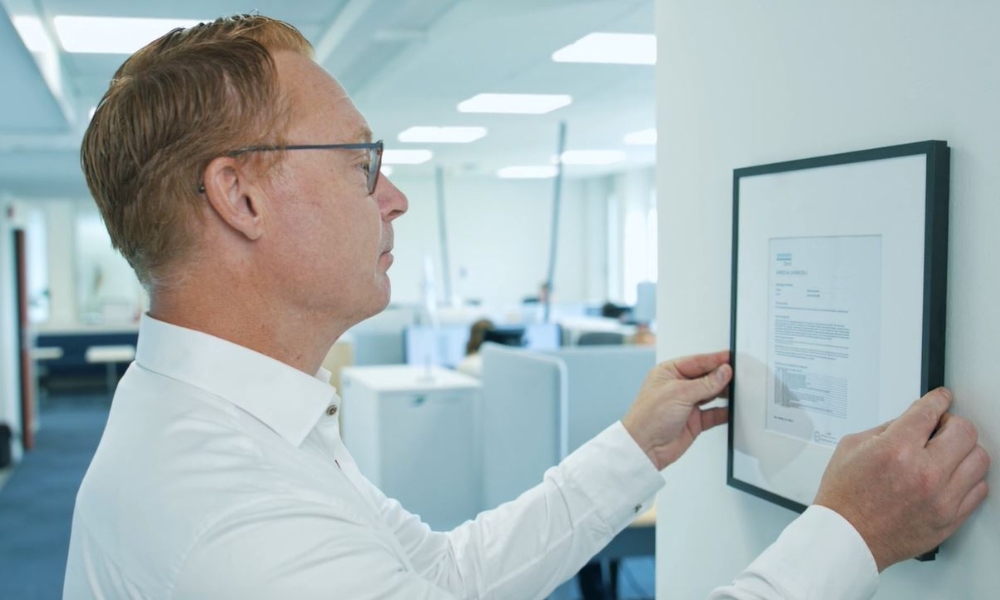


‘It is one of the first stiff wing sails that will tilt in hard winds as a safety feature that gets an Approval in Principle,’ says...
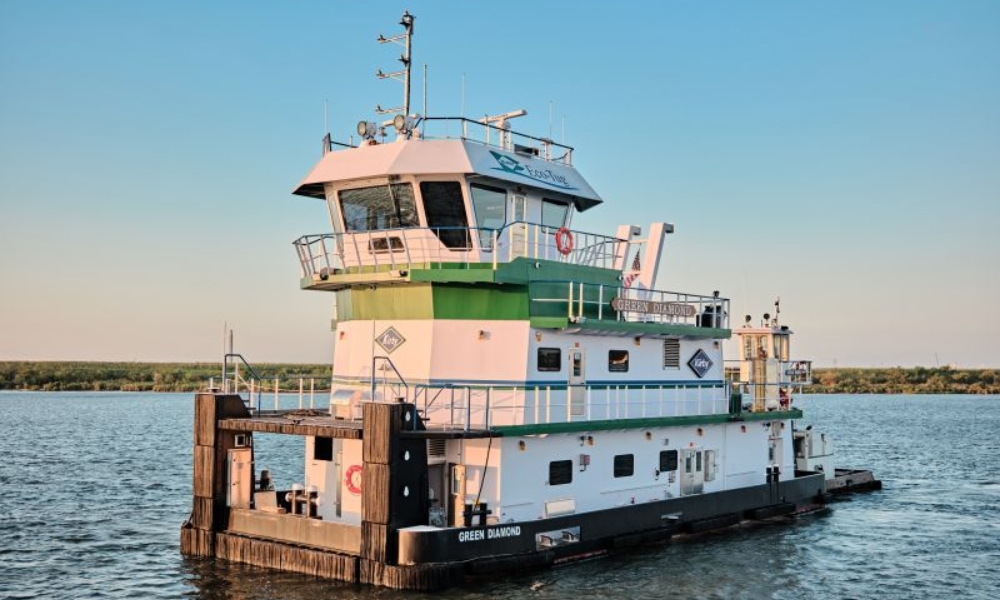


Vessel will be time chartered by Shell Trading (US) Company, which will use the boat to push barges throughout the Houston port region; propulsion is provided...
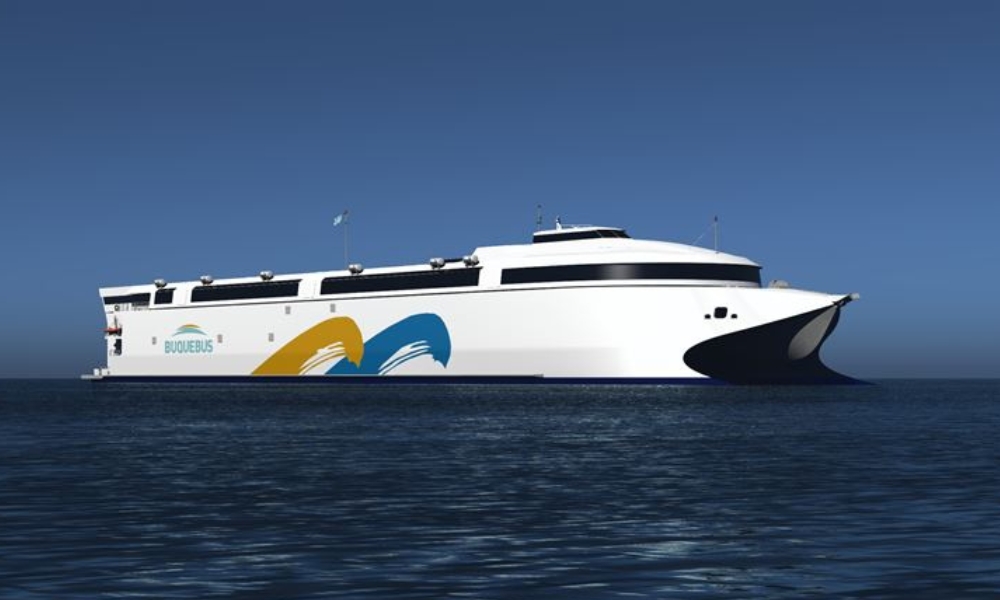


Wärtsilä will power the biggest battery-electric ship ever built with its battery electric propulsion system and waterjets; ship will also be the world’s first zero emissions,...
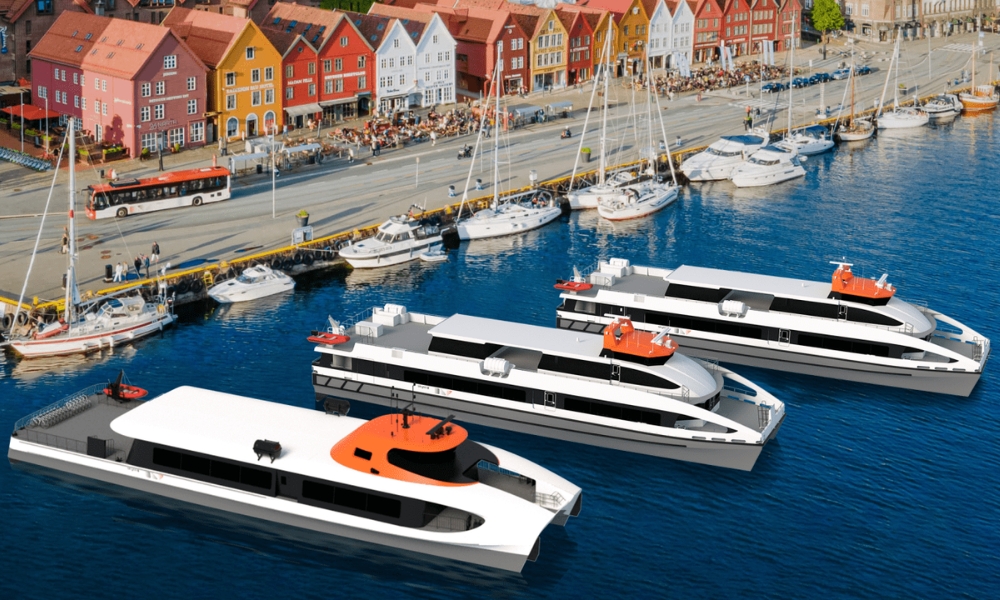


Fjord1 and Brødrene Aa have chosen Brunvoll Mar-El as system integrator and supplier of electric propulsion systems for one new low emission and two zero emission...
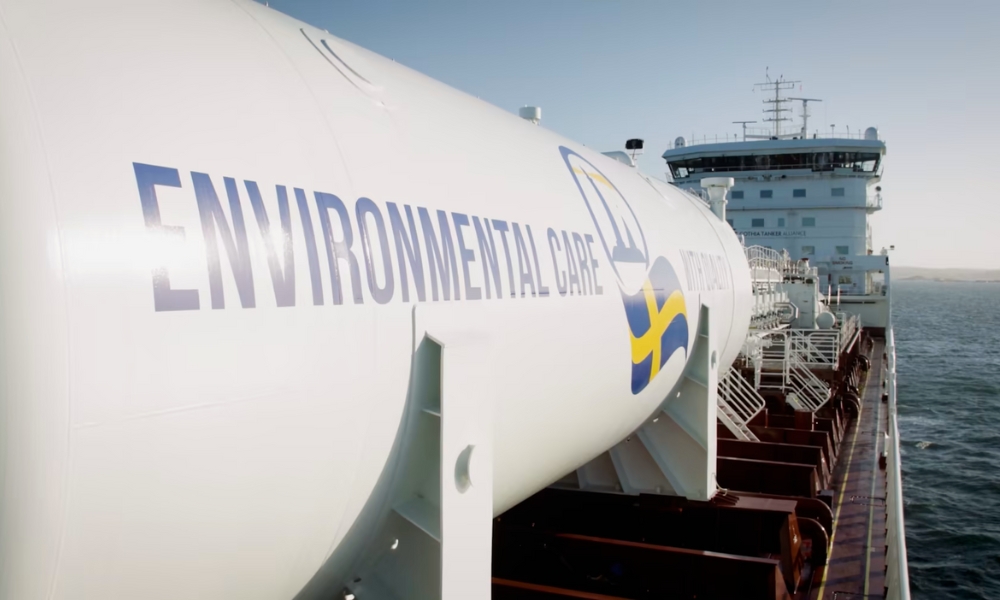

Duo are testing GHG reduction package and Low Load Optimization package on Furetank’s Vinga series tankers; tests performed show methane slip was reduced by 45 to...
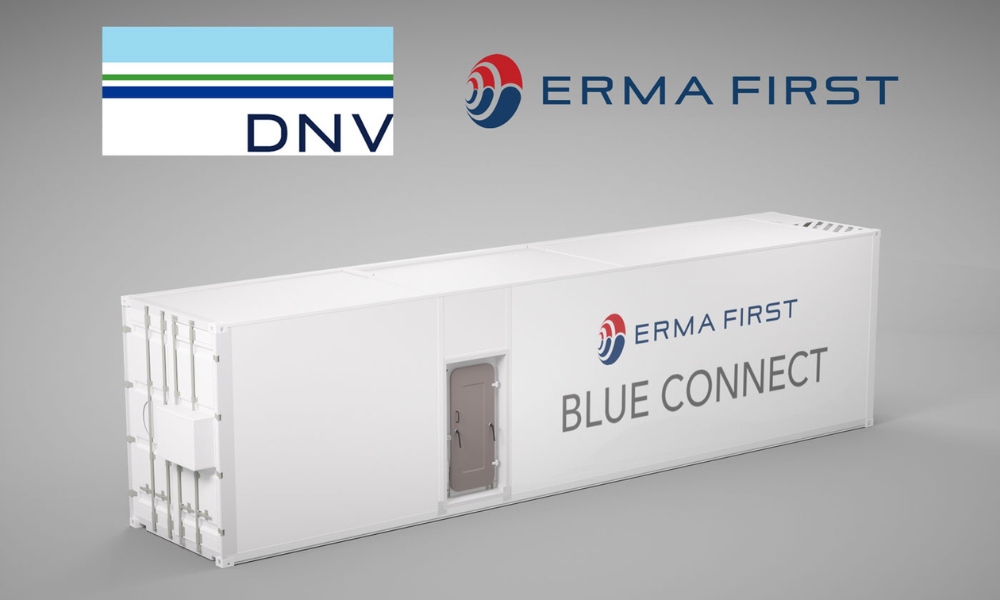

DNV issued a letter of professional opinion categorising Blue Connect as an energy-saving device and verifying its ability to improve vessel Carbon Intensity Indicator (CII) ratings.
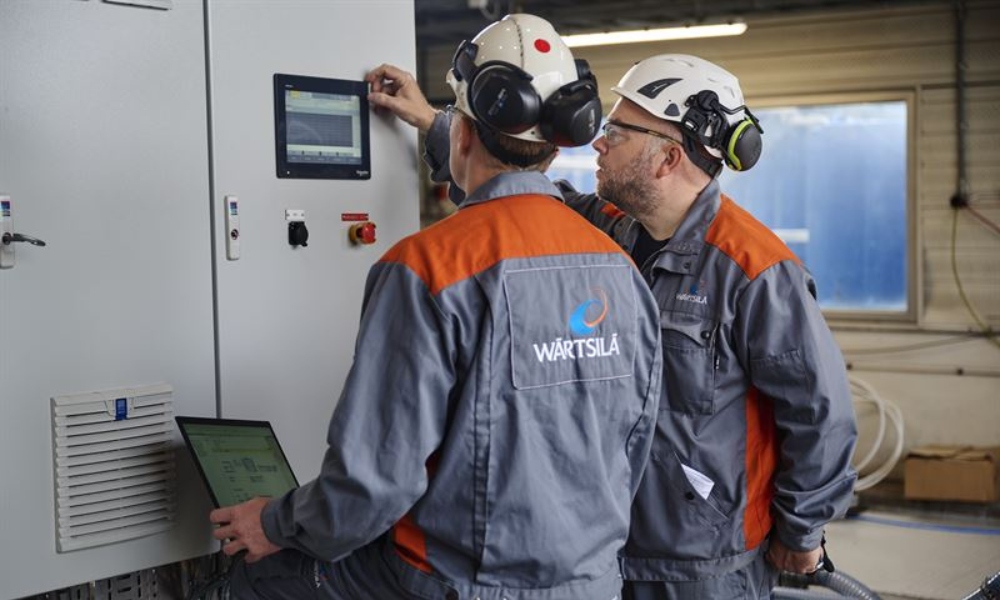

Wärtsilä is offering such studies to shipowners and operators; has already been conducted on a range of vessel types including ro-ro and ro-pax vessels, a drill...



Report will feature alternative technologies that may help the maritime industry prepare for bunker fuel supply shortages and high prices in the future, amongst others.



The technology group breaks down the basics of hybrid vessels and shares experts’ predictions on what they see in the coming years for hybrid ships as...
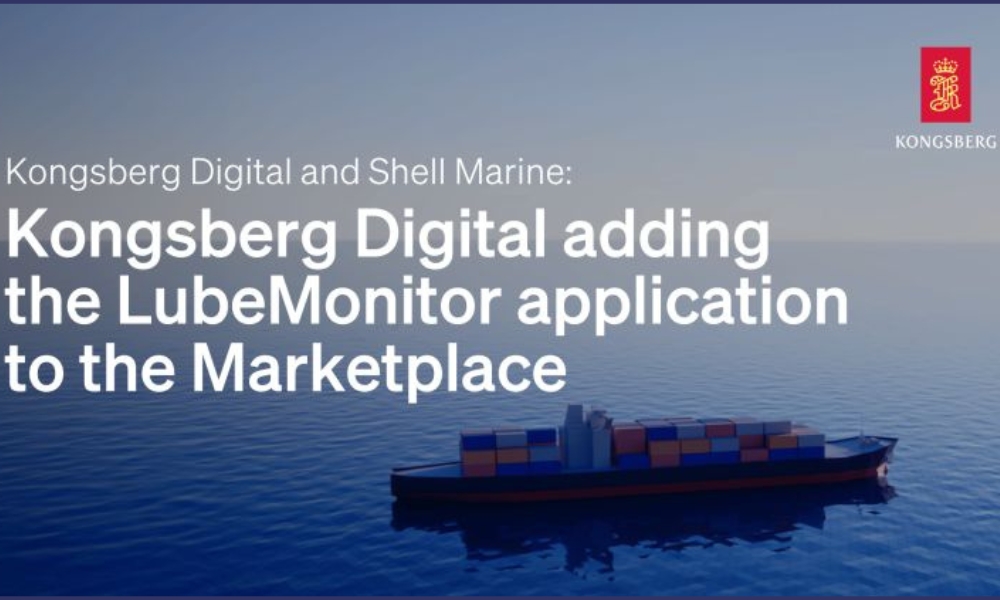

Shell's LubeMonitor application will help customers using Kongsberg’s applications marketplace to better understand their ship's engine performance to ultimately reduce their maintenance costs.


