
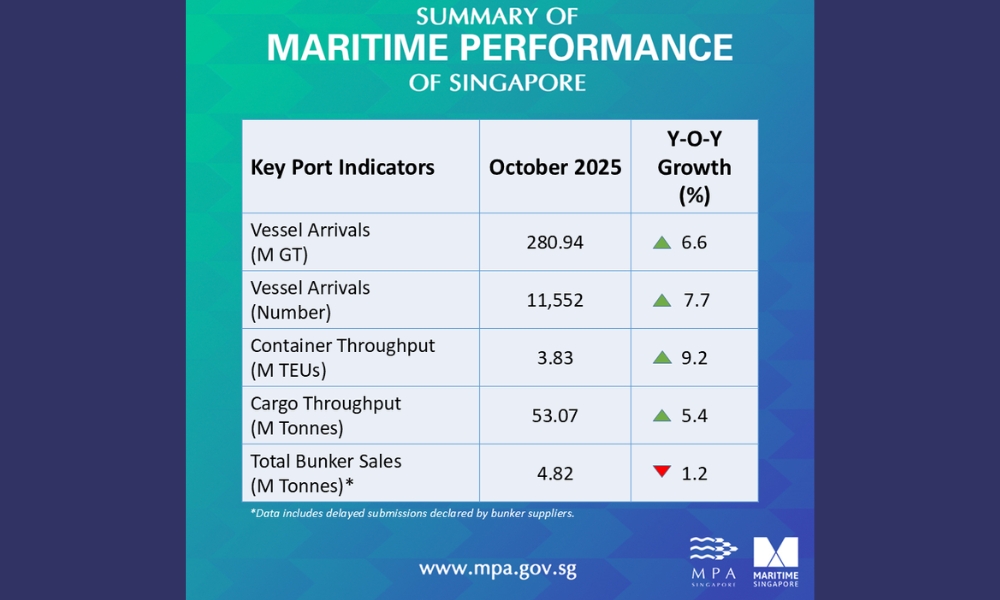

In total, 4.82 million mt of various marine fuel grades were delivered at the world’s largest bunkering port in October, down from 4.88 million mt recorded...
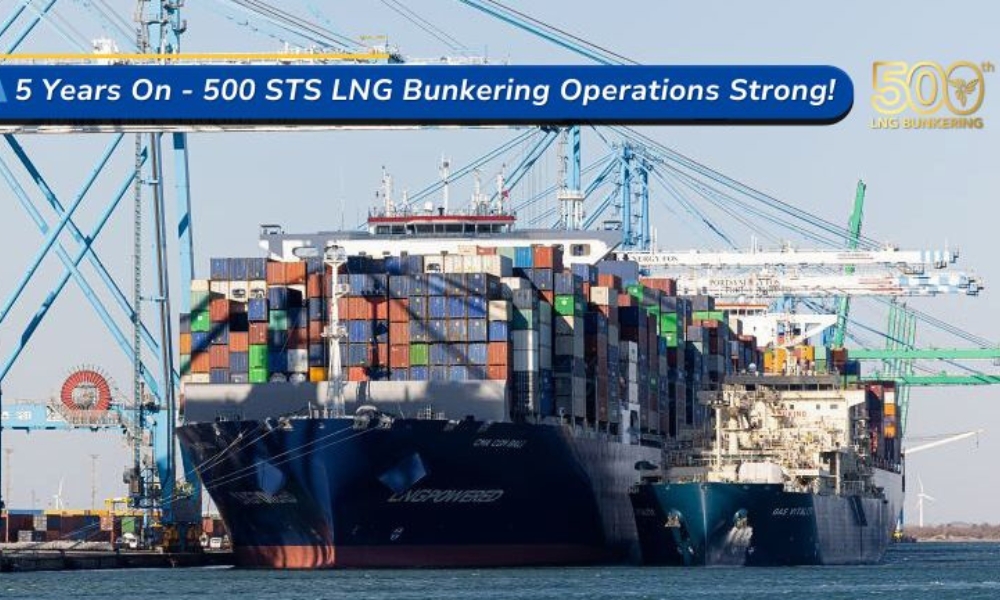

Eastern Pacific Shipping marked the bunkering operation with “CMA CGM Bali” at FOS, France — a major step since its first LNG bunkering in 2020.

Company announced the launch of Calderion, a fund dedicated to new generation fuels such as low-carbon hydrogen, CO capture, e-fuels for sectors such as maritime transport...
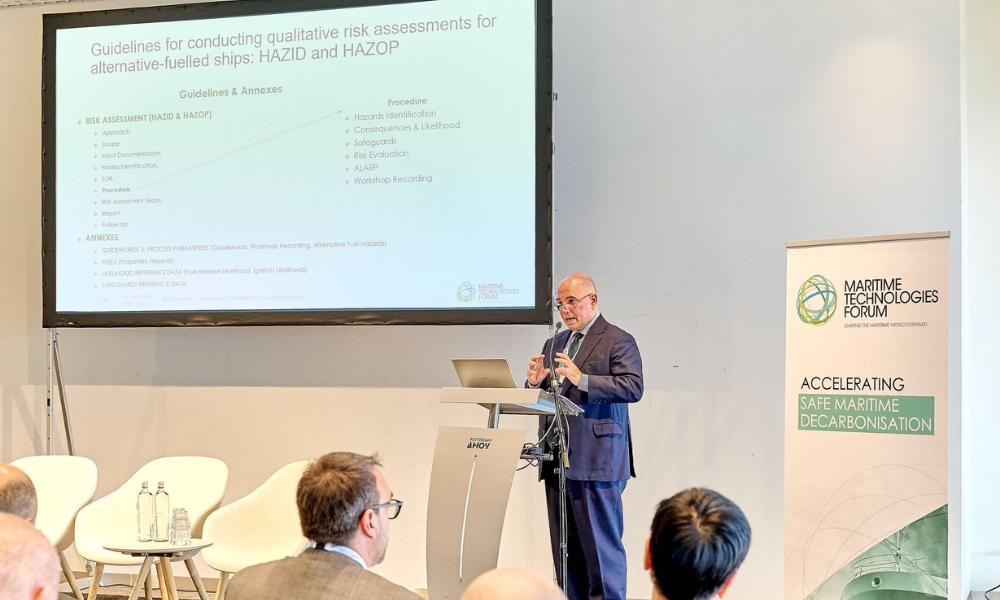

New MTF report provides guidelines for conducting qualitative risk assessments as a core component of the approval process for alternative-fuelled ships and addresses both HAZID and...
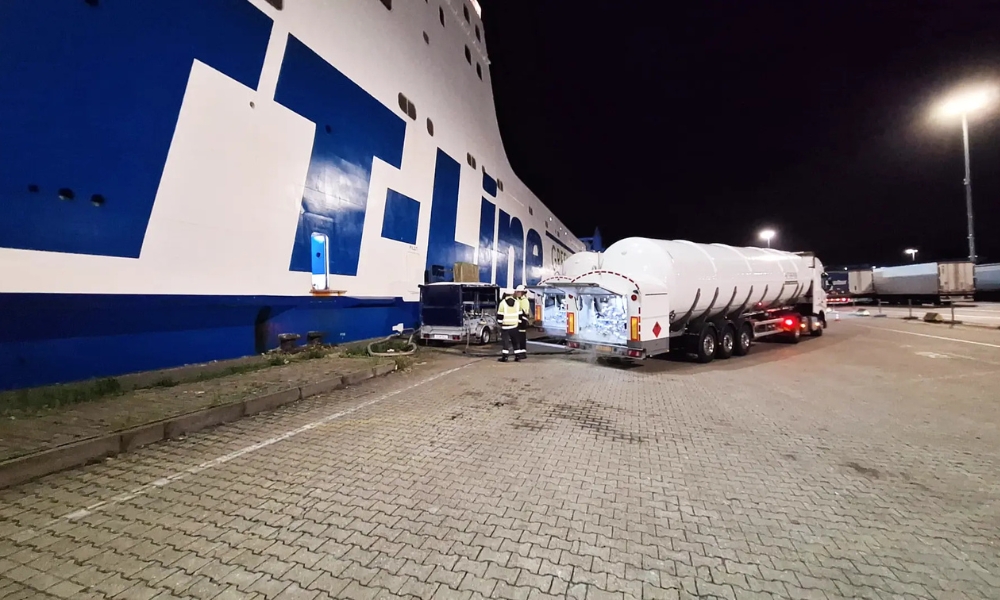

Some 40 metric tonnes of bio-LNG from EnviTec Biogas was supplied to TT-Line’s Ro-Pax ferry Peter Pan in Travemünde, Germany.
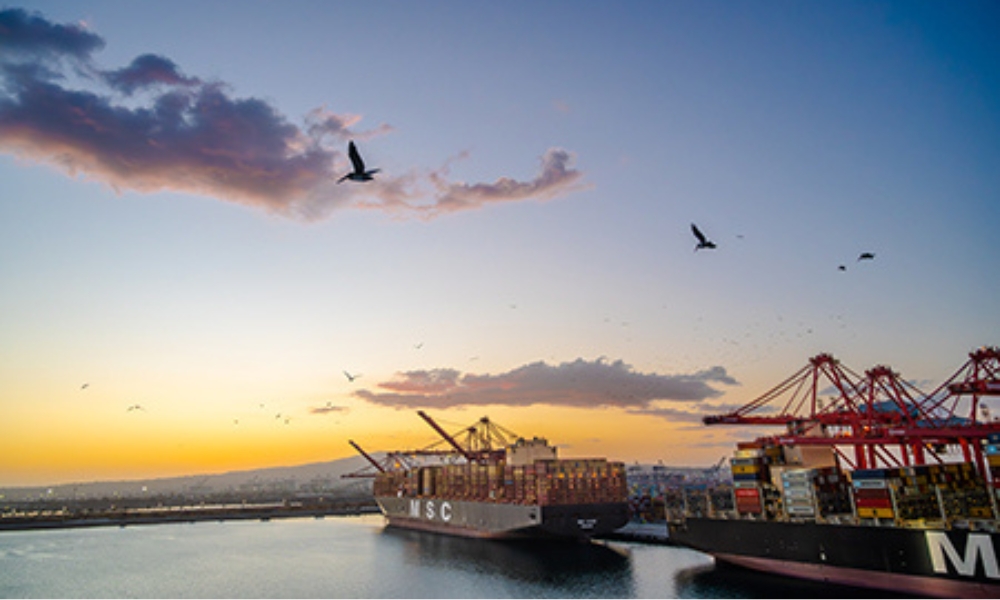

In the months ahead, ports will also continue working with SCAQMD on additional measures that will focus on emission-reducing strategies related to cleaner oceangoing vessels.
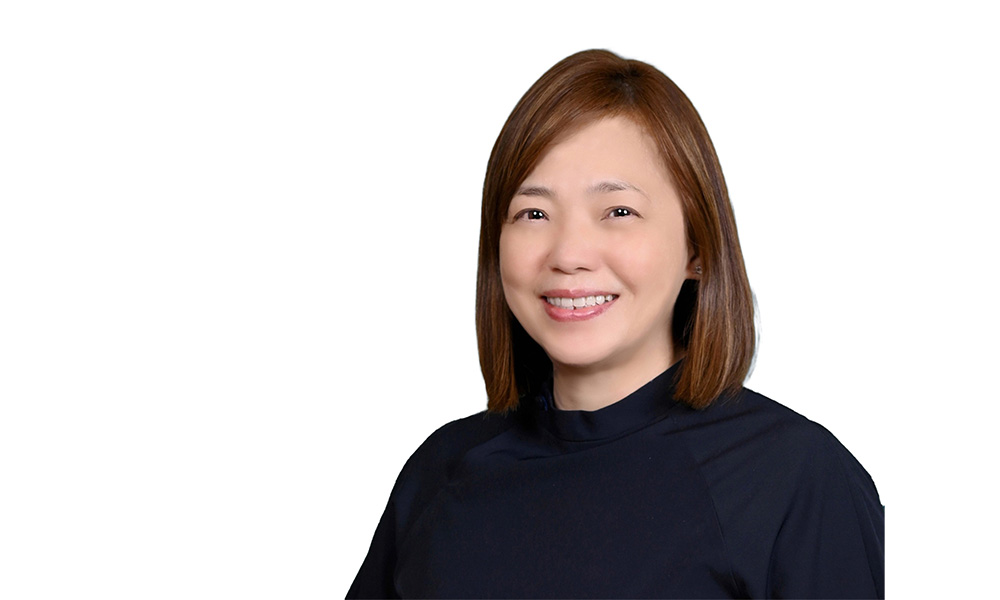


‘While Singapore is ready, the alternative fuels future resets the bunkering landscape, and we must continue to innovate to maintain our position,’ states the CEO of...

With these orders, AET will have dual-fuel capability in all the tanker sectors it operates in – Aframaxes, Shuttle Tankers, Suezmaxes and Very Large Crude Carriers.
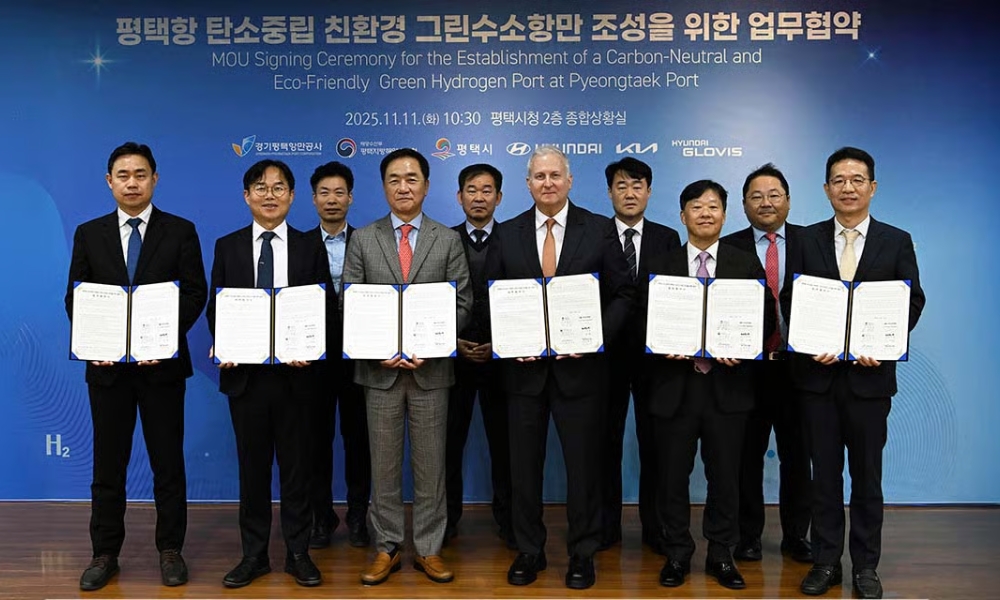
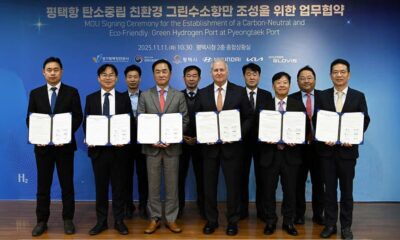

Both signed a MoU with key partners to develop carbon-neutral hydrogen port initiatives, which includes long-term plans for hydrogen and ammonia bunkering facilities.
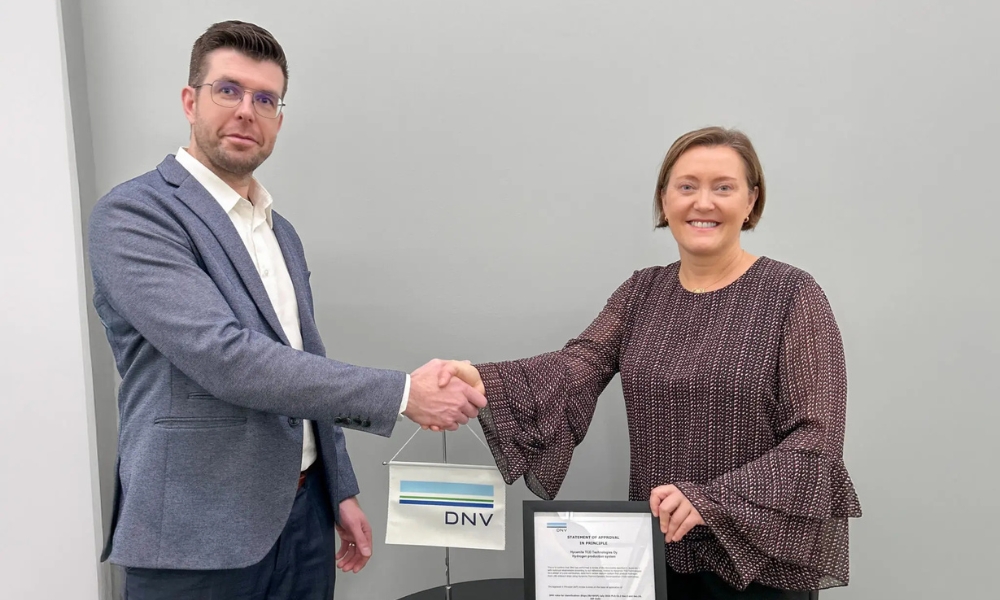

Concept design of a carbon capture system can potentially reshape the future of shipping by enabling onboard hydrogen generation from LNG without requiring new fuelling infrastructure.


