

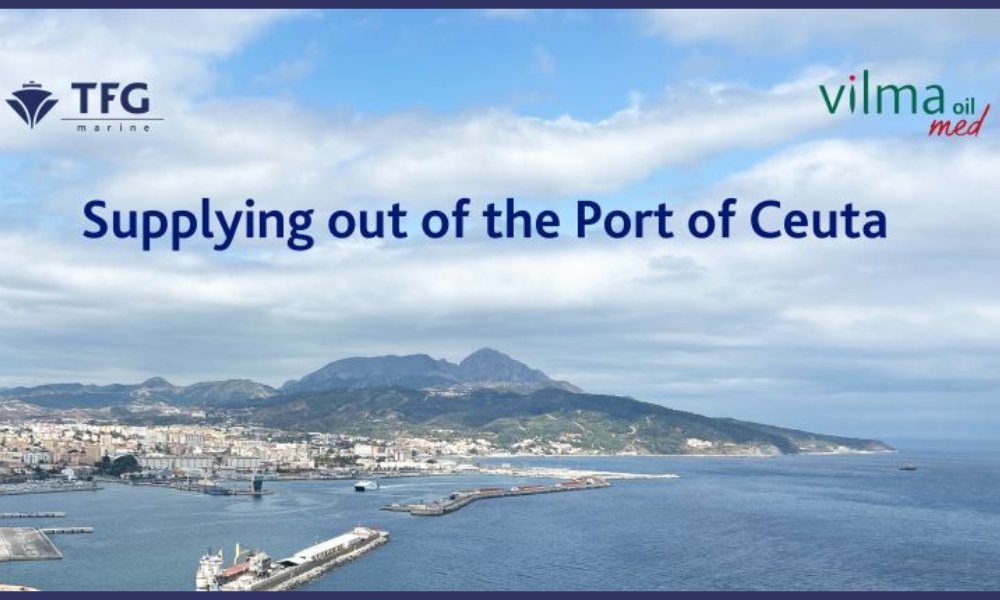

Strategically located in the Strait of Gibraltar, Vilma Oil Med’s West-Mediterranean bunkering services include an 84,000 cbm storage facility and a MFM-equipped bunkering barge.
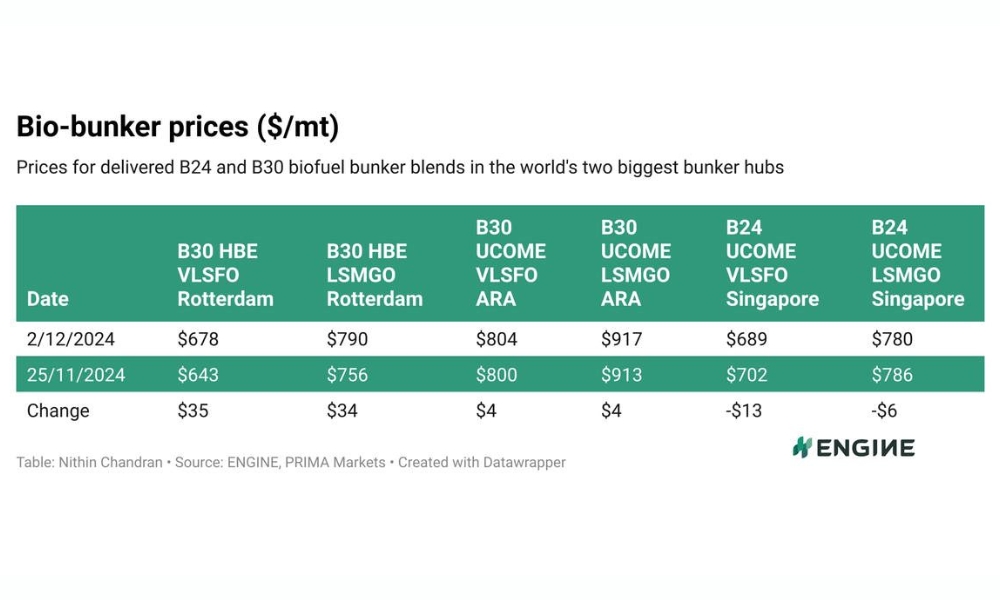

Prices gain sharply in Rotterdam; Dutch rebates fall below $140/mt.



Wong Wai Meng, who received more than USD 286,000 from Sentek Marine & Trading for his assistance, pleaded guilty to 12 counts of intentionally helping the...

Fingerprinting identifies feedstock origins of FAME-based biofuels used in shipping industry; can be used as a potential tool to detect fraud in marine fuel supply chains...
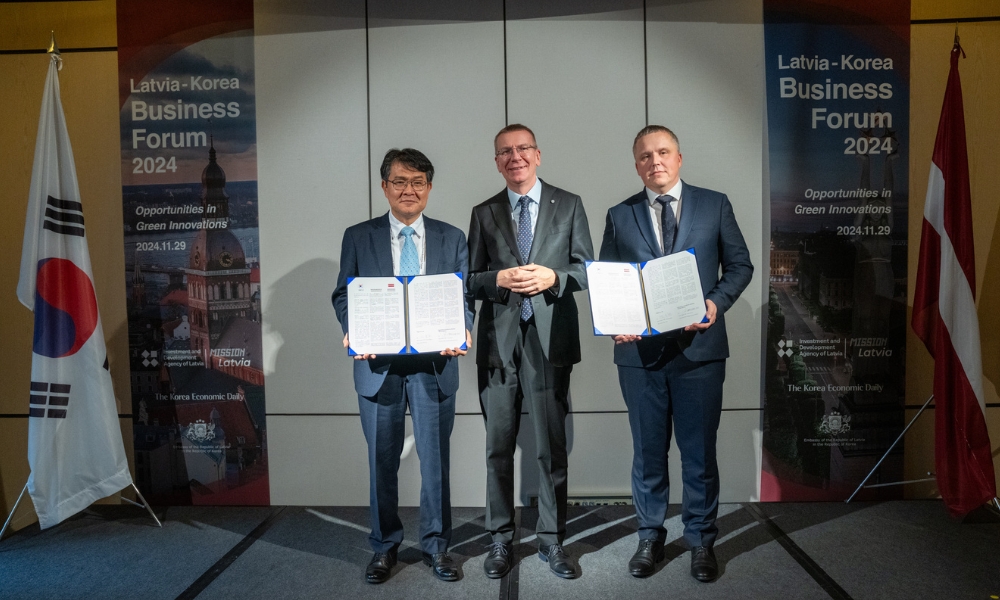

Korean firm’s MoU with AE Risinājumi will see construction of Latvia's first commercial-scale green methanol production plant, which will supply green methanol to ships in EU's...
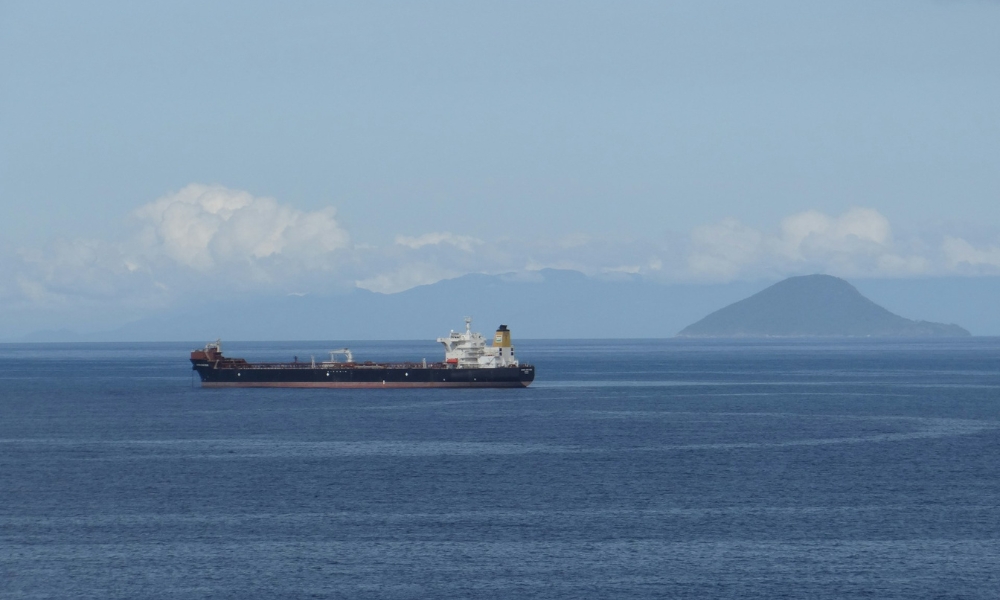

Company said it faced several challenges since starting bunkering operations in the region and decided to end the project to focus on other opportunities.
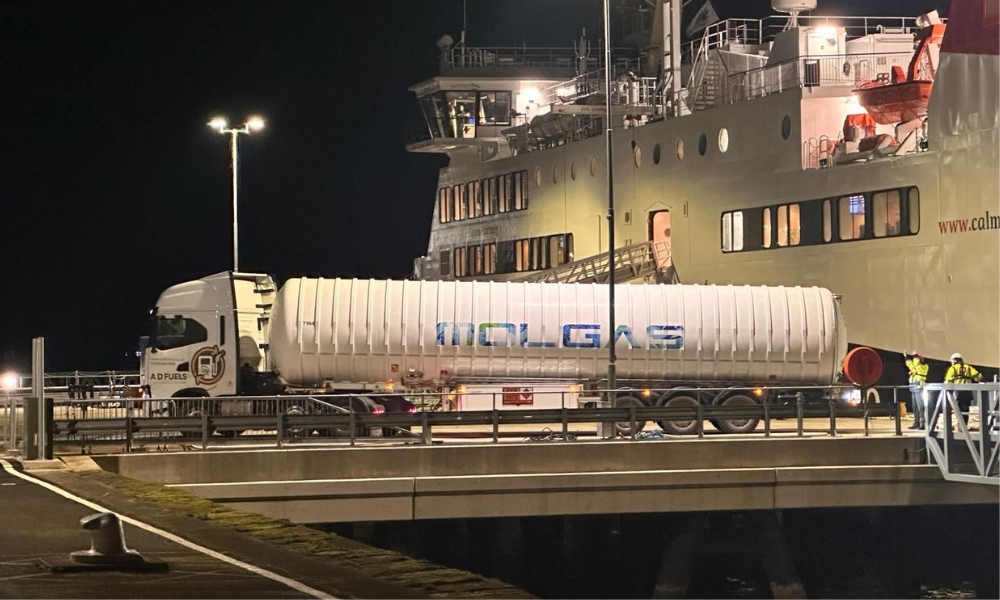

Firm successfully completed the first LNG bunkering of “MV Glen Sannox” since the ship was handed over to CalMac Ferries Limited last week.
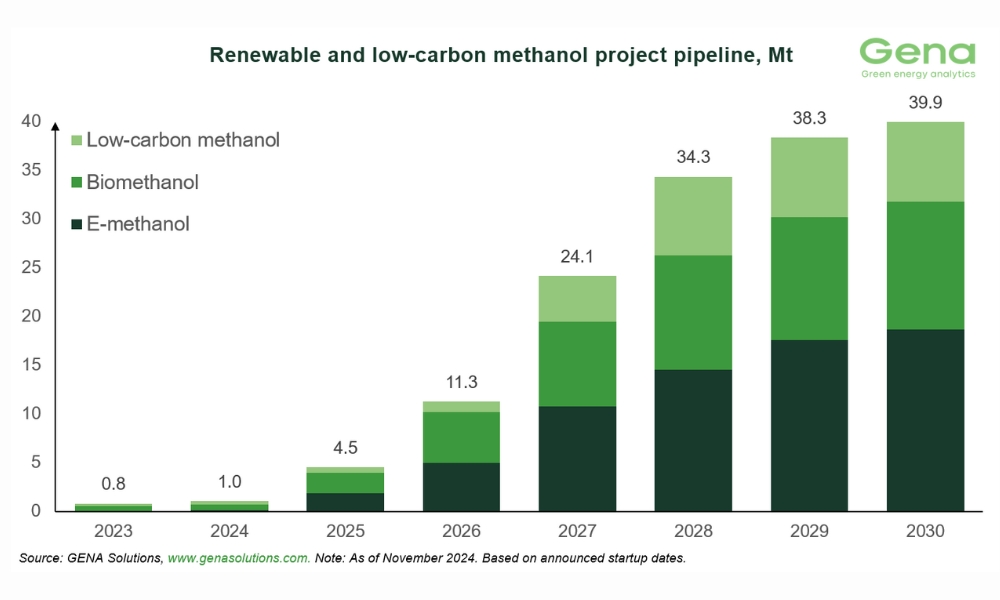

Information shared by the Methanol Institute meant to assist the maritime industry in the adoption of methanol as a mainstream marine fuel heading into IMO 2030/2050.
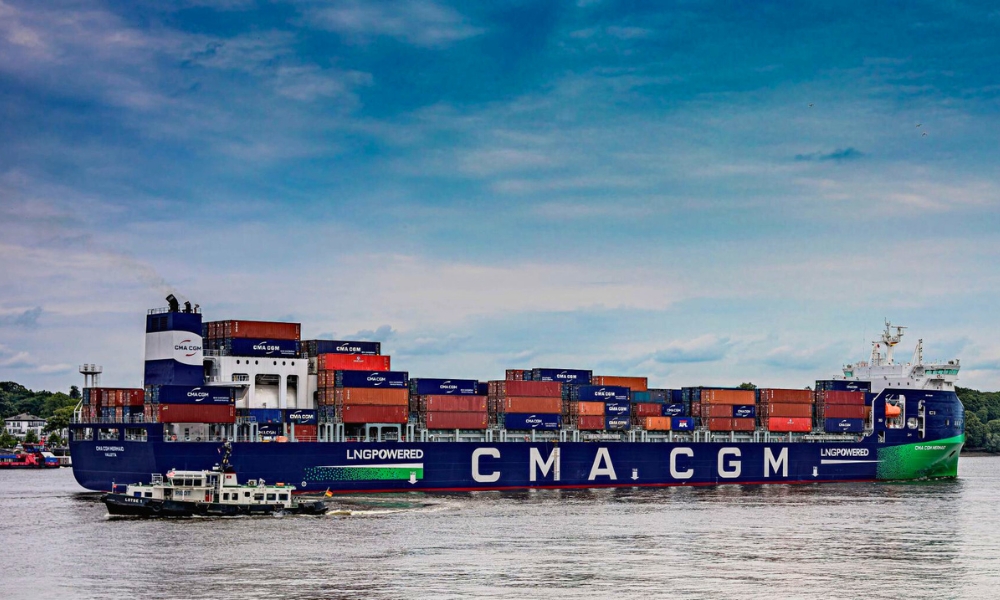

Some 100 mt of mass-balanced LBM was supplied by Shell to CMA CGM’s LNG-powered boxship “CMA CGM TIVOLI”; Shell issued a PoS certificate verifying LBM fuel...
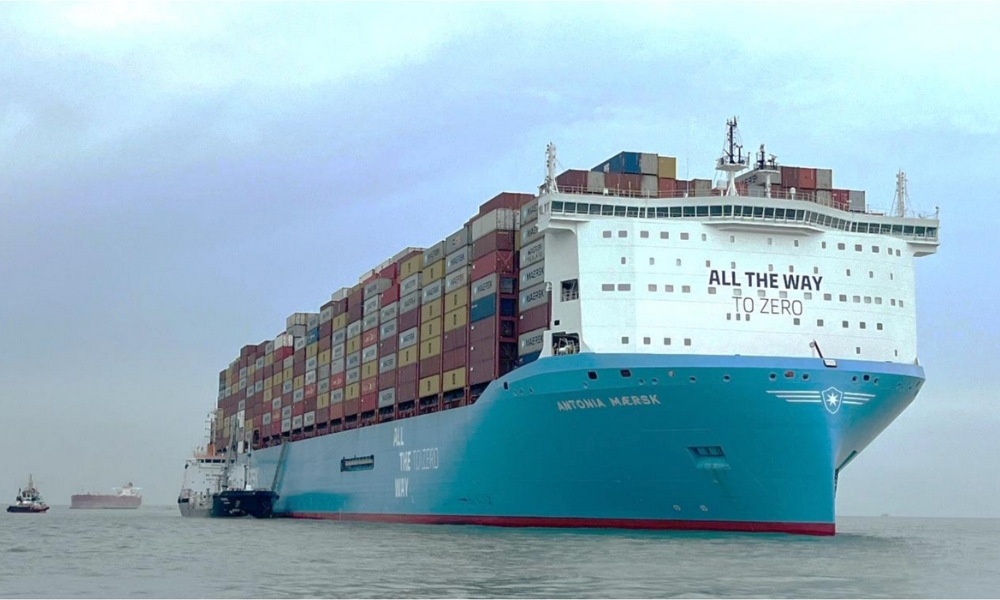

Successful operation demonstrates PTP’s readiness and capability to handle alternative marine fuels, paving the way for future trials and pilots, says Tan Sri Che Khalib Mohamad...


