
Alternative Fuels
GAC: Does Sweden’s alternative fuel development risk worsening a maritime Catch-22?
GAC Sweden’s Nils Igelström says Sweden faces having a surplus of renewable fuel options with limited access to wider European market; collaboration and clarity is needed to prevent stalling in shipping’s energy transition.

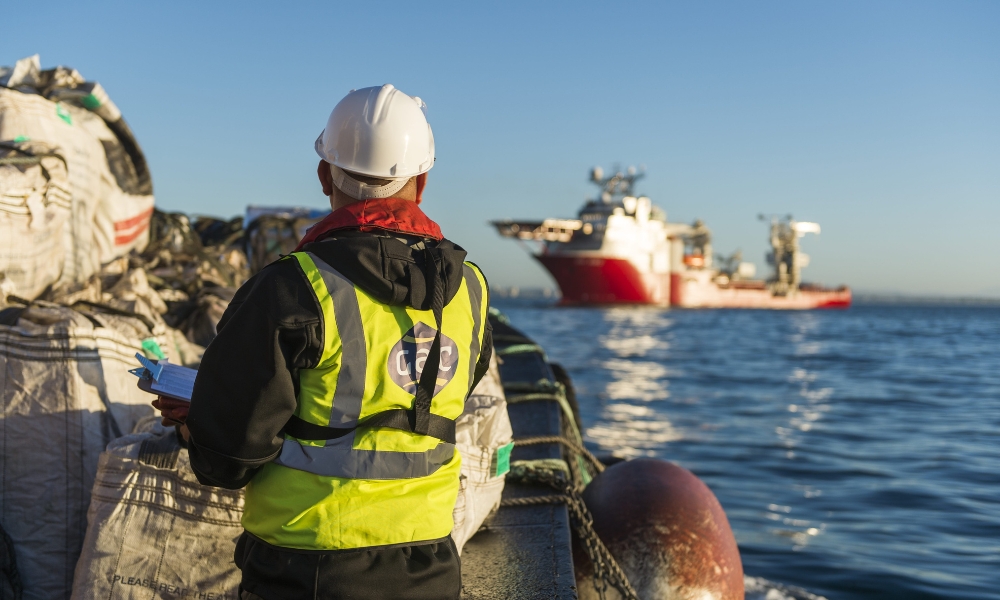
Sweden leads Europe in developing alternative fuels, driven by its 2045 net-zero emissions target and the IMO’s 2050 decarbonisation goal, and it is now making bold advances in renewable fuel options for commercial shipping.
It is also investing heavily in infrastructure to support the development of biofuels, liquefied biogas and natural gas, and synthetic fuels like eMethanol. Many of these projects, although relatively nascent, showcase the country’s bold vision to lead the alternative fuel development pack.
Groundbreaking
In May 2023, Sweden broke ground on the FlagshipONE facility in Örnsköldsvik, targeting annual production levels of 50,000 tonnes of carbon-neutral eMethanol by combining carbon dioxide and green hydrogen for commercial shipping.
In February 2024, Jämtkraft AB launched NorthStarH2, with the goal of producing up to 100,000 tonnes of eMethanol each year to support Sweden’s green electricity supply and maritime needs.
But the development of alternative fuels goes beyond eMethanol. In August 2024, ScanOcean partnered with Vegoil to introduce a marine fuel derived from hydrotreated vegetable oil produced in Sweden. The tanker vessel Key Fjord successfully took on that product as bunker fuel at the Port of Oskarshamn, marking a step towards making biofuels commercially viable for maritime use.
Such developments highlight Sweden’s leadership in the development of greener fuel options for maritime use. But supply issues could put the brakes on by limiting their market reach.
The risk of oversupply
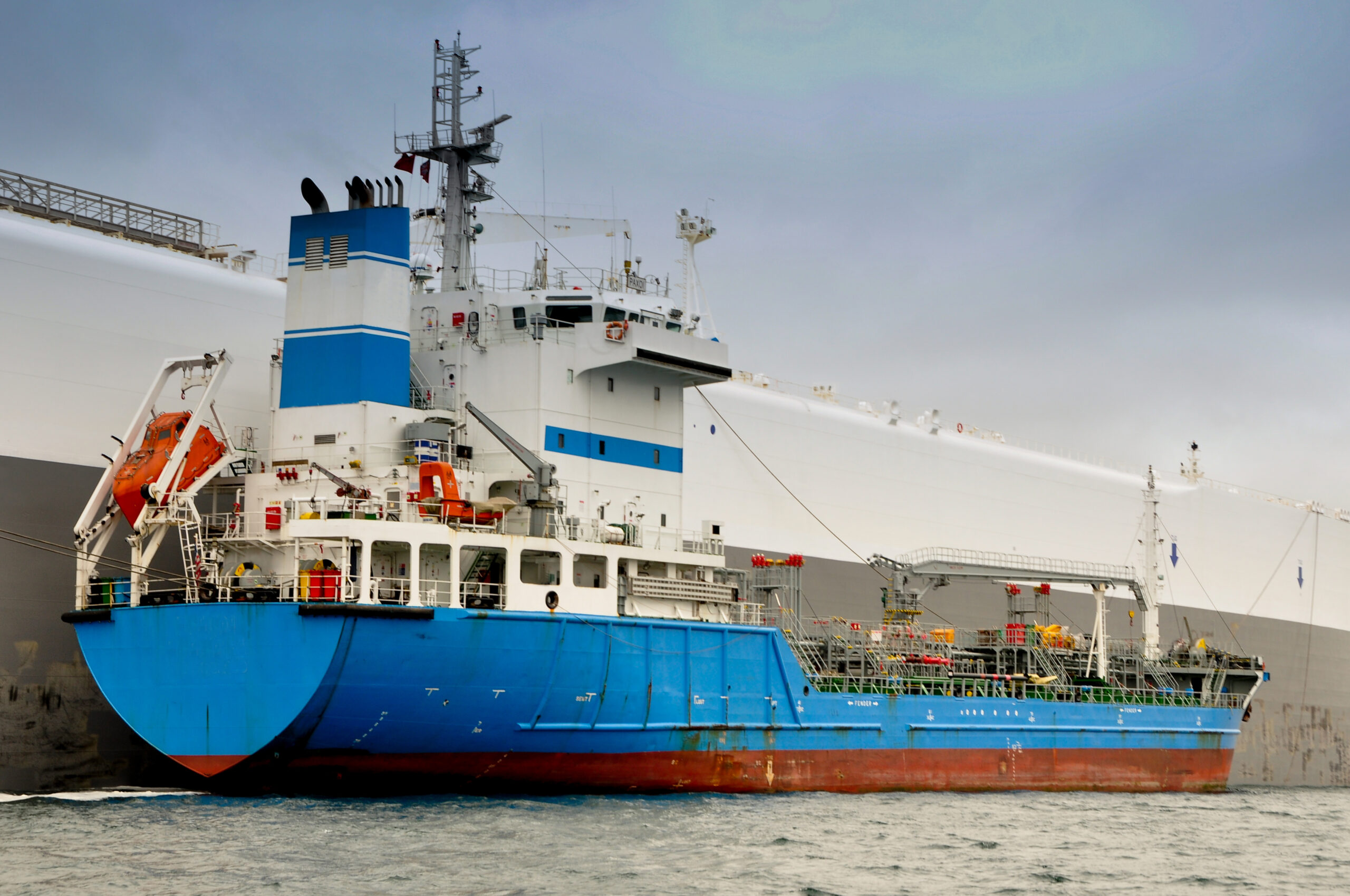
Shipping faces a ‘Catch-22’ scenario with alternative fuels: low adoption limits the infrastructure development while companies delay investing in newbuilds or retrofits until fuel supply chains expand.
This production-market access disconnect risks oversupply in Sweden’s alternative fuel market, restricting access to the wider European maritime sector.
Nils Igelström, Managing Director at GAC Sweden, highlighted the challenge of balancing production and demand for renewable marine fuels: “Sweden is producing some of the most advanced renewable marine fuels, but cargo owners are unwilling to pay higher freight costs. Without buyers, the environmental benefits remain unrealised, stalling progress towards decarbonisation.”
Despite interest from shipowners, low demand highlights the need for better market access.
“Companies like Preem, lead the development of alternative fuels, but oversupply persists,” added Igelström. “With heavily investments in refineries and fuel development, these facilities will continue producing fuels regardless of current demand. However, the priority now is ensuring these fuels reach the market effectively.”
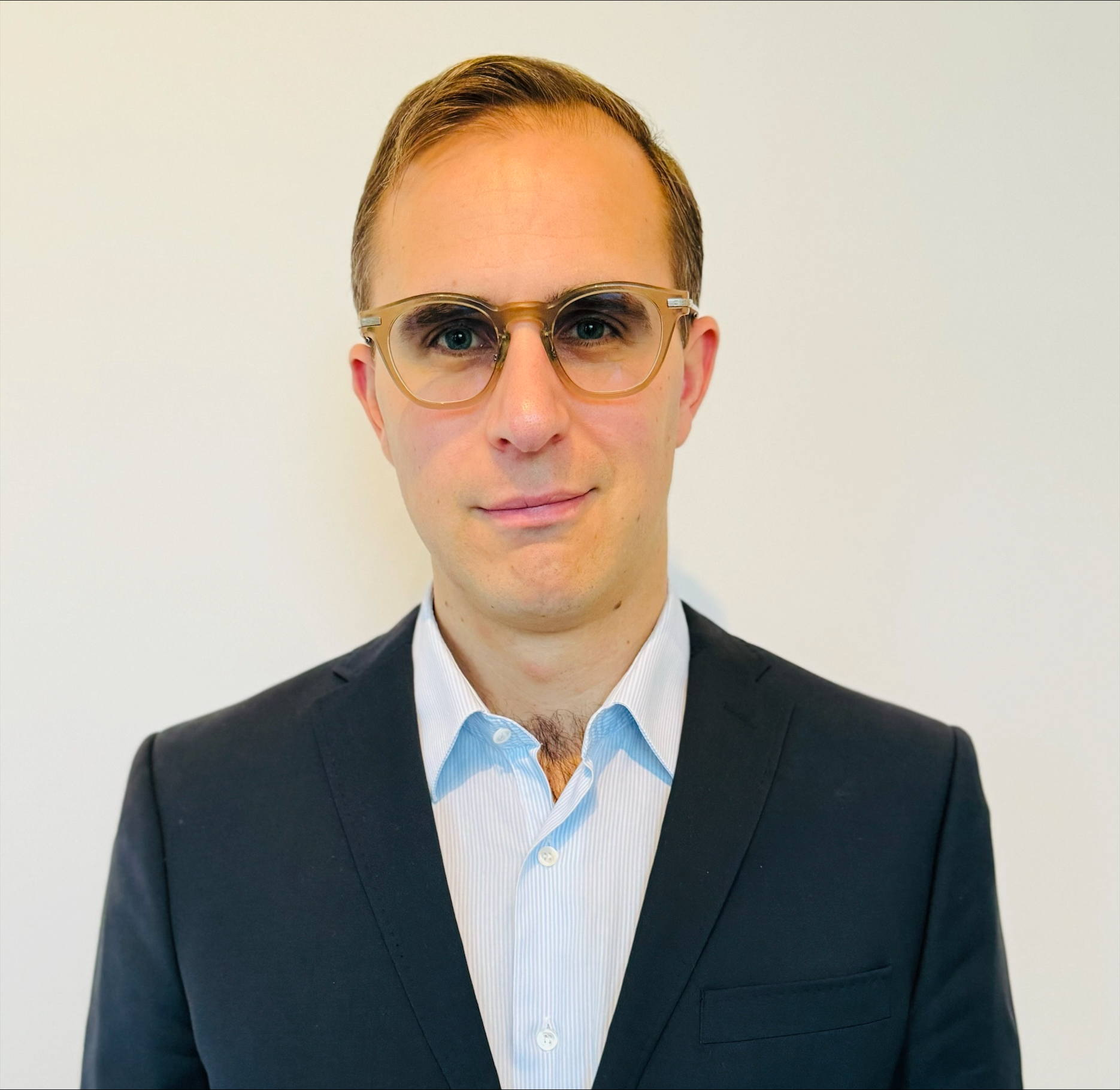
Nils Igelström Managing Director, GAC Sweden
Beyond the Baltic
Supply chain bottlenecks of alternative fuels, including logistical challenges and limited port infrastructure in other parts of Europe, hinder the export of surplus alternative fuels and can lead to higher costs and regulatory complexities. This uneven distribution particularly affects vessels that do not have easy or regular access to the North and Baltic seas.
“If a vessel calls at Gothenburg regularly, fuel supply isn’t an issue,” said Igelström. “But in areas lacking necessary infrastructure, accessing Sweden’s alternative fuel supplies is challenging. With availability limited to Sweden or Finland or Germany, shipping companies hesitate to invest in greener vessels without certainty of supply.”
Igelström also emphasised the need to improve accessibility across Europe to encourage investments and support the maritime sector’s green transition.
The cost factor
Logistical challenges raise costs, with bunkering accounting for up to 50% of a vessel’s daily operating costs. Greener alternatives, according to the World Economic Forum, can cost up to four times more than traditional heavy fuel oil. For an industry with tight margins and volatile freight rates, zero-emission shipping significantly increases the cost of goods.
A study by Drewry estimated that switching to green methanol would increase fuel costs by 350%, equivalent to an additional US$1,000+ per 40 feet container shipped from Asia to Europe.
“There is a big price gap between renewables and fossil fuels. Exporting Sweden’s alternative fuels further increases costs, but that’s a necessary step to achieve shipping’s green potential,” Igelström said.
Collaboration and clarity
Shipping thrives on clarity, but gaps in regulatory goals, infrastructure, and environmental policies hinder the development of an effective green fuel supply chain.
“Shipping companies need certainty,” Igelström noted. “With tight margins, they can’t risk fuel unavailability, especially where delivery points are scarce. Collaboration across Europe is essential to build a uniform supply chain that ensures renewable-powered ships can operate globally. Policymakers, industry leaders, and international organisations must unite to create conditions for renewable fuels to succeed.”
Sweden is working with partners in Finland, Iceland and the Faroe Islands, leading the charge in devising a supply chain that can support the maritime sector’s access to green fuels.
In May 2024, the Nordic Maritime Transport and Energy Research Programme launched the STORM project to address supply barriers, assess fuel suitability, and propose solutions to accelerate the green transition. Sweden’s leadership in this initiative highlights its commitment to not only fuel development, but also market accessibility.
“Sweden is doing its part to drive shipping’s fuel transition through fuel development and regulatory frameworks. However, Europe must collaborate to efficiently distribute surplus renewable fuels across the continent,” Igelström concluded.
Photo credit: GAC Sweden
Published: 6 December, 2024
LNG Bunkering
Singapore-based EPS takes delivery of three LNG dual-fuel bulk carriers
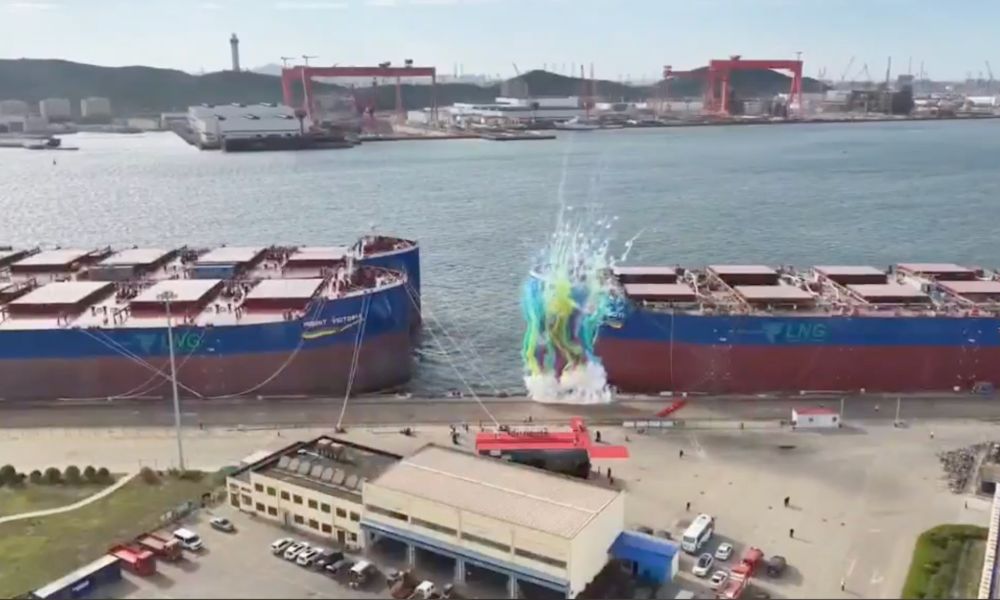
Three vessels are the third, fourth and fifth in the company’s series of 14 Newcastlemaxes being built at the yard, and were delivered five months ahead of their contracted delivery dates.
LNG Bunkering
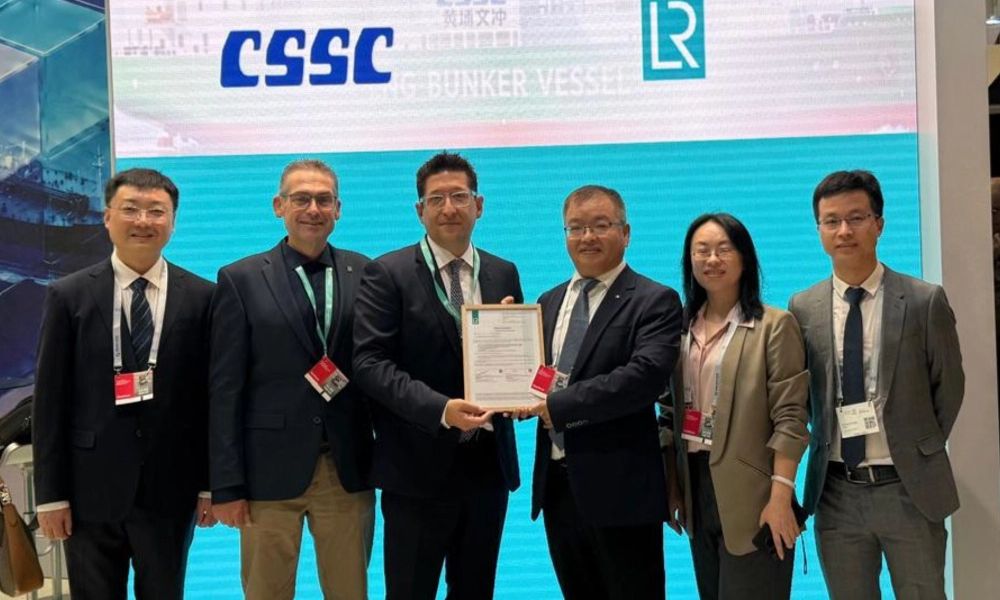
LR awards AiP to CSSC Huangpu Wenchong for 12,500 m³ LNG bunker vessel design
Vessel design incorporates Type C LNG cargo tanks and has been evaluated against a range of class notations covering gas operations, automation, environmental performance and cyber resilience.
Alternative Fuels
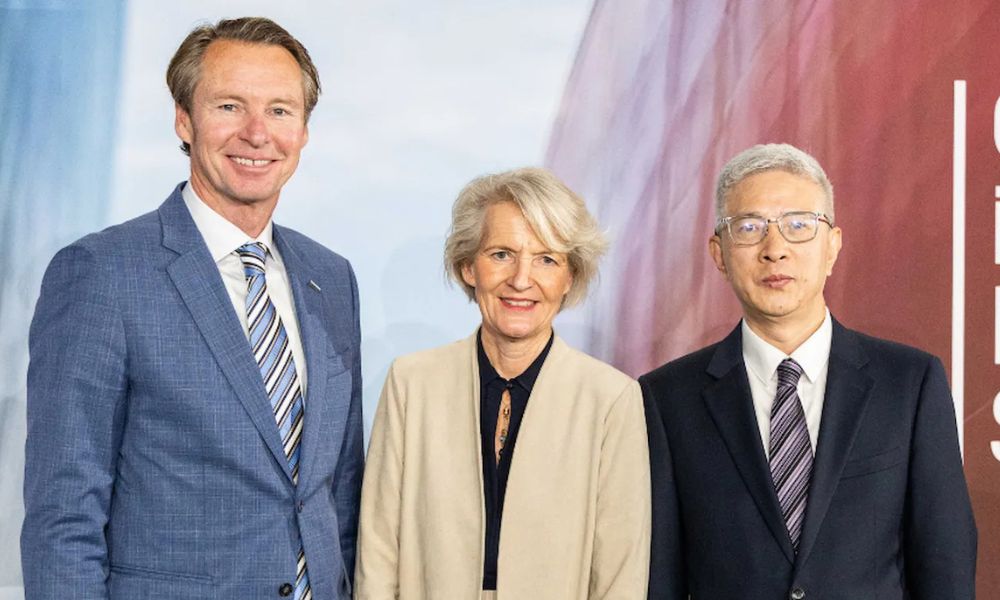
DNV at SMM: Chinese shipbuilders, European owners seek closer ties on alternative bunker fuels
Chinese shipbuilders and European shipowners called for closer collaboration on vessel development, alternative fuels and digitalization during the inaugural China-Europe Maritime Summit at SMM 2026.

OUR INDUSTRY PARTNERS

Singapore: Liquidators of Nan Ho Maritime, Nan Xin Maritime issue notices of dividend

Singapore-based EPS takes delivery of three LNG dual-fuel bulk carriers

ISWG-GHG 22: IMO working group aims to present NZF text at MEPC 85

UCL on ISWG-GHG 22: Majority back GHG pricing, centralised fund in IMO NZF talks

LR awards AiP to CSSC Huangpu Wenchong for 12,500 m³ LNG bunker vessel design

DNV at SMM: Chinese shipbuilders, European owners seek closer ties on alternative bunker fuels

Auramarine: Marine fuel flexibility will be key to shipping’s energy transition

Singapore-flagged tugboat “Kim Heng 3203” placed under Sheriff’s arrest

US targets five bunker companies in latest sanctions campaign against Iran

China’s bunker market reshaped by tax rebates, trade flows and refining changes, says economist

Hengli Petrochemical’s ex-Singapore trading arm faces winding up application

Rajah & Tann: Bunker disputes are won in the first 48 hours

Report: GCMD outlines practical approach to quantity assurance in marine biofuel supply chains

Singapore: Notices of annual meeting issued for Vroon Shipping Asia and related firms
-
 Vessel Arrest2 weeks ago
Singapore-flagged tugboat “Kim Heng 3203” placed under Sheriff’s arrest
-
 Sanctions2 weeks ago
US targets five bunker companies in latest sanctions campaign against Iran
-
 Interview1 week ago
China’s bunker market reshaped by tax rebates, trade flows and refining changes, says economist
-
 Winding up2 weeks ago
Hengli Petrochemical’s ex-Singapore trading arm faces winding up application
-
 Bunker Claim5 days ago
Rajah & Tann: Bunker disputes are won in the first 48 hours
-
 Biofuel2 weeks ago
Report: GCMD outlines practical approach to quantity assurance in marine biofuel supply chains
-
 Winding up1 week ago
Singapore: Notices of annual meeting issued for Vroon Shipping Asia and related firms
-
 Alternative Fuels2 weeks ago
GEA to provide global ethanol fuel data for DNV’s AFI platform