
Alternative Fuels
SGMF and IAPH in agreement to further explore future alternative marine fuels for vessels
Specifically, the potential use of Ammonia will be investigated from source to ship with all related safety, operational and sustainability considerations.

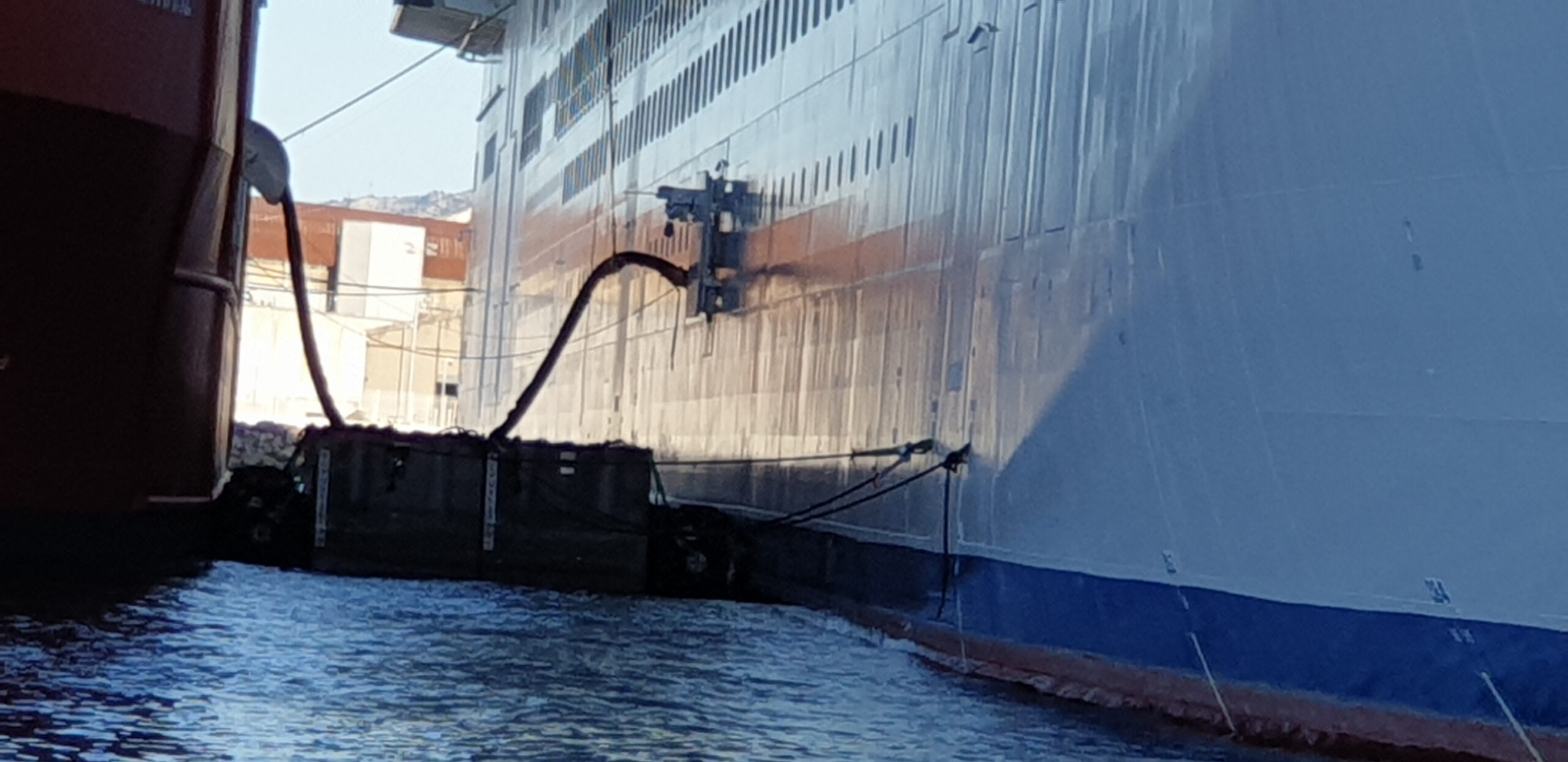
The Society of Gas as a Marine Fuel (SGMF) and the International Association of Ports and Harbors (IAPH) on Monday (1 November) said they have signed a Memorandum of Agreement (MOU) to work together to expand its understanding regarding the safe and effective use of all gases as marine fuel.
Specifically, the potential use of Ammonia will be investigated from source to ship with all related safety, operational and sustainability considerations.
The agreement effectively brings together the principal technical stakeholders needed to accelerate the adoption of alternative liquefied gas fuels at ports: SGMF with its energy majors, gas suppliers, equipment manufacturers, technology providers, classification societies, shipyards, ship owners and operators with the world’s principal port authorities and terminal operators from IAPH.
“The Society for Gas as a Marine Fuel (SGMF) was formed in 2013 with the primary objective of advocating the safe and sustainable use of low flashpoint fuels for ships,” comments Mark Bell, General Manager and COO of SGMF.
“Safety is the prevalent factor and as the industry transitions towards an inevitable low carbon future, at SGMF we are looking forward to working with IAPH’s experts from ports, many of whom are either already operational or who are in the process of implementing infrastructure that provides alternative fuels to vessels.”
“As with the recent commenting paper submitted by IAPH to the IMO on the case for MBM revenue allocation to land-based infrastructure, it is our belief that ports may serve as the key link between the land-based fuel producers and the sea-based fuel consumers, as well as the link between fuel production and other non-shipping fuel consumers,” adds IAPH Technical Director, Antonis Michail.
“Ports have the potential to act as energy hubs as a cheaper and safer alternative than storing it elsewhere. SGMF members with their technical competences have the potential to help us make that happen.”
Applying a decade of experience in operational safety to new emerging sources of energy for ships
Capitalising on over a decade of knowhow on bunker checklists, audit tools to evaluate terminal operator concessions and terminal readiness guidance with tried and tested procedures to ensure rigorous operational safety when handling LNG will now also be applied to new alternative fuels such as ammonia, hydrogen and methanol.
The project has become a major focus of the IAPH Clean Marine Fuels (CMF) Working Group.
“Our Working Group is busy developing a generic audit tool as well as truck-to-ship and ship-to-ship bunker checklists for liquified gases, so being able to tap into the pool of experts from the SGMF will be extremely useful,” says Peter Alkema, Policy advisor to the Port of Amsterdam and Chair of the CMF.
“As an example, a recent study by the Port of Amsterdam and DNV concluded that spacial safety considerations are especially important when considering the deployment of bunkering infrastructure for ammonia at ports. How to handle these issues will be for all stakeholders, not just the ports.”
SGMF has proposed to include some of the IAPH CMF tools in an updated version of its own LNG Bunkering Safety Guidelines (ISBN 978-1-9996669-7-2), which will be published towards the end of the year in early December.

Photo credit: Marseille-Fos Port
Photo credit: Port of Antwerp
Published: 2 November, 2021
Alternative Fuels
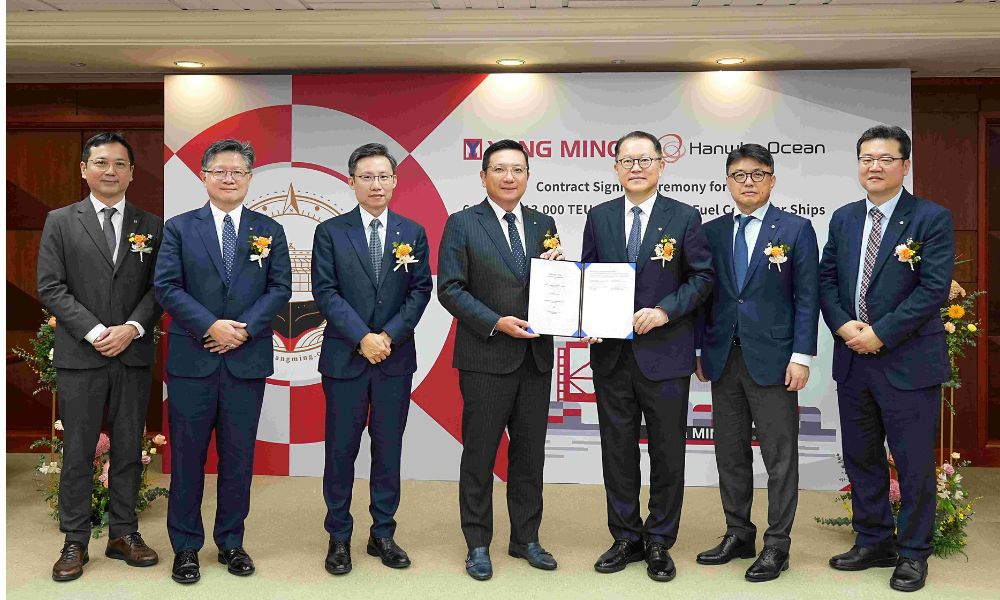
Yang Ming orders six LNG dual-fuel, ammonia-ready containerships from Hanwha Ocean
Each of the six new vessels will have a capacity of up to 13,650 TEU and feature LNG dual-fuel propulsion and Ammonia Fuel Ready specifications.
Alternative Fuels
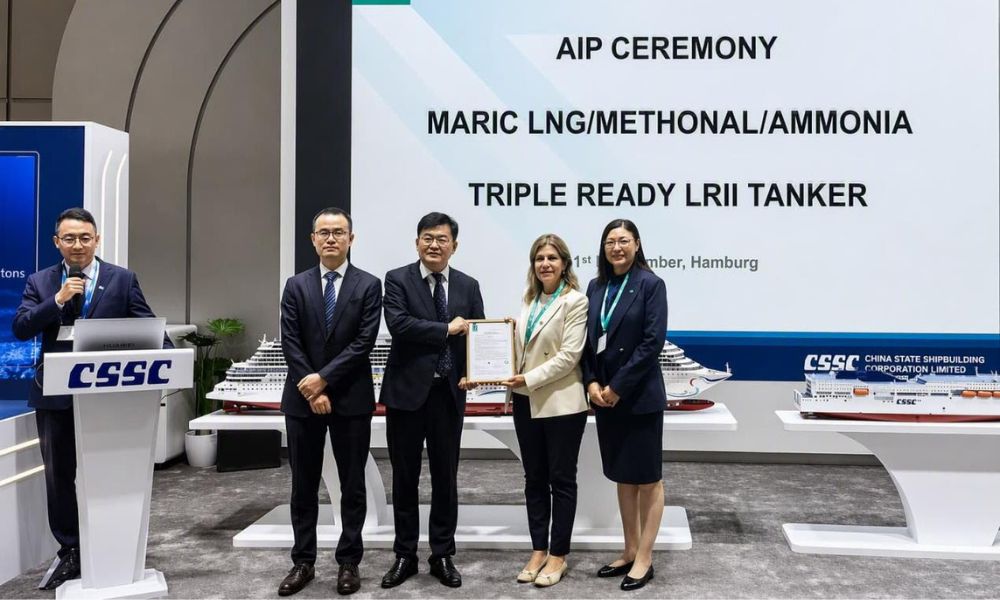
LR, China’s MARIC unveil tanker concept ready for three future bunker fuels
Both secured AiP for a new 114,000 DWT product and crude oil tanker designed to accommodate future conversion to LNG, methanol or ammonia.
Alternative Fuels
DNV: Alternative-fuelled vessel orders hit highest monthly level since October 2024
LNG-fuelled vessels accounted for the vast majority of August activity while the strong summer performance marked a significant acceleration in ordering activity after a relatively slow start to the year.
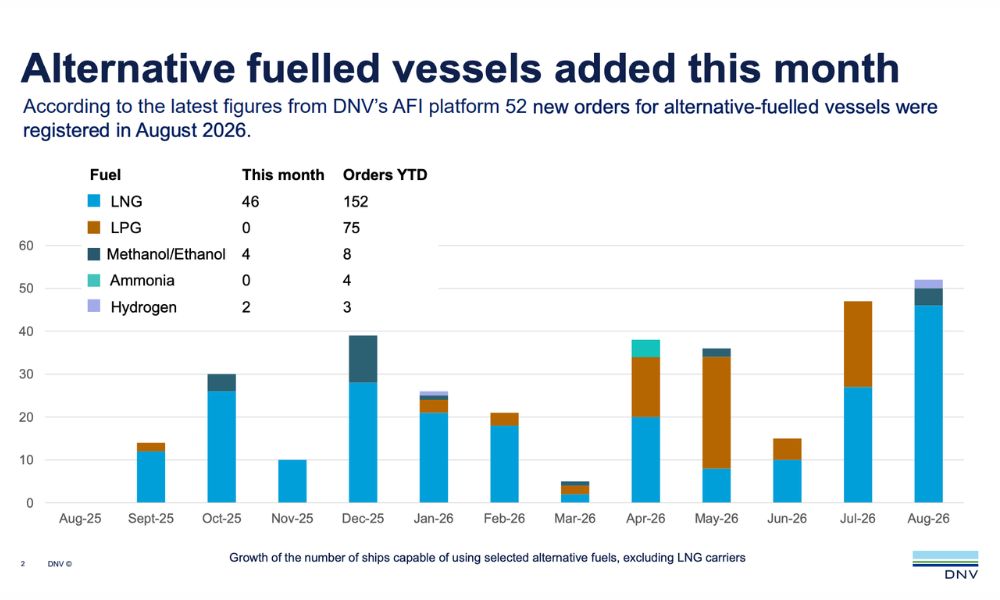
Latest data from classification society DNV’s Alternative Fuels Insight (AFI) platform alternative-fuelled vessel ordering was strong in August, with 52 new vessels added to the platform.
This is the highest monthly total since October 2024 and follows another active month in July, when 47 vessels were added to the database.
LNG-fuelled vessels accounted for the vast majority of August activity, with 46 orders recorded. The container segment led the way with 30 orders, while the car carrier segment contributed a further 12 LNG-fuelled vessels. In addition, four ethanol-fuelled bulk carriers and two hydrogen-powered bulk carriers were added during the month, as well as one LNG bunker vessel.
The strong summer performance marked a significant acceleration in ordering activity after a relatively slow start to the year. In total, 242 alternative-fuelled vessel orders have been placed in the first eight months of 2026, representing a 27% increase compared with the same period in 2025.
LNG remains the dominant fuel choice, accounting for 63% of all alternative-fuelled vessel orders registered so far this year. Container vessels represent the largest share of these LNG orders (59%), followed by car carriers (30%).
Jason Stefanatos, Global Decarbonization Director at DNV Maritime, said: “The past two months have been particularly strong for alternative-fuelled vessel ordering, with August recording the highest monthly total we’ve seen since October 2024. This has helped lift year-to-date orders to a level well above the same period last year.
“LNG remains the leading fuel choice, driven largely by activity in the container and car carrier segments. These sectors have been among the earliest adopters of alternative fuels, supported by predictable liner operations and increasing demand from cargo owners to reduce emissions across supply chains.
“For many owners, LNG offers a combination of emissions reductions, fuel availability and future flexibility while the longer-term fuel landscape continues to evolve.
“At the same time, the latest figures include orders for ethanol- and hydrogen-fuelled vessels, highlighting that owners continue to explore a range of decarbonization pathways. Different segments are making different fuel choices, but the overall level of activity demonstrates continued investment in lower-emission shipping.”
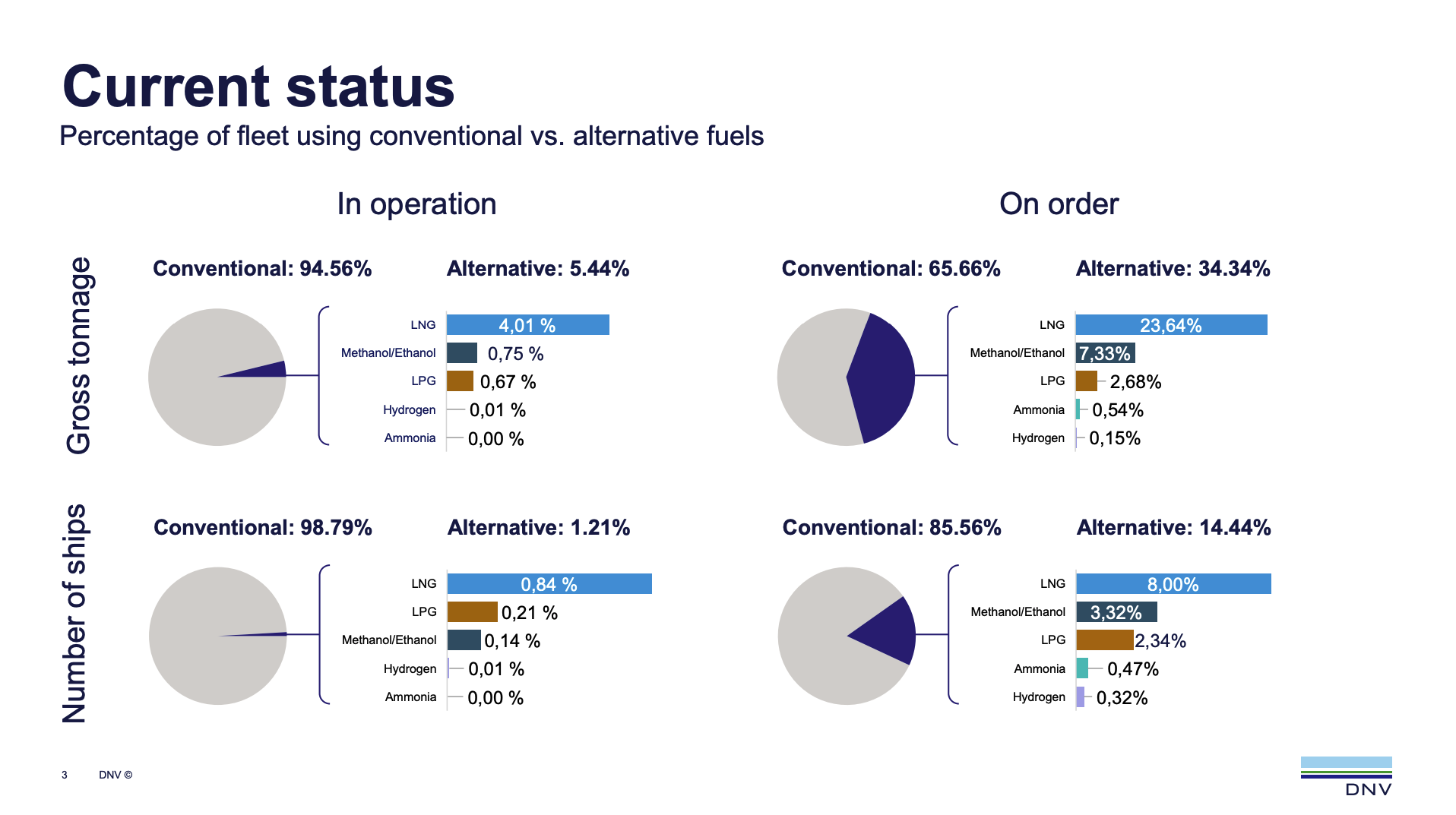
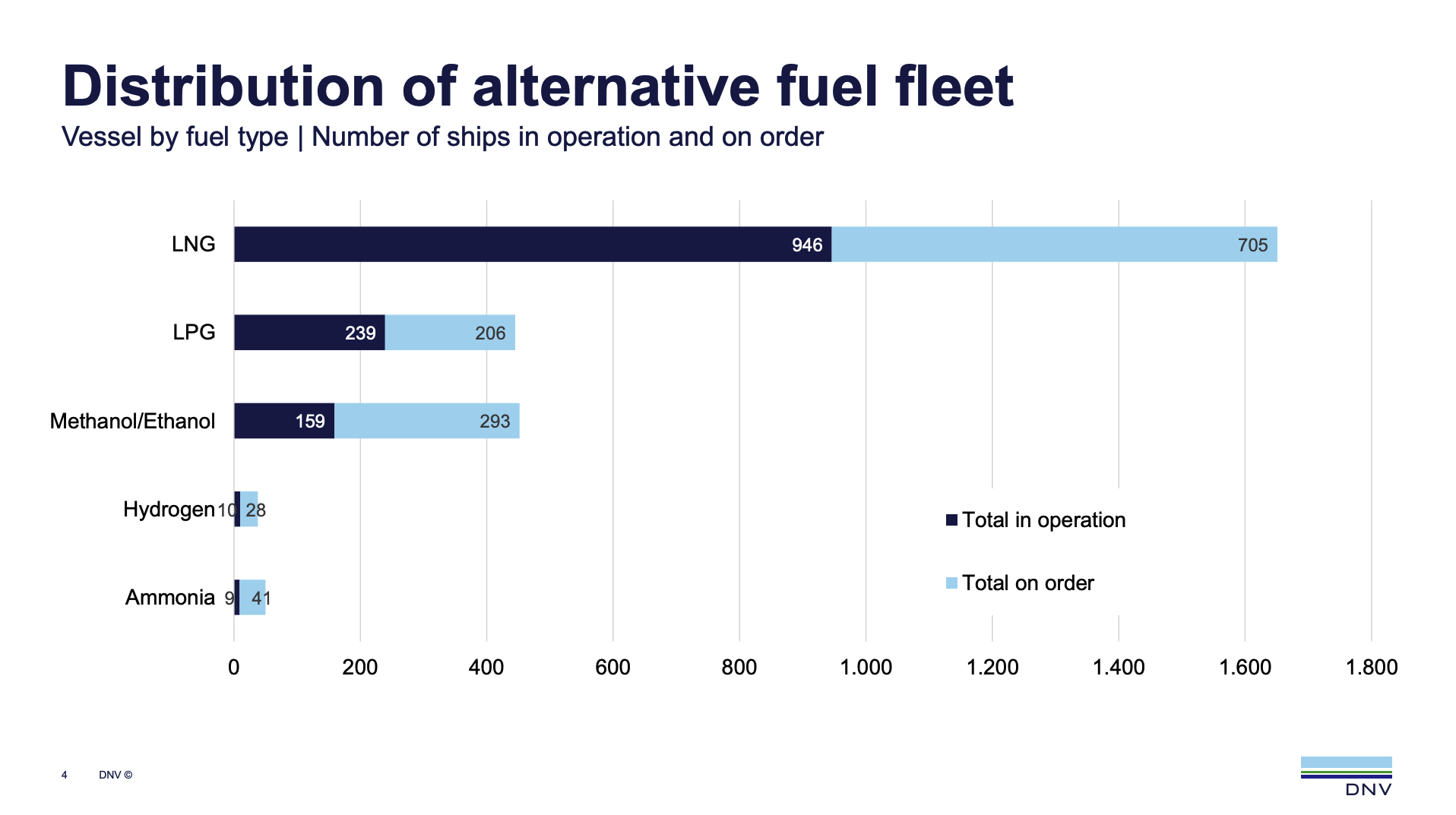
Photo credit: DNV
Published: 4 September, 2026

OUR INDUSTRY PARTNERS

Yang Ming orders six LNG dual-fuel, ammonia-ready containerships from Hanwha Ocean

LR, China’s MARIC unveil tanker concept ready for three future bunker fuels

DNV: Alternative-fuelled vessel orders hit highest monthly level since October 2024

TFG Marine advances global MFM rollout with two US Gulf bunker barges

GENA Solutions: Total renewable and low-carbon methanol project pipeline increases from 61.8 to 62.2 Mt by 2032

Baltic Exchange: Bunker Report (3 September 2026)

ENGINE: Americas Fuel Availability Outlook (3 September 2026)

Singapore-flagged tugboat “Kim Heng 3203” placed under Sheriff’s arrest

US targets five bunker companies in latest sanctions campaign against Iran

Singapore bunkering community supports Living Hope Evangelism’s 7th anniversary outreach for residents in need

China’s bunker market reshaped by tax rebates, trade flows and refining changes, says economist

Hengli Petrochemical’s ex-Singapore trading arm faces winding up application

Rajah & Tann: Bunker disputes are won in the first 48 hours

Report: GCMD outlines practical approach to quantity assurance in marine biofuel supply chains
-
 Vessel Arrest2 weeks ago
Singapore-flagged tugboat “Kim Heng 3203” placed under Sheriff’s arrest
-
 Sanctions2 weeks ago
US targets five bunker companies in latest sanctions campaign against Iran
-
 Events2 weeks ago
Singapore bunkering community supports Living Hope Evangelism’s 7th anniversary outreach for residents in need
-
 Interview1 week ago
China’s bunker market reshaped by tax rebates, trade flows and refining changes, says economist
-
 Winding up2 weeks ago
Hengli Petrochemical’s ex-Singapore trading arm faces winding up application
-
 Bunker Claim5 days ago
Rajah & Tann: Bunker disputes are won in the first 48 hours
-
 Biofuel2 weeks ago
Report: GCMD outlines practical approach to quantity assurance in marine biofuel supply chains
-

 Winding up1 week ago
Singapore: Notices of annual meeting issued for Vroon Shipping Asia and related firms