

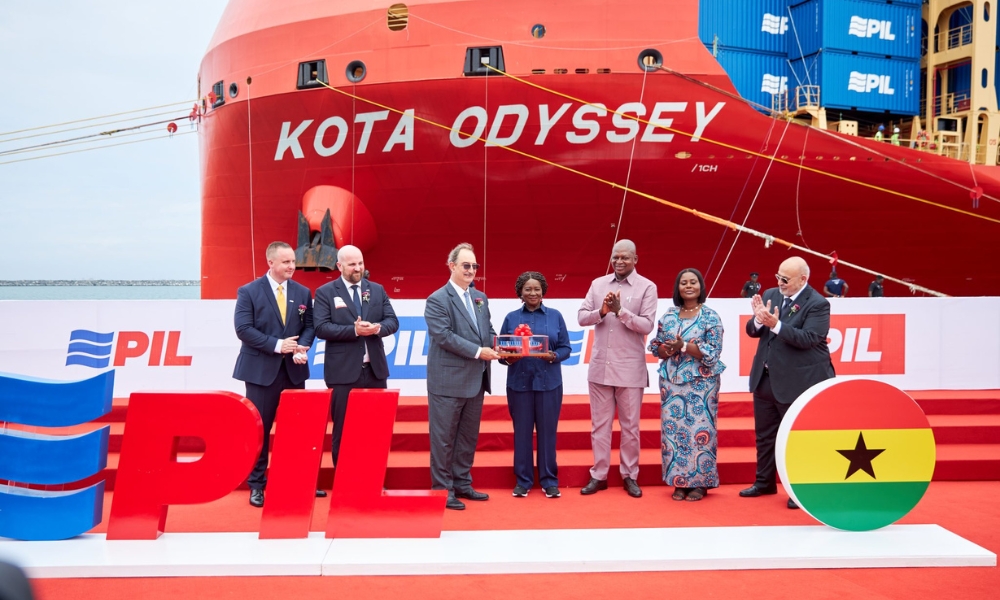

Vessel will operate on PIL’s South West Africa Service, connecting China, Singapore, Ghana, Togo, Nigeria, and Côte d’Ivoire through a direct weekly service.
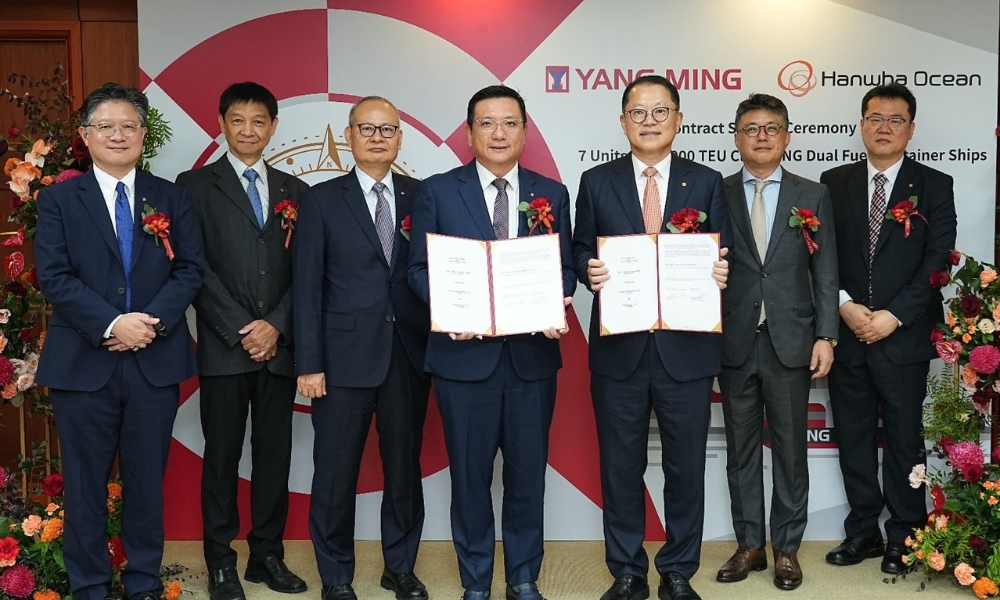

Each with a capacity of 15,880 TEU, the newbuildings will be the first LNG dual-fuel container vessels in Taiwan to feature Ammonia Fuel Ready specifications, with...
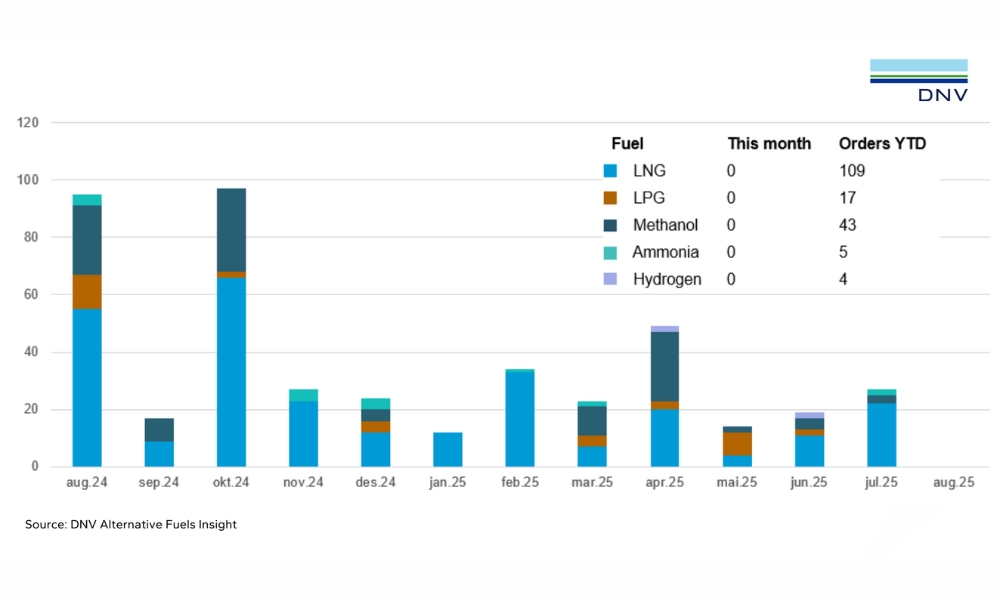

Kristian Hammer, Product Manager AFI and Senior Consultant at DNV, said new order activity for alternative-fuelled vessels has been slow over the recent summer months, particularly...
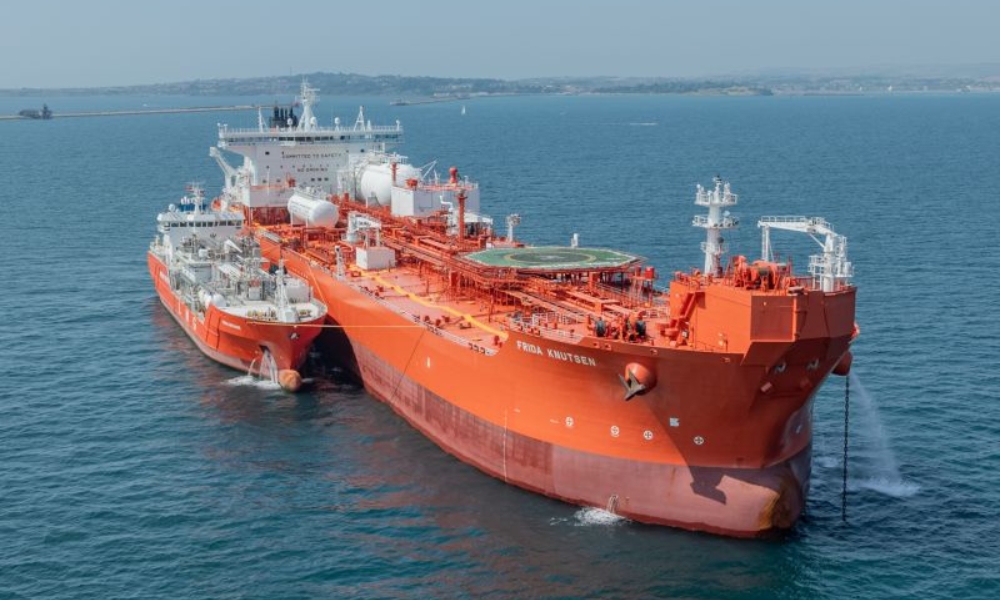

Company safely completed an LNG bunkering for shuttle tanker “Frida Knutsen” at Portland Port, UK, marking its first operation in this location.
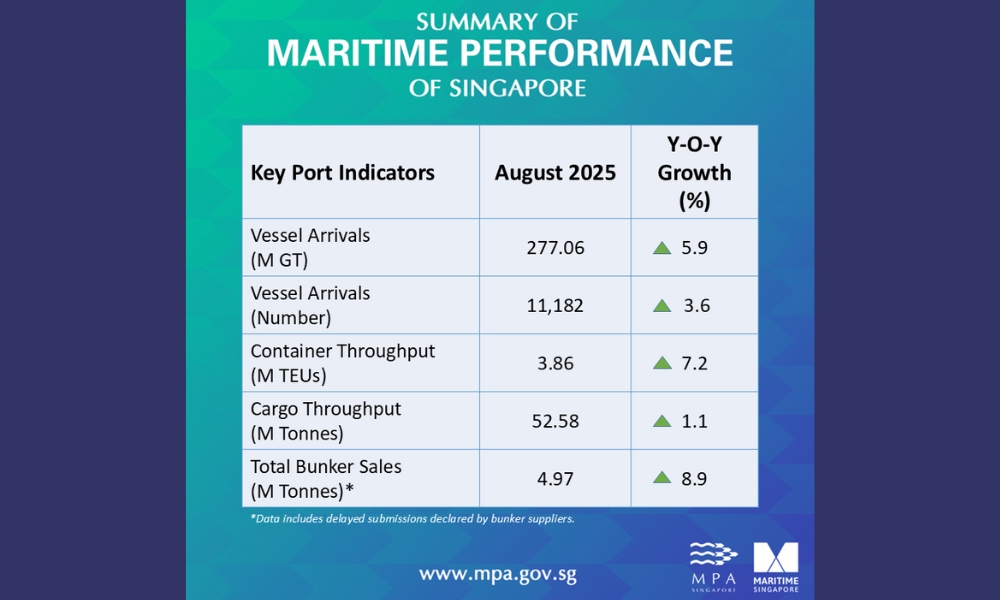
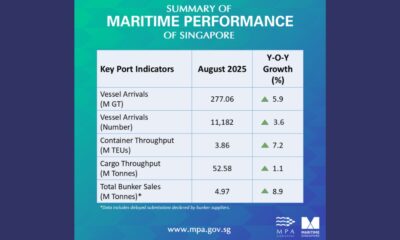

4.97 million mt of various marine fuel grades were delivered at the world’s largest bunkering port in August, up from 4.56 million mt recorded during the...

Offering includes a diverse portfolio of marine energy solutions, ranging from conventional fuels such as VLSFO and MGO to a growing suite of low-carbon alternatives including...
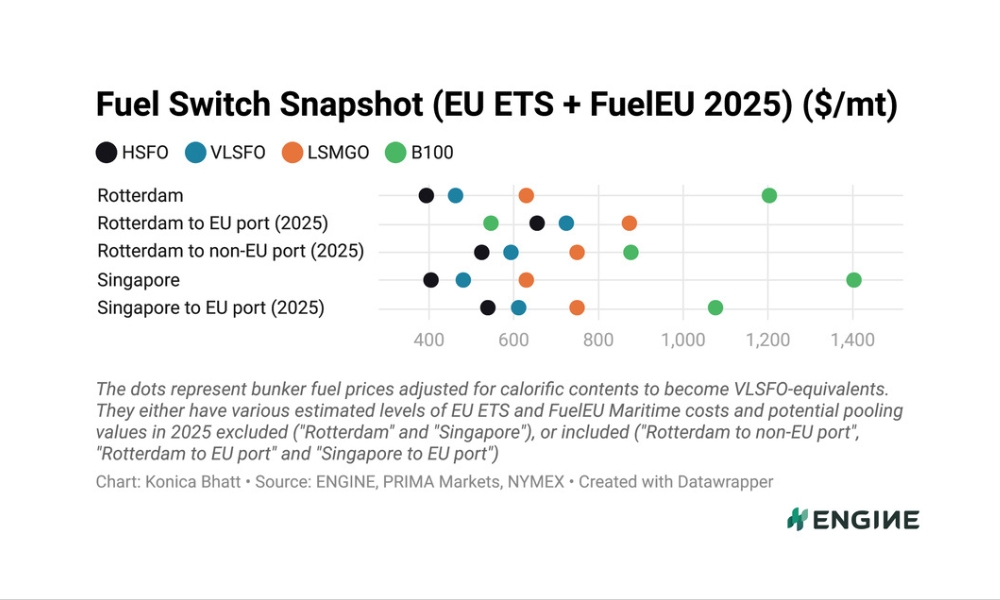

B100 HBE rebate surges nearly $130/mt since 1 August; HBE surge puts pressure on Rotterdam B100; Singapore’s LNG–VLSFO spreads rise $10–11/mt.

Convention, which will be held in November, will feature panels and sessions tackling the most pressing issues shaping the bunker and shipping industries, including alternative fuels...
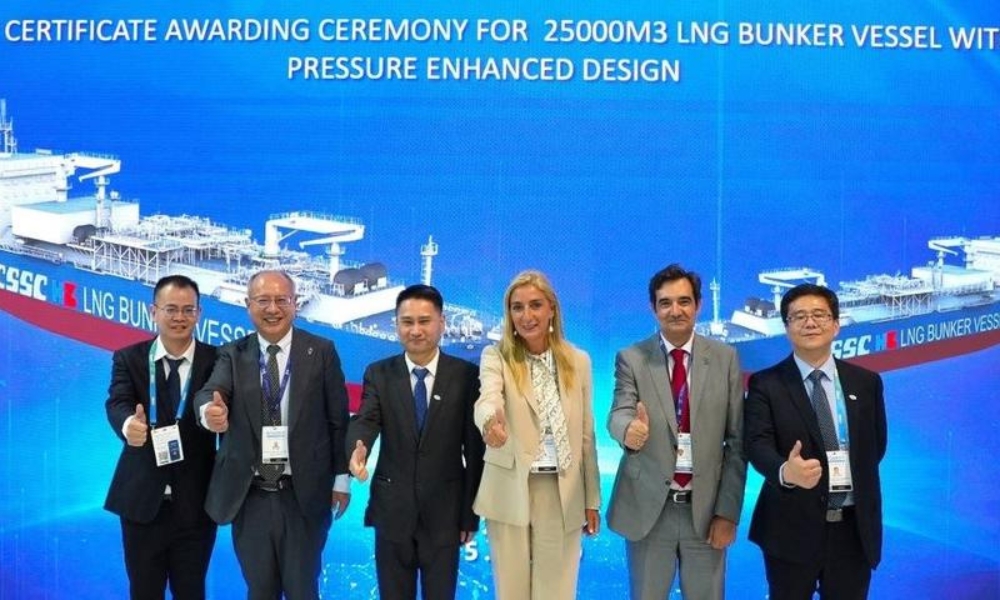

Hudong-Zhonghua’s 25,000 m³ LNG bunker vessel is jointly developed with GTT and it incorporates enhanced design pressure technology – doubling its endurance time approximately.
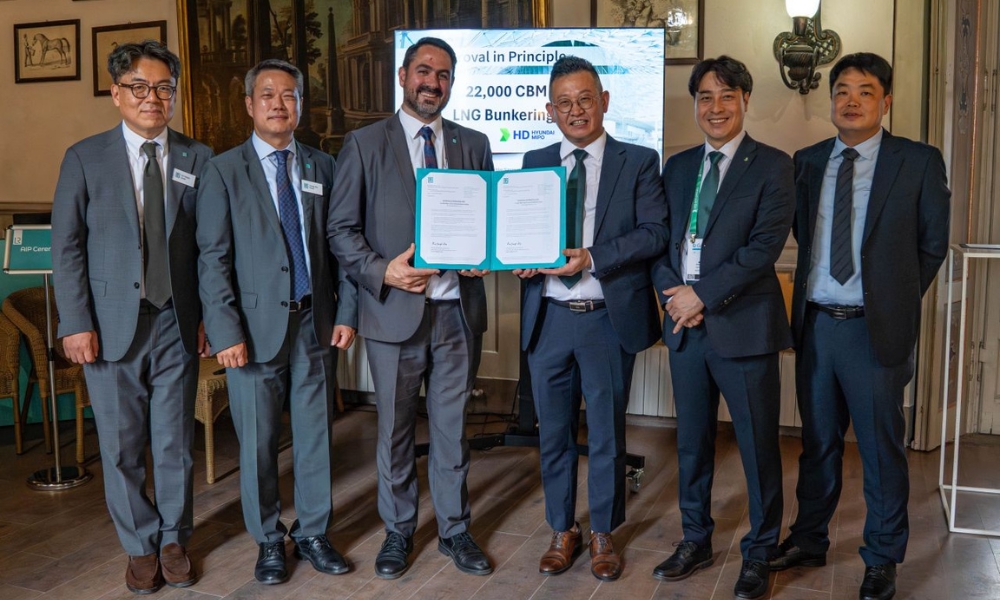

Design offers increased delivery capacity, which potentially reduces bunkering time and frequency, lowering costs for operators, while allowing HD Hyundai Mipo to meet the evolving needs...


