


Marine Energy Transition Forum 2026 will be held on 11 November to address bunker fuel, technology and infrastructure barriers that continue to slow the industry's transition...
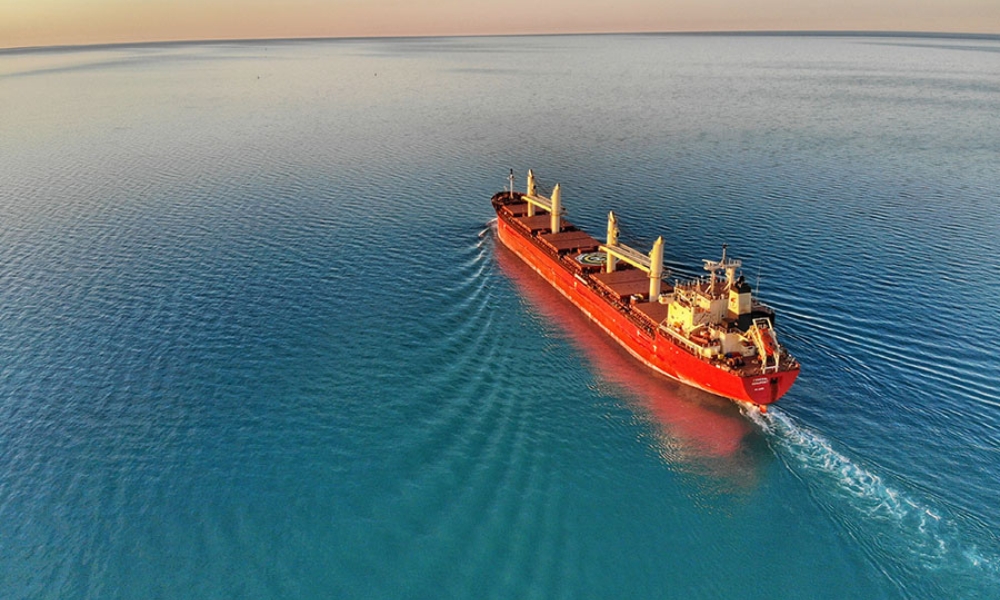

Publication provides preliminary, high-level risk assessments covering five key marine fuel pathways: Battery Energy Storage Systems, biofuels, methanol, hydrogen and ammonia.
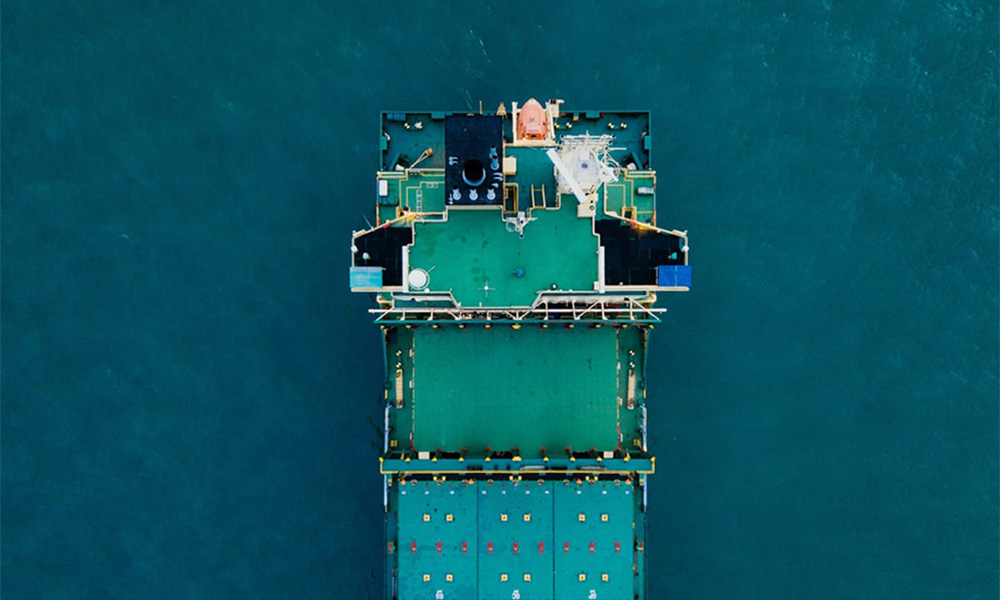

In its latest blog, ICCT says vessel sizes for electric cargo ships have grown significantly, indicating that China is testing the feasibility of electrification for increasingly...
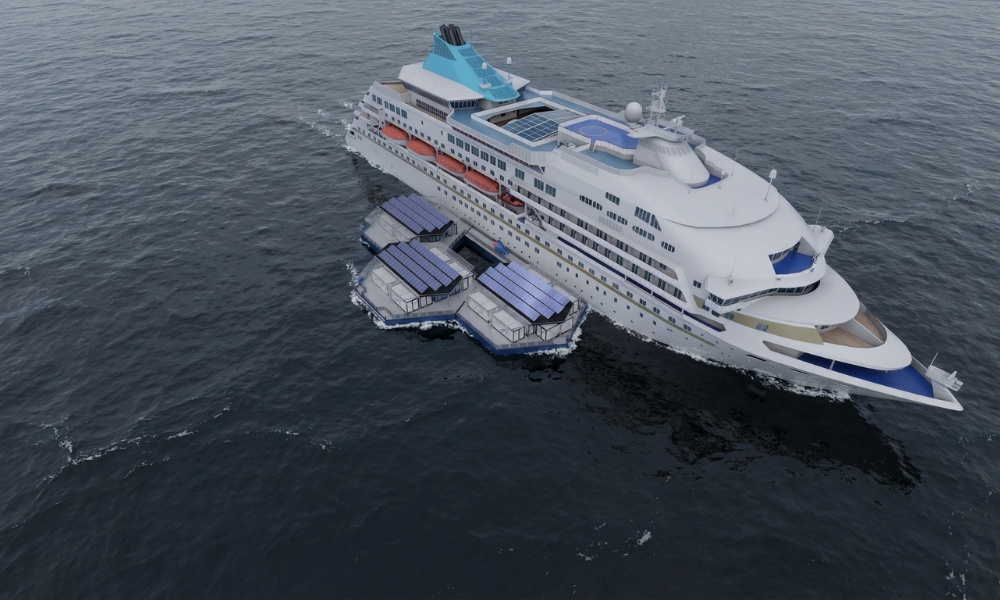

Consortium demonstrated that large vessels can already be powered at berth using existing hydrogen, battery, fuel cell and electrical technologies integrated into a modular floating system.
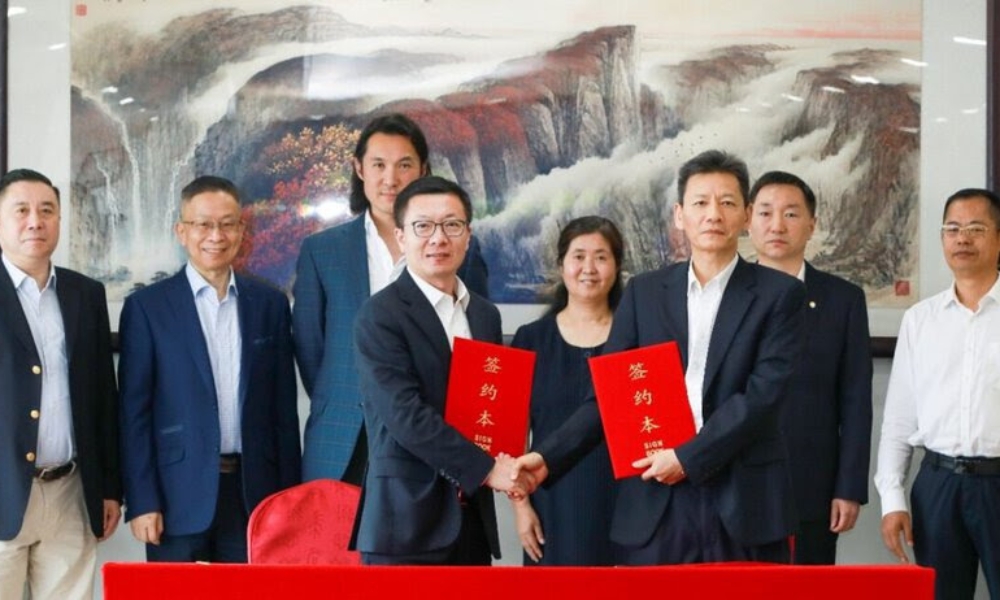

Initiative will focus on deploying electric vessels and establishing shore-side battery swapping and charging infrastructure across key ports in Guangdong province and Hong Kong.
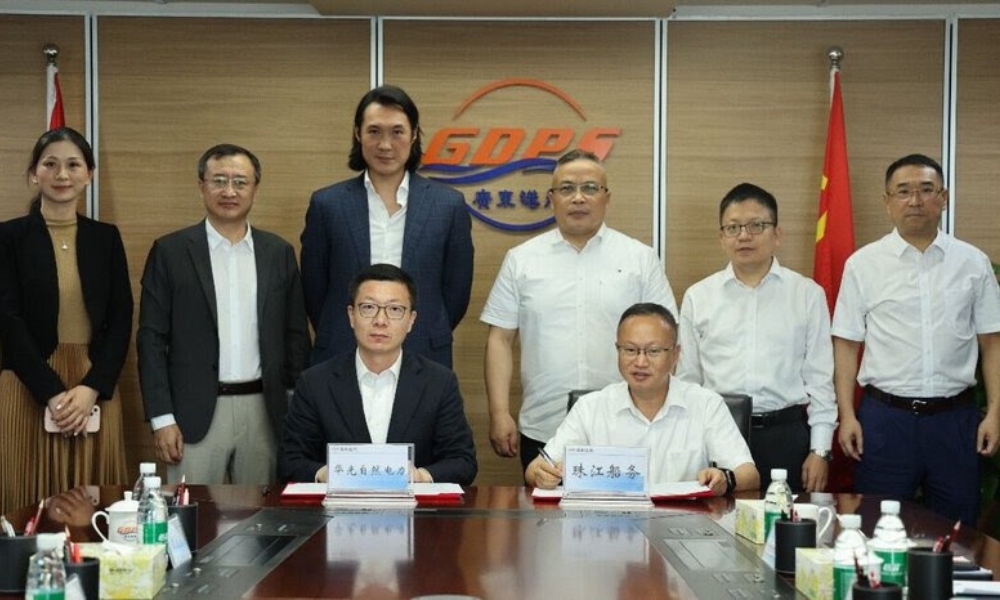

Both will focus on areas including electric vessel construction and technological innovation, charging and battery-swap networks at Guangdong–Hong Kong terminals, among others.
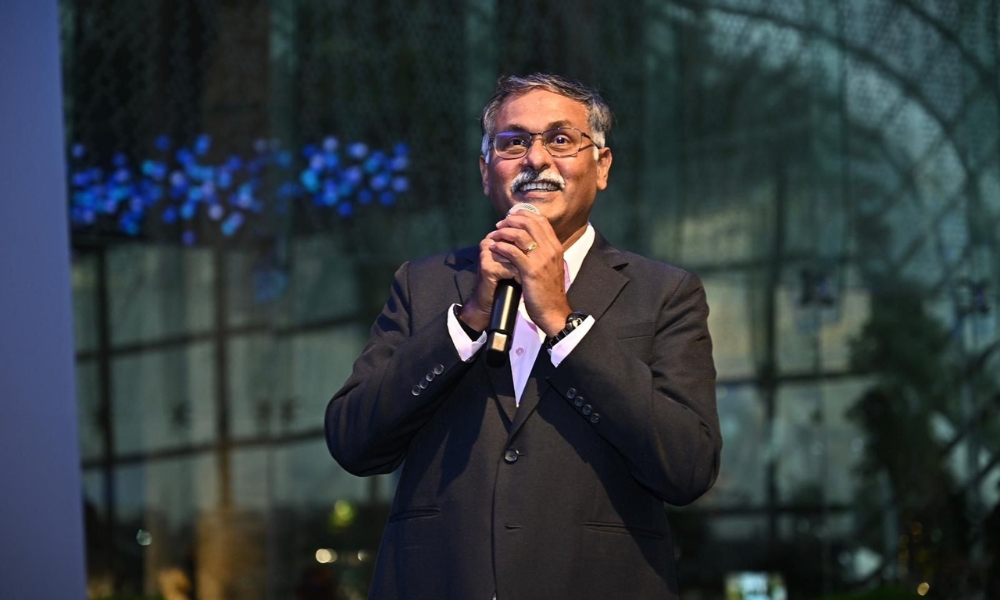


Senior Minister of State for Transport Murali Pillai said MPA is supporting a Joint Industry Project between DNV, Equatorial Marine Fuel Management Services and Singapore Institute...
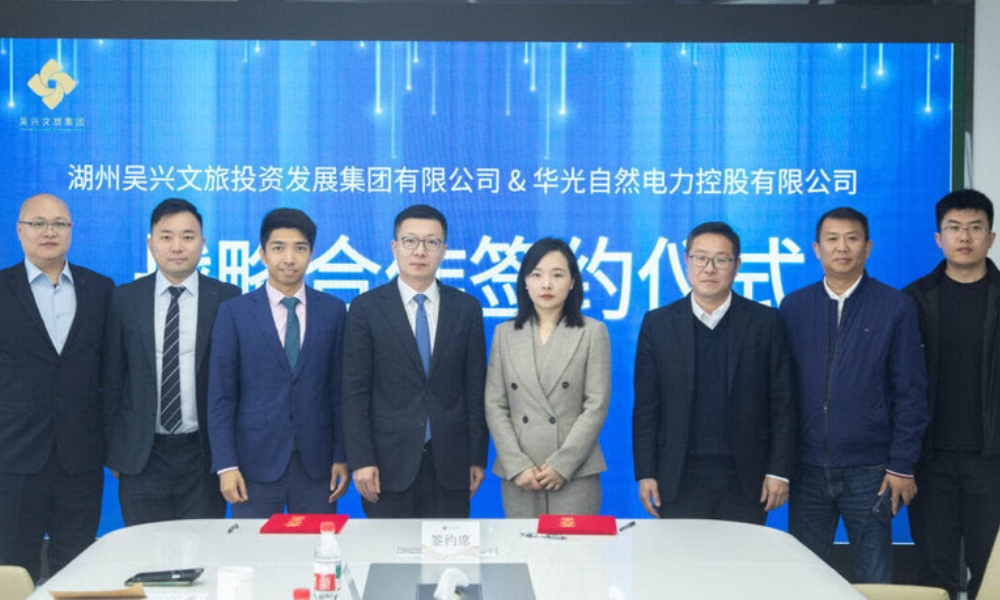

Starting in the Hangzhou–Jiaxing–Huzhou region of northern Zhejiang, the initiative is intended to expand across major inland waterway networks.
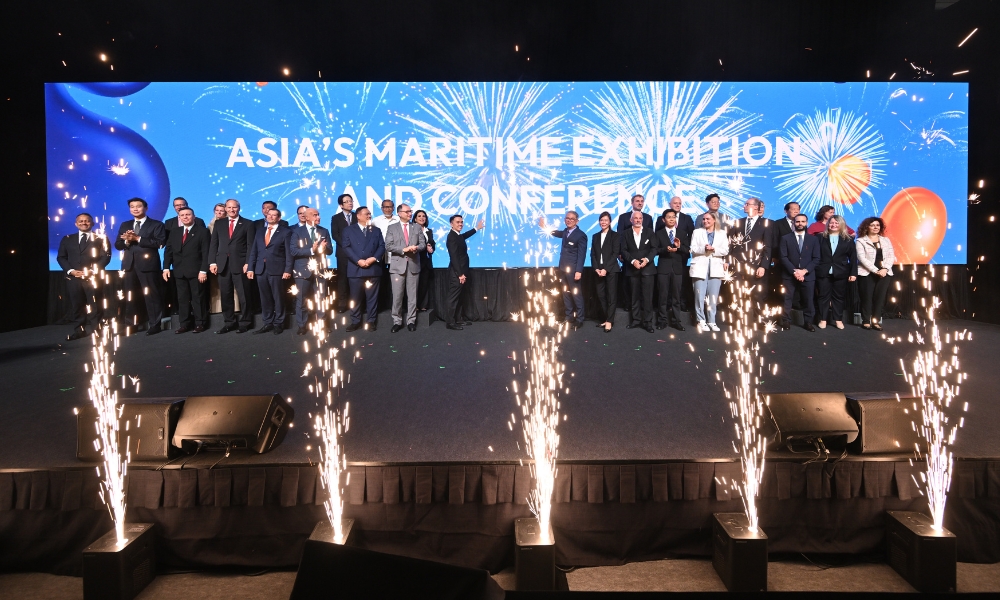
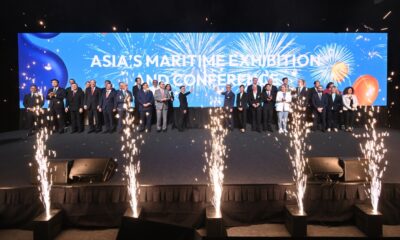

Keynote panel brought together industry leaders to discuss how maritime leaders are responding to rising geopolitical tensions, fuel and cost volatility, regulatory uncertainty, and long investment...
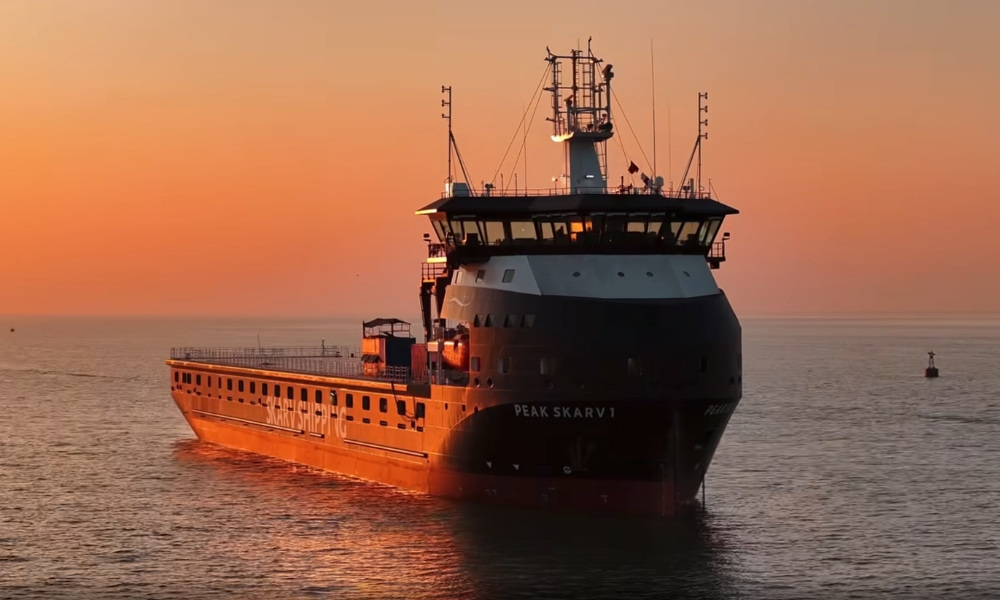

“PEAK SKARV 1”, the first newbuilding contracted for Skarv Shipping at Huanghai Shipbuilding in China, includes an optimised engine ready for ammonia or methanol, batteries and...


