
Ammonia
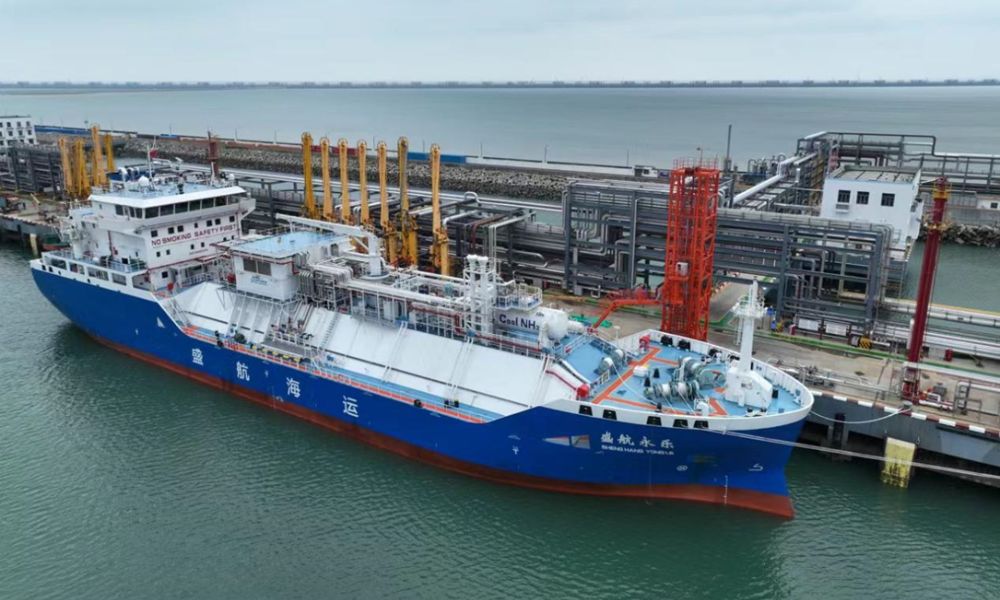
World’s first operational ammonia bunker vessel enters service following conversion
Vessel is now the world’s first operational ammonia bunker vessel and has received the first ammonia bunkering class certificate.

Alternative Fuels
Singapore: Bunker fuel sales down by 4% on year in August 2026
4.77 million metric tonnes of various marine fuel grades were delivered at the world’s largest bunkering port in August, up from 4.97 million mt recorded during the similar month in 2025, according to MPA.
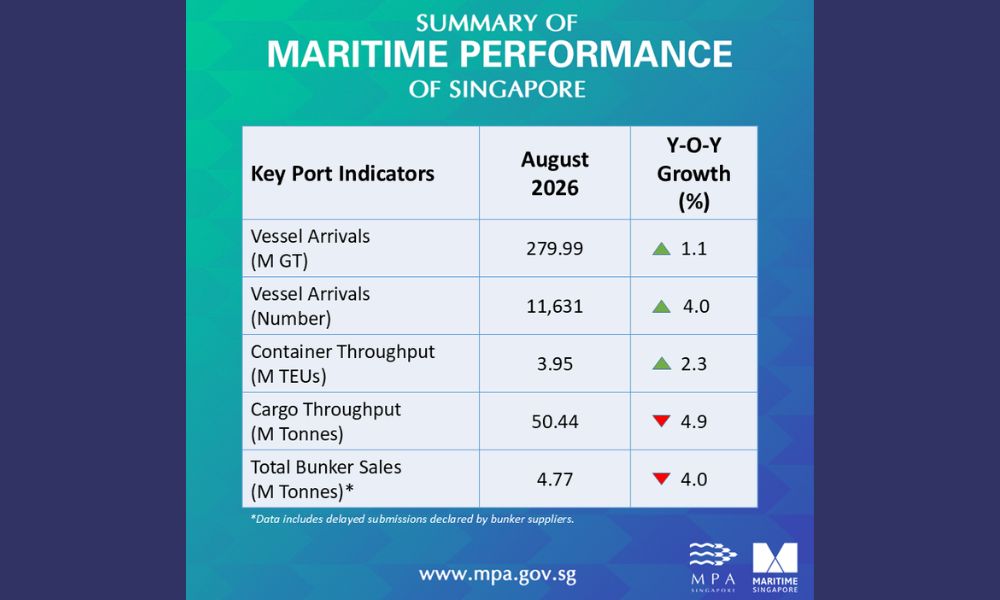
Sales of marine fuel at Singapore port fell by 4% on year in August 2026, according to data from the Maritime and Port Authority of Singapore (MPA).
In total, 4.77 million metric tonnes (mt) (exact 4,772,700 mt) of various marine fuel grades were delivered at the world’s largest bunkering port in August, up from 4.97 million mt (4,965,300 mt) recorded during the similar month in 2025.
Deliveries of marine fuel oil, low sulphur fuel oil, ultra low sulphur fuel oil, marine gas oil and marine diesel oil in August (against on year) recorded respectively 2.1 million mt (11.1% from 1.89 million mt), 2.19 million mt (-12.4% from 2.50 million mt), zero (from zero), zero (-100% from 1,800 mt) and zero (from zero).
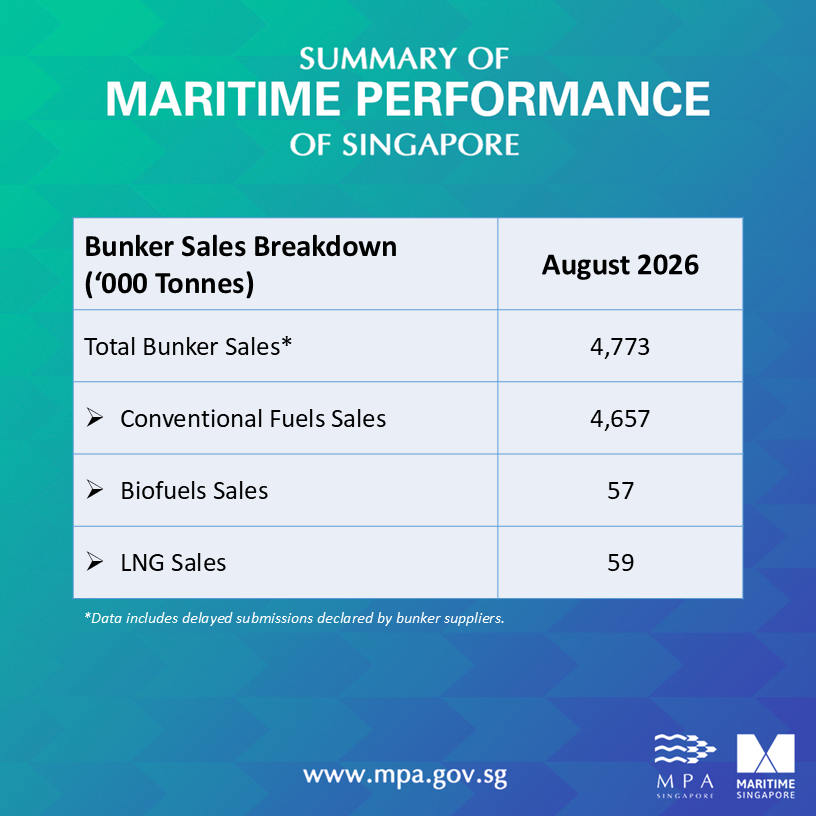
Bio-blended variants of marine fuel oil, low sulphur fuel oil, ultra low sulphur fuel oil, marine gas oil and marine diesel oil in August, (against on year) recorded respectively 8,700 mt (-74.9% from 34,700 mt), 47,900 mt (-48.9% from 93,800 mt), zero (from zero), zero (from zero) and zero (from zero). B100 biofuel bunkers, introduced in February last year, recorded 800 mt (-83.3% from 4,800 mt).
LNG and methanol sales were 58,600 mt (-12.5% from 67,000 mt) and zero (from zero) respectively. There were no recorded sales of ammonia for the month and so far since 2025.
Photo credit: Maritime and Port Authority of Singapore
Published: 15 September, 2026
Ammonia
IMO technical seminar to focus on ammonia production, bunkering and safety
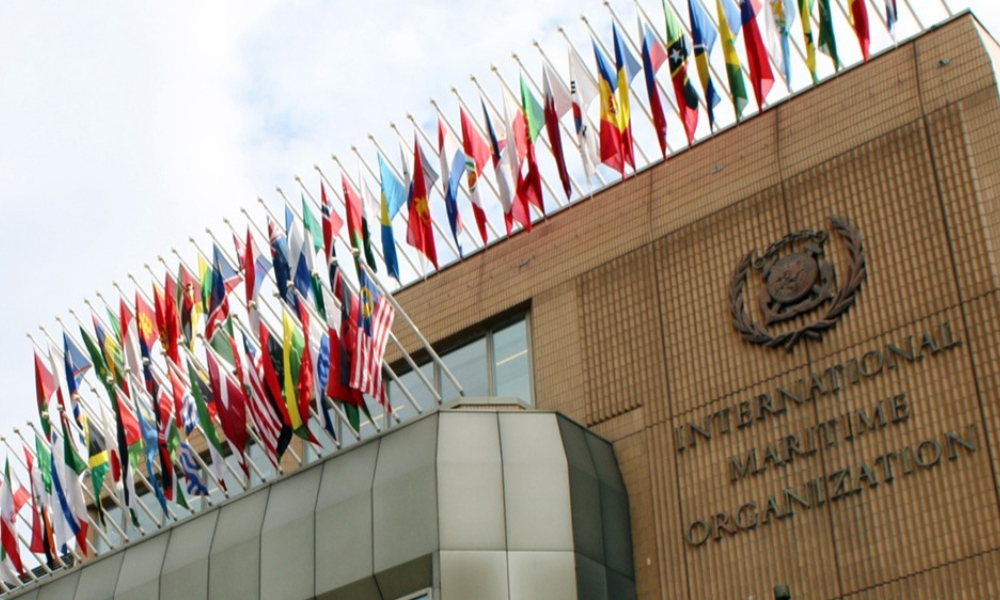
IMO announced its Future Fuels and Technology Project is organising a Technical Seminar on the use of ammonia as marine fuel on 17 September.
Ammonia
Amogy and LOTTE Fine Chemical to explore ammonia bunkering in South Korea
Under a MoU, both will explore supplying ammonia to vessels equipped with Amogy’s Ammonia-to-Power technology, leveraging LFC’s ammonia terminal at Ulsan Port and ship-bunkering capabilities.


OUR INDUSTRY PARTNERS

Singapore: Marine fuel testing firm CCIC Singapore faces winding up application

Singapore: Bunker fuel sales down by 4% on year in August 2026

ABS joins Korean initiative to develop standards for hydrogen-fuelled ships

World’s first operational ammonia bunker vessel enters service following conversion

IBIA Africa update: Algoa Bay remains a missed bunkering opportunity

ENGINE on Fuel Switch Snapshot: Gas supply risks lift Rotterdam’s LNG and LBM

APPEC 2026: Digitalisation in bunkering not merely a ‘paper-to-screen’ swap, states panellists

Rajah & Tann: Bunker disputes are won in the first 48 hours

Malaysia: MMEA detains two vessels over suspected illegal ship-to-ship transfer off Johor

Singapore strengthens LNG bunkering framework with new SS 727 standard

Yang Ming orders six LNG dual-fuel, ammonia-ready containerships from Hanwha Ocean

TFG Marine advances global MFM rollout with two US Gulf bunker barges

Auramarine: Marine fuel flexibility will be key to shipping’s energy transition

Peninsula confirms one fatality, crew member missing from bunker tanker “Hercules Star”
-
 Bunker Claim2 weeks ago
Rajah & Tann: Bunker disputes are won in the first 48 hours
-
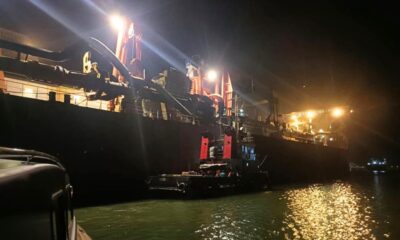 Vessel Arrest2 weeks ago
Malaysia: MMEA detains two vessels over suspected illegal ship-to-ship transfer off Johor
-
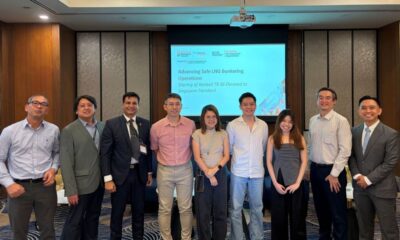 LNG Bunkering2 weeks ago
Singapore strengthens LNG bunkering framework with new SS 727 standard
-
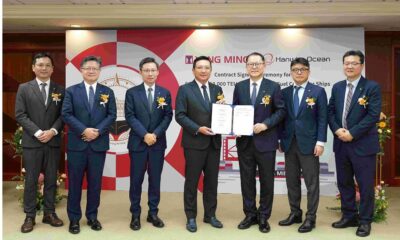 Alternative Fuels2 weeks ago
Yang Ming orders six LNG dual-fuel, ammonia-ready containerships from Hanwha Ocean
-
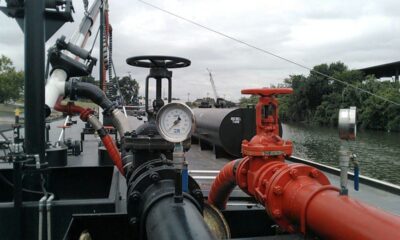 Mass Flowmeter2 weeks ago
TFG Marine advances global MFM rollout with two US Gulf bunker barges
-
 Alternative Fuels1 week ago
Auramarine: Marine fuel flexibility will be key to shipping’s energy transition
-
 Incident5 days ago
Peninsula confirms one fatality, crew member missing from bunker tanker “Hercules Star”
-

 Winding up1 week ago
Singapore: Liquidators of Nan Ho Maritime, Nan Xin Maritime issue notices of dividend