Connect with us

Ammonia

Study: Green ammonia shows ‘promise’ but draws attention to challenges

Findings of University of Manchester study draw attention to a wide range of factors that challenge both its viability and its adoption as a truly “green” option, at least within Paris-compliant timeframes.

Admin

Published

on

RESIZED Chris Pagan

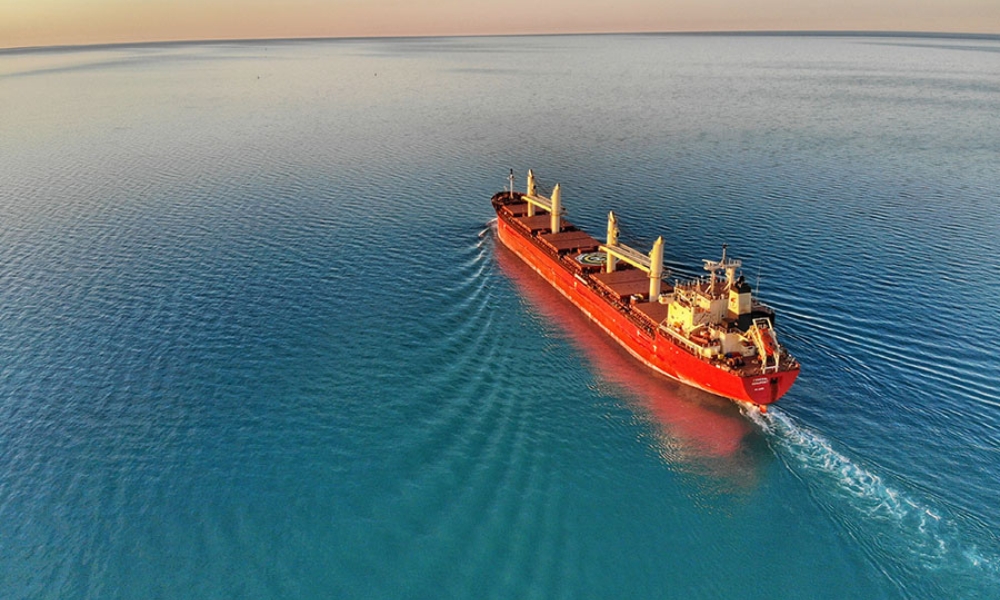
A recently released study by University of Manchester has concluded green ammonia is considered to show promise based on the shipping industry’s experience of storing and transporting ammonia for the global fertiliser industry and recent moves to incorporate dual-fuel engines into the fleet.

However, the findings of the study draw attention to a wide range of factors that challenge both its viability and its adoption as a truly “green” option, at least within Paris-compliant timeframes.

The study, titled Green ammonia adoption in shipping: Opportunities and challenges across the fuel supply chain, said to effectively align with the Paris Agreement’s goal of limiting global warming to 1.5°C by 2050, the international shipping sector must overcome challenges around being first movers in order to transition into using alternative low-carbon fuel.

It also noted that there continues to be uncertainty surrounding the release of the potent GHG N2O from ammonia combustion if used widely in real world conditions, leading to questions around its green credentials. 

“However, it is ammonia’s significant toxicity that leads stakeholders to highlight the importance of implementing new safety regulations to properly protect mariners and the marine environment,” it added.

With an absence of clear policy drivers, coupled with competing demand for green ammonia and hydrogen from other sectors, the study said stakeholders also perceive a range of economic risks impeding its adoption.

“This in turn feeds into the slow build-up of supply chain infrastructure required to mitigate midstream and downstream factors, particularly port storage, handling, and transportation, as well as a reticence to invest in specifically designed alternative fuelled ships.”

With challenges surrounding the adoption of alternative fuels including green ammonia and that they are also sought after by other sectors, the findings therefore point towards a need for the industry to focus other emission mitigation measures in parallel, that can reduce the sector’s overall reliance on liquid fuel.

“Options including slow steaming, wind-propulsion with route optimisation and the plethora of ship efficiency improvements already available, can all curb fuel use, and help to reduce financial risk,” it said.

“And importantly, unlike the fuel options available today, they have a greater chance of realising near-term emission cuts aligned with the IMO’s 2030 and 2040 ‘strive’ targets.”

Note: The study titled ‘Green ammonia adoption in shipping: Opportunities and challenges across the fuel supply chain’ can be found here.


Photo credit: Chris Pagan on Unsplash
Published: 29 October 2024

Continue Reading

Ammonia

EXMAR’s “ANTWERPEN” completes first commercial voyage using ammonia bunker fuel

During its voyage from China to India, the vessel achieved ammonia dual-fuel operation fully in line with our expectations and design, demonstrating that the technology works in commercial service.

Admin

Published

on

By

EXMAR’s “ANTWERPEN” completes first commercial voyage using ammonia bunker fuel

Belgian shipowner EXMAR on Monday (20 July) announced the successful completion of gas carrier ANTWERPEN’s first commercial voyage using ammonia as a marine fuel. 

During its voyage from China to India, the vessel achieved ammonia dual-fuel operation fully in line with our expectations and design, demonstrating that the technology works in commercial service. 

“Together with our partners, we continue to fine-tune the systems as we build on this outstanding achievement. We are proud of our crew for their excellent pioneering work,” the company said in a social media post. 

Developed in close collaboration with HD Hyundai Heavy Industries, WinGD, Nord Gas Solutions (formerly Wärtsilä Gas Solutions), and Lloyd’s Register, ANTWERPEN is capable of carrying up to 46,000 m³ of ammonia or LPG and trading with close to zero emissions when using low-carbon ammonia fuel. 

The vessel meets and exceeds current IMO emissions reduction targets, reducing greenhouse gases by up to 90% compared to conventional ships.

Manifold Times previously reported ANTWERPEN participated in a pipe-to-ship (PTS) ammonia bunkering operation in Ulsan Port.

The operation was carried out by Lotte Fine Chemical Co Ltd with 600 metric tonnes (mt) of green ammonia (NH3) supplied to ANTWERPEN.

Related: South Korea: Ulsan Port achieves ammonia PTS bunkering milestone


Photo credit: EXMAR
Published: 21 July, 2026

Continue Reading

Alternative Fuels

KR, HD Hyundai tap first ammonia dual-fuel sea trial to develop vessel operating standards

Trial generated data on the vessel’s fuel supply system and engine, which will provide a technical foundation for KR’s future development of domestic guidelines for ammonia-fuelled ships.

Admin

Published

on

By

KR, HD Hyundai tap first ammonia dual-fuel sea trial to develop vessel operating standards

Korean Register (KR) on Tuesday (14 July) said it is collaborating with HD Hyundai Heavy Industries (HHI) to establish a domestic operating environment for ammonia-fuelled vessels under the Ministry of Oceans and Fisheries’ Green Shipping Corridor Construction Support Project. 

The initiative supports the development of ammonia as one of the most promising next-generation marine fuels.

HHI recently conducted a sea trial of Korea’s first ammonia dual-fuel propulsion vessel. The trial generated operational data on the vessel’s fuel supply system and engine, which will provide a valuable technical foundation for KR’s future development of domestic guidelines for environmentally friendly vessel operations and supporting wider maritime decarbonisation efforts.

A spokesperson for HD Hyundai, said: “Drawing on our group’s R&D capabilities and on-site technical expertise, we have made meaningful progress in advancing the application of ammonia as a marine fuel. We expect this to help enhance a sustainable maritime ecosystem while strengthening the competitiveness of Korea’s shipbuilding industry.”

Kim Daeheon, Executive Vice President of KR’s R&D Division, added: “The close collaboration between KR and HD Hyundai has enabled us to build the technical foundation for introducing ammonia-fueled vessels in Korea. We will continue to drive national projects forward together with HD Hyundai and establish technical standards befitting the era of Green Shipping Corridors.”


Photo credit: HD Hyundai Heavy Industries
Published: 17 July, 2026

Continue Reading

Bunker Fuel

Singapore: Bunker fuel sales up by 1.6% on year in June 2026

4.67 million mt of various marine fuel grades were delivered at the world’s largest bunkering port in June, up from 4.59 million mt recorded during the similar month in 2025.

Admin

Published

on

By

7

Sales of marine fuel at Singapore port increased by 1.6% on year in June 2026, according to data from the Maritime and Port Authority of Singapore (MPA).

In total, 4.67 million metric tonnes (mt) (exact 4,669,100 mt) of various marine fuel grades were delivered at the world’s largest bunkering port in June, up from 4.59 million mt (4,594,700 mt) recorded during the similar month in 2025.

Deliveries of marine fuel oil, low sulphur fuel oil, ultra low sulphur fuel oil, marine gas oil and marine diesel oil in June (against on year) recorded respectively 2.03 million mt (+19.4% from 1.70 million mt), 2.20 million mt (-4.8% from 2.31 million mt), zero (-100% from 1,900 mt), 1,900 mt (-57.8% from 4,500 mt) and zero (from zero).

Bunker Jun

Bio-blended variants of marine fuel oil, low sulphur fuel oil, ultra low sulphur fuel oil, marine gas oil and marine diesel oil in June, (against on year) recorded respectively 5,300 mt (-86.3% from 38,800 mt), 30,700 mt (-73.1% from 114,300 mt), zero (from zero), zero (from zero) and zero (from zero). B100 biofuel bunkers, introduced in February last year, recorded 1,500 mt (+50% from 1,000 mt). 

LNG and methanol sales were 55,000 mt (-0.72% from 55,400 mt) and zero (from zero) respectively. There were no recorded sales of ammonia for the month and so far since 2025.


Photo credit: Maritime and Port Authority of Singapore
Published: 15 July, 2026

Continue Reading

Trending