
Ammonia
Pilbara Ports and Yara Pilbara ink MoU on low-carbon ammonia bunkering hub
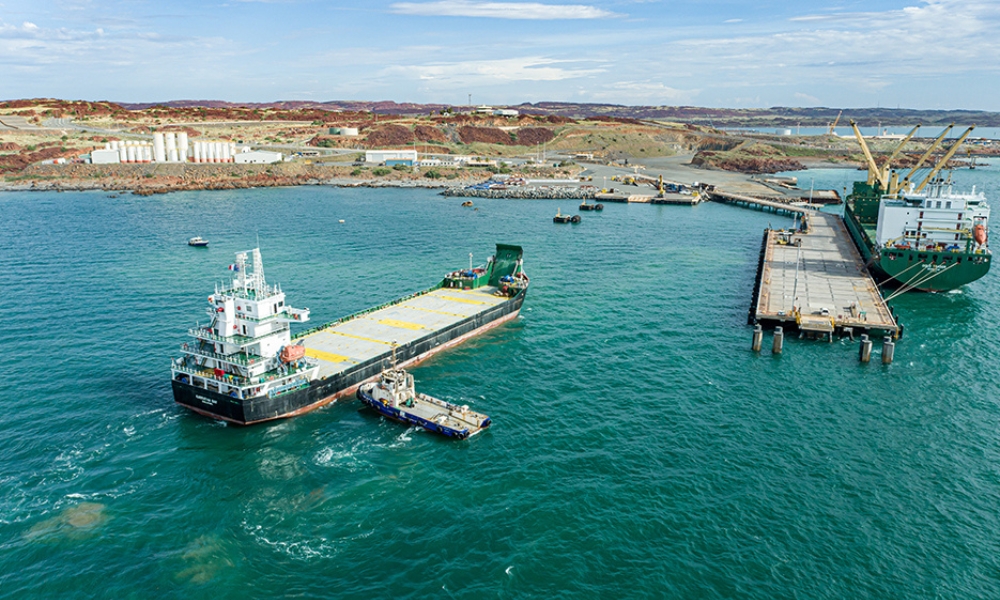
Both agree to work collaboratively on developing a training program in safe ammonia handling and in the planning of necessary bunkering infrastructure at Ports of Dampier and Port of Port Hedand.

Ammonia
EXMAR’s “ANTWERPEN” completes first commercial voyage using ammonia bunker fuel
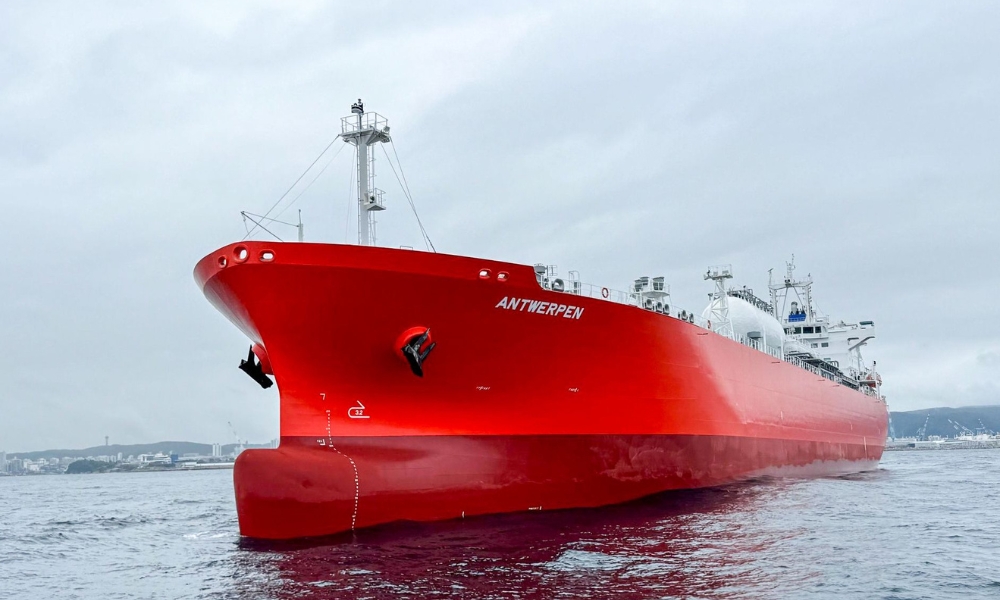
During its voyage from China to India, the vessel achieved ammonia dual-fuel operation fully in line with our expectations and design, demonstrating that the technology works in commercial service.
Alternative Fuels
KR, HD Hyundai tap first ammonia dual-fuel sea trial to develop vessel operating standards
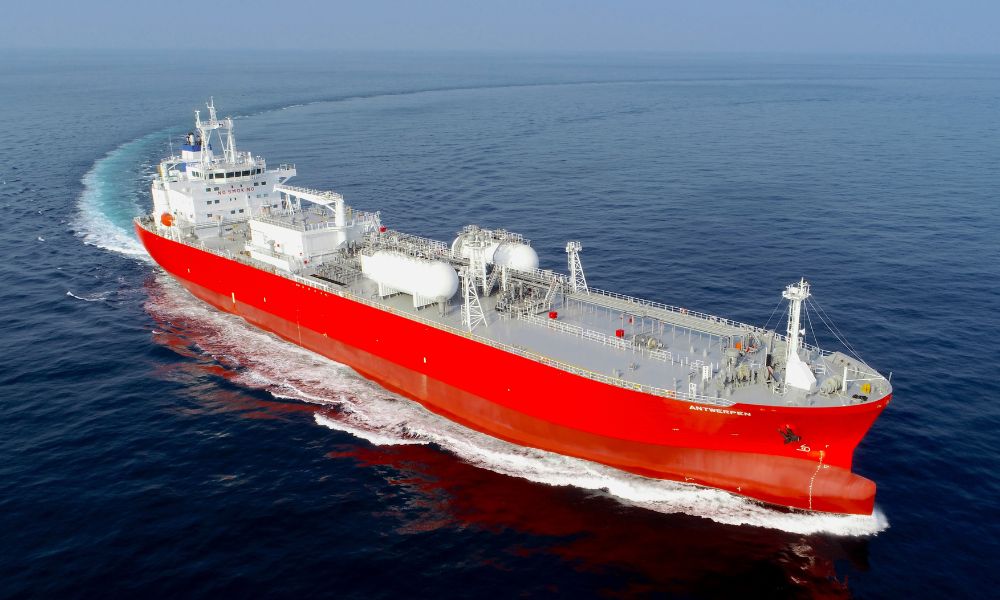
Trial generated data on the vessel’s fuel supply system and engine, which will provide a technical foundation for KR’s future development of domestic guidelines for ammonia-fuelled ships.
Bunker Fuel
Singapore: Bunker fuel sales up by 1.6% on year in June 2026
4.67 million mt of various marine fuel grades were delivered at the world’s largest bunkering port in June, up from 4.59 million mt recorded during the similar month in 2025.
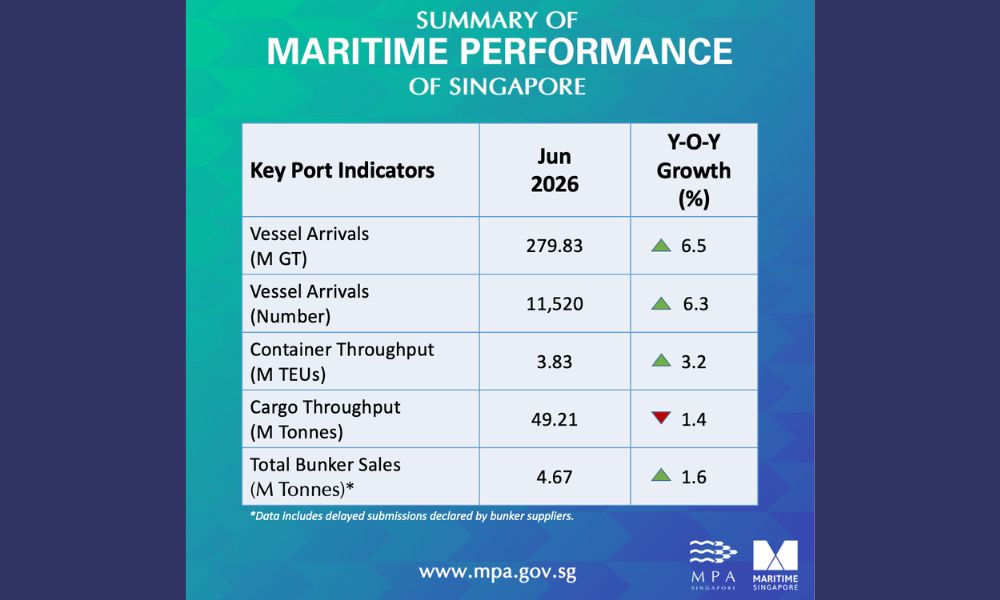
Sales of marine fuel at Singapore port increased by 1.6% on year in June 2026, according to data from the Maritime and Port Authority of Singapore (MPA).
In total, 4.67 million metric tonnes (mt) (exact 4,669,100 mt) of various marine fuel grades were delivered at the world’s largest bunkering port in June, up from 4.59 million mt (4,594,700 mt) recorded during the similar month in 2025.
Deliveries of marine fuel oil, low sulphur fuel oil, ultra low sulphur fuel oil, marine gas oil and marine diesel oil in June (against on year) recorded respectively 2.03 million mt (+19.4% from 1.70 million mt), 2.20 million mt (-4.8% from 2.31 million mt), zero (-100% from 1,900 mt), 1,900 mt (-57.8% from 4,500 mt) and zero (from zero).
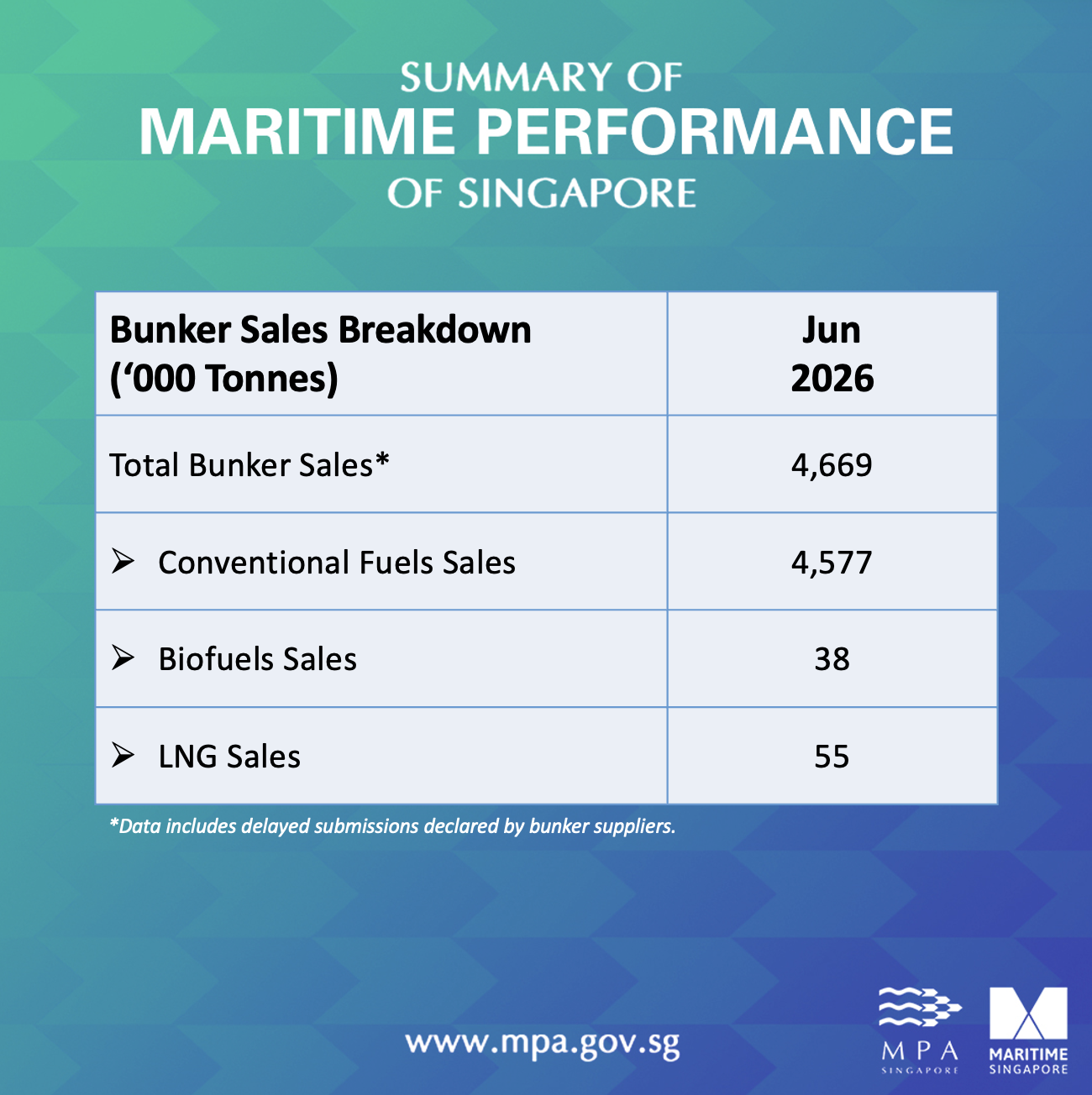
Bio-blended variants of marine fuel oil, low sulphur fuel oil, ultra low sulphur fuel oil, marine gas oil and marine diesel oil in June, (against on year) recorded respectively 5,300 mt (-86.3% from 38,800 mt), 30,700 mt (-73.1% from 114,300 mt), zero (from zero), zero (from zero) and zero (from zero). B100 biofuel bunkers, introduced in February last year, recorded 1,500 mt (+50% from 1,000 mt).
LNG and methanol sales were 55,000 mt (-0.72% from 55,400 mt) and zero (from zero) respectively. There were no recorded sales of ammonia for the month and so far since 2025.
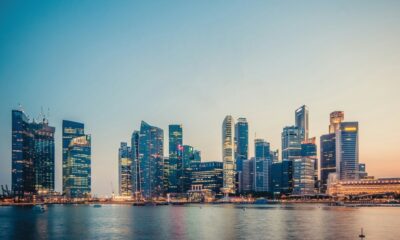
Photo credit: Maritime and Port Authority of Singapore
Published: 15 July, 2026

OUR INDUSTRY PARTNERS

Singapore withdraws remaining 127 charges against Hin Leong founder OK Lim

Singapore: Coastal Logistics Pte Ltd to be wound up voluntarily

PIL’s LNG dual-fuel boxship “Kota Elok” arrives in Singapore on maiden call

CIMC SOE secures order for 12,000-cbm LNG bunkering vessel from Sinopec Clean Energy

ABS awards AiP to Korean institute for SMR-powered container ship concept design

EXMAR’s “ANTWERPEN” completes first commercial voyage using ammonia bunker fuel

ENGINE on Fuel Switch Snapshot: LSMGO surges to greater premium over biofuel

US reinstates Iran oil sanctions, orders wind-down by 17 July

ENGINE: East of Suez Fuel Availability Outlook (7 July 2026)

ENGINE: Europe and Africa Fuel Availability Outlook (8 July 2026)

Malaysia: Maharani Freeport to implement MFM and e-BDN technologies for enhanced bunkering transparency

Evergreen Marine director questioned, offices searched in Taiwan insider trading probe

Singapore retains world’s leading maritime centre ranking in 2026 ISCD Index

Russian court orders marine fuel supplier Transbunker assets transferred to state
-
 Sanctions2 weeks ago
US reinstates Iran oil sanctions, orders wind-down by 17 July
-
 Bunker Fuel Availability2 weeks ago
ENGINE: East of Suez Fuel Availability Outlook (7 July 2026)
-
 Bunker Fuel Availability2 weeks ago
ENGINE: Europe and Africa Fuel Availability Outlook (8 July 2026)
-
 Technology7 days ago
Malaysia: Maharani Freeport to implement MFM and e-BDN technologies for enhanced bunkering transparency
-
 Legal2 weeks ago
Evergreen Marine director questioned, offices searched in Taiwan insider trading probe
-
 Business2 weeks ago
Singapore retains world’s leading maritime centre ranking in 2026 ISCD Index
-
 Legal2 weeks ago
Russian court orders marine fuel supplier Transbunker assets transferred to state
-

 Lubricants2 weeks ago
VPS on longer drains, lower cost: The role of oil analysis of synthetic engine oils