
Alternative Fuels
CSA launches Singapore’s largest electric supply boat, lays keel of fully electric tug
These electric vessels are amongst the first and largest local electric harbour craft designed for operations in Singapore’s waters, says Coastal Sustainability Alliance, led by Kuok Maritime Group.

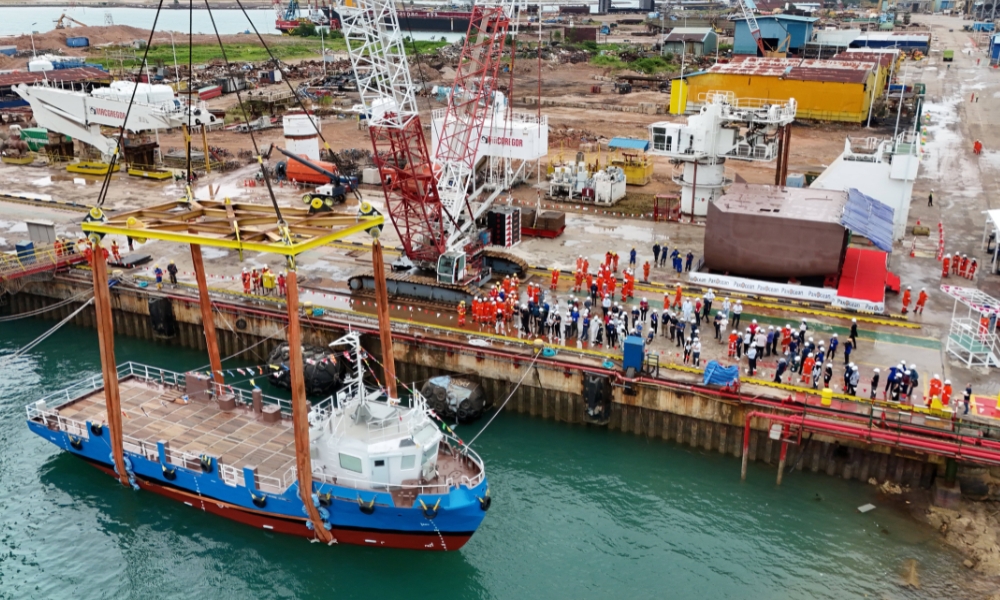
The Coastal Sustainability Alliance (CSA), an industry collaborative effort led by Kuok Maritime Group (KMG), on Wednesday (5 February) marked a significant achievement with the launch of its first fully electric supply boat (e-supply boat) from shipyard to water and keel lay of its first fully electric tug at PaxOcean Batam.
CSA said these electric vessels are amongst the first and largest local electric harbour craft designed for operations in Singapore’s waters. The e-supply boat is launched ahead of the nation’s goal for all new harbour craft to be fully electric or compatible with net-zero fuels by 2030.
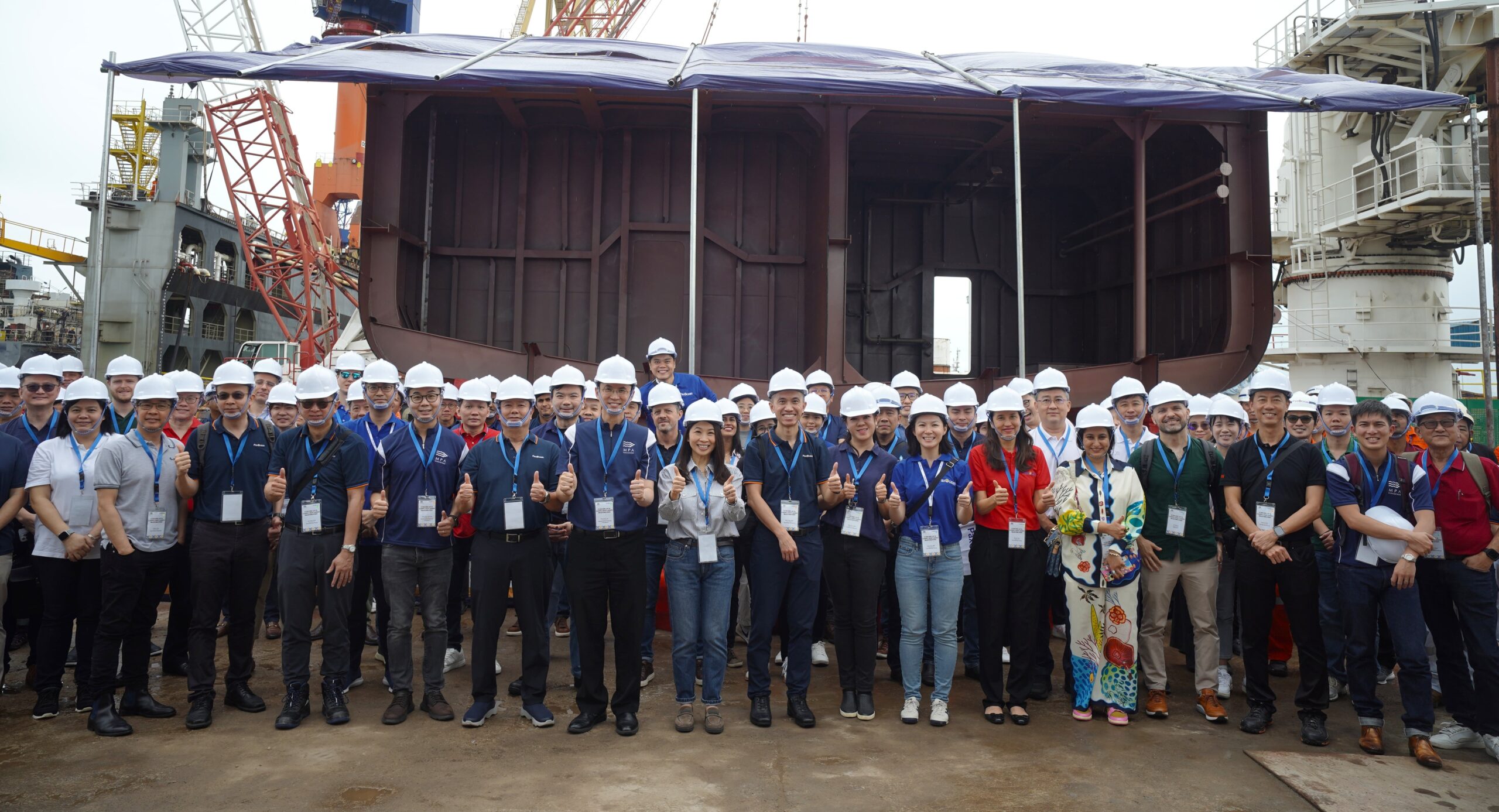
Mr Tan Thai Yong, Managing Director and CEO, PaxOcean Group and Chairperson, CSA, said: “The launch of the PXO-EXL-1 e-supply boat is a testament to our commitment to decarbonising Singapore’s coastal logistics ecosystem. This vessel demonstrates what CSA can achieve when industry players, researchers, and regulators come together to innovate and collaborate. Together with the keel lay of the PXO-ACE-1 electric tug, these milestones bring us closer to achieving a green and operationally efficient maritime sector.”
Mr Kenneth Lim, Assistant Chief Executive (Industry & Transformation), Maritime and Port Authority of Singapore (MPA), said: “Today, we witness the fruits of industry and researchers’ partnerships and collaboration in driving maritime decarbonisation, and advancing energy efficient solutions for Maritime Singapore. MPA is glad to celebrate the launch of Coastal Sustainability Alliance (CSA)’s first fully electric supply boat and the keel lay of the electric tug, and is committed to working with industry partners like CSA to achieve Singapore’s sustainability and decarbonisation goals.”
The PXO-EXL-1 Electric Supply Boat is capable of cruising at 8 knots in zero-emission operations while maintaining operational reliability. Coupled with an efficient hull design and operationally efficient marine logistics, the vessel can achieve 60% energy savings over a conventional lighter making multiple trips, providing significant costs and carbon emissions reduction for the industry.
Supported under the MPA Maritime Innovation and Technology Fund, the 50T bollard pull PXOACE-1 electric tug incorporates advanced technologies for propulsion, energy storage, and battery management systems. The product development is supported by digital twin models with research collaborators to enhance confidence in an electric tug to meet operational requirements within the Port of Singapore. The tug will be future fuel-ready for zero-carbon fuels.
The CSA will bring together international shipping agencies to explore offtaking arrangements and trial the electric supply boat in the second half of 2025, while the construction of the electric tug is slated to be completed in the first quarter of 2026.
Photo credit: PaxOcean and Kuok Maritime Group
Published: 6 February, 2025
LNG Bunkering
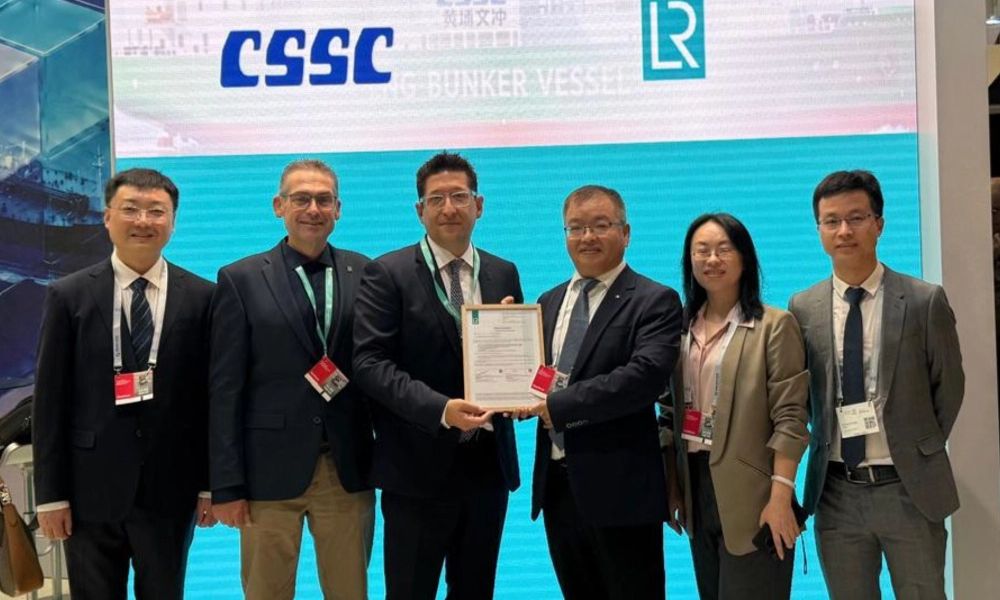
LR awards AiP to CSSC Huangpu Wenchong for 12,500 m³ LNG bunker vessel design
Vessel design incorporates Type C LNG cargo tanks and has been evaluated against a range of class notations covering gas operations, automation, environmental performance and cyber resilience.
Alternative Fuels
DNV at SMM: Chinese shipbuilders, European owners seek closer ties on alternative bunker fuels
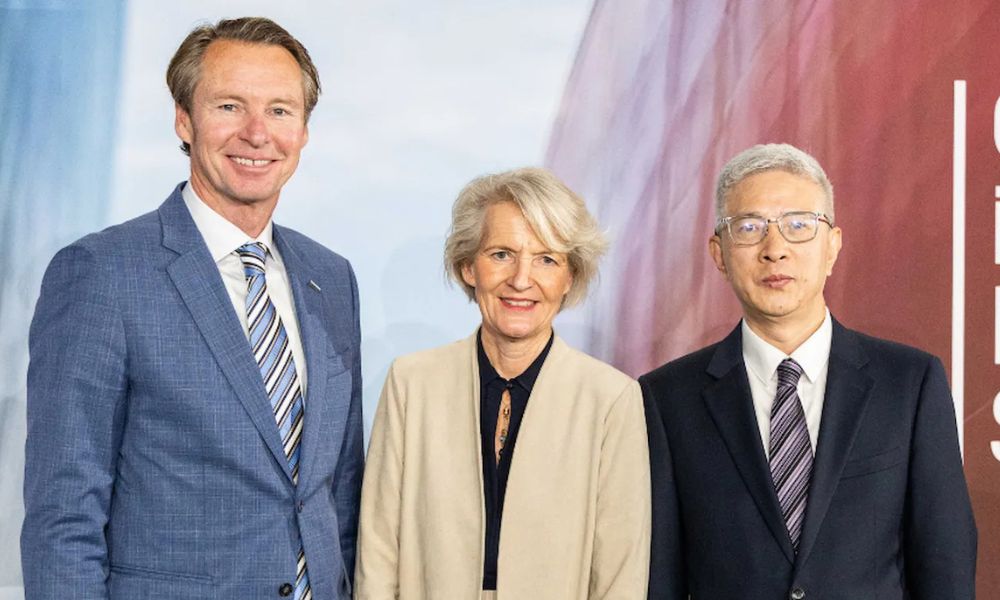
Chinese shipbuilders and European shipowners called for closer collaboration on vessel development, alternative fuels and digitalization during the inaugural China-Europe Maritime Summit at SMM 2026.
Alternative Fuels
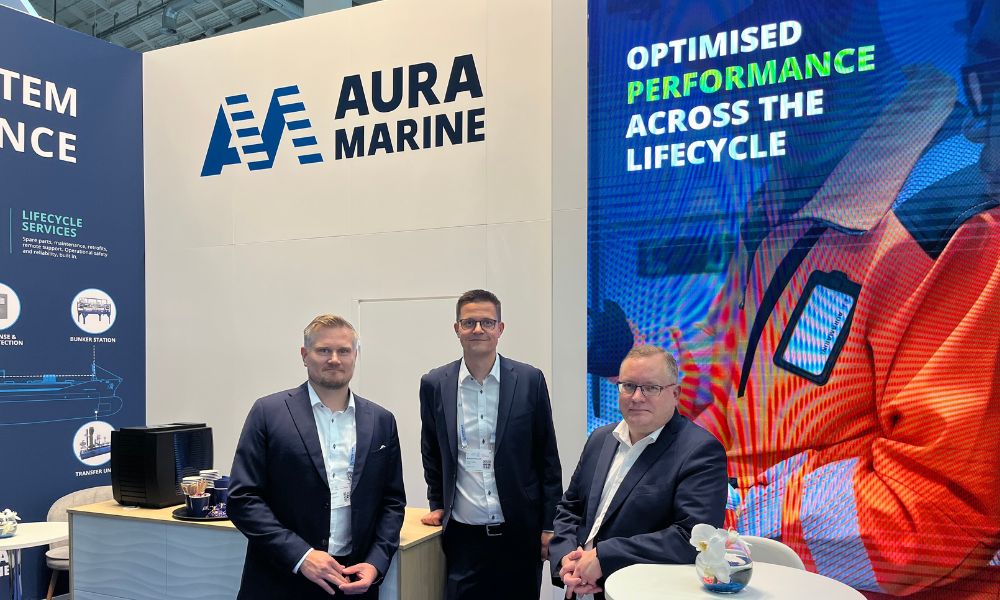
Auramarine: Marine fuel flexibility will be key to shipping’s energy transition
Operators who adapt best will be the ones who built in the flexibility to their marine fuel strategy to respond as conditions change, says CEO John Bergman.

OUR INDUSTRY PARTNERS

UCL on ISWG-GHG 22: Majority back GHG pricing, centralised fund in IMO NZF talks

LR awards AiP to CSSC Huangpu Wenchong for 12,500 m³ LNG bunker vessel design

DNV at SMM: Chinese shipbuilders, European owners seek closer ties on alternative bunker fuels

Auramarine: Marine fuel flexibility will be key to shipping’s energy transition

Yang Ming orders six LNG dual-fuel, ammonia-ready containerships from Hanwha Ocean

LR, China’s MARIC unveil tanker concept ready for three future bunker fuels

DNV: Alternative-fuelled vessel orders hit highest monthly level since October 2024

Singapore-flagged tugboat “Kim Heng 3203” placed under Sheriff’s arrest

US targets five bunker companies in latest sanctions campaign against Iran

Singapore bunkering community supports Living Hope Evangelism’s 7th anniversary outreach for residents in need

China’s bunker market reshaped by tax rebates, trade flows and refining changes, says economist

Hengli Petrochemical’s ex-Singapore trading arm faces winding up application

Rajah & Tann: Bunker disputes are won in the first 48 hours

Report: GCMD outlines practical approach to quantity assurance in marine biofuel supply chains
-
 Vessel Arrest2 weeks ago
Singapore-flagged tugboat “Kim Heng 3203” placed under Sheriff’s arrest
-
 Sanctions2 weeks ago
US targets five bunker companies in latest sanctions campaign against Iran
-
 Events2 weeks ago
Singapore bunkering community supports Living Hope Evangelism’s 7th anniversary outreach for residents in need
-
 Interview1 week ago
China’s bunker market reshaped by tax rebates, trade flows and refining changes, says economist
-
 Winding up2 weeks ago
Hengli Petrochemical’s ex-Singapore trading arm faces winding up application
-
 Bunker Claim5 days ago
Rajah & Tann: Bunker disputes are won in the first 48 hours
-
 Biofuel2 weeks ago
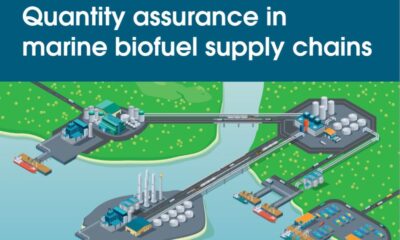
Report: GCMD outlines practical approach to quantity assurance in marine biofuel supply chains
-

 Winding up1 week ago
Singapore: Notices of annual meeting issued for Vroon Shipping Asia and related firms