
Lubricants
Gulf Marine, Workato dive into benefits of automation on marine lubricant supply chain
Both share how automating Gulf Marine’s order-to-payment process has improved the efficiency of its overall operations by ensuring timely delivery of its marine lubricants to support shipping operations.

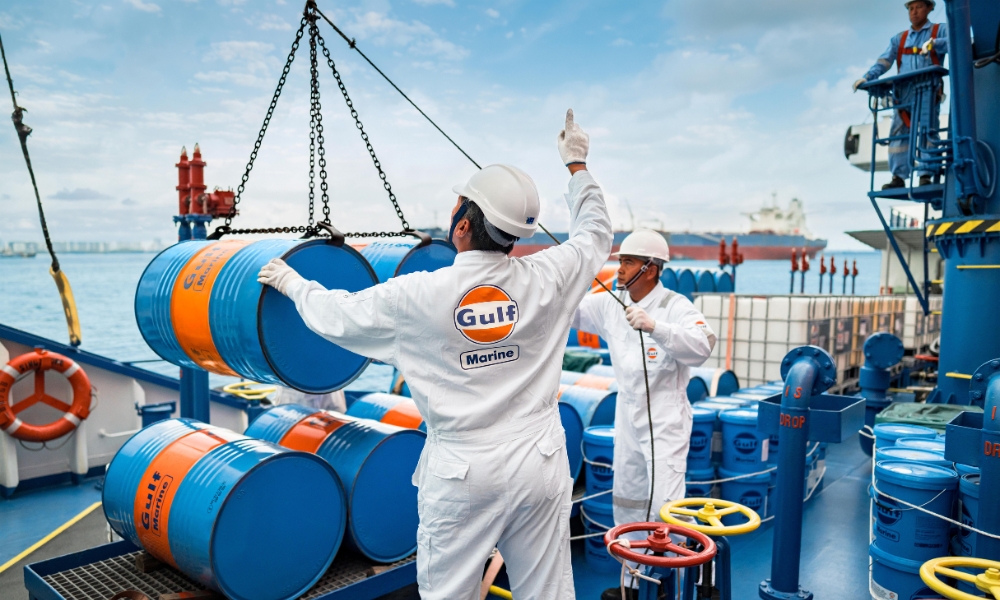
Marine lubricant supplier Gulf Marine and Workato recently shared how automating Gulf Marine’s order-to-payment process has improved the efficiency of its overall operations. This in turn can help the company complete timely delivery of marine lubricants to customers to avoid potential equipment damages:
By David Price, CEO of Gulf Marine and June Lee, General Manager of Workato Asia
As a vital cog in the machine of international trade, the maritime industry requires constant operational oversight to ensure the efficient running of vessels that support global relations. This highly dynamic sector, subject to rapid growth and geopolitical fluctuations, presents several challenges for businesses aiming to scale at a competitive pace.
At the heart of these scaling efforts lies a critical component: lubricant. Ensuring the timely delivery of these vital fluids is paramount for supply chain companies to support shipping operations. However, many in this sector still rely on traditional, manual processes for order placement, inventory tracking, and replenishment. These outdated methods can hinder the expedition of lubricant business operations and create bottlenecks in confirming deal quotations.
To address these challenges and drive efficiency, the maritime industry requires a significant upgrade in its workstreams.
The Challenges of a Complex Supply Chain
Given its intricate nature, the lubricant industry is highly susceptible to supply chain disruptions. Global events, including natural disasters and economic fluctuations, can significantly impact the availability of crucial raw materials like base oils and additives which are components necessary for producing various lubricants. Additionally, seasonal variations, economic cycles, and changes in shipping patterns can lead to unpredictable demand spikes and troughs, complicating the accurate forecast of inventory needs and pricing changes.
Furthermore, the maritime industry at large also faces various logistical challenges, including port congestion, vessel delays, and fluctuating freight costs. These can impact the timely essential planning for delivery of lubricants to vessels while also creating financial repercussions from extended port stays due to delays in refuelling and maintenance. As lubricants come in a wide variety of formulations tailored to specific applications as well, managing such complex permutations requires sophisticated inventory management systems and efficient end-to-end order fulfilment processes.
With the increasing focus on rapid growth in a rapidly expanding economy, companies in the lubricant supply chain must prioritise high standards of customer satisfaction and employee experience. To achieve this balance, implementing innovative solutions can help mitigate industry challenges and reduce service downtime.
Introducing Digital Transformation
Digital transformation is no longer a luxury but rather a business imperative. By embracing digital technologies, companies can improve their operational efficiency and enhance customer experiences to stay competitive in today’s fast-paced digital age.
Solutions such as automation are being integrated to help companies achieve tangible benefits such as cost savings, and improved turnover rates across numerous internal teams. By automating highly dynamic and manual processes such as barge planning or product pricing, businesses can streamline workflows, reduce application switching, and access critical data promptly, eliminating time-consuming manual tasks across disparate systems. This helps companies reduce manual efforts and improves both customers’ and employee’s experiences by accelerating service response times.
Automation ensures data accuracy and consistency across all enterprise applications and data integrations, reducing the risk of errors and minimising costly mistakes. By automating repetitive tasks, businesses can significantly reduce operational costs and improve overall efficiency. Furthermore, automation platforms help generate valuable data that can be analysed to predict trends, optimise processes, and offer insights for more informed decision-making processes.
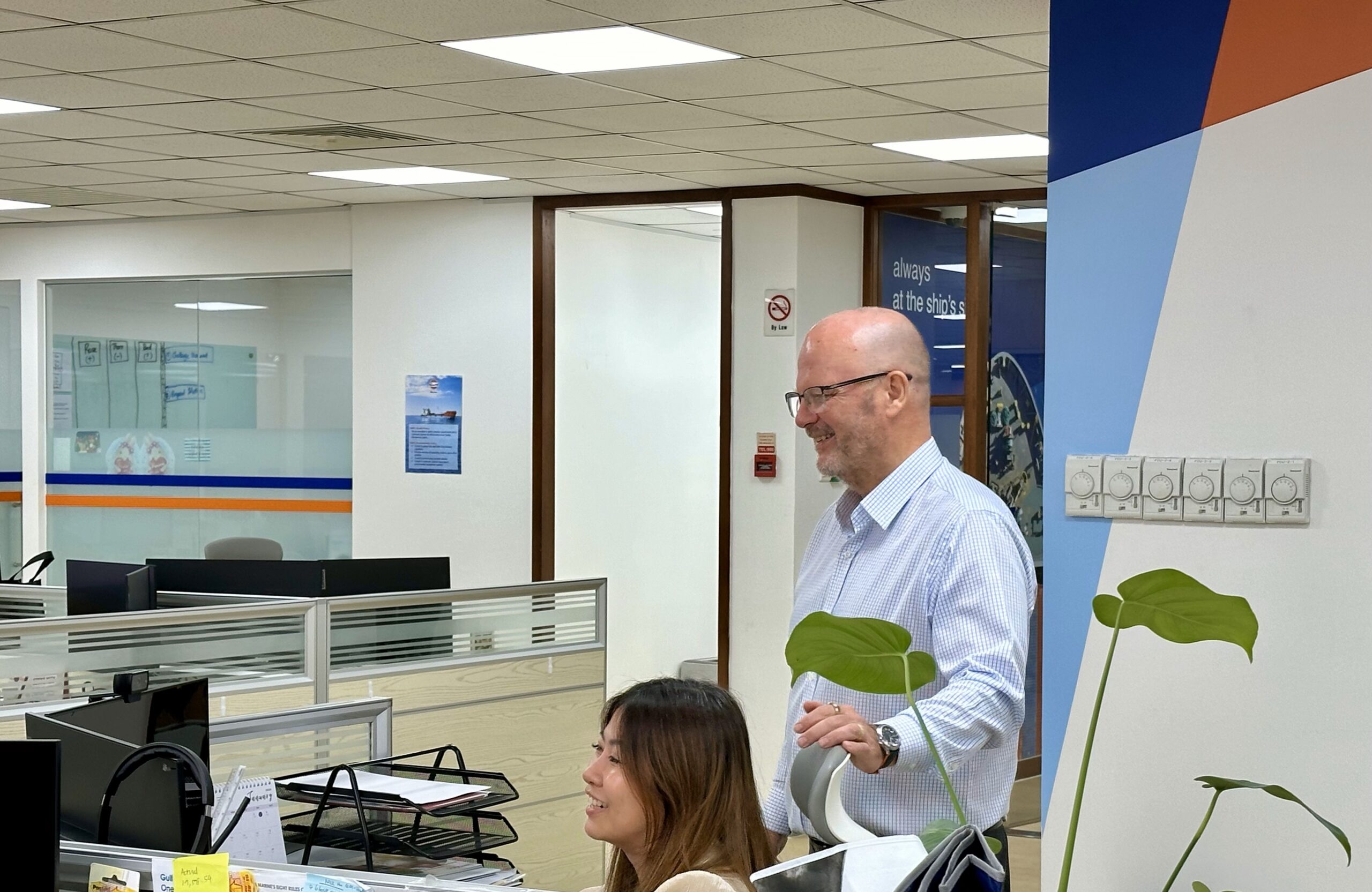
David Price, CEO of Gulf Marine
Embracing Automation and the Pursuit of Efficiency
As automation reshapes the lubricant supply chain and shipping industry as a whole, it is essential to include it within workforce development. Automation isn’t about replacing workers – it is about empowering them to do more with less. By investing in employee training, companies can future-proof their workforce. With employees trained to utilise automation tools and data analysis techniques, companies can equip their workforce to streamline processes, identify opportunities for improvement, and make data-driven decisions that drive business growth.
By relieving employees of repetitive tasks, automation solutions allow workers to shift their focus to higher-level problem-solving and critical thinking. This enables them to address more complex industry challenges, such as optimising supply chain logistics, improving product quality, and developing innovative solutions to meet evolving customer needs. By fostering a culture of innovation and adaptability, businesses can empower their workforce to embrace change and drive continuous improvement.
Moreover, by orchestrating workstreams through automation, businesses can create a more responsive organisation. This enables them to quickly adapt to market shifts, customer demands, and unpredictable factors that could impact vessel delivery routes. For instance, Gulf Marine was able to streamline manual business processes by integrating Workato’s integration platform, saving more than 2,100 hours per month on activities such as pricing quotations and barge planning.
By building a strong foundation of automation and an appetite for implementing technological innovations, businesses like Gulf Marine can position themselves for success by becoming more agile and future-forward in this dynamic maritime industry.
Preparing for a New Horizon
Through leveraging automation and investing in employee training, maritime industry players can optimise their lubricant supply chain, reduce costs, improve operational efficiency, and mitigate risks, positioning their businesses for long-term success in a dynamic and competitive market.
Collaborations with innovative technology solution providers can not only address pressing business priorities, but also enhance the overall competitiveness of businesses. This is vital as companies in the maritime industry seek to evolve to be future-ready, and automation continues to be a critical enabler of global supply chain resilience, empowering businesses to adapt to disruptions and optimise operations.
Photo credit: Gulf Marine
Published: 27 January, 2025
Lubricants
Verde Marine Energy expands beyond bunker fuels into marine lubricants
As part of this development, Patrick Koers will join the Verde Marine Energy team as Lubricant Trader and will be responsible for developing and managing the lubricant activities within the company.
Lubricants
Lube Synergy becomes official authorised distributor and channel partner of Petronas Lubricants International
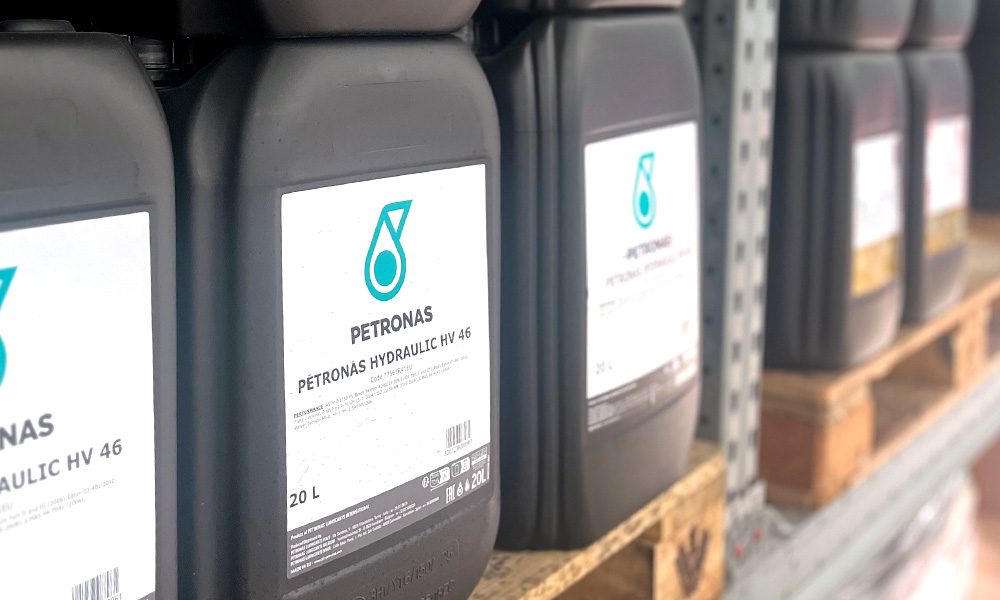
Authorisation covers the marketing, sale, storage and delivery of Petronas marine lubricant products, including but not limited to marine engine oils, hydraulic oils, gear oils, compressor oils and greases.
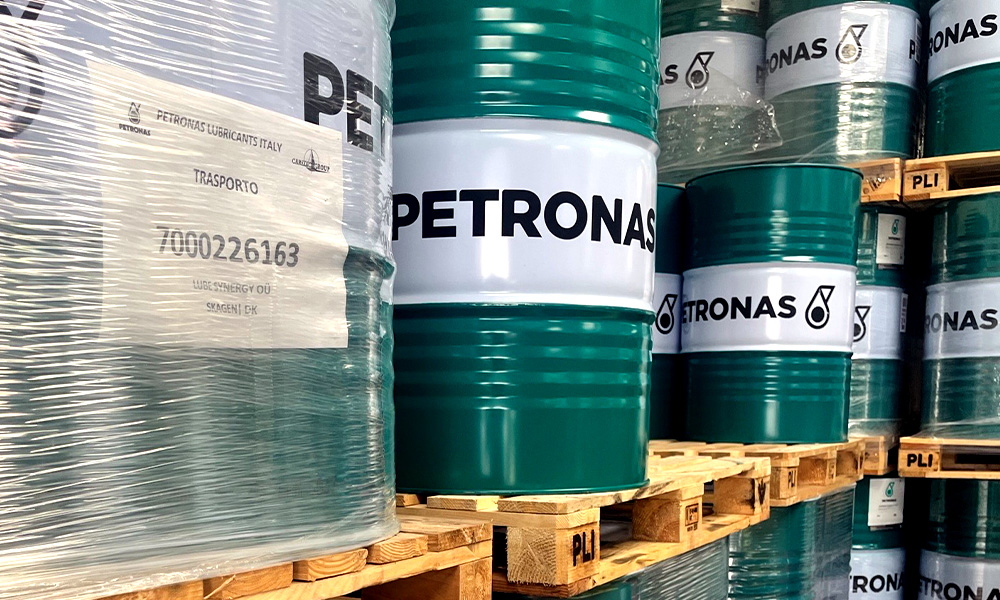
Independent European marine lubricants supplier Lube Synergy OÜ on 16 July became an authorised distributor and channel partner of Petronas Lubricants International for the supply and distribution of its marine engine lubricants and related secondary products, learned Manifold Times.
The authorisation covers the marketing, sale, storage and delivery of Petronas marine lubricant products, including but not limited to marine engine oils, hydraulic oils, gear oils, compressor oils and greases, to vessels operating within the designated ports and marine service locations: which includes:
- Spain
- Denmark
- Panama
- Egypt
- Netherlands/Belgium/Germany
- Las Palmas (Canary Islands)
- Togo
- South Africa
“We are honoured and deeply appreciative to have been selected as an official authorised distributor and channel partner of Petronas marine engine lubricants,” Aleksandr Antonov, General Manager, Lube Synergy, told the bunkering publication.
“This appointment reflects the confidence placed in Lube Synergy’s capabilities, service standards and commitment to supporting vessel operators with reliable, high-quality lubrication solutions across key marine markets.
“We look forward to working closely with Petronas Lubricants International to deliver value, responsiveness and technical support to our customers and grow the business.”
Interested parties may contact Lube Synergy below:
Aleksandr Antonov
Genera Manager / Lube Synergy OÜ
Phone: +372 5344 9690
Email: [email protected]
Website: www.lubesynergy.com
Photo credit: Lube Synergy
Published: 29 July 2026
Lubricants
VPS on longer drains, lower cost: The role of oil analysis of synthetic engine oils
With synthetic engine oils playing an increasingly important role in marine operations, Joe Star of VPS, said the key to unlocking the full value of synthetic lubricants is condition-based oil analysis.
With synthetic engine oils playing an increasingly important role in modern machinery and marine operations, Joe Star, Strategic Account Manager of marine fuels testing company VPS on Tuesday (7 July), said the key to unlocking the full value of synthetic lubricants is condition-based oil analysis:
A Demanding Environment
Across the United States, many vessels operating offshore and across the country’s inland water ways are powered by high-speed engines. These engines provide one of the most demanding lubrication environments for engine oils to manage.
Engines frequently run at high loads, switching between long periods of continuous operation and shorter stints alternating between idling, standby and high loads during manoeuvring.
Such load changes, temperature variations and extreme conditions, along with the unique operating profile, vessels encounter, place extreme stress on engine oils. This results in leading Equipment Manufacturer’s (OEM’s) typically recommending drain intervals averaging only 250 operating hours. As a consequence, operators regularly assess the use of synthetic based oils, given the performance and commercial benefits that can be realised based upon extended drain intervals.
Whilst synthetic oils offer clear and significant performance advantages, the successful adoption and monetisation of a higher unit cost base product, depends upon implementing a structured and effective oil analysis program.
The Synthetic Difference
As engine designs, pressures and temperatures have continued to evolve to keep pace with fuel efficiency needs and requirements, a similar situation has evolved across lubricating oils. With higher pressures and temperatures, the stress on the oil has never been greater. Requiring sufficient viscosity, stability, oxidation control and wear protection capabilities, to be prioritised by lubricant formulators.
Synthetic oils are typically granted a longer drain interval by the equipment manufacturer (OEM) and are proven to be able to achieve this due to their high Viscosity Index (VI) capabilities and the largely uniform molecular structure when compared to mineral oils.
In mineral-based oils, molecules can vary in size and shape, leading to inconsistent lubrication and film creation and most importantly can exhibit a quicker breakdown under heat and increased rate of oxidation. This leads to the low 250 operating hour drain interval, typically recommended in operation.
In theory, Synthetic oils have been proven to be able to significantly extend drain intervals to more than 5-6 times the OEM recommended mineral equivalent, with no performance or reliability issues. However, monetising and ensuring that this is completed, requires a mindset shift from scheduled drain intervals to a condition-based approach based upon routine oil analysis. Adjusting and extending drain intervals can mitigate the most common issue which challenges this practice, which is external contamination in the form of fuel dilution or water ingress.
External Contamination and Fuel Dilution
Due to the operational nature of many vessels which use high-speed engines as a primary source of propulsion, fuel dilution and water ingress are some of the most common occurrences of external contamination, limiting the lifespan of lubricants within engines.
Through leveraging VPS’ MyLubes digital application, extracting results reported so far in 2026, it can be seen that approximately 26% of all high-speed engine oil analysis, in which distillate fuels were in operation, were reported as either a caution or an alert against relevant limits.
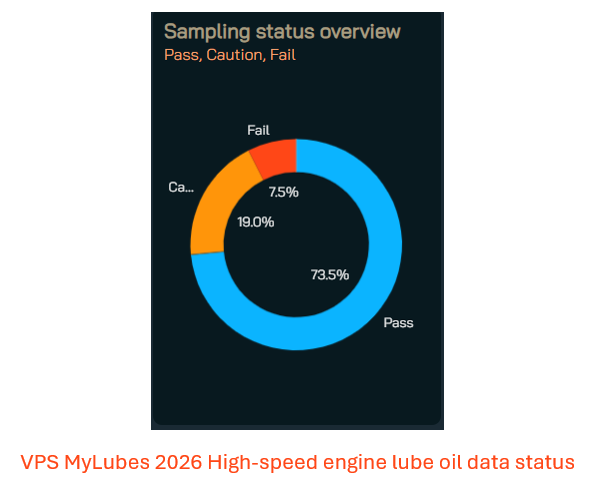
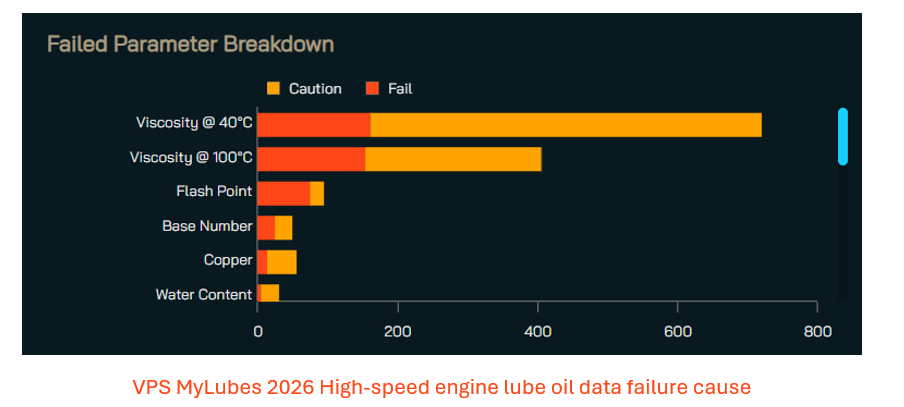
70% of the cautions and failures reported were through a combination of Viscosity, Flash Point or Base Number; highlighting the fuel and lubricant interaction; as Viscosity failures covered both elevated and lower Viscosity values. Elevated viscosity being a sign of oxidation and lower viscosity indicating fuel dilution respectively.
Fuel dilution is when fuel enters the crankcase or sump and mixes with the engine oil in the system. Typically, it is distillate fuel (Marine Gas Oil) which is the fuel choice for these engines.
Vessel’s that are more susceptible to fuel dilution are vessels which operate on frequent start-stop cycles, prolonged idling and low-load operation, where operational profiles require short bursts of high load, this can promote fuel ingress into the lubricating oil.
Critically, when looking to maximise lubricant lifespan, VPS data shows that approximately 23% of caution/failed high-speed engine oil analysis results are due to fuel dilution, highlighting that in these instances, either mineral or synthetic based lubricants are not being maximised.
Fuel dilution has a direct impact on overall lubricant performance, notably:
- Viscosity reduction, leading to increased metal to metal contact
- Reduced flashpoint, leading to safety risks and onboard management requirements
- Accelerated lubricant degradation and corrosion, leading to reduced component lifespan
Mineral and Synthetic based oils are both equally susceptible to fuel dilution occurring. In addition there are financial considerations to manage fuel dilution when Synthetic products are in place, due to the increased unit cost. Ensuring prompt detection and resolution is the most effective tool to effectively minimise the real-world impact of fuel dilution on lubrication strategies.
Monetising a more costly lubricant
Whilst typical mineral based engine oils drain intervals are approximately 250-500 hours, depending upon the engine make and model, synthetic oils have been able to extend drain intervals to over 2000 hours. The benefit to operators is clear on paper, with synthetic oils typically costing 2-3 times more than mineral equivalents. Provided drain intervals are extended beyond 3 times the mineral equivalent, a significant budget saving can be achieved by the operator.
Notably this creates a shift in operating mentality, moving from a time-based approach to a condition-based assessment of oil quality; meaning that a robust oil analysis programme and sampling interval becomes more important, not less.
In addition to providing the most effective early warning with regards to fuel dilution and contamination, a robust Oil Condition Monitoring (OCM) programme is the critical enabler to safely and reliably extending drain intervals with synthetic, or mineral based engine oils.
At a high level, based upon operational experience, VPS’s core recommendations for an effective programme to support extended drains include:
- Sampling intervals at least twice per drain cycle: Increasing frequency if fuel dilution is observed, or engines are operated at low loads for extended periods
- In practice, sampling every 200-300 hours is strongly recommended, typically 6-8 times per drain interval for Synthetic lubricants
- Oil samples to be taken following representative running of the engine
- Close monitoring of any deviation of trends, through digital platforms
- Integration of lubricant sampling and data into Maintenance systems
- Assessment of common limiting factors across fleets and engine types
Lowering Cost
Fundamentally, with high-speed diesel engines being the workhorse of inland waterborne transportation and offshore vessels; lubricants will be a critical part of the total system and subsequent operating cost.
Synthetic based products offer a benefit on paper when compared to mineral oils, however if such products are consumed at the same rate as mineral oils, there is no benefit to expenditure, and more money is spent for the same outcome.
Drain intervals can only be safely extended, and subsequently monetised, through a robust oil analysis programme. In the demanding environment of inland and offshore operations, oil analysis provides more than a measure of lubricant condition; it also delivers valuable insight into the condition of the engine itself. By routinely monitoring oil health, identifying contamination, wear trends and degradation at an early stage, operators can take timely corrective action, protect engine reliability, extend oil life and ultimately reduce operating costs.
Photo credit: VPS
Published: 8 July, 2026

OUR INDUSTRY PARTNERS

Yang Ming orders six LNG dual-fuel, ammonia-ready containerships from Hanwha Ocean

LR, China’s MARIC unveil tanker concept ready for three future bunker fuels

DNV: Alternative-fuelled vessel orders hit highest monthly level since October 2024

TFG Marine advances global MFM rollout with two US Gulf bunker barges

GENA Solutions: Total renewable and low-carbon methanol project pipeline increases from 61.8 to 62.2 Mt by 2032

Baltic Exchange: Bunker Report (3 September 2026)

ENGINE: Americas Fuel Availability Outlook (3 September 2026)

Singapore-flagged tugboat “Kim Heng 3203” placed under Sheriff’s arrest

US targets five bunker companies in latest sanctions campaign against Iran

Singapore bunkering community supports Living Hope Evangelism’s 7th anniversary outreach for residents in need

China’s bunker market reshaped by tax rebates, trade flows and refining changes, says economist

Hengli Petrochemical’s ex-Singapore trading arm faces winding up application

Report: GCMD outlines practical approach to quantity assurance in marine biofuel supply chains

Singapore: Notices of intended dividend issued for Ocean Bunkering Services, Hin Leong Marine
-
 Vessel Arrest1 week ago
Singapore-flagged tugboat “Kim Heng 3203” placed under Sheriff’s arrest
-
 Sanctions1 week ago
US targets five bunker companies in latest sanctions campaign against Iran
-
 Events2 weeks ago
Singapore bunkering community supports Living Hope Evangelism’s 7th anniversary outreach for residents in need
-
 Interview1 week ago
China’s bunker market reshaped by tax rebates, trade flows and refining changes, says economist
-
 Winding up1 week ago
Hengli Petrochemical’s ex-Singapore trading arm faces winding up application
-
 Biofuel1 week ago
Report: GCMD outlines practical approach to quantity assurance in marine biofuel supply chains
-
 Winding up2 weeks ago
Singapore: Notices of intended dividend issued for Ocean Bunkering Services, Hin Leong Marine
-

 Bunker Claim3 days ago
Rajah & Tann: Bunker disputes are won in the first 48 hours