Connect with us

Business

IMO forum discusses energy transition challenges and solutions of the maritime industry

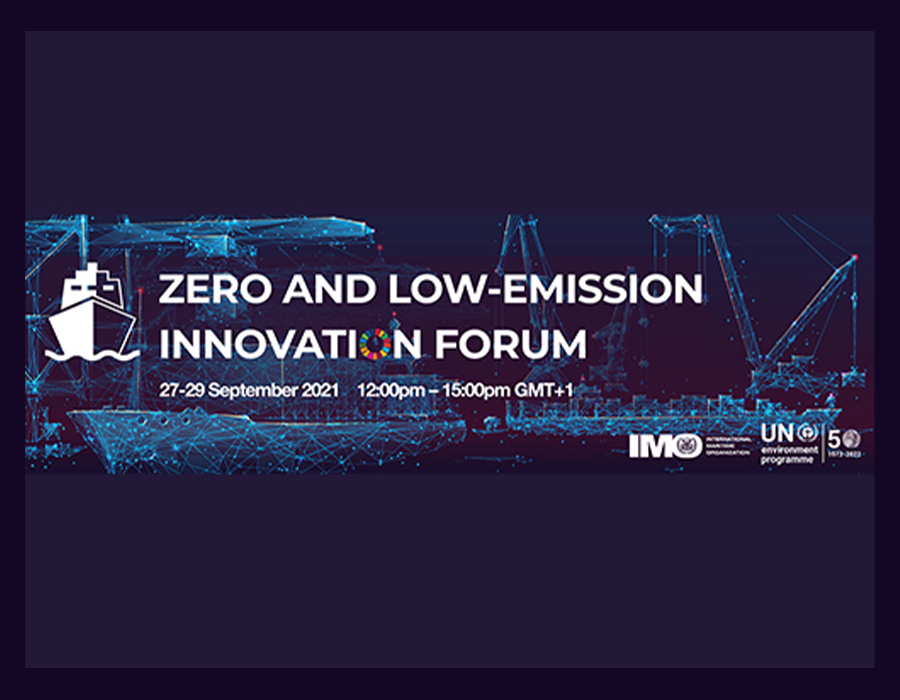
Three-day IMO-UNEP-Norway Zero- and Low Emission Forum event held on 27-29 September and broadcast on UN TV saw over 1,000 participants.

Admin

Published

on

IMO new

The International Maritime Organization (IMO) on Friday (15 October) said it has held a three-day IMO-UNEP-Norway Zero- and Low Emission Forum.

The online event on 27-29 September and broadcast on UN TV, saw over 1,000 participants from across the world exchange best practices, ideas and latest developments with a view to enabling more inclusive maritime innovation towards decarbonisation. 

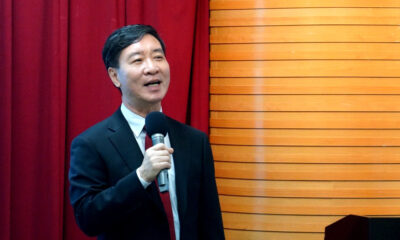
In his opening speech, IMO Secretary-General Kitack Lim said, “The energy transition of the maritime industry will require new technologies, low- and zero- carbon (renewable) alternative fuels and infrastructure to support low- and zero-carbon shipping. Innovation is core to its success. The IMO-UNEP-Norway Zero- and Low-Emission Innovation Forum is a recognition of this need. This is a novel forum to promote further cooperation and exchange of best practices, and to learn from other sectors where a similar transition has taken place on the global scale.”

The IMO Chief of the Department of Partnerships and Projects, Dr. Jose Matheickal said, “IMO is keen to ensure that no Member State is left behind in the journey a low-carbon future. This transition requires global effort with buy in from multiple stakeholders, which is why we are thrilled by the level of interest and participation in this forum as well as the practical steps that emerged from the discussions.”

Topics in the spotlight included novel technologies to reduce GHG emissions in maritime; R&D enabling environment, including financing; ongoing projects; and models of innovation and cooperation which could further foster innovation; as well as examples of North-South and South-South cooperation on R&D. Attendees heard from numerous high-profile speakers, including representatives of Governments, regulators, industry and academics on these topics. Many exchanges took place during the breakout sessions. (See the list of speakers and the programme  here).

Making innovation inclusive

An important focus for the forum addresses the specific needs of developing countries, especially Least Developed Countries (LDCs) and Small Island Developing States (SIDS). An issue that was acknowledged by numerous speakers was a lag between decarbonisation efforts particularly in research and development in developing countries and those in the developed countries.

One solution proposed was to raise awareness of innovation projects, financing opportunities and areas of mutual growth of LDCs and SIDS so that they were not left to re-invent the decarbonisation wheel. The awareness must be on a regional and global scale, in order to take advantage of opportunities while avoiding fragmentation.

Forum discussions highlighted the importance of inclusive innovation. Calling for coordination of key stakeholders across the value chain. Inclusive innovation requires close coordination and cooperation among stakeholders, both in developed and developing countries – particularly SIDS and LDCs.

Some speakers highlighted the coordinated actions to reduce emissions from shipping could be achieved by bringing together the R&D initiatives and R&D centres in developed countries (such as Singapore Global Maritime Decarbonisation Centre, MAERSK Center for Zero-Carbon Shipping) with those in developing regions (such as the Maritime Technology Cooperation Centres -MTCCs a network of regional centres established by IMO under a project funded by the European Union).

Finance was a prominent topic during the forum, with emphasis given to the need to bring onboard the private sector, national banks and International Financial Institutions in a coordinated manner. Not only would it minimize risk but would support the demonstration of appropriate solutions in developing countries, including in LDCs and SIDS.

Many speakers noted the kind of coordination would require innovative financial solutions to underwrite some of the associated risks. It could be achieved through Government support and International Financial Institution interventions, such as blended public and private financing for technology demonstrations, technology diffusion and eventually wider uptake of innovative solutions.

IMO is already operating a number of initiatives in LDCs and SIDS that bridge the knowledge gap with developed nations and spread innovation along the maritime chain. 

The projects include sharing of information on new maritime decarbonisation initiatives using the IMO-Singapore NextGEN portal, knowledge sharing via the network of European-Union-funded MTCCs and the IMO-Norway GreenVoyage2050 Project that assists developing countries to implement low-carbon projects and optimise existing systems and is currently preparing a major pilot project.

The proposed IMO CARES emission reduction project will also support the process, within its preparatory phase actively seeking solutions on how to link North and South R&D efforts, and how to link country needs and ongoing R&D effort, with the inclusion of the financial sector as well.

Funding a global transition

The need for funding streams to facilitate a global transition to low-carbon operations formed an important part of the discussions, with speakers pointing out that funding of pilot projects raises the profile of and reduces risks associated with new technologies. The forum also highlighted the importance of varied sources of funding, going beyond those offered by banks, such as private investment, blended financing and more.

Although funding for decarbonisation projects exists, some attendees warned that it is not prolific enough and may not be visible to LDC and SIDS stakeholders. There may also be issues securing funds when scaling up projects after trial periods. One solution put forward during the forum was to develop a capacity building toolkit on potentially available funding sources offered by International Financial Institutions (IFIs) and other key global initiatives and funds (such as the Global Environment Facility and the Green Climate Fund).

Speakers recognised that maritime innovation is currently considered a niche sector for financial stakeholders, which may be the reason for a limited number of participants in the market. The issue can only be addressed by increasing the profile of maritime technological solutions and building trust, as well as mutual capacity building. 

The trust-building and education on maritime decarbonisation needs and specifics must target the financial sector, with the opportunities in developing countries an important part of the conversation. LDCs and SIDS must also be educated about potential investment and grant availabilities, as well as processes to secure funding.

IMO is already active on its front, together with European Bank for Reconstruction and Development and the World Bank. The group have created the FINSMART Roundtable, to bring together project beneficiary countries, donors and International Financial Institutions, as well as other financial sector representatives to discuss financing risks, opportunities and identify potential financial products, solutions – all with a focus on financing needs of developing countries, LDCs and SIDS.

Some forum speakers highlighted the possibility of incentive schemes and future market-based measures, such as fuel taxes or other forms of carbon dioxide (CO2) pricing, may in future result in an additional funding source for adoption of innovative emission reduction technologies in developing countries, LDCs and SIDS.

Looking forward

A number of practical strategies for the transition to a low- and zero-carbon future emerged during the active discussions. Recommendations included:

  • Joining and connecting the pilot projects and research and development initiatives (in developed and developing regions) and sharing the lessons learned and outcomes;
  • Sharing information and linking maritime decarbonisation initiatives projects using the IMO-Singapore NextGEN portal;
  • Linking R&D Centres in developed countries closer to the regional centres, as well as existing maritime decarbonisation projects in the developed world;
  • Fast-tracking port-linked innovations, as many ports are under national frameworks which may support some immediate buy-ins and investment;
  • Ensuring capacity building of maritime authorities, ports, especially in developing countries, on funding opportunities, potentially available grants and finance options, as well as bankable projects development needs;
  • Educating policy makers, training project leaders with regard to bankable proposal creation, identifying innovation funding in research institutes and engaging with seafarers as technology users;
  • Proposing/developing more IMO pilot projects to include technology demonstrations, including more pilot projects in IMO-implemented GHG-related projects, as well as technology demonstrations; and
  • Arranging further innovation forums to offer a global platform for regular dialogue and exchange of innovation experiences to support the objectives of the initial IMO GHG strategy.

Roadmap to a low carbon future

Forum attendees were keen to widen the audience for the points raised during discussions and further work together to promote inclusive innovation for maritime decarbonisation.

It was suggested that information could be disseminated through IMO. IMO was also seen as the ideal forum to facilitate collaboration and consolidation of the work to spread innovation across the maritime value chain.

More information 

Recordings from the forum can be viewed here: Zero-and Low-Emission Innovation Forum (27-29 September 2021) | UN Web TV 

Speaker presentations from the event can be found here.


Photo credit: International Maritime Organization
Published: 18 October, 2021

Continue Reading

Mass Flowmeter

Hong Kong backs MFM adoption with voluntary scheme to boost bunkering competitiveness

Hong Kong’s Marine Department launched the Quality Bunker Operator Scheme to encourage bunker operators to install and use mass flow meter systems on their bunker vessels.

Admin

Published

on

By

RESIZED EH dual mfm setup

Hong Kong’s Marine Department (MD) on Wednesday (3 June) launched the Quality Bunker Operator Scheme to encourage bunker operators to install and use mass flow meter systems (MFM systems) on their bunker vessels.

MD said the scheme aims to enhance Hong Kong’s bunkering service quality and the competitiveness of Hong Kong ports, thereby further consolidating Hong Kong’s position as an international maritime centre and a major bunkering port.

Under the Scheme, bunker operators of traditional maritime fuel and biodiesel that install and use MFM systems on their bunker vessels, with the MFM systems inspected and certified by an accredited body in accordance with the International Organization for Standardization’s ISO 22192 Standard or equivalent requirements, can apply to the MD for inclusion in the scheme’s “List of Quality Bunker Vessels”, provided they meet the relevant technical and operational requirements. 

Details of the bunker vessels successfully included in the List will be published on a dedicated page on the MD’s website for reference by shipping companies and relevant stakeholders.

Participation in the Scheme is voluntary. In addition to receiving recognition from the MD, participating bunker operators will benefit from enhanced corporate image and competitiveness through the adoption of MFM systems, thereby boosting customers’ confidence and helping to create new business opportunities.

 A spokesman for the MD, said: “As an international maritime centre supported by our country, Hong Kong has a strategic location adjacent to major international fairways. Coupled with years of development in marine fuel bunkering, Hong Kong possesses rich experience and talent in the field. For many years, Hong Kong has consistently ranked as the seventh-largest bunkering port globally, the second-largest in our country, and the largest in the Greater Bay Area, providing reliable and competitive fuel bunkering services to ocean-going vessels from around the world. 

“As the international shipping industry has an increasing demand for accuracy and transparency in bunkering services, service quality and measurement precision in bunkering operations have become important indicators of a bunkering port’s competitiveness. The Scheme will enhance bunkering accuracy and transparency, further enhancing the quality of Hong Kong’s bunkering services.

The spokesman added that comprehensive port services are one of Hong Kong’s key advantages as an international maritime centre.

“We will also mandate the use of MFM systems on all methanol bunker vessels this year to ensure that Hong Kong continues to provide high-quality bunkering services in the era of green maritime fuels.” 

Note: The application form for the Scheme can be found on the MD’s website. Interested bunker operators can download the application form from the website or contact the MD’s Green Maritime Fuel Team via email ([email protected]) for details.


Photo credit: Manifold Times
Published: 4 June, 2026

Continue Reading

Alternative Fuels

MPA and MSC ink MoU to support adoption of alternative bunker fuels

MPA and MSC will explore new routes and services to strengthen connectivity, support the adoption of alternative marine fuels such as bio-LNG, and advance technologies to improve vessel energy efficiency.

Admin

Published

on

By

MPA and MSC ink MoU to support adoption of alternative bunker fuels

The Maritime and Port Authority of Singapore (MPA) on Wednesday (3 June) said it signed a Memorandum of Understanding (MoU) with MSC Mediterranean Shipping Company to strengthen collaboration in maritime decarbonisation, digitalisation, innovation, and manpower development. 

The MoU was signed on 25 May 2026 by Mr Ang Wee Keong, Chief Executive of MPA, and Mr Soren Toft, Chief Executive Officer of MSC.

The MoU underscores the shared commitment of MPA and MSC to foster a sustainable, digital, and future-ready maritime sector, while enhancing MSC’s operational and business activities in Singapore. This year also marks the 30th anniversary of MSC establishing its Asia Regional Office and local office in Singapore.

Under the MoU, MPA and MSC will explore new routes and services to strengthen connectivity, support the adoption of alternative marine fuels such as bio-LNG, and advance technologies to improve vessel energy efficiency and operational performance.

MPA and MSC will also collaborate on maritime digitalisation initiatives to improve operational efficiency, including streamlining vessel arrivals and port operations. 

On manpower development, MSC will support internship and scholarship opportunities through Singapore Maritime Foundation’s Maritime Outreach Network (MaritimeONE) platform, an industry-led tripartite partnership comprising industry, government and institutes of higher learning that aims to raise awareness of the maritime industry and attract quality talent into the maritime sector.

Mr Ang Wee Keong, Chief Executive of MPA, said: “This partnership reflects the strong collaboration between MPA and MSC in driving sustainability and digitalisation in the maritime sector. By working together on decarbonisation, operational efficiency and talent development, we aim to strengthen Maritime Singapore’s position as a trusted and future-ready global maritime hub.”

Mr Soren Toft, Chief Executive Officer of MSC, said: “Singapore is a strategically important hub for MSC and a key gateway to the broader Asia region. As we mark 30 years in Singapore, this MOU reinforces our long-term commitment to strengthening our presence here. MSC and Singapore are closely aligned on the priorities shaping the future of global shipping, and we look forward to deepening this partnership to drive the continued growth and resilience of the maritime industry.”


Photo credit: Maritime and Port Authority of Singapore
Published: 4 June, 2026

Continue Reading

Emissions reporting

StormGeo and OceanScore link emissions data, compliance workflows

Cooperation combines StormGeo’s expertise in operational vessel and emissions data with OceanScore’s expertise in emissions compliance workflows across EU ETS, FuelEU Maritime and UK ETS requirements.

Admin

Published

on

By

StormGeo and OceanScore link emissions data, compliance workflows

Weather intelligence and decision support solutions provider StormGeo and Hamburg-based technology platform OceanScore on Wednesday (3 June) said they have deepened their ongoing cooperation through the signing of a collaboration agreement during Posidonia 2026 in Athens on 2 June.

The cooperation combines StormGeo’s expertise in operational vessel and emissions data with OceanScore’s expertise in emissions compliance workflows across EU ETS, FuelEU Maritime and upcoming UK ETS requirements.

Together, the companies aim to help shipping companies seamlessly navigate increasing regulatory complexity more efficiently — from emissions reporting and data validation to compliance exposure management, pooling and financial settlement.

As emissions regulation becomes an increasingly important part of commercial shipping operations, the need for reliable operational data and streamlined compliance processes continues to grow. The cooperation between StormGeo and OceanScore is designed to support shipping companies with more connected, transparent and actionable processes across operational and commercial teams.

“From the outside, companies like StormGeo and OceanScore may sometimes be perceived as competitors because both operate around emissions and compliance workflows,” said Albrecht Grell, Managing Director at OceanScore. 

“But in reality, the industry increasingly needs both perspectives working together: trusted operational emissions data on one side and commercial compliance execution on the other. Our cooperation reflects that shipping companies are no longer looking for isolated solutions — they need connected processes, automated across different systems and reliable decision-making throughout the full compliance chain.”

By connecting validated operational emissions data with commercial compliance management, the cooperation supports workflows across:

  • emissions reporting and validation 
  • compliance management across EU ETS, FuelEU Maritime and upcoming UK ETS requirements
  • exposure visibility and cost transparency
  • pooling, settlement and financial processes 

The cooperation also aims to improve commercial transparency and coordination across operational and commercial stakeholders.

“StormGeo plays a central role in helping shipping companies turn operational vessel and emissions data into trusted, decision-ready insights,” said Espen Martinsen, Chief Commercial Officer at StormGeo. 

“As emissions regulations become more complex, this data is essential for transparent and efficient compliance management. By working with OceanScore, we can help customers connect StormGeo’s validated operational data with commercial compliance processes, creating a more integrated and practical approach to emissions management.”

The signing ceremony took place at the StormGeo booth during Posidonia 2026 in Athens and was attended by representatives from both companies.

Both companies expect the cooperation to continue evolving alongside upcoming regulatory developments, including FuelEU Maritime, EU ETS, the upcoming UK ETS and future emissions-related frameworks affecting global shipping.


Photo credit: StormGeo
Published: 4 June, 2026

Continue Reading

Trending