
Business
Singapore: Seabridge Bunkering continues ops after ‘amicable settlement’ with ING bank
Bilsea Group management planning to keep bunker trade business at ‘comfortable level’ in consideration of current poor freight market and high oil market volatility.

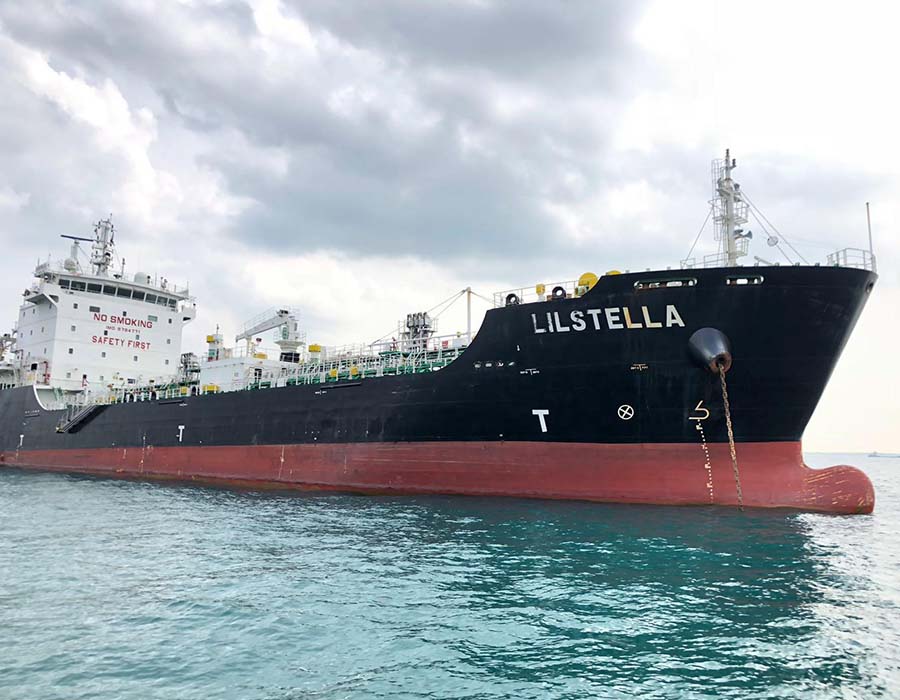
Singapore-based marine fuels trading firm Seabridge Bunkering Pte Ltd (Seabridge), a subsidiary of the Bilsea Group, is continuing operations as per normal after reaching an “amicable settlement” agreement with ING Bank due to an earlier exposure to O.W Bunker, shares its Managing Director.
“We reached a five-digit settlement sum with ING Bank outside court in February 2020,” Yan Xiankai, who is also the Managing Director of the Bilsea Group, told Singapore bunkering publication Manifold Times.
“Seabridge, as a well-established name in ship bunkering market, has survived after numerous crisis including the O.W. bunker case.
“Our company will continue to serve its customers like before and the business will be maintained at a reasonable scale.”
Yan noted Seabridge being currently involved with both cash in advance and credit term basis trading operations in order to maximise profit margin, while limited credit is still available from reliable partners and for its customers passing its strict credit control policy.
“For the past two decades, the stakeholders of Seabridge have diversified its business to ship chartering as ship operator, asphalt commodity trading while being a ship owner and commercial manager of asphalt tankers,” he says.
“We are also involved in crude oil futures trading, fuel oil paper trade, property investment and a few others.
“Overall, our business is financially healthy and strong even though Seabridge, which forms only part of its stakeholder’s interest, is affected.”
Moving forward, Yan notes of the Bilsea Group management planning to keep its bunker trade business at a “comfortable level” in consideration of the current poor freight market and high volatility of the oil market.
“After O.W. Bunker’s bankruptcy, there have been a few more oil companies which have been shut down in recent years due to failure of risk management,” he shares.
“Nevertheless, players involved in back-to-back bunker trades will find it more and more competitive.
“Seabridge will keep trying to rebuild its business model in the direction of integrated trading while not foregoing the necessary mechanism for proper risk control; such as by hedging when engaged in bunker trade deals.”
He also stressed the importance of building business networks to sustainably connect products and customers through employed staff and integrated trading practise.
“Seabridge stakeholders in the long run will continuously build the business model under its own ecosystem environment, whether for our established business (www.bilseagroup.com) or for new ventures (www.unimex.org),” ends Yan.

The Seabridge Bunkering team
Related: ING Bank seeks approximately USD 113,600 from Seabridge Bunkering
Related: Seabridge Bunkering Pte Ltd under winding up application from creditor ING Bank
Photo credit: Seabridge Bunkering
Published: 24 August, 2020
Winding up
Singapore: Liquidators of Nan Ho Maritime, Nan Xin Maritime issue notices of dividend
Nan Ho Maritime’s second interim dividend and Nan Xin Maritime’s second and final dividend are payable from 4 September, according to Government Gazette notices.

LNG Bunkering
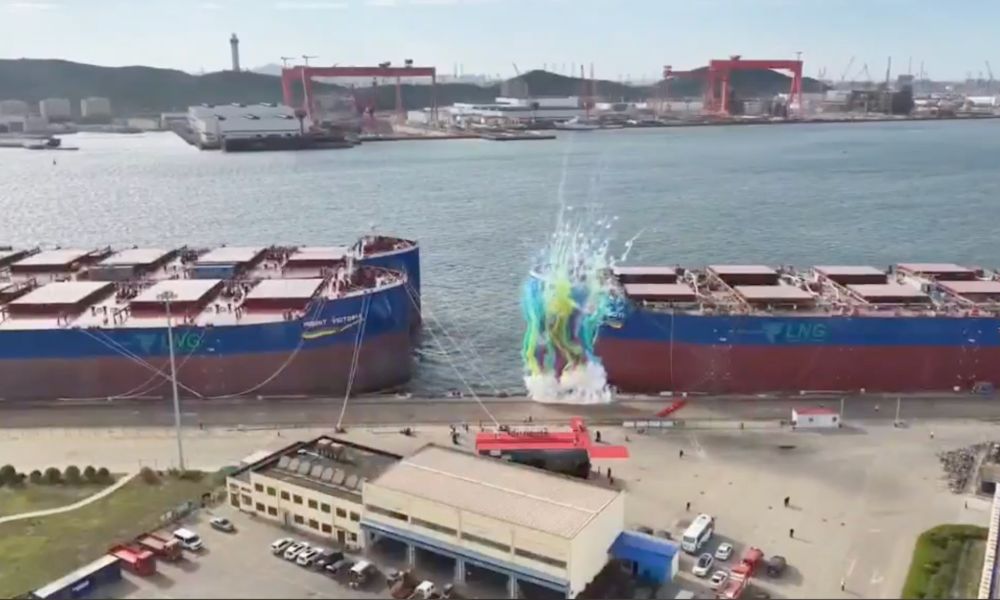
Singapore-based EPS takes delivery of three LNG dual-fuel bulk carriers
Three vessels are the third, fourth and fifth in the company’s series of 14 Newcastlemaxes being built at the yard, and were delivered five months ahead of their contracted delivery dates.
Port & Regulatory
ISWG-GHG 22: IMO working group aims to present NZF text at MEPC 85
The Chair expressed his observation of a genuine willingness within the Group to make concrete further progress at the next ISWG-GHG meeting and work towards presenting text to MEPC 85.

OUR INDUSTRY PARTNERS

Singapore: Liquidators of Nan Ho Maritime, Nan Xin Maritime issue notices of dividend

Singapore-based EPS takes delivery of three LNG dual-fuel bulk carriers

ISWG-GHG 22: IMO working group aims to present NZF text at MEPC 85

UCL on ISWG-GHG 22: Majority back GHG pricing, centralised fund in IMO NZF talks

LR awards AiP to CSSC Huangpu Wenchong for 12,500 m³ LNG bunker vessel design

DNV at SMM: Chinese shipbuilders, European owners seek closer ties on alternative bunker fuels

Auramarine: Marine fuel flexibility will be key to shipping’s energy transition

Singapore-flagged tugboat “Kim Heng 3203” placed under Sheriff’s arrest

US targets five bunker companies in latest sanctions campaign against Iran

China’s bunker market reshaped by tax rebates, trade flows and refining changes, says economist

Rajah & Tann: Bunker disputes are won in the first 48 hours

Hengli Petrochemical’s ex-Singapore trading arm faces winding up application

Report: GCMD outlines practical approach to quantity assurance in marine biofuel supply chains

Singapore: Notices of annual meeting issued for Vroon Shipping Asia and related firms
-
 Vessel Arrest2 weeks ago
Singapore-flagged tugboat “Kim Heng 3203” placed under Sheriff’s arrest
-
 Sanctions2 weeks ago
US targets five bunker companies in latest sanctions campaign against Iran
-
 Interview2 weeks ago
China’s bunker market reshaped by tax rebates, trade flows and refining changes, says economist
-
 Bunker Claim6 days ago
Rajah & Tann: Bunker disputes are won in the first 48 hours
-
 Winding up2 weeks ago
Hengli Petrochemical’s ex-Singapore trading arm faces winding up application
-
 Biofuel2 weeks ago
Report: GCMD outlines practical approach to quantity assurance in marine biofuel supply chains
-
 Winding up2 weeks ago
Singapore: Notices of annual meeting issued for Vroon Shipping Asia and related firms
-
 Alternative Fuels2 weeks ago
GEA to provide global ethanol fuel data for DNV’s AFI platform