
LNG Bunkering
Sovcomflot and Shell completes first ever Aframax tanker LNG bunkering operation in U.S.
Marine LNG fuelling infrastructure no longer limited to hubs in Northern Europe and Singapore, says Sergey Popravko, Chief Operating Officer of SCF Group.

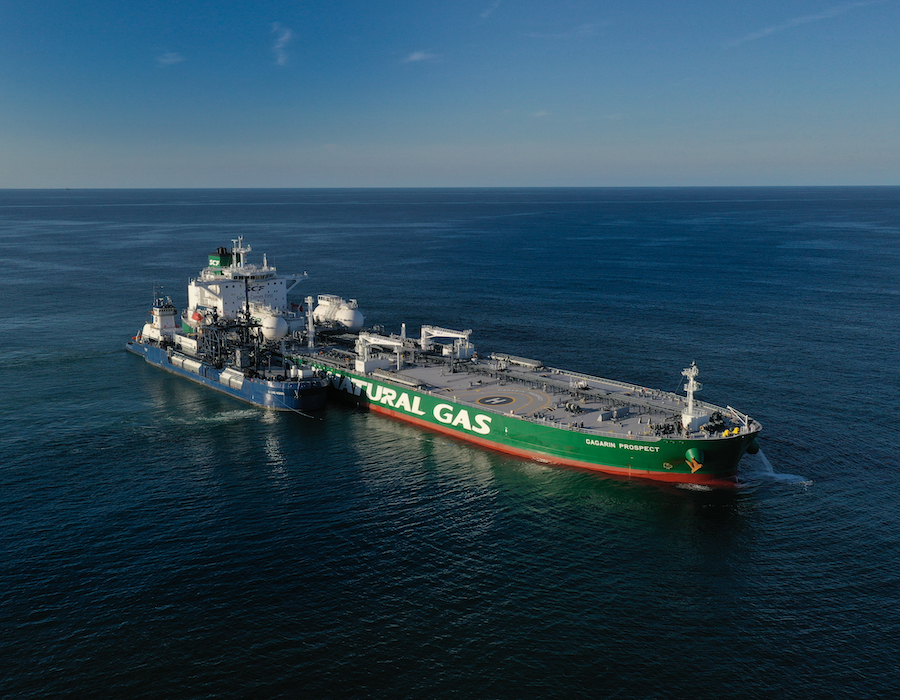
Sovcomflot and Shell on Monday (15 March) broke new ground, with the completion of the first ever Aframax tanker fuelling using liquefied natural gas (LNG) in the USA.
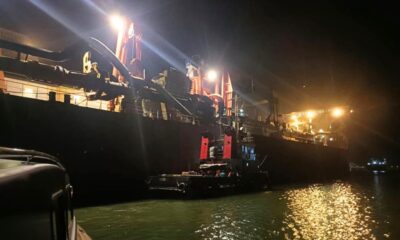
Sovcomflot’s Gagarin Prospect, on long-term charter to Shell, was en-route from Corpus Christi to Europe. She received 1,075 cubic metres of marine LNG from the Shell NA LNG LLC chartered Q-LNG 4000 outside the Port of Canaveral, Florida. This represented the first ever ship-to-ship LNG fuelling of a large capacity Aframax tanker in the USA.
This event demonstrates the rapid expansion of LNG bunkering infrastructure globally, according to Sovcomflot. The deviation from the vessel’s usual voyage route amounted to less than 150 nautical miles (0.5 days) and the bunkering time was 11 hours.
Gagarin Prospect is the lead vessel in SCF Group’s pioneering series of dual fuelled ‘Green Funnel’ Aframax tankers, delivered in 2018/2019, and one of two in the series on long-term time charter to Shell.
The continued expansion of LNG fuelling in the United States facilitates the growing use of vessels able to utilise LNG in their main engines, auxiliaries and boilers, providing for a much reduced emissions’ footprint compared with conventionally fuelled tankers.
Performing this voyage using LNG fuel rather than permissible conventional fuels and including discharge operations, SCF’s technical team estimate reductions in CO2 emissions of 24%, SOx emissions reduced by 100% and NOx emissions reduced by 95%. The fuel economy from using LNG as a main fuel amounts to 10-12 per cent compared to conventional fuels.
Sergey Popravko, Chief Operating Officer of SCF Group, said:
“This is another important milestone highlighting the progress of the сombined efforts of Shell and Sovcomflot to reduce the environmental impact of energy shipping. Our work started back in 2018, with the first marine LNG fuelling operation of Gagarin Prospect in the Port of Rotterdam. The current LNG-bunkering confirms the leadership position of Sovcomflot in “green” shipping and our responsible approach to environmental safety, which lies at the heart of SCF’s activity. We are investing significant efforts to the transition of our fleet towards energy efficiency and the use of cleaner fuels.
“We are pleased that Shell has opened up LNG fuelling along this important transatlantic trade route, demonstrating that marine LNG fuelling infrastructure is no longer limited to hubs in Northern Europe and Singapore.
“It is symbolic that the bunkering took place at the Port of Canaveral, being the space hub of the United States of America, involving the Russian tanker Gagarin Prospect named after Planet Earth’s first cosmonaut.”
Karrie Trauth, General Manager, Shell Shipping & Maritime Americas, said:
“As part of Shell’s target to be a net-zero emissions energy business by 2050, in step with society, we are working with customers across every sector to help them decarbonize. LNG is the choice today for new builds to help slow the rate of global greenhouse gas emissions while we work hard at developing zero-emissions fuels. I’m pleased to see the first Aframax tanker fuelled with LNG in the United States as this is an important milestone for the industry.”

Photo credit: Sovcomflot
Published: 22 March, 2021
LNG Bunkering
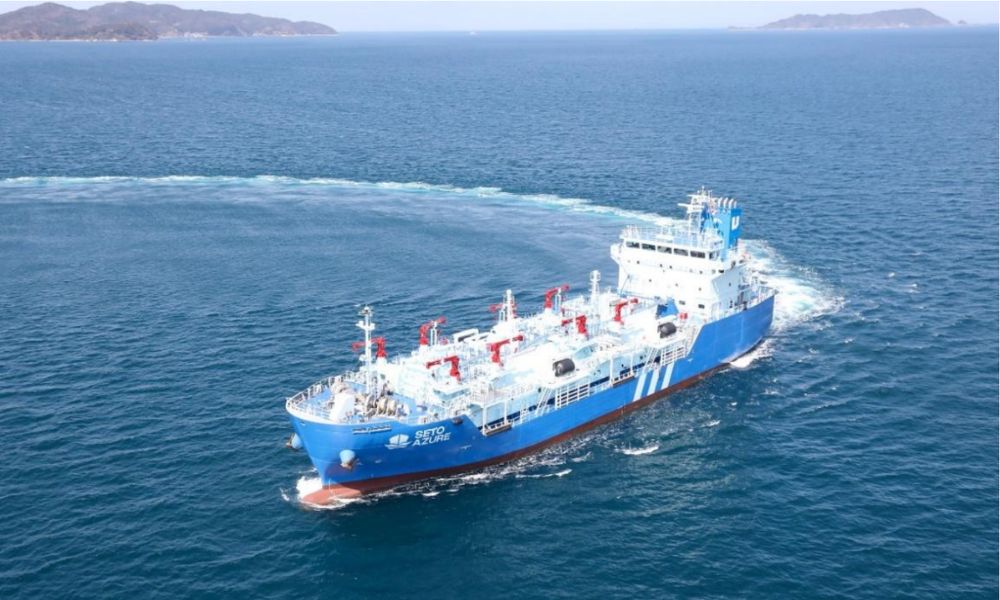
Osaka Gas conducts Osaka Bay’s first STS LNG bunkering operation
Acting through Singapore-based marine fuel trading firm Integr8 Fuels, Osaka Gas supplied LNG bunker fuel to an LNG-fuelled PCTC operated by an overseas shipping company calling at the Port of Kobe.
Alternative Fuels
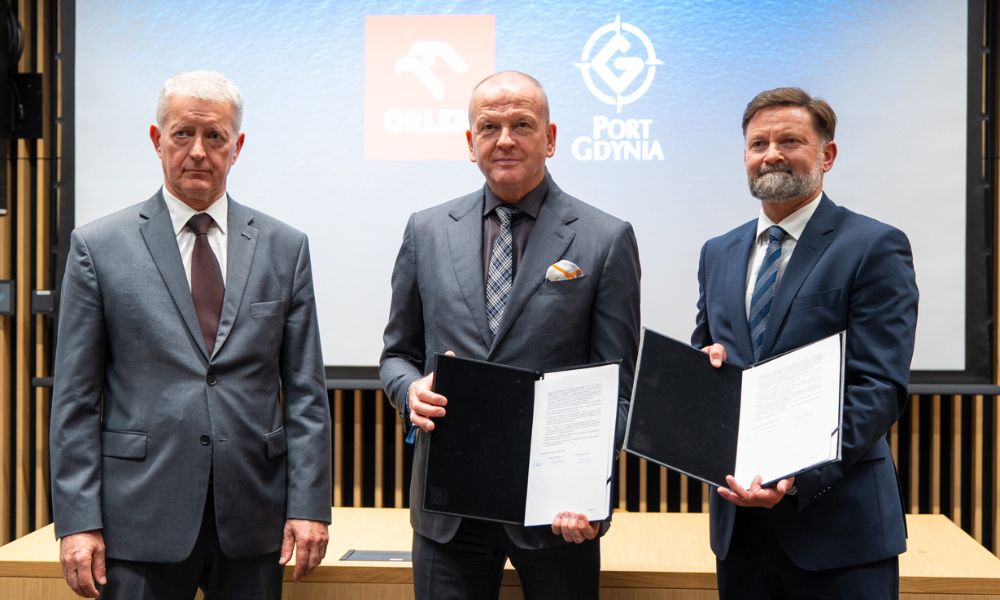
ORLEN and Port of Gdynia to explore LNG and bio-LNG bunkering in Poland
Cooperation will examine market demand, the potential scale of LNG and bioLNG bunkering, required infrastructure, operating conditions and the regulatory framework needed to support future services.
LNG Bunkering
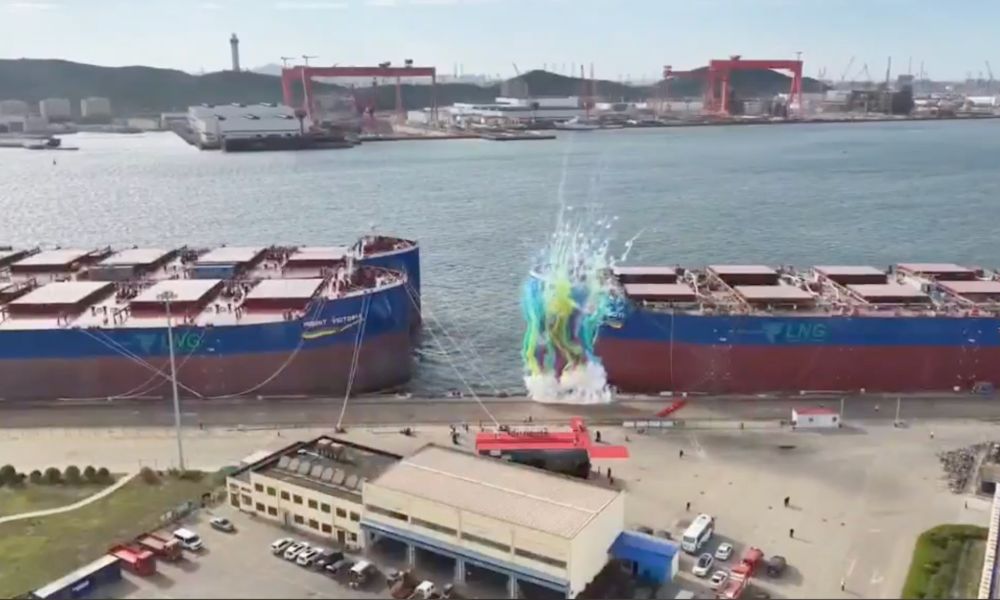
Singapore-based EPS takes delivery of three LNG dual-fuel bulk carriers
Three vessels are the third, fourth and fifth in the company’s series of 14 Newcastlemaxes being built at the yard, and were delivered five months ahead of their contracted delivery dates.

OUR INDUSTRY PARTNERS

FLEX Commodities appoints Euwyn Tan as Senior Marine Fuels Trader in Singapore

Osaka Gas conducts Osaka Bay’s first STS LNG bunkering operation

Bunker Holding, Dan-Bunkering to join USTC units at new Copenhagen hub

DNV at SMM: Yanmar Maritime awarded type approval for fuel cell system

New TotalEnergies lubricant for marine engines delivers 1.5% fuel savings in tests

ORLEN and Port of Gdynia to explore LNG and bio-LNG bunkering in Poland

Kongsberg Maritime to buy Finnish marine propulsion designer Steerprop

Singapore-flagged tugboat “Kim Heng 3203” placed under Sheriff’s arrest

US targets five bunker companies in latest sanctions campaign against Iran

China’s bunker market reshaped by tax rebates, trade flows and refining changes, says economist

Rajah & Tann: Bunker disputes are won in the first 48 hours

Hengli Petrochemical’s ex-Singapore trading arm faces winding up application

Report: GCMD outlines practical approach to quantity assurance in marine biofuel supply chains

Singapore: Notices of annual meeting issued for Vroon Shipping Asia and related firms
-
 Vessel Arrest2 weeks ago
Singapore-flagged tugboat “Kim Heng 3203” placed under Sheriff’s arrest
-
 Sanctions2 weeks ago
US targets five bunker companies in latest sanctions campaign against Iran
-
 Interview2 weeks ago
China’s bunker market reshaped by tax rebates, trade flows and refining changes, says economist
-
 Bunker Claim7 days ago
Rajah & Tann: Bunker disputes are won in the first 48 hours
-
 Winding up2 weeks ago
Hengli Petrochemical’s ex-Singapore trading arm faces winding up application
-
 Biofuel2 weeks ago
Report: GCMD outlines practical approach to quantity assurance in marine biofuel supply chains
-
 Winding up2 weeks ago
Singapore: Notices of annual meeting issued for Vroon Shipping Asia and related firms
-
 Vessel Arrest6 days ago
Malaysia: MMEA detains two vessels over suspected illegal ship-to-ship transfer off Johor