Connect with us

Technology

Survey highlights barriers to vessel energy management solutions

Bunker fuel availability will strongly drive the market for energy management solutions, finds 73% in survey.

Admin

Published

on

5a8a8419d6b9c 1519027225

A survey report conducted by global law firm Clyde & Co and the Institute of Marine Engineering, Science & Technology (IMarEST) has found key barriers to and issues around the adoption of new energy management solutions.

The survey of 220 international marine industry executives showed the group believing availability of compliant bunker fuels, among other factors, to affect market adoption for energy management solutions.

The findings include:

  • Cost – 63% of global marine industry executives think that costs will impede the adoption of new energy management solutions
  • Fuel availability – 73% believe that fuel availability will strongly drive the market for energy management solutions
  • Crew skills – 64% worry that energy management solutions will place additional demands on crews

“Where fuel can account for as much as half of the operating costs for the shipping industry, it’s no surprise that the marine industry is keeping an eye on both the availability of fuel and cost of energy management solutions,” says Conte Cicala, partner at Clyde & Co in San Francisco.

“The cost of heavy fuel oil (HFO), which is the fuel most commonly used in ship engines has, by historical standards, remained relatively low over the past decade.

“As long as the cost of HFO is low compared to that of new energy management solutions, it’s unlikely that the benefits of the new technology will be felt as the industry will be unwilling to voluntarily invest.

“As with any new technology, energy management solutions could impact crews who may need to acquire new competencies as well as taking on additional maintenance workloads to keep the technology running.

“Organisations investing in such technology will need to consider the most efficient way to train their staff up before the technology is rolled out.”

The report also noted over 68% of executives believing a lack of uniform international environmental regulations impeding the adoption of green technologies in shipping.

An example is the global sulphur emissions limit, which forces ship operators to use fuel on board with a sulphur content of no more than 3.5%; this limit is set to be reduced further in 2020 to 0.5%.

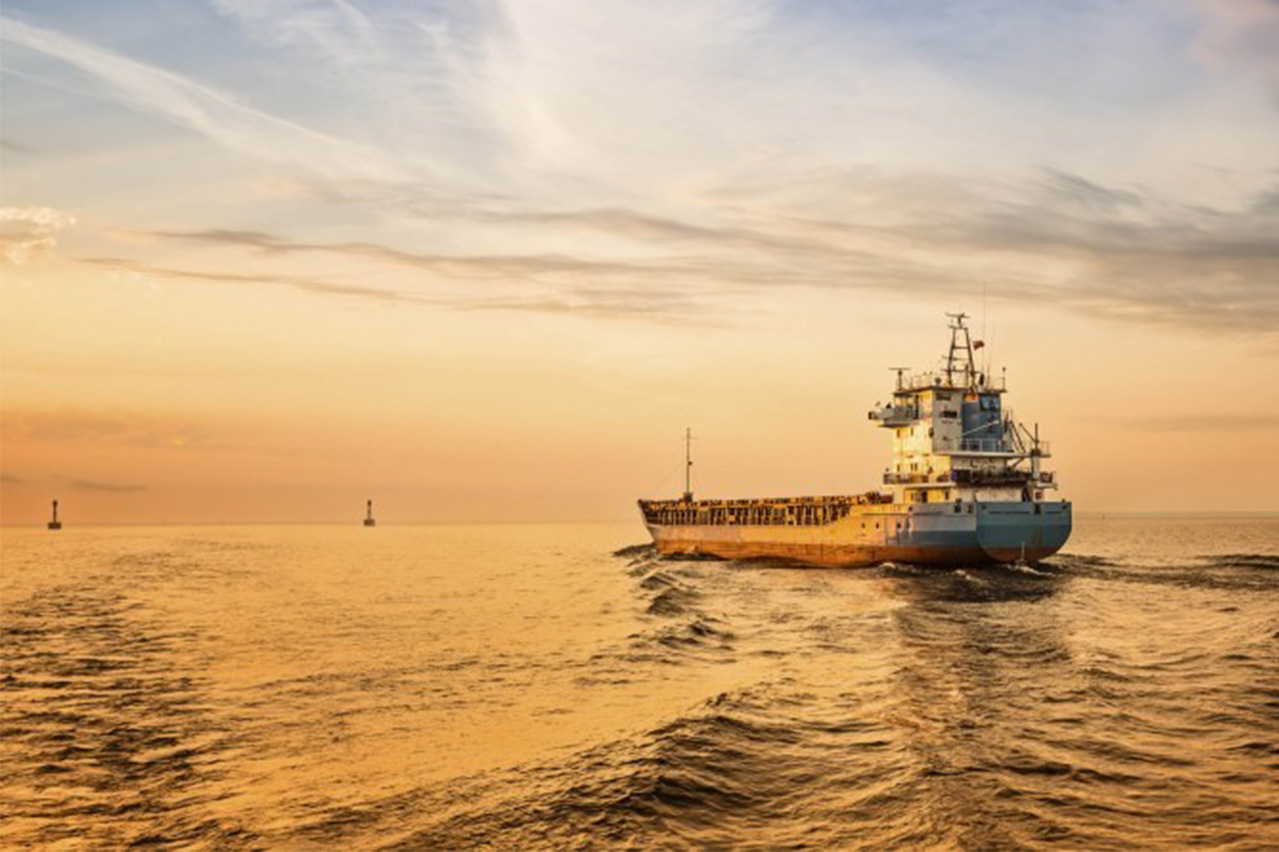
Photo credit: Clyde & Co
Published: 19 February 2018
 

Continue Reading

Technology

Singapore: MPA working with industry on next phase of digital bunkering, says Deputy CE

‘We are now working with industry on the next phase, trialling capabilities to further strengthen the integrity and quality of bunker data shared between stakeholders and MPA,’ says David Foo.
Admin

Published

on

By

Swapnil Bapat on Unsplash

Secure systems, trusted data and reliable digital services are becoming as important to maritime operations as physical infrastructure, said Mr David Foo, Deputy Chief Executive (Operations & Technology), Maritime and Port Authority of Singapore (MPA), on Thursday (10 September). 

In his opening keynote speech at APPEC 2026 Shipping And Bunker Conference, Foo said OCEANS-X, Digital Bunkering and the Maritime Digital Twin are enabling trusted data sharing, better operational planning and the testing of new digital solutions.

Foo said since 2025, digital bunkering has strengthened the efficiency and transparency of bunker operations. 

“We are now working with industry on the next phase, trialling capabilities to further strengthen the integrity and quality of bunker data shared between stakeholders and MPA.” he said.

He also said MPA is taking a forward-looking approach to the energy transition.

“Over the coming decades, we are likely to see the most diverse marine fuel mix in shipping’s history. There may not be a single fuel of the future.”

“Our role as a global bunkering hub is therefore not to determine which fuel will prevail. Our role is to ensure that whichever fuels the industry adopts, Singapore is ready – with the infrastructure, standards and operational capabilities to support them.”

Foo said MPA is making concrete progress across the major alternative fuel pathways with the issuance of methanol bunkering licences and the commencement of methanol bunkering operations. 

“For ammonia, we are developing the regulatory and operational frameworks needed to support future commercial deployment. We are also facilitating greater use of sustainable biofuels,” he said.

At the same time, MPA continues to expand its LNG bunkering ecosystem, with additional licences issued this year. 

“This will broaden supply options as more LNG-fuelled vessels enter the global fleet. We have also just updated our LNG standards, while maintaining the high standards of safety and reliability that underpin Singapore’s reputation as a trusted bunkering hub,” Foo added.

Related: MPA Chief Executive: Port of Singapore begins digital bunkering initiative today
Related: Singapore: Golden Island, GET, and PetroChina to receive methanol bunkering licences
Related: Singapore: Equatorial Marine Fuel among eight selected for new LNG bunkering licences
Related: Singapore strengthens LNG bunkering framework with new SS 727 standard


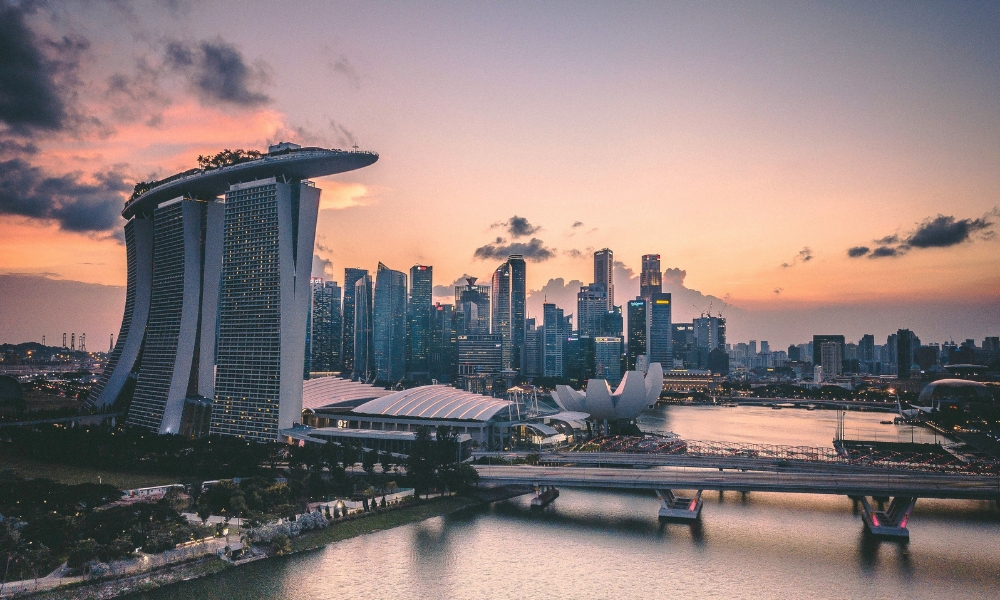
Photo credit: Swapnil Bapat on Unsplash
Published: 10 September, 2026

Continue Reading

Business

Kongsberg Maritime to buy Finnish marine propulsion designer Steerprop

Steerprop has built a strong position as a specialised propulsion supplier, providing propulsion systems for icebreakers, polar research vessels, offshore support vessels and other demanding applications.
Admin

Published

on

By

Kongsberg Maritime to buy Finnish marine propulsion designer Steerprop

Kongsberg Maritime has agreed to acquire Finnish marine propulsion systems designer and manufacturer Steerprop, the latter said on Monday (7 September).

Steerprop has built a strong position as a specialised propulsion supplier, providing propulsion systems for icebreakers, polar research vessels, offshore support vessels and other demanding applications.

 The company has an installed base of more than 400 vessels globally and a significant order backlog, with the majority linked to Arctic and ice-class projects.

Steerprop CEO Riku-Pekka Hägg, said: “From day one, our mission has been to help customers solve complex challenges through innovative technology. Steerprop is growing heavily and have become the market leader in the Arctic propulsion segment, and as we considered the next stage of our journey, we carefully evaluated the strategic options for accelerating our growth. 

“It became clear that Kongsberg Maritime was the ideal partner, with a strong strategic fit, shared heritage, and local presence. Becoming part of Kongsberg Maritime secures the continuation of our legacy, preserves our expertise and know-how, and strengthens our position as the leading provider of azimuth propulsion solutions. Together, we’ll have the scale, resources, and expertise to innovate faster, serve our customers even better, and pursue our mission with even greater ambition.”

Ville Rimpilä, Senior Vice President – Thruster Systems, Kongsberg Maritime, said: “Steerprop has developed strong technology, valuable customer relationships and a leading position in Arctic propulsion. By combining their expertise with Kongsberg Maritime’s global reach and integrated solutions portfolio, we believe we can create additional value for customers while strengthening our position in a strategically important market.”

Both companies will continue to operate independently until the transaction has been completed. Existing projects, deliveries and contractual commitments remain unchanged, and ensuring continuity for customers will be the highest priority throughout the process.

Following completion of the transaction, the intention is to fully integrate Steerprop into Kongsberg Maritime in a phased and structured manner. 

The integration will focus on safeguarding customer relationships, maintaining delivery performance and retaining critical competence while gradually adopting common systems, processes and operating models.


Photo credit: Kongsberg Maritime
Published: 8 September, 2026

Continue Reading

Alternative Fuels

Auramarine: Marine fuel flexibility will be key to shipping’s energy transition

Operators who adapt best will be the ones who built in the flexibility to their marine fuel strategy to respond as conditions change, says CEO John Bergman.
Admin

Published

on

By

31 1

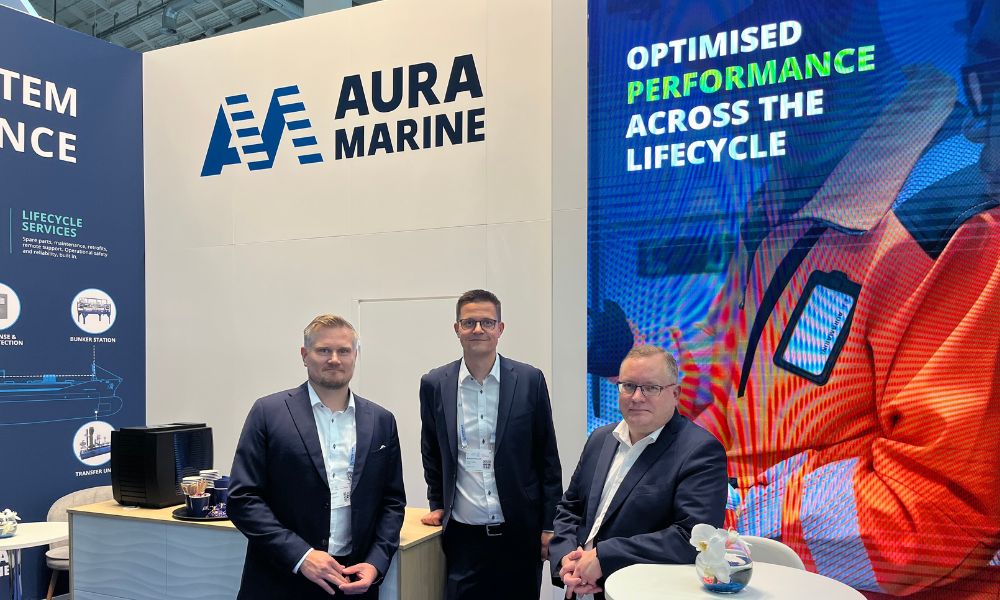
Finland-based fuel supply systems provider Auramarine on Wednesday (2 September) said it believes shipping’s energy transition is entering a phase where flexibility, not fuel choice, will determine which operators adapt successfully. 

With fuel price volatility, inconsistent alternative availability and tightening environmental regulation at different speeds across regions, Auramarine argued that the right approach to fuel supply infrastructure is now as strategically important as the fuel itself.

“The industry has spent years asking which fuel will win,” said John Bergman, CEO, Auramarine. 

“That may be the wrong question. No operator today can predict with confidence what will be available, compliant or commercially viable in five years. The operators who adapt best will be the ones who built in the flexibility to their fuel strategy to respond as conditions change.”

Auramarine’s own fuel split technology, first delivered in 2019 and now installed on around 20 vessels, reflects this thinking in practice. The retrofit system adds a fuel booster module onboard, allowing a ship to run different fuels through the same engine without the extended changeover procedures dual-fuel systems typically require.

This lets operators switch to MGO or biofuel, for example, to meet an ECA requirement, support maintenance schedules, or respond to fuel pricing shifts, without taking a vessel out of service. Delivered in sections through existing doors and hatches, it can be retrofitted to vessels already in operation.

Bergman sees this need for adaptability sharpening in sectors under the most operational and regulatory pressure. 

“Cruise and ferry operators feel this earliest and most acutely,” he said. 

“These vessels constantly move between regulatory zones and environmentally sensitive waters, so the ability to switch fuel supply without disrupting a schedule is an operational necessity. What’s notable is how many operators in this space still don’t know infrastructure like this exists, despite how directly it addresses what they’re already dealing with.”

Reliable flexibility requires a tailored approach, not just adding equipment. “The best results come from scoping flexibility to an owner’s actual fuel strategy, not adding complexity for its own sake,” Bergman added. 

Automated fuel changeover systems are designed to keep multi-fuel operations straightforward for crews, while a structured maintenance approach ensures inspection, testing and servicing can be carried out safely throughout the vessel’s lifecycle. This is where Auramarine’s lifecycle services play a central role, supporting operators well beyond initial installation with the ongoing servicing, spares and technical support needed to keep flexible fuel systems performing reliably for the long term, whatever the fuel landscape looks like in years to come.

“Over the next few years, operators who succeed will be the ones who stopped waiting for certainty and started building optionality instead,” Bergman added

“In a transition this uncertain, adaptability matters more than any single fuel bet. That’s the conversation we want the industry to have.”


Photo credit: Auramarine
Published: 7 September, 2026

Continue Reading

Trending