Connect with us

Alternative Fuels

Greece: Methanol Institute hosts methanol as marine fuel seminar

More than 70 delegates heard from stakeholders on the benefits of methanol as a marine fuel at Athens.

Admin

Published

on

5d02ec7048686 1560472688

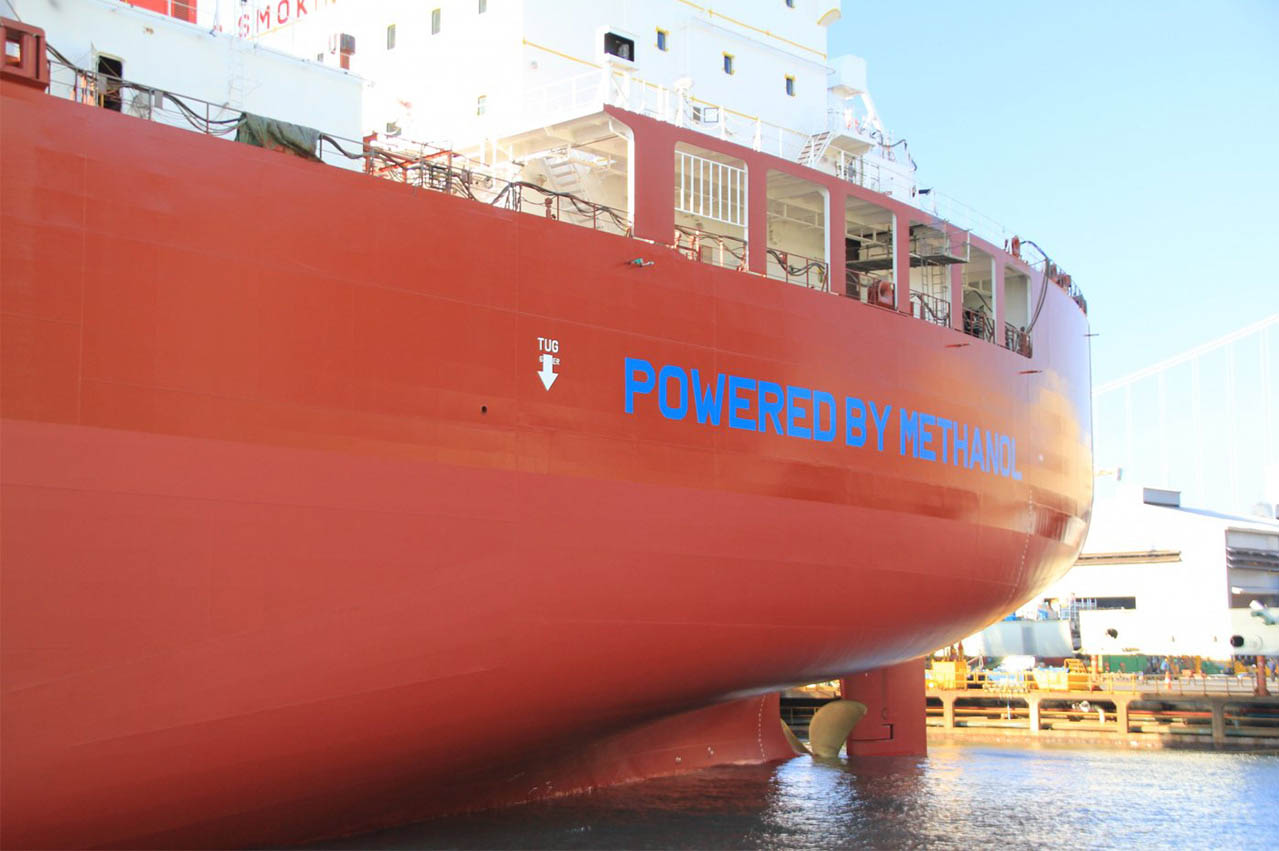
Leading figures from the Greek shipping market gathered in Athens, Greece for the third in a series of global seminars designed to educate the industry on the potential of methanol as a marine fuel, says the Methanol Institute.

The seminar held in late May, organised by consultancy Sea Commerce and supported by the Methanol Institute, Methanex and FEDCOM, brought together more than 70 delegates to hear from stakeholders leading in the use of Methanol as a marine fuel, including Waterfront Shipping Company, Marinvest Shipping, The Methanol Institute and MAN Energy Solutions.

The speakers discussed the use of Methanol as fuel from the point of view of ship design and construction, management and operations, propulsion and regulatory issues, drawing on direct experience and expert insight.

Seminar series organiser Capt Saleem Alavi, President of Sea Commerce, reinforced the advantages compared to LNG, which is being heavily marketed as a long term solution.

“Methanol is similar to existing liquid marine fuels and is much easier to handle than LNG, as existing fuel tanks can be used, while the cost of conversion to Methanol is 25% of an LNG conversion. Beyond cost savings, Methanol is the only 2020-compliant fuel capable of intrinsically achieving NOx Tier III compliance by use of water in fuel technology. In the near term, bio-methanol has near zero CO2 footprint, hence it is capable of addressing the forthcoming IMO CO2 reduction regulations.”

Paul Hexter, President of Waterfront Shipping, a wholly owned subsidiary of Methanex, explained that Methanol could be cost-competitive and delivered value beyond a simple bunker cost equivalent.

“On an energy equivalent basis, Methanol is cost competitive over the cycle compared to conventional low sulphur fuels such as MGO. Going forward, we see significant value creation opportunities of a methanol flex fuel engine, with efficiency gains mitigating expected increases in the price of conventional ultra-low sulphur fuels and the potential to eliminate selective catalytic reduction. These benefits make methanol a viable clean fuel option for the marine industry and part of the solution to help meet future emissions regulations.”

Peter Hinchliffe, Consultant to the Methanol Institute provided a perspective on the development of regulations governing the use of Methanol, in the revision of the IGF Code by IMO.

“We are in a confidence-building stage at the moment where we can see a clear trajectory through sulphur regulations to the IMO strategy on GHG reduction and shipowners need to see this as a continuum; a knee jerk reaction to first sulphur and then to CO2 reduction will not be cost-effective. Methanol provides a solution that addresses both regulations and over time should be both a cost-effective and long term solution.”

Fredrik Stubner, Director Ship Management Marinvest Shipping, shared real life operational experience running tankers powered by Methanol on behalf of Waterfront Shipping.

“Our first four ships delivered in 2016, have not experienced any serious issues that have resulted in off-hire or idle time and we now have in excess of 45,000 successful running hours on Methanol. What should be realised is that the EEDI reduction introduced in 2030 will apply for new ships as well as old. We expect that carbon emissions will be measured from well to wake, so Methanol which can be produced from many different sources will have big advantages.”

George Drossos, Head of Marine New Sales, MAN Energy Solutions Hellas stressed the simplicity of adopting Methanol fuelled engines as well as the fuel’s ability to meet NOx emissions regulations.

“Our LGIM Methanol engine not only lowers SOx and CO2 emissions, our latest tests show that mixed with water, Methanol can meet Tier III NOx emissions without any additional SCR equipment. Installation is simple as a Methanol fuel gas supply system operates at low-pressure and fuel is stored without the need for cryogenics. Engines can be retrofitted easily with very few components, thereby increasing the value of the vessel.”

The seminar was live streamed and sponsored by the Society of Naval Architects and Marine Engineers (SNAME) which will make a recording available via its website.

Feedback from delegates suggested that the industry still requires additional data and practical information on the use of Methanol as marine fuel and on its potential as a sustainable fuel when produced from renewable sources. Basil Galanomatis, Manager, Newbuilding Contracting, George Moundreas & Company SA said:

“Methanol seems to be one of the most attractive solutions for use as marine fuel provided the issues of availability and production cost are resolved. The method of Methanol production by capturing atmospheric CO2 seems to be very promising in respect to a dramatic reduction in GHG emissions.”

The next seminar in the series will be held in Sao Paolo, Brazil in August (date to be finalised).

Photo credit: Methanol Institute
Published: 14 June, 2019


Continue Reading

LNG Bunkering

Osaka Gas conducts Osaka Bay’s first STS LNG bunkering operation

Acting through Singapore-based marine fuel trading firm Integr8 Fuels, Osaka Gas supplied LNG bunker fuel to an LNG-fuelled PCTC operated by an overseas shipping company calling at the Port of Kobe.
Admin

Published

on

By

Osaka Gas conducts Osaka Bay’s first STS LNG bunkering operation

Japanese energy company Osaka Gas on Friday (4 September) said it has successfully completed the first-ever ship-to-ship LNG bunkering operation in Osaka Bay, supplying LNG fuel to an LNG-fuelled PCTC.

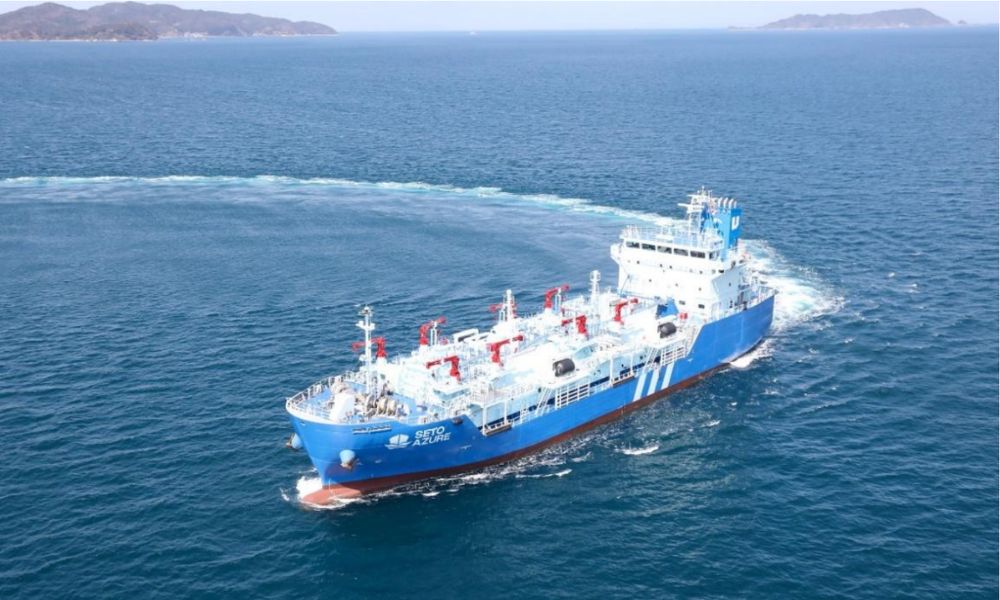
The operation was conducted using SETO AZURE, an LNG bunkering vessel owned by Osaka Bay LNG Shipping Co Ltd, an affiliated company of Osaka Gas. 

Acting through Integr8 Fuels Pte Ltd, a Singapore-based marine fuel trading company, Osaka Gas supplied LNG fuel to an LNG-fuelled PCTC operated by an overseas shipping company calling at the Port of Kobe.

Ship-to-ship bunkering will help ensure a stable supply of LNG fuel in the Osaka Bay area and support the development of the Port of Kobe as a Carbon Neutral Port.

In addition to ship-to-ship bunkering, Osaka Gas provides LNG fuel through truck-to-ship bunkering and port-to-ship bunkering. With capability covering all three major LNG bunkering methods, Osaka Gas provides flexible and reliable LNG fuel supply services to meet customers’ diverse needs.

The company said LNG bunkering infrastructure in Japan remains insufficient, highlighting the need to establish a stable fuel supply network to support the wider adoption of LNG-fuelled vessels.


Photo credit: Osaka Gas
Published: 8 September, 2026

Continue Reading

Alternative Fuels

DNV at SMM: Yanmar Maritime awarded type approval for fuel cell system

Certification marked an important step in moving Yanmar’s maritime hydrogen fuel cell technology from successful domestic deployment toward broader commercial adoption in international markets.
Admin

Published

on

By

DNV at SMM: Yanmar Maritime awarded type approval for fuel cell system

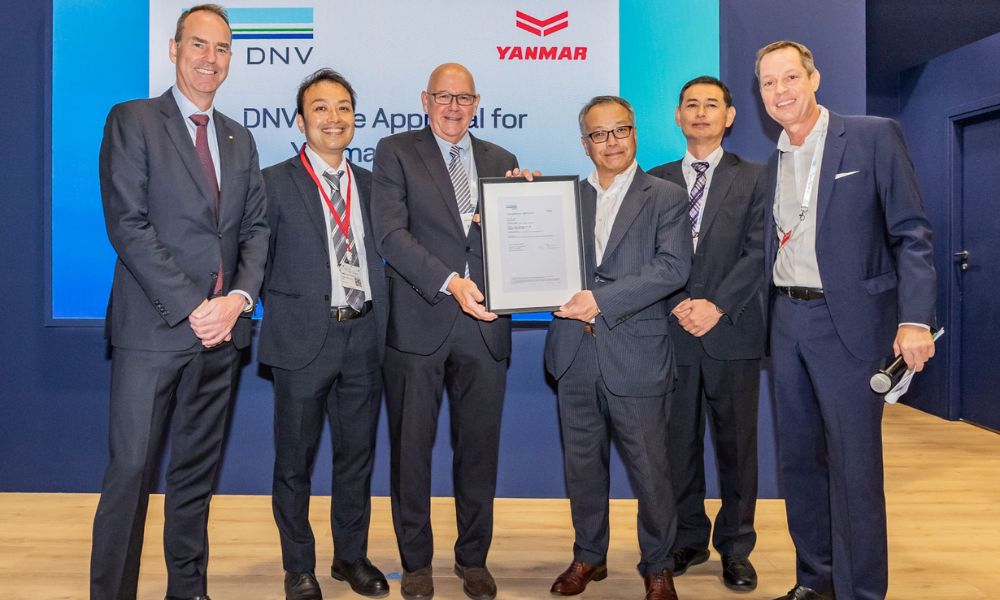
Classification society DNV on Monday (7 September) said it awarded Yanmar Power Solutions Co Ltd, a subsidiary of Yanmar Holdings, type approval (TA) for its Maritime Hydrogen Fuel Cell System at the SMM trade fair in Hamburg last week. 

DNV said the certification marked an important step in moving Yanmar’s maritime hydrogen fuel cell technology from successful domestic deployment toward broader commercial adoption in international markets.

“This certification represents a significant milestone in the commercialization and global deployment of hydrogen fuel cell technology for marine applications,” the classification society said in a statement. 

The approval confirms that the GH-FC series complies with DNV’s industry leading rules and guidelines, enabling shipbuilders, system integrators, and vessel operators to adopt the technology with greater confidence and reduced certification burden for future projects.

Masaru Hirose, President and Representative Director of Yanmar Power Solutions Co Ltd, said: “Achieving DNV Type Approval represents a major milestone in our journey to bring hydrogen-powered solutions to the marine market. Building on our operational experience in Japan, we aim to support customers around the world in their transition to zero-emission operations and realize sustainable maritime transportation.”

Eric Tigelaar, Department Manager of Commercial Marine Department at Yanmar Europe, stated: “This certification strengthens our ability to support customers throughout Europe and beyond who are seeking practical pathways toward decarbonization. The GH-FC series combines easy installation, operational flexibility, modularity and environmental performance, making it an attractive solution for a wide range of vessel applications.”

Olaf Drews, Head of Engines & Pressurized Equipment, DNV Maritime, said: “We are very pleased to continue our cooperation with Yanmar and award them this latest Type Approval Award for their GH-FC series. Every step demonstrates the growing maturity of hydrogen fuel cell technology and continues to build confidence in the market and showcase its readiness for broader commercial applications. DNV is pleased to continue supporting innovative solutions that can help accelerate the transition toward zero-emission shipping.”


Photo credit: DNV
Published: 8 September, 2026

Continue Reading

Alternative Fuels

ORLEN and Port of Gdynia to explore LNG and bio-LNG bunkering in Poland

Cooperation will examine market demand, the potential scale of LNG and bioLNG bunkering, required infrastructure, operating conditions and the regulatory framework needed to support future services.
Admin

Published

on

By

ORLEN and Port of Gdynia to explore LNG and bio-LNG bunkering in Poland

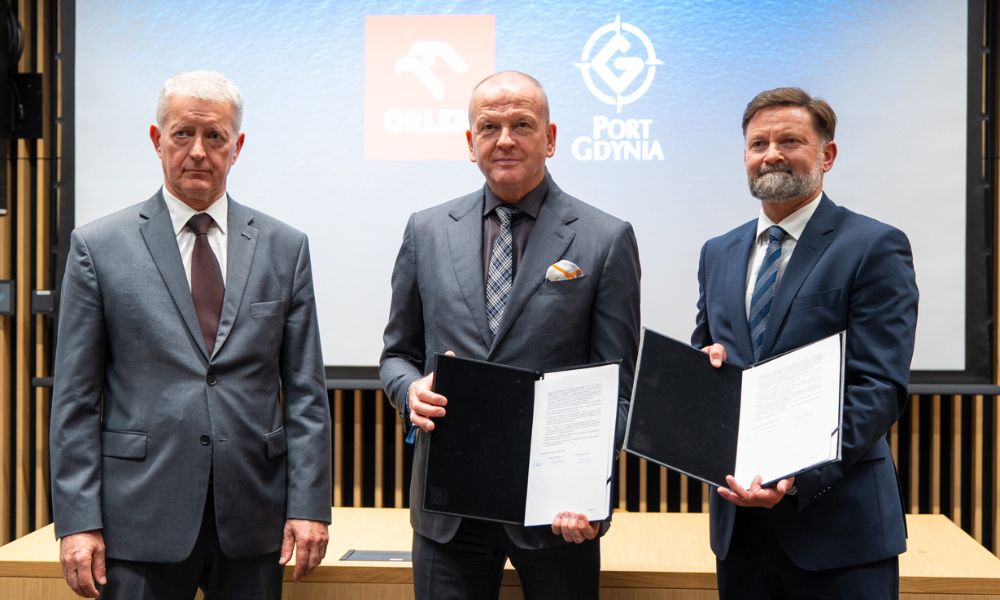
Polish energy company ORLEN on Friday (4 September) said it has signed an agreement with Port of Gdynia Authority to assess the development of LNG and bioLNG bunkering services for marine vessels, as both organisations explore infrastructure and market solutions that could expand access to alternative fuels along the Polish coast.

The cooperation will examine market demand, the potential scale of LNG and bioLNG bunkering, required infrastructure, operating conditions and the regulatory framework needed to support future services.

One of the main areas under consideration will be waterside bunkering, including ship-to-ship operations, where fuel is transferred directly from a bunker vessel to another ship while in port.

Robert Soszyński, Vice President of the ORLEN Management Board for Operations, said the cooperation with the Port of Gdynia forms part of the Group’s broader fuel portfolio transformation through 2035.

Under ORLEN’s strategy, natural gas, including LNG, is expected to retain an important role as a transitional fuel supporting energy security and transport decarbonisation.

The company is seeking to strengthen capabilities across the full value chain, including fuel sourcing, logistics and final use.

At the same time, ORLEN is developing renewable fuel capabilities, including bioLNG, which the company sees as a potential route for reducing emissions in heavy-duty road transport and shipping.

Soszyński said ORLEN’s ambition is to work with ports not only as a fuel supplier but also as a partner in developing infrastructure and market conditions for alternative marine fuels in Poland and the wider region.

Piotr Gorzeński, CEO of the Port of Gdynia Authority, said the shipping industry’s energy transition is already changing the fuel and technology requirements faced by ports.

“Shipowners are increasingly examining ways to reduce emissions, while ports need to be capable of serving vessels using a wider range of propulsion technologies and fuels,” he said. 

The cooperation will include knowledge sharing and an assessment of requirements among shipowners and port users, particularly operators of scheduled ferry, container and ro-ro services.

ORLEN and the Port of Gdynia will also analyse bunkering models used at other European ports.

Among the options under review will be the suitability of ship-to-ship bunkering for larger vessels and the possibility of supplying fuel while ships are alongside the berth.

The partners will also examine whether bunkering could take place in parallel with cargo-handling operations.


Photo credit: ORLEN
Published: 8 September, 2026

Continue Reading

Trending