
Methanol
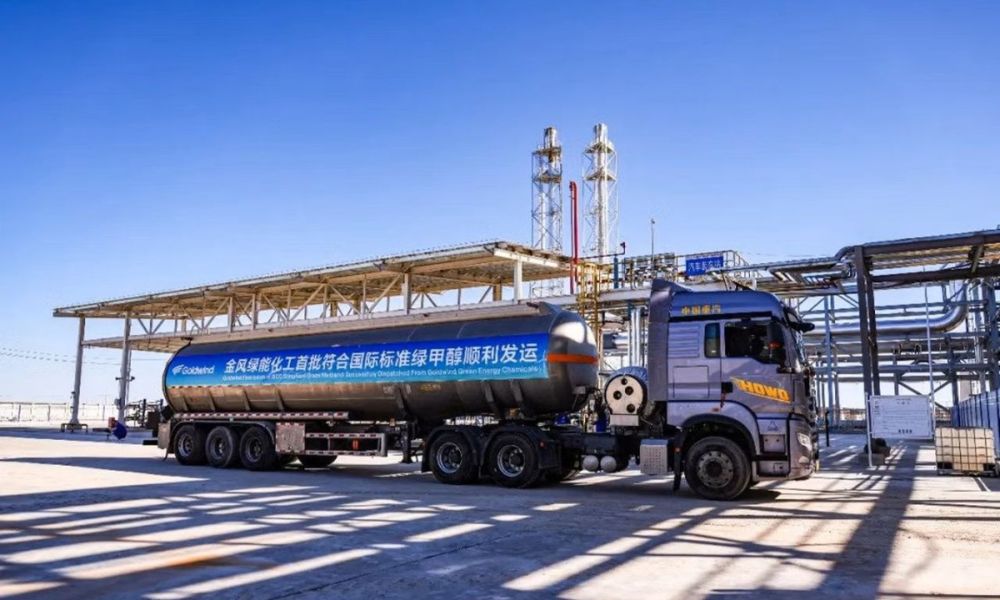
Goldwind green methanol facility completes trial production, ships first 500 mt
Goldwind has also secured long-term offtake agreements with A.P. Moller – Maersk and Hapag-Lloyd, connecting planned production with demand from shipping.

Engine
Polaris Shipping orders WinGD engines capable of running on methanol, ethanol
Ability to operate on either fuel gives Polaris Shipping greater flexibility to respond to changes in fuel availability, pricing and regulatory requirements over the vessels’ operating lives.

Technology
Singapore: MPA working with industry on next phase of digital bunkering, says Deputy CE
‘We are now working with industry on the next phase, trialling capabilities to further strengthen the integrity and quality of bunker data shared between stakeholders and MPA,’ says David Foo.

Alternative Fuels
China: Guangzhou completes first bio-methanol STS bunkering operation
A total of 1,021 metric tonnes of bio-methanol was supplied to the world’s first methanol dual-fuel Ultramax bulk carrier in Guangzhou anchorage.
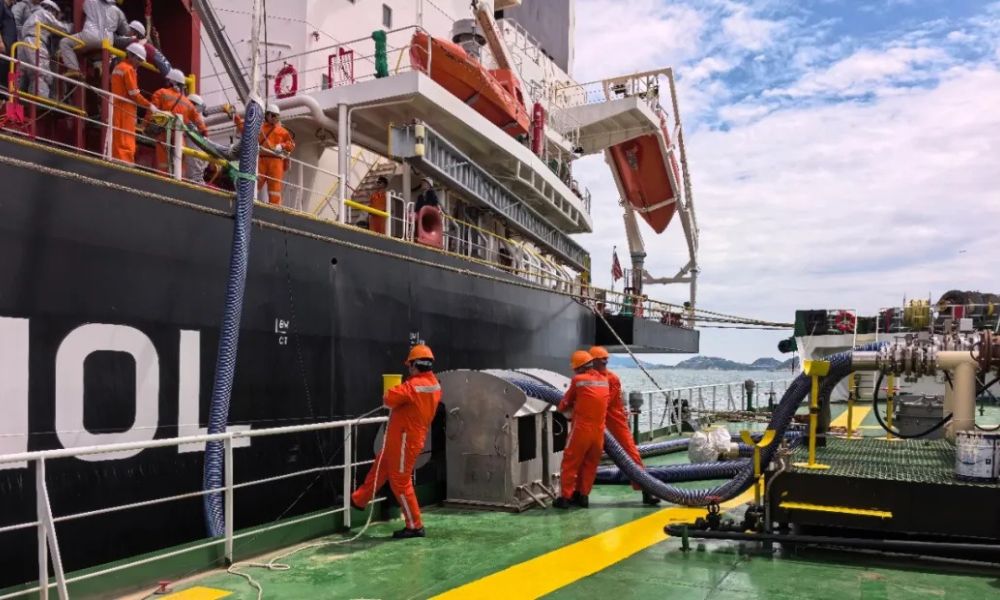
Clean energy equipment and services provider CIMC Enric on Monday (7 September) said China’s first green methanol bunkering operation for a bulk carrier was completed at Guangzhou anchorage.
The company said the bunkering operation also marked the first bio-methanol STS bunkering operation at Guangzhou Port.
A total of 1,021 metric tonnes (mt) of bio-methanol was supplied ship-to-ship (STS) to the world’s first methanol dual-fuel Ultramax bulk carrier.
The operation was completed on 6 September by China Shipping & Sinopec Suppliers Co Ltd’s Da Qing 268, which carried bio-methanol produced at CIMC Enric’s green methanol facility in Zhanjiang.
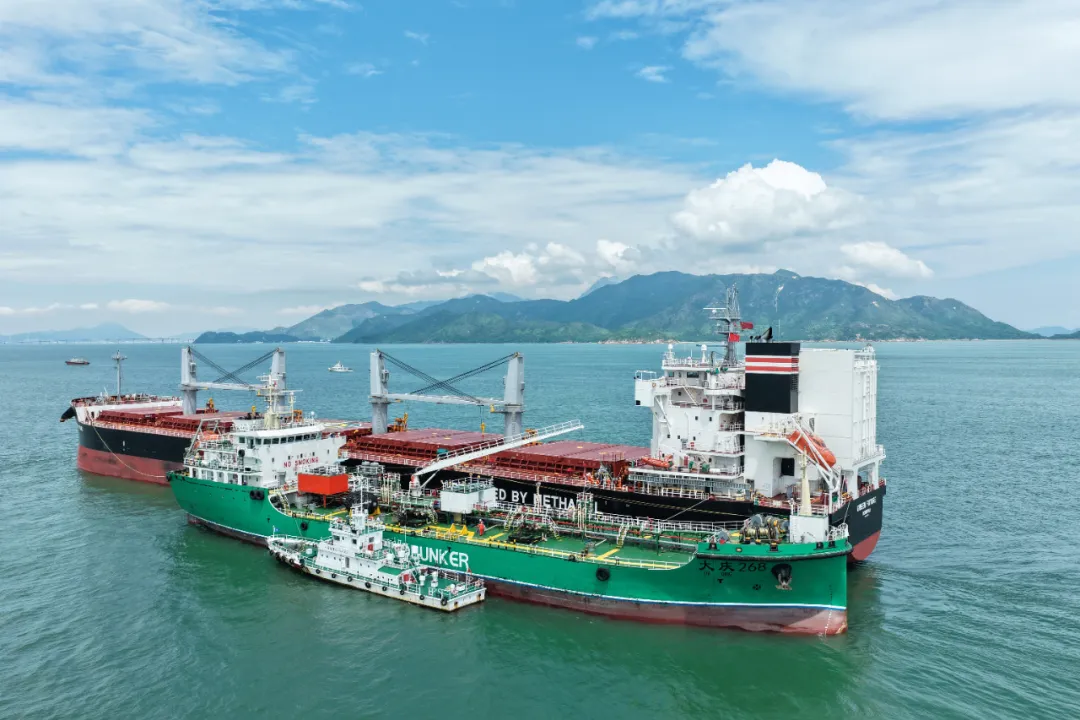
The successful operation in Guangzhou, following previous green methanol bunkering operations in Shenzhen and Hong Kong, means that Guangdong-produced bio-based methanol has established a supply network across the Guangdong-Hong Kong-Macao Greater Bay Area.
The company said the development connects the production, storage, transportation and bunkering segments of the green methanol supply chain, moving the region beyond individual pilot projects towards coordinated operations across the Greater Bay Area.
CIMC Enric described its Zhanjiang green methanol facility as China’s first commercial-scale bio-methanol production plant.
Since beginning production, the Zhanjiang facility has maintained a stable production and delivery schedule, supplying bio-based methanol to major ports across China, with delivery volumes continuing to increase, according to the company.
The first phase of the facility has an annual production capacity of 50,000 metric tonnes (mt), while its methanol products have a carbon emission reduction rate of more than 85%, CIMC Enric said.
The products have also obtained ISCC EU sustainability certification, with the company saying their specifications meet international requirements for shipping decarbonisation and can support the low-carbon operation of vessels.
Photo credit: CIMC Enric
Published: 9 September, 2026

OUR INDUSTRY PARTNERS

High Court of Singapore issues winding up order against Hengli Petrochemical International

Goldwind green methanol facility completes trial production, ships first 500 mt

LDA’s methanol-powered “Spirit of Toulouse” gets Norsepower rotor sail in Shanghai

Tenerife achieves first truck-to-ship LNG bunkering operation

IMO technical seminar to focus on ammonia production, bunkering and safety

Viking floats out second hydrogen-powered ship, delivery set for May 2027

EmissionLink warns shipowners of growing financial risk from delayed EUA transfers

Rajah & Tann: Bunker disputes are won in the first 48 hours

Malaysia: MMEA detains two vessels over suspected illegal ship-to-ship transfer off Johor

Singapore strengthens LNG bunkering framework with new SS 727 standard

Yang Ming orders six LNG dual-fuel, ammonia-ready containerships from Hanwha Ocean

Ahti Climate and DNV connect verified emissions data to FuelEU pooling platform

Singapore: Notices of intended dividend issued for Hua An Shipping and related firms

TFG Marine advances global MFM rollout with two US Gulf bunker barges
-
 Bunker Claim2 weeks ago
Rajah & Tann: Bunker disputes are won in the first 48 hours
-
 Vessel Arrest2 weeks ago
Malaysia: MMEA detains two vessels over suspected illegal ship-to-ship transfer off Johor
-
 LNG Bunkering2 weeks ago
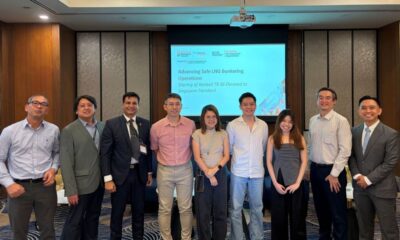
Singapore strengthens LNG bunkering framework with new SS 727 standard
-
 Alternative Fuels1 week ago
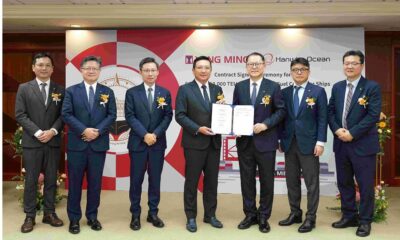
Yang Ming orders six LNG dual-fuel, ammonia-ready containerships from Hanwha Ocean
-
 FuelEU2 weeks ago
Ahti Climate and DNV connect verified emissions data to FuelEU pooling platform
-
 Winding up2 weeks ago
Singapore: Notices of intended dividend issued for Hua An Shipping and related firms
-
 Mass Flowmeter1 week ago
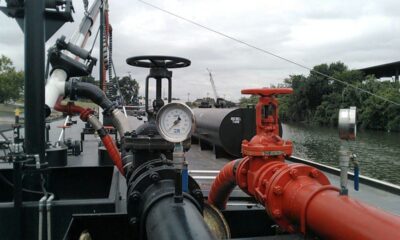
TFG Marine advances global MFM rollout with two US Gulf bunker barges
-
 Alternative Fuels1 week ago
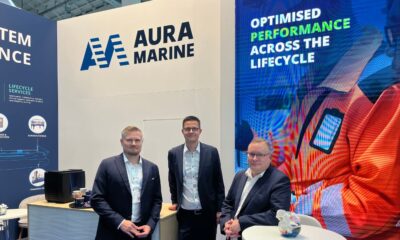
Auramarine: Marine fuel flexibility will be key to shipping’s energy transition