Connect with us

Interview

Interview: Alkagesta navigates risk from bunkering ops during turbulent times

As the industry navigates this period of uncertainty, the key question is no longer ‘what will fuel cost?’ but rather ‘will fuel be available?’, highlights Mithat Çiftçioğlu.

Admin

Published

on

Mithat MT

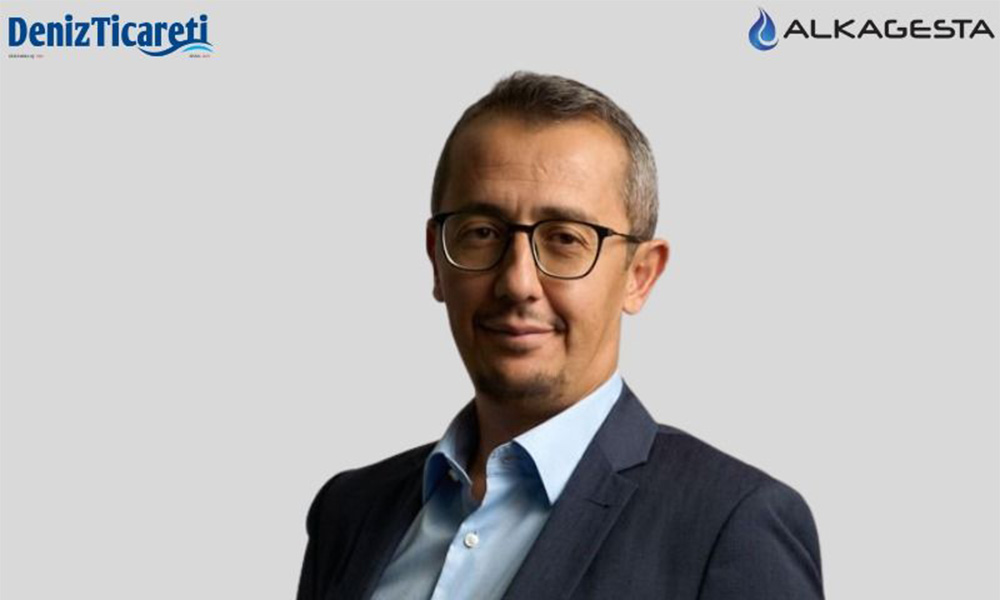
Mithat Çiftçioğlu, Marine Fuels Director at Alkagesta, shared his opinion on risk management for bunkering operations under current geopolitical tensions through the April edition of shipping magazine Deniz Ticaret.

The maritime publication, part of the Turkish Chamber of Shipping (İMEAK Deniz Ticaret Odası), has given Manifold Times permission to republish the article:

Fueling Ships in Turbulent Times

From Oil Shock to Fuel Access Crisis: A New Risk Map for Maritime 2026

The final weeks of the first quarter of 2026 mark one of the most complex periods in recent years for global energy and maritime markets. The sharp rise in oil and refined product prices since February 28 may look like a classic energy shock at first glance, but developments in the maritime sector point to a far deeper structural rupture.

What is being debated in the market today is no longer just oil prices. For traders and shipowners operating in the maritime sector and bunker market, the real issue is not the price of fuel — it is access to fuel. The fundamental question in the market has shifted: not what will the price of fuel be, but will fuel even be available?

In light of the Force Majeure cancellations at Asian ports over the past two weeks, another question must also be considered: Will pre-agreed bunker supply contracts actually be delivered?

From Oil Prices to Logistical Reality

Tensions in the Middle East have created a strong geopolitical risk premium in the oil market. Brent crude briefly surpassed the $100 per barrel mark, triggering a search for a new equilibrium across markets. This will inevitably bring inflation and recession back onto the global agenda in the months ahead.

But the rise in oil prices does not only reflect the risk of supply disruption — it also signals the return of one of the most fragile chokepoints in global energy trade:

The Strait of Hormuz

Approximately one-third of the world’s oil trade passes through this narrow waterway. Around 20 million barrels of oil and petroleum products transit Hormuz daily. Any disruption here would therefore affect not only oil prices, but also global refined product flows and the bunker market directly.

Why Strategic Oil Reserves Are Not the Solution

A commonly proposed solution in energy crises is the release of strategic petroleum reserves. However, releasing these reserves does not directly resolve a bunker crisis. Strategic reserves consist of crude oil. To produce bunker fuel, the following chain must be completed:

Crude oil → Refinery → Product logistics → Bunker port

This process takes time. Strategic reserves can temporarily stabilize oil prices, but they cannot solve the access problem in the bunker market in the short term.

Furthermore, the announced reserve release of 400 million barrels, to be drawn down at a rate of 2.5–3 million barrels per day, can only cover a small fraction of the estimated daily loss from the Middle East — optimistically 8–10 million barrels, pessimistically 18–20 million barrels per day.

A Historic Surge in Bunker Fuel Prices

The per-ton price of VLSFO (0.5% sulfur) bunker fuel has surpassed $1,000, reaching approximately double pre-war levels. This also represents some of the highest prices seen since July 2022.

While prices at bunker hubs such as Singapore and Fujairah are approaching $1,100 per ton, European markets have remained comparatively lower.

The Real Problem Is Not Price — It Is Fuel Access

Obtaining bunker quotes for April has become increasingly difficult, particularly at Asian ports. Even where shipowners and traders can secure quotes, the absence of supply guarantees makes pricing extremely challenging.

A senior executive at Oldendorff Carriers summarized the situation in these words:

“We cannot price cargo because we cannot calculate fuel costs; we cannot calculate fuel costs because there is no supply guarantee.”

The CEO of Maersk has compared the current situation to the pandemic era, stating that companies are attempting to source fuel through methods they have never tried before in order to keep global shipping networks supplied.

While supply is tight and prices are near their peak in Singapore and Fujairah, Rotterdam appears relatively more balanced. However, as the conflict drags on, risk perception in European markets is also rising.

The surge in bunker prices will not only increase costs — it will also affect global maritime transport capacity. Ships are expected to reduce their speeds to conserve fuel. This could lead to a reduction in effective carrying capacity, creating new logistical bottlenecks in global trade.

The importance of working with reliable, long-term partners has never been more apparent than during a crisis such as this.

The Widening Price Spread Between Fuel Types

A notable development in the bunker market in recent weeks is the rapid widening of price differentials between different fuel types. Two spreads in particular have expanded significantly:

  • Marine Gas Oil (MGO) – VLSFO
  • VLSFO – HSFO

Rising demand for distillate products, refinery production balances, and regional supply tightness are all contributing to this widening. As a result, bunker purchases have become not merely a matter of price level, but a strategic decision tied to product type and port selection.

An Unexpected Development: Biofuels Becoming Competitive

Another noteworthy development in the bunker market is that biofuels have remained at relatively competitive price levels. This creates two important opportunities for shipowners.

On one hand, biofuels remain competitively priced in certain markets. On the other, they offer a means of compliance with new regulations entering into force in Europe — particularly the FuelEU Maritime and EU ETS frameworks, which require reductions in carbon intensity. In this context, biofuels have become a strategic option for many shipowners.

Conclusion: Active Bunker Management Is The New Normal

The 2026 bunker market presents one of the most complex energy trading environments in recent years. The rise in oil prices, geopolitical risk at the Strait of Hormuz, tightness in physical fuel supply, and widening price spreads between fuel types have made bunker fuel management more critical than ever.

The prevailing view in energy markets is that as long as the risk at the Strait of Hormuz persists, turbulence in the bunker market will persist with it. As time passes, the depletion of commercial stocks may deepen the existing supply tightness further.

For this reason, the current situation is viewed not merely as an energy crisis, but as a new stress scenario testing the logistical infrastructure of global trade.

The view increasingly heard across energy markets is this:

“As long as Hormuz remains closed, it will not be oil prices but fuel access that constitutes the defining risk for global shipping.”

Finally, for shipowners and operators, bunker strategies are shifting away from a passive purchasing approach toward a model grounded in active risk management.


Photo and article credit: Deniz Ticaret
Published: 7 May 2026

Continue Reading

Business

Malaysia: Maharani Energy Gateway introduces MEG OSC (One Stop Centre) to support investors’ growth at Freeport

MEG OSC serves as a dedicated facilitation centre, providing investors with advisory and coordination services throughout the investment lifecycle within Maharani Freeport.
Admin

Published

on

By

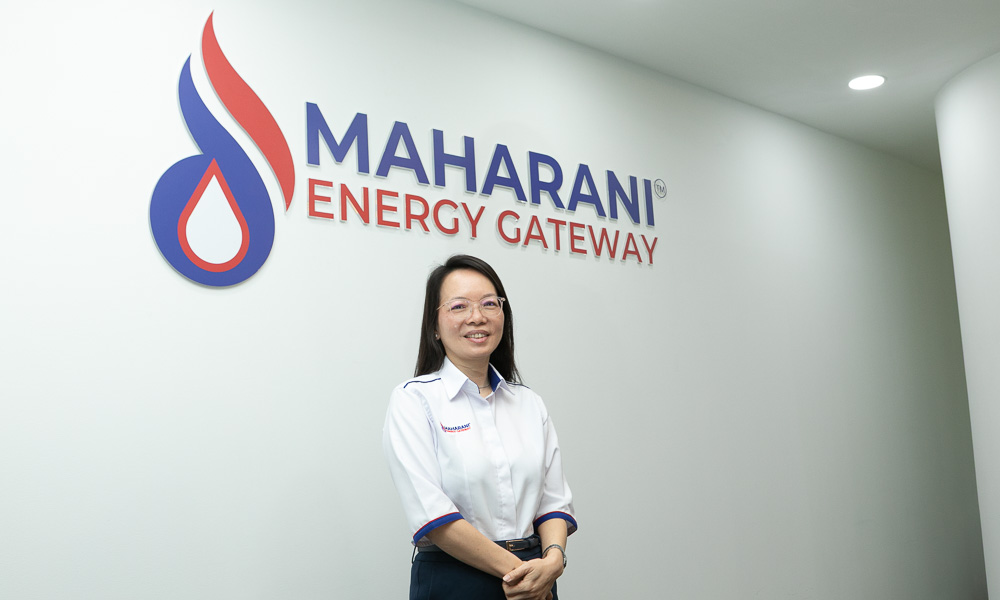
Chiam Pei Pei, Head of MEG OSC, MEG OSC Sdn Bhd

Maharani Energy Gateway (MEG), the Master Developer of Maharani Freeport, has introduced the MEG OSC (One Stop Centre) – a dedicated single-window facilitation centre to support investors aiming to establish and grow their businesses within Malaysia’s first duty-exempted energy freeport.

Serving as a central point of contact for investors, MEG OSC provides end-to-end business facilitation and advisory support, simplifying the investment journey and helping businesses navigate the regulatory, licensing and operational requirements associated with establishing a presence at Maharani Freeport  – Malaysia’s emerging energy and maritime services hub, Chiam Pei Pei, Head of MEG OSC, MEG OSC Sdn Bhd, told Manifold Times.

Under the approval of Ministry of Finance (MOF), MEG OSC is the authorised route to facilitate businesses to apply and qualify for Maharani Freeport’s incentives.

Maharani Freeport, a Malaysia National Project officially launched in November 2025 is located within the Muar Port limits along one of the world’s busiest waterways – the Straits of Malacca.

The project is expected to attract RM 144 billion (USD 35.16 billion) in investment value from global investors and forecasted to create at least 45,000 of direct and indirect jobs for the local Johor and Malaysian economy.

MEG OSC the First Point of Contact for Investors

According to Ms Chiam, MEG OSC serves as a central facilitation point between investors and key government authorities, including the MoF, Malaysian Investment Development Authority (MIDA), Companies Commission of Malaysia (SSM), Royal Malaysian Customs Department, Inland Revenue Board (LHDN), Marine Department, local authorities and other relevant government agencies.

Through close collaboration with government agencies and professional service providers, MEG OSC is further able to provide advice on matters including but not limited to:

  • Company Establishment
  • Corporate Bank Account Opening
  • Tax Incentives & Advisory
  • Customs Compliance
  • Immigration Services
  • Licences and Permits
  • Environmental Approvals
  • Business Support Services

“This coordinated approach streamlines approvals, simplifies administration and supports businesses from establishment through ongoing operations,” stated Ms Chiam.

Special Tax Incentives for Qualifying Activities

Moving forward, Ms Chiam highlighted companies undertaking the eligible activities at Maharani Freeport can apply through MEG OSC for Special Tax Incentives, including trading of traditional energy commodities, trading of sustainable energy products, as well as maritime related activities such as floating storage, blending, bunkering, and ship-to-ship transfer operations.

In addition to the Sales and Services Tax (SST) exemption and import duty exemption on raw materials, machinery and equipment that are not available in Malaysia. MEG OSC is authorised to provide further information on such qualifying activities and Special Tax Incentives.

“These incentives apply to the operations established within the Maharani Freeport. MEG OSC (One Stop Centre) coordinates each requirement as a single-window facilitation centre, supporting investors from initial company establishment through to ongoing operation.”

For further details, readers may contact Chiam Pei Pei, Head of the One Stop Centre, below:

Mobile: +6019-318 0618
Telephone: +603 33852668
Fax: +603 33852669
Email: [email protected]

Related: Interview: Maharani Energy Gateway – Forging a new energy nexus in the Straits of Malacca
Related: New Johor bunkering hub: Maharani debuts as Malaysia’s first duty-exempted energy freeport


Photo credit: Manifold Times
Published: 21 September 2026

Continue Reading

Interview

China’s bunker market reshaped by tax rebates, trade flows and refining changes, says economist

Dr Kang Wu discusses how China’s bunker fuel tax rebate, shifting refinery output, import flows and alternative fuel adoption are reshaping the country’s marine fuels market and its competitive position.
Admin

Published

on

By

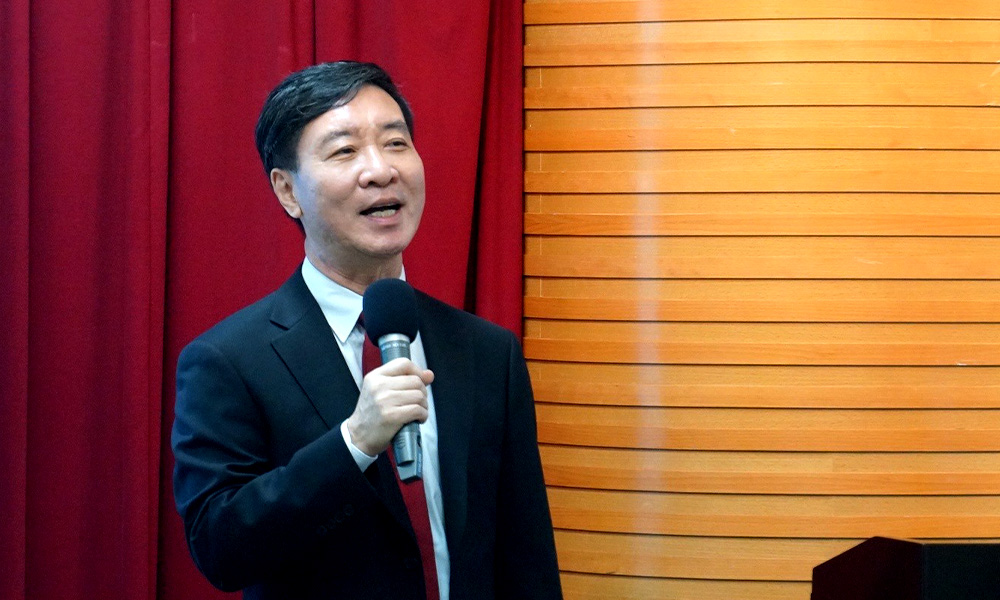
Dr Kang Wu

China’s growing role in the marine fuels market is reshaping the competitive dynamics between Chinese bunkering hubs and established centres such as Singapore.

 In this interview with Manifold Times, Dr Kang Wu, Energy Economist specialising in China and Southeast Asia at Global Energy Research and Educational Training Pte. Ltd., discusses the impact of China’s bonded bunker fuel tax rebate, domestic refining and import trends, the adoption of LNG and methanol, and pricing differentials with Singapore, while also examining China’s surplus of UCOME:

MT: How has China’s 2020 VAT rebate policy for bonded bunker fuel, especially for low-sulphur fuel oil, affected the competitiveness of Chinese ports like Zhoushan in comparison to traditional hubs like Singapore?

The impact has been significant, mainly because the rebate extends beyond the VAT. Effective February 2020, the Chinese government introduced a rebate policy for the 13% VAT on China’s fuel oil exports (including bunker fuels) to bonded areas. More importantly, the rebate also covers the fuel oil consumption tax, which amounts to 1,218 yuan per metric tonne (mt), or roughly $27/bbl. This policy has fundamentally transformed the economics of China’s fuel oil exports to bonded areas. However, as discussed below, China still needs to import large volumes of bunker fuel because domestic supply remains insufficient to meet demand

MT: With China’s independent refiners (teapots) now producing more compliant low-sulphur fuel oil, what share of China’s bonded bunker demand is now met domestically vs. imported from places like  Malaysia or Russia?

Although independent (“teapot”) refiners cannot export bunker fuels directly as they do not have export quotas, their increased production helps quota-holding national oil companies (NOCs) as well as Zhejiang Petroleum & Chemical Co., Ltd. expand their exports. However, it is worth noting that China’s overall fuel oil production has been declining in recent years because refiners increasingly use deep conversion processes to maximise the production of lighter products and petrochemical feedstocks. In 2025, China exported a record 376,000 b/d of fuel oil, the vast majority of which was shipped to bonded areas. At the same time, China imported 396,000 b/d of fuel oil, primarily from Russia, Malaysia and Singapore, down from the record 514,000 b/d imported in 2024. These imports and exports together form the foundation of China’s bonded-area fuel oil market.

MT: Given China’s push for LNG bunkering and its IMO 2030/2050 decarbonisation targets, how quickly are Chinese ports and shipowners adopting LNG or methanol bunker infrastructure compared to conventional VLSFO?

Indeed, China has made a major push to promote LNG and green methanol as marine bunker fuels, and progress has been steady. However, given the relatively low starting base, their rising impact on VLSFO consumption is expected to be gradual.

MT: How do fluctuations in China’s industrial production and coal imports (via dry bulk carriers) directly correlate with bonded bunker fuel demand at major Chinese ports?

Bonded bunker fuel demand at major Chinese ports is indeed influenced by China’s overall import and export activities. Although China’s coal imports have declined since reaching a record high of 543 million mt in 2024, the country’s total merchandise trade volume has continued to grow year by year. At the same time, China’s GDP growth has slowed compared with a decade ago. In addition, structural changes in trade patterns and shipping routes (such as a decline of exports to the US and a surge of exports to other countries) have also affected bunker fuel demand. A more detailed analysis is needed to determine the precise relationship between trade activity and bonded bunker fuel demand.

MT: What is the typical price spread between Chinese bonded bunker fuel and Singapore’s delivered bunker prices, and how do factors like China’s export quotas or refinery maintenance create arbitrage opportunities?

Following the introduction of the tax rebate policy discussed above, Chinese ports have gained a pricing advantage in the bunker fuel market, as more competitively priced bunker fuel produced domestically has become available. As a result, China’s delivered bunker fuel prices have typically traded at a discount of $15–30/mt to those in Singapore. However, prices fluctuate, and China’s bonded bunker fuel prices are not always lower than Singapore’s for three main reasons. First, China still needs to import large volumes of fuel oil, including VLSFO, into its bonded areas. Consequently, prices in these markets remain closely linked to Singapore’s delivered bunker prices. Second, the volume and timing of export quota allocations to the NOCs play an important role in determining the availability of domestically produced bunker fuel in bonded areas. At times, limited quota availability can tighten supply, resulting in shortages at China’s bonded ports. Third, during periods of geopolitical or market disruption, such as the Iran conflict since February 2026, market fundamentals can change rapidly, leading to heightened price volatility.  The bottom line is that, regardless of the absolute price spread between China and Singapore, fluctuations in the spread and China’s need to import bunker fuels continue to create arbitrage opportunities for traders.

MT: Anti-dumping duties and policies introduced by the European Commission and western regulators have resulted in overcapacity of UCOME in China; given the material cannot obtain ISCC EU certification to be blended as bio-bunker fuel (i.e. EU ETS, carbon credits), what will be your advice to Chinese holders of excess UCOME?

Like many other renewable energy products (such as solar panels) and electric vehicles, China’s UCOME industry has expanded rapidly and now faces growing trade barriers in Western markets because of its strong export growth. While there are no easy solutions for producers with excess capacity, several strategies could help.  First, producers should continue improving efficiency and reducing costs to remain competitive despite the import duties and other trade measures imposed by the EU and some other developed economies. Second, they should diversify export markets beyond the EU by targeting emerging opportunities in advanced economies such as Singapore. In particular, Singapore could leverage China’s surplus UCOME supply to accelerate the development of its sustainable aviation fuel (SAF) and bio-bunkering industries. Finally, China’s UCOME industry could encourage the Chinese government to expand domestic blending mandates, including greater use of SAF and bio-bunkering fuels, to stimulate domestic demand and help absorb excess production.

Dr Wu will be leading a two-day executive briefing, China Oil Market Dynamics, held on 26 to 27 October in Singapore. The intensive briefing will provide a comprehensive outlook on China’s oil market through 2035, covering the key market, policy, economic and structural forces shaping its future. More information on the event and registration can be found here.


Photo credit: Kang Wu
Published: 28 August, 2026

Continue Reading

Bunker Fuel

NW Corporation expands Malaysia bunkering fleet with acquisition of “BELLAA 1”

The company’s immediate growth strategy remains focused on Port Klang, where it continues to strengthen its market presence and provide comprehensive bunkering solutions for its customers.
Admin

Published

on

By

NW Corporation expands Malaysia bunkering fleet with acquisition of “BELLAA 1”

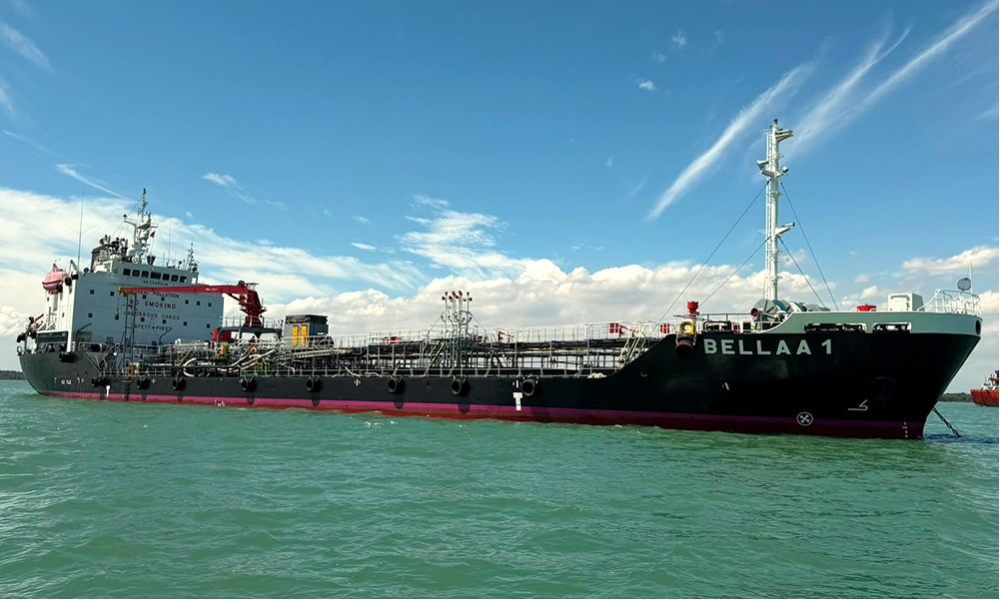
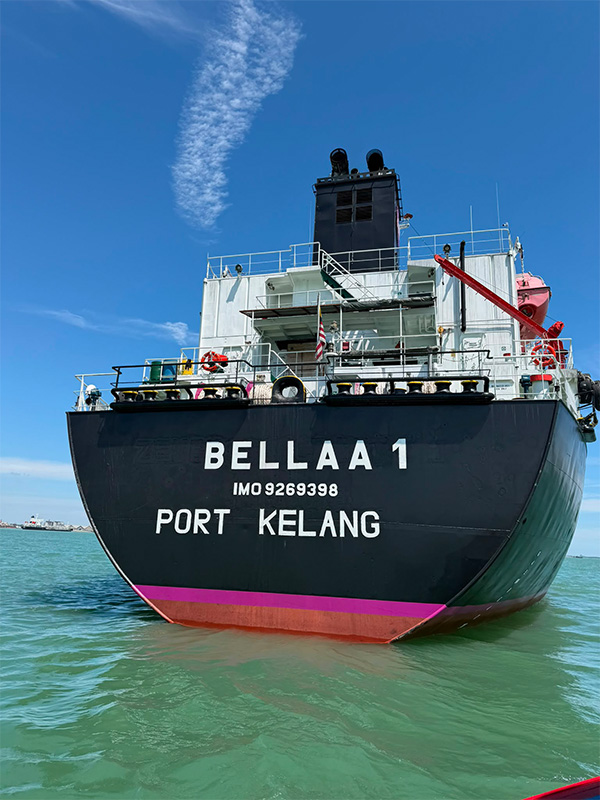
Singapore-based commodities and oil cargo trading firm NW Corporation Pte Ltd (NWC) has expanded its Malaysia bunkering operations through the acquisition of Bellaa 1 (IMO 9269398), increasing its monthly bunker supply capability to approximately 30,000-35,000 mt.

Bellaa 1 is a Malaysia-flagged bunker tanker with a loadable cargo capacity of approximately 5,000-5,500 mt of Low Sulphur Fuel Oil (LSFO),” Jason Tan, Co-founder and Head of Commercial of NWC, told Manifold Times on Tuesday (14 July).

“The addition of Bellaa 1 represents another important milestone in our fleet expansion strategy. It strengthens our operational capability, improves supply flexibility and enables us to better support the increasing demand for LSFO in Port Klang.”

Following the acquisition, the bunker tanker underwent an intermediate survey, was renamed in Singapore and is scheduled to commence commercial bunkering operations from August 2026.

According to Mr Tan, the acquisition will expand NWC’s LSFO supply capability, improve operational flexibility, increase vessel availability, enhance service reliability and support continued growth in bunker sales at Port Klang.

“NWC commenced bunkering operations at Port Klang in April 2024 with a single bunker barge and an initial monthly supply volume of approximately 10,000 mt,” said Mr Tan.

“The introduction of Bellaa 1 will increase our monthly bunker supply volume from approximately 20,000 mt to around 30,000-35,000 mt, driven by continued growth in bunker demand at Port Klang.”
Bellaa 1 back MT

Since entering the Port Klang market in 2024, NWC has steadily expanded its bunkering operations in tandem with growing customer demand. The latest fleet addition reflects the company’s continued investment in strengthening its supply capability and operational reliability.

Moving forward, Mr Tan pointed out NWC’s immediate growth strategy remains focused on Port Klang, where the company continues to strengthen its market presence and provide comprehensive bunkering solutions for its customers.

“Our immediate priority remains Port Klang, where we continue to see strong opportunities for growth. We will keep investing in fleet capability, operational efficiency and customer service while strengthening our trading activities and bunker supply network,” he stated.

“With a growing fleet, experienced operational team and strong partnerships with major bunker traders and suppliers, we are well positioned to expand our market share and reinforce our position as a trusted bunker supplier in the region.”

About NW Corporation

NW Corporation Pte Ltd is a Singapore-headquartered commodities and energy trading company engaged in oil cargo trading, bunkering, marine logistics and energy infrastructure investments across Asia. The company has been expanding its bunkering footprint in Port Klang as part of its long-term regional growth strategy.

Related: Singapore: NW Corporation welcomes “Fortune Glory” after three-week drydocking ops
Related: NW Corporation strengthens Port Klang operations with newly acquired bunker tankers


Photo credit: NW Corporation Pte Ltd
Published: 12 August, 2026

Continue Reading

Trending